Planning a wedding is exciting, but let’s be honest—it can also feel like juggling flaming torches when the costs start adding up. The good news? Creating a wedding budget doesn’t mean giving up on your dream day. With the right plan, you can keep your spending in check and still have a celebration that feels magical and personal.
The key is knowing how to budget a wedding in a way that works for you. It’s all about figuring out what matters most, cutting out the extras, and making smart choices with your money. Whether you’re planning a small gathering or something larger, having a clear budget helps you stay focused and stress-free.
In this guide, I’ll walk you through practical, down-to-earth tips for saving money without sacrificing style. We’ll cover everything from trimming your guest list to finding creative ways to decorate on a budget. You’ll learn how to prioritize your spending, track your expenses, and make choices that leave room for the unexpected.
Here’s a sneak peek at what’s inside:
- How to choose a venue that fits your budget and your vision.
- Simple tips to save on catering, decorations, and even wedding attire.
- Smart strategies for keeping costs low while still creating a day that’s uniquely yours.
Planning your wedding doesn’t have to feel overwhelming. With a little creativity and a lot of intention, you can plan a beautiful celebration that feels just right for you—and your wallet. Let’s jump into the details and bring you closer to your perfect day!

This site includes affiliate links; you can check the disclosure for more details.
Start With a Realistic Wedding Budget
I’ve found that every smart wedding plan starts with one honest number.
Not a dreamy number.
A real one.
Before I look at venues or dresses, I sit down with the facts. I check savings. I look at what I can set aside monthly. I confirm any family contributions early. Clarity now avoids awkward talks later.
Write down your total budget. Seeing it on paper changes everything.
Next, decide what truly matters most. That part is personal.
Maybe it’s photography. Maybe it’s the venue. Maybe it’s amazing food.
However, not everything can be top priority. That’s the hard truth.
Here’s how I tend to break it down:
- Circle your top three must-haves
- Mark three nice-to-haves
- Cross out anything you’d regret paying off later
Avoid borrowing if you can. Weddings are beautiful, but debt lingers. Starting marriage with pressure isn’t romantic.
Also, build in a buffer. Unexpected costs show up quietly. Dress alterations, vendor tips, last-minute decor swaps—they add up fast.
If your budget is $20,000, consider planning around $18,000. Leave room to breathe. That cushion protects your peace.
And here’s a surprising shift: a smaller budget doesn’t mean a smaller wedding. It means clearer decisions.
I’ve noticed that limits actually create confidence. When I know the ceiling, I shop differently. I compare wisely. I say no faster.
So pause here. Slow down. Get grounded.
Because once your budget feels solid, everything else becomes simpler.

Track Every Expense
I’ve found that a budget only works if I actually watch it.
Numbers on paper mean nothing without tracking.
Once I set my total, I track every dollar. Every. Single. One.
You don’t need anything fancy. A simple spreadsheet works. A notebook works. Even a notes app works. The key is consistency.
List clear categories from the start:
- Venue
- Food and catering
- Attire
- Photography
- Decorations
- Invitations and postage
Then update it every time you spend. Not later. Not next week. Right away.
Because here’s the thing—small costs sneak in quietly. Postage stamps. Vendor tips. Dress alterations. Extra cake cutting fees. They rarely announce themselves.
I tend to notice that when I track purchases in real time, I spend more thoughtfully. That pause changes decisions.
If one category creeps too high, I adjust early. For example, if the venue costs more than planned, I trim décor. That shift feels strategic, not stressful.
Another helpful move is using percentages. It creates guardrails.
You might try something like:
- 40% venue
- 20% food
- 10% attire
- 10% photography
- 20% everything else
Now you instantly see what’s out of balance.
Here’s the surprising part: tracking doesn’t restrict you. It frees you.
When I can see the numbers clearly, I stop guessing. I stop worrying. I make confident choices instead.
And honestly, that calm matters.
Because wedding planning should feel organized, not chaotic. Tracking every expense keeps the excitement fun—and the finances steady.

Trim the Guest List
Guest counts have a big impact on wedding costs. Each extra person means more food, drinks, and seating. Keeping the wedding list small saves a significant amount in the budget.
- Invite close friends and family.
- Skip plus-ones for casual acquaintances.
- Consider a kid-free wedding.
While it’s hard to limit invitations, smaller weddings often feel more intimate. A shorter guest list means you can spend more time with each person. You’ll also reduce stress, as fewer people means fewer logistics to manage. Cutting the list can be tough, but it’s worth it to stay on budget.
Think of your guest list in tiers. Start with the people you absolutely can’t imagine getting married without. Then add a second tier for extended family or friends you’d like to invite if there’s room. This approach keeps the list manageable. If budget constraints come into play, you can trim from the outer tiers without guilt. Remember, a wedding is about celebrating love—not hosting a crowd. Smaller, intentional gatherings often feel more meaningful.

Choose an Affordable Venue
I’ve found that the venue can quietly swallow half a wedding budget.
It’s beautiful. It’s exciting. And yes, it’s expensive.
That’s why I look at price before I look at charm. Style matters, but numbers matter more.
Instead of defaulting to banquet halls, I widen the search. Non-traditional spaces often cost less and offer more character.
Consider options like:
- Local parks
- Community centers
- Libraries
- Small museums
- A family backyard
A backyard wedding may sound simple. However, simple doesn’t mean boring. It can mean intimate and meaningful.
Also, timing changes everything. Friday or Sunday weddings usually cost less than Saturdays. Off-season dates can drop prices fast. Flexibility creates leverage.
I always ask what’s included before comparing prices. Tables? Chairs? Linens? Sound system? Setup help? Those extras add up quickly.
Here’s the reframe: A higher rental fee isn’t always more expensive overall. If a venue includes essentials, you may save on outside rentals.
Natural beauty helps too. A garden setting or historic building reduces décor needs. Less decorating means fewer expenses.
And yes, I negotiate. Politely. Confidently.
Many venues offer discounts for paying upfront. Some adjust pricing if you bundle services. Others allow outside vendors, which can cut costs. It never hurts to ask.
I tend to notice that creative spaces feel more personal anyway. Cookie-cutter ballrooms aren’t the only option.
So pause before signing. Compare full costs, not just rental fees.
An affordable venue doesn’t lower your wedding’s impact. It simply protects your budget while still creating something beautiful.
Save on Food and Drinks
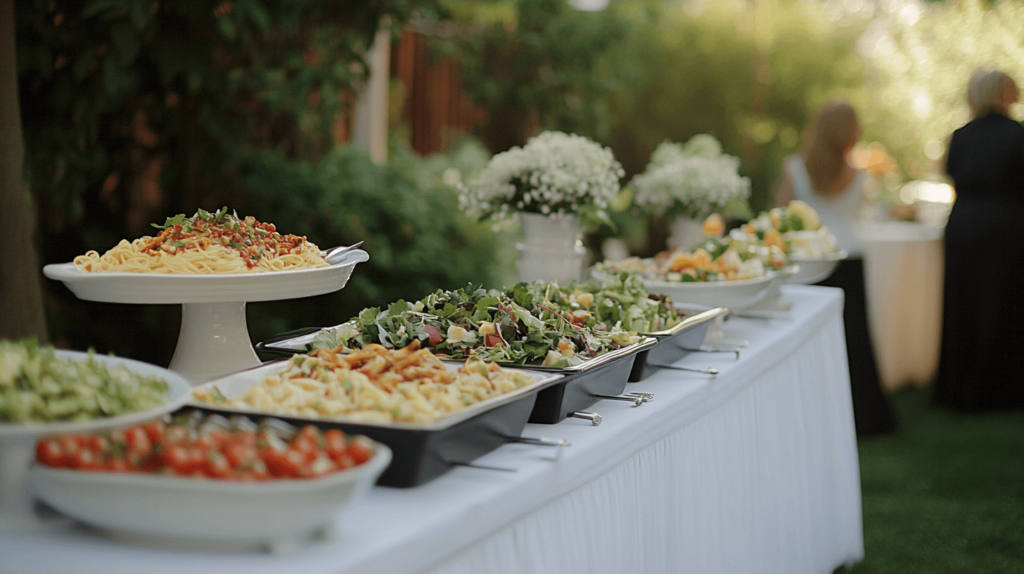
Catering is another major expense. Finding ways to save here on your wedding can make a big difference in the budget.
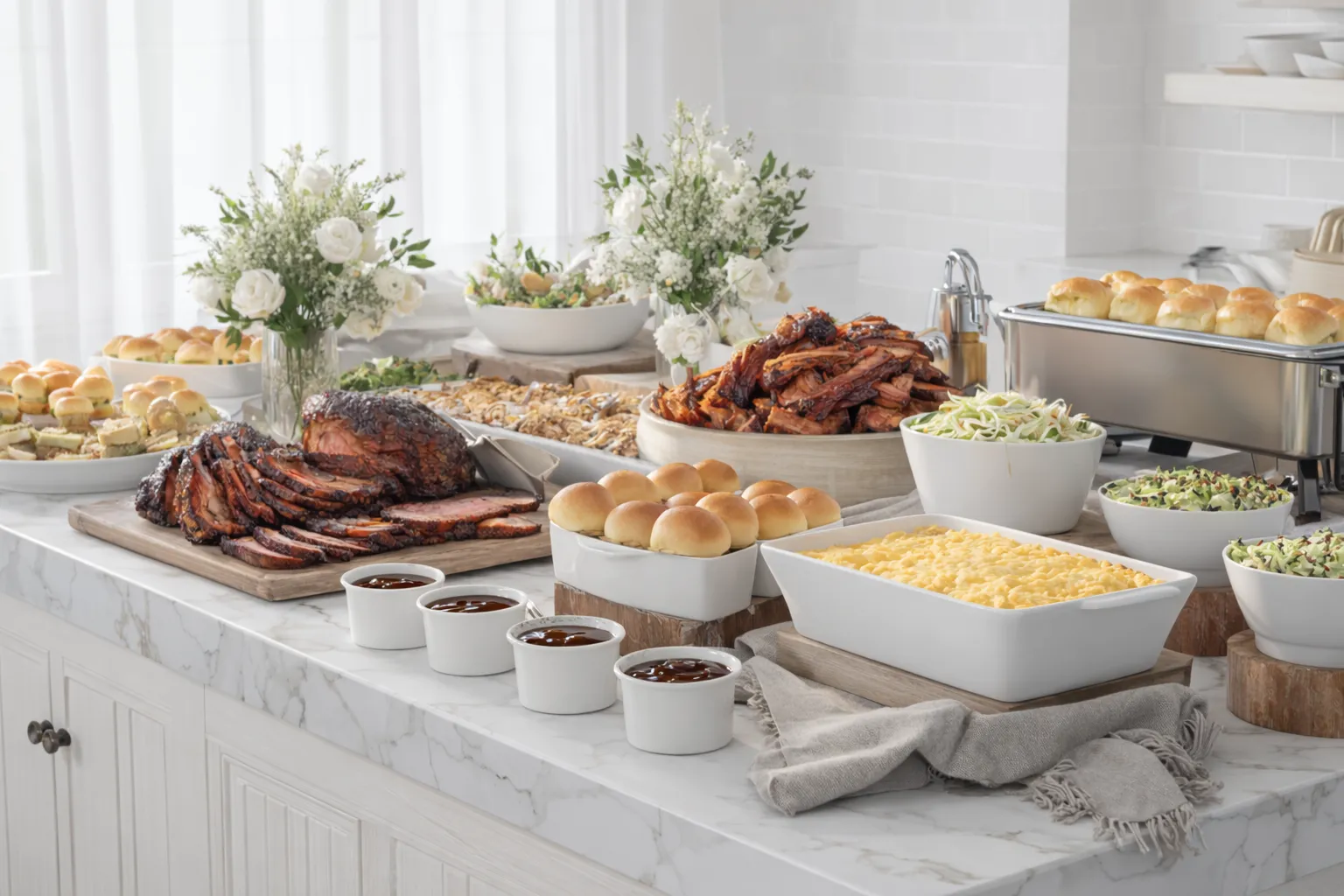
- Serve a buffet or family-style meal instead of plated dinners.
- Skip expensive alcohol packages and offer beer, wine, or a signature cocktail.
- Host a brunch or lunch wedding, which costs less than dinner.
You can also work with local caterers or even food trucks for a more casual feel. Some couples opt for a dessert-only reception or a potluck-style meal. Guests will remember the fun and love, not whether you served steak or chicken. Keeping it simple can be just as enjoyable.
To save even more, consider alternatives like DIY appetizers or a cake made by a talented friend. Buying in bulk from wholesale stores can cut costs, especially for beverages. Talk to your caterer about seasonal menus to avoid pricey ingredients. Creative planning keeps food costs manageable. Providing non-alcoholic drink stations with lemonade, tea, or infused water can also cut costs while keeping guests refreshed.
Get Creative With Budget Wedding Decorations
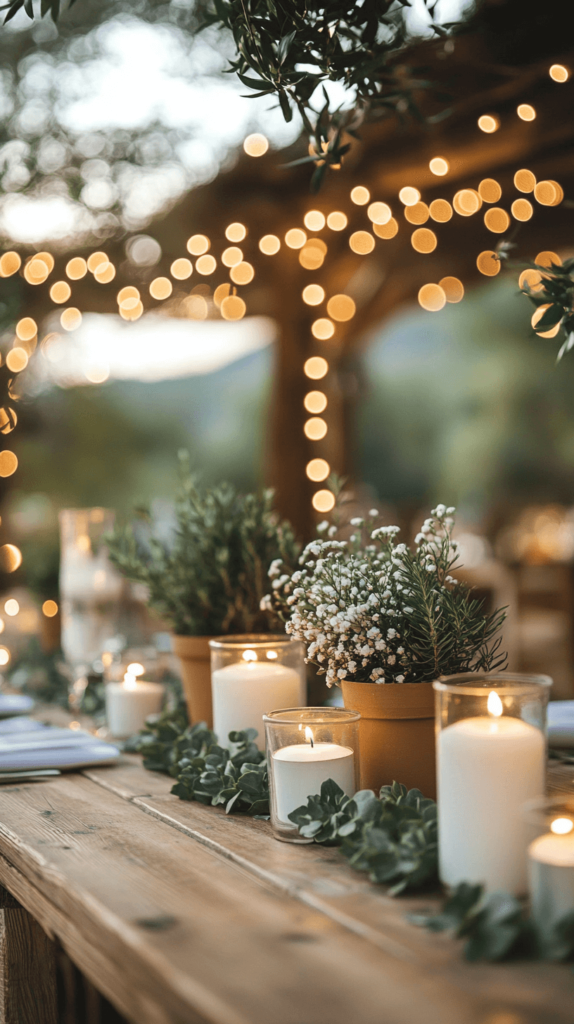
Decorations add personality to your wedding but can get expensive. DIY projects or minimalistic ideas save money and still look stunning.
- Use flowers sparingly. Focus on greenery or potted plants.
- Borrow items like vases or candle holders from friends or family.
- Choose a venue that’s naturally beautiful and needs minimal decorating.
DIY doesn’t have to mean complicated. String lights, candles, or even paper lanterns can create a warm and inviting atmosphere. If you’re not crafty, recruit friends or family to help. Simple, personal touches often leave the biggest impression.
For an extra layer of savings, look into secondhand decorations. Many couples sell gently used items online. Whether it’s table runners, signs, or centerpiece materials, these deals add up. Mixing these with some DIY projects makes your wedding look great without costing a fortune. Focus on quality over quantity—a few standout pieces often look more elegant than an overload of decor.
Simplify Invitations
I’ve found that invitation costs sneak up faster than most people expect.
Paper seems harmless. Postage seems small. Together, they grow quickly.
So I simplify early.
Going digital is the easiest win. Wedding websites handle details, RSVPs, and updates in one place. Guests respond online, which eliminates extra cards. Fewer inserts mean fewer envelopes. That alone cuts costs.
If I choose printed invitations, I skip the extras. No foil. No embossing. No layered cardstock. Clean and simple works beautifully.
Here are practical ways to trim costs:
- Use e-vites for save-the-dates
- Collect RSVPs through your website
- Print basic designs at home
- Order from budget-friendly online printers
- Hand-deliver to local guests
Hand delivery saves on postage and adds a thoughtful touch. It’s personal without being expensive.
I tend to notice that guests care more about clarity than luxury. They want the date, time, and location. Everything else is optional.
Another smart move is bundling. Some retailers offer packages that include invites, menus, and thank-you cards at a lower rate. However, always compare totals before committing.
Here’s a surprising shift: elegant doesn’t require layers of paper. Good design carries more impact than heavy cardstock.
Postcard-style invitations can reduce both printing and postage costs. That small format makes a big difference.
Additionally, watch for coupon codes before ordering. Sales pop up often.
When I keep invitations simple, I protect my budget for moments guests actually experience.
Because at the end of the day, no one frames the RSVP card. They remember the celebration.
Shop Smart for Attire
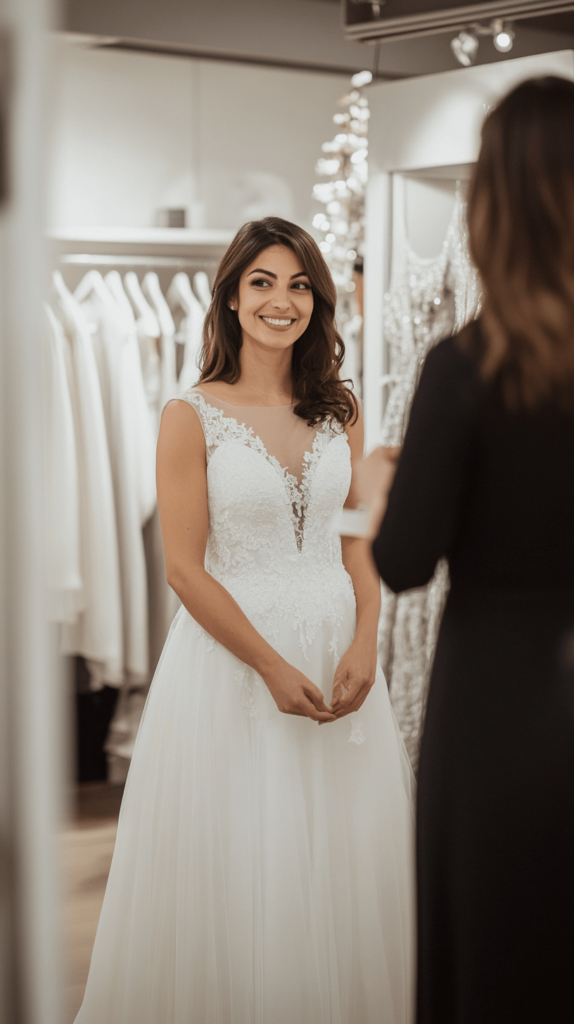
Wedding attire is another area where costs can skyrocket. With a little planning, you can look amazing without overspending.
- Buy sample dresses or look for sales at bridal shops.
- Rent suits or dresses for the bridal party.
- Skip designer labels and focus on what fits and feels good.
You can also check online retailers or secondhand shops for deals. If wedding dress alterations are needed, factor that into your budget. For accessories, borrow items from family or friends. You’ll feel beautiful without the financial strain.
Plan ahead by shopping during seasonal sales or clearance events. For bridesmaids, let them pick dresses within a specific color palette. This often saves money and ensures everyone feels comfortable. Affordable doesn’t mean compromising style—it means being resourceful. Don’t forget about outlets or trunk sales, which can offer significant discounts on designer dresses.
Limit Wedding Extras in Your Budget
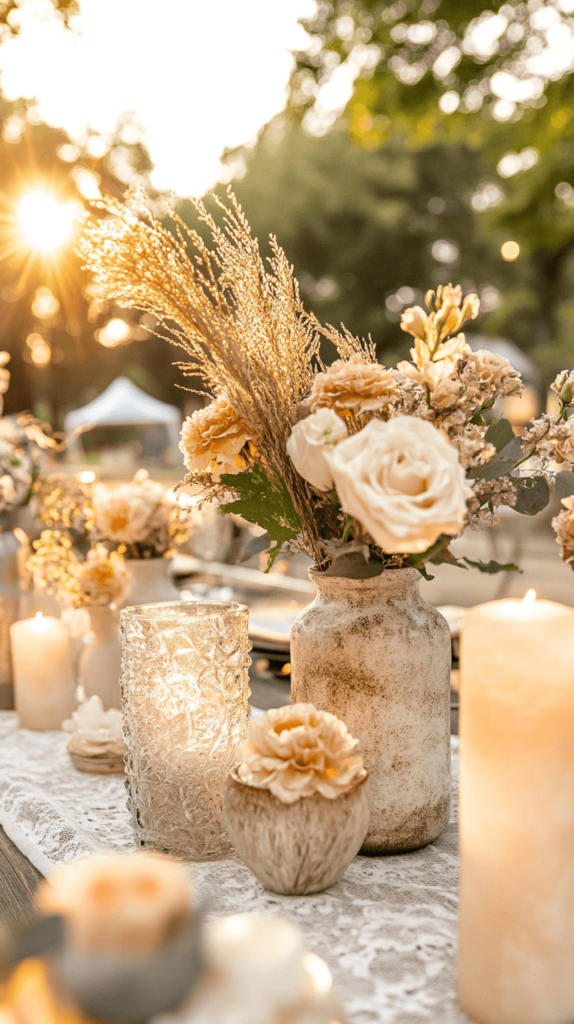
It’s easy to get caught up in add-ons like photo booths, party favors, or custom signage. These are great extras, but not must-haves.
- Skip wedding favors or go for something small and edible.
- Borrow or DIY photo booth props instead of renting a booth.
- Focus on what will make the day meaningful rather than trendy extras.
Extras can quickly add up, so ask yourself if they’re worth the cost. Often, guests don’t even notice what’s missing. Keep the focus on what’s truly important—celebrating your love with the people who matter most.
Create a list of extras you’re considering and rank them by priority. Cut anything that doesn’t add significant value to your experience. This simple exercise keeps you focused on the essentials while avoiding unnecessary spending. Streamlining extras helps ensure the day feels special without feeling cluttered.
Consider Secondhand Options
I’ve found that secondhand doesn’t mean second-best.
It often means smarter.
Pre-loved items can stretch a wedding budget without sacrificing style. In fact, they often add character.
Start with décor. Online marketplaces and thrift stores are full of wedding pieces used once. That’s it. One day. Then boxed up.
Look for items like:
- Candle holders
- Vases
- Table runners
- Signage
- Ceremony arches
Most pieces need only light cleaning or small updates. A coat of spray paint changes everything.
Attire offers savings too. Bridesmaid dresses, suits, and even wedding gowns appear in resale shops. Many look brand new. I tend to notice that wedding clothing rarely shows wear.
Borrowing is another quiet win. Recently married friends often have décor stored away. Ask around. People love seeing items reused.
Here’s the shift most people miss: buying new doesn’t make a wedding more meaningful. Thoughtful choices do.
Make a list before you shop. Without a plan, deals become clutter. With a list, you stay focused.
Check wedding groups and local forums regularly. Good pieces move fast. However, patience pays off.
Consignment shops that specialize in weddings often hold hidden gems. You just have to look.
And yes, there’s an added bonus. Buying secondhand reduces waste. That matters.
When I mix pre-loved pieces with a few DIY updates, the result feels intentional. Not cheap. Not random. Intentional.
Secondhand options protect your budget while adding charm most store-bought décor can’t match.
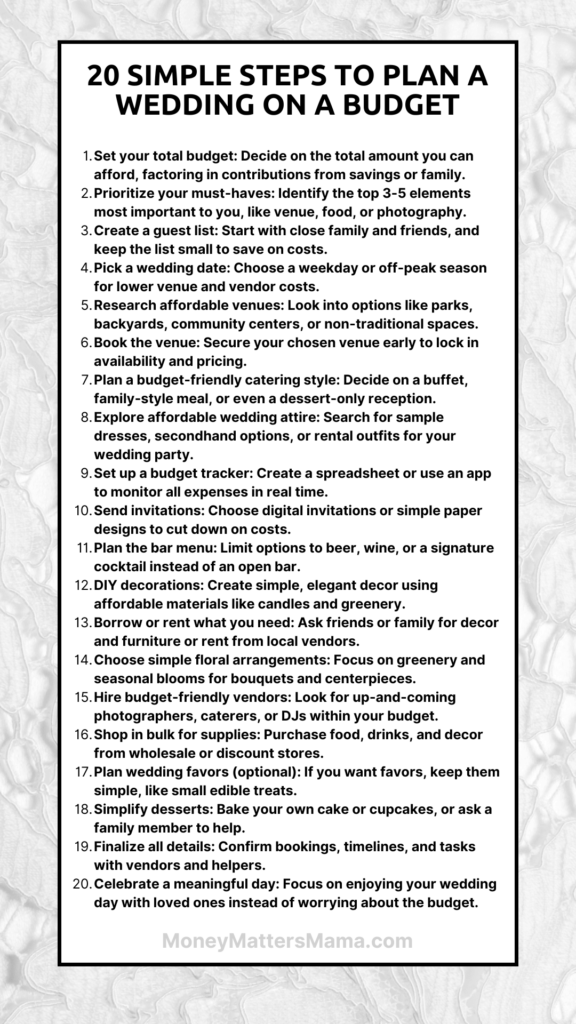
20 Simple Steps to Plan a Wedding on a Budget: Step-by-Step
- Set Your Total Budget
Decide on the total amount you can afford, factoring in contributions from savings or family. - Prioritize Must-Haves
Identify the top 3-5 elements most important to you, like venue, food, or photography. - Create a Guest List
Start with close family and friends, and keep the list small. - Pick a Wedding Date
Choose a weekday or off-peak season for lower venue and vendor costs. - Research Affordable Venues
Look into options like parks, backyards, community centers, or non-traditional spaces. - Book the Venue
Secure your chosen venue early to lock in availability and pricing. - Plan a Budget-Friendly Catering Style
Decide on a buffet, family-style meal, or even a dessert-only reception. - Explore Affordable Wedding Attire
Search for sample dresses, secondhand options, or rental outfits for your wedding party. - Set Up a Budget Tracker
Create a spreadsheet or use an app to monitor all expenses in real time. - Send Invitations
Choose digital invitations or simple paper designs. - Plan the Bar Menu
Limit options to beer, wine, or a signature cocktail instead of an open bar. - DIY Decorations
Create simple, elegant decor using affordable materials like candles and greenery. - Borrow or Rent What You Need
Ask friends or family for decor and furniture or rent from local vendors. - Choose Simple Floral Arrangements
Focus on greenery and seasonal blooms for bouquets and centerpieces. - Hire Budget-Friendly Vendors
Look for up-and-coming photographers, caterers, or DJs within your budget. - Shop in Bulk for Supplies
Purchase food, drinks, and decor from wholesale or discount stores. - Plan Wedding Favors (Optional)
If you want favors, keep them simple, like small edible treats. - Simplify Desserts
Bake your own cake or cupcakes, or ask a family member to help. - Finalize All Details
Confirm bookings, timelines, and tasks with vendors and helpers. - Celebrate a Meaningful Day
Focus on enjoying your wedding day with loved ones instead of worrying about the budget.
Final Thoughts on a Budget Wedding
Budgeting a wedding takes effort, but it’s worth it when you can enjoy your special day without financial stress. The key is focusing on what truly matters to you as a couple. Start by setting a realistic budget and tracking every expense to stay on course. Prioritize the things that mean the most—whether that’s the venue, food, or photography—and scale back on extras that don’t add significant value.
Trimming the guest list can help you save in multiple areas, from catering to venue size. Choosing an affordable venue, like a park or community center, keeps costs down while leaving room for creativity. Check out the savings on food and drinks! Buffet meals, brunch weddings, or a signature cocktail instead of an open bar can keep things special without costing too much.
Get creative with your decorations and outfits! DIY projects, secondhand finds, and borrowing from friends or family can help you create a beautiful day on a budget. Simplifying your invitations and embracing digital options also cuts costs while keeping things stylish and efficient.
Remember, your wedding is about celebrating love and the start of your journey together. It’s not about impressing anyone with how much you spend or being Pinterest-worthy. By being intentional, creative, and mindful, you can plan a day that feels yours uniquely—without the financial burden.
With these tips in mind, you’re ready to budget a wedding that’s meaningful, beautiful, and just right for you.