I used to think a cinder block raised garden bed sounded a little too practical. You know the type. Cheap, sturdy, useful, and not exactly giving dreamy cottage energy at first glance.
Then I kept seeing the same thing happen. People would spend a small fortune on fancy lumber. Then they’d rebuild it when boards warped, cracked, or gave up.
That’s when this whole idea started looking a lot smarter. A cinder block raised garden bed has this no-nonsense charm that grows on me fast. It’s budget-friendly, weirdly flexible, and much easier to make cute than people expect. Also, I love any yard project that doesn’t demand a tool belt or a construction crew.
Living in Orlando, I also notice how quickly outdoor materials get humbled by heat, rain, and general chaos. The sun here does not play around. So when I pick a garden project, I want real weather toughness. A pretty photo alone won’t cut it.
And that’s where things get fun. Because this isn’t just about stacking blocks and tossing in dirt. It’s about getting a garden bed that looks good and works hard. I also want structure without draining the bank account.
There are smart ways to build it. Better spots matter too. The right plants pull extra weight. Best part? Some of the prettiest ideas start with the least glamorous supplies.
Some of the links on this page are affiliate links, which means I may earn a small commission if you purchase through them. It never costs you extra. You can always peek at my full disclosure if you’d like the details.
Why A Cinder Block Raised Garden Bed Makes So Much Sense
I’ve found that people often treat cheap garden projects like they must look cheap too. That’s the first myth I’d toss out. A cinder block raised garden bed makes sense because it solves several problems at once. It gives shape to a messy yard, keeps planting areas contained, and skips the yearly wood drama.
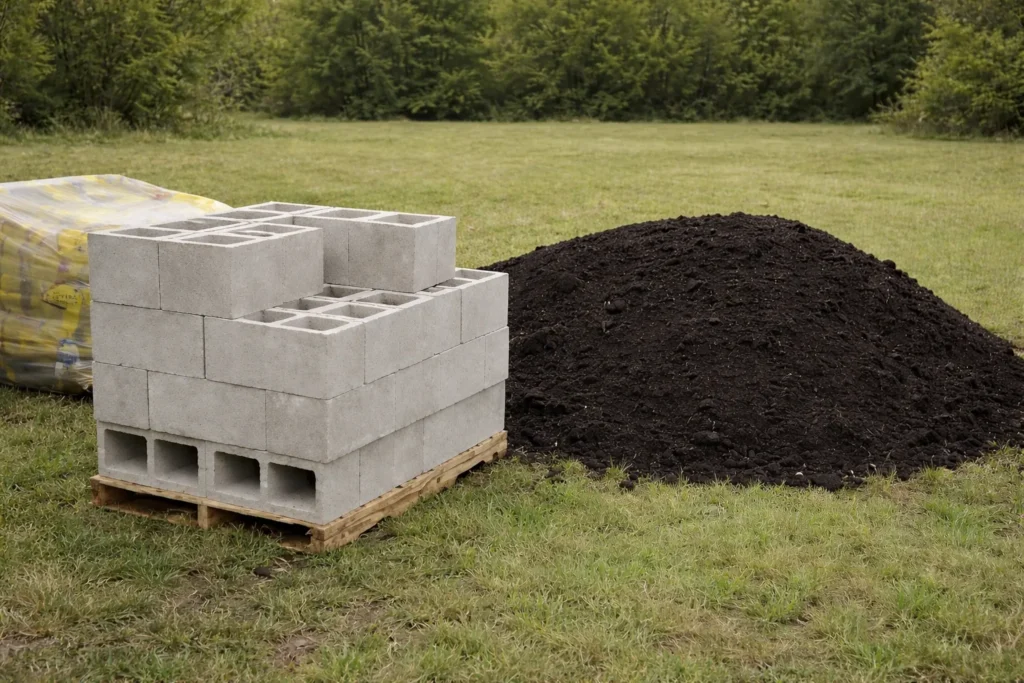
Price matters too, and this setup usually wins that argument fast. Cinder blocks cost less than a lot of decorative kits. They also last longer than many bargain wood options. So while the bed starts simple, it can save money twice. First at checkout, then later when you’re not rebuilding the thing.
Maintenance stays refreshingly low, which I appreciate more every year. No sealing boards. Skip rotted corner replacements. And no pretending another “weekend refresh” sounds fun in July.
That alone makes this setup very appealing. It also frees up money for better soil, prettier plants, or a simple path nearby. That practicality ages well too.
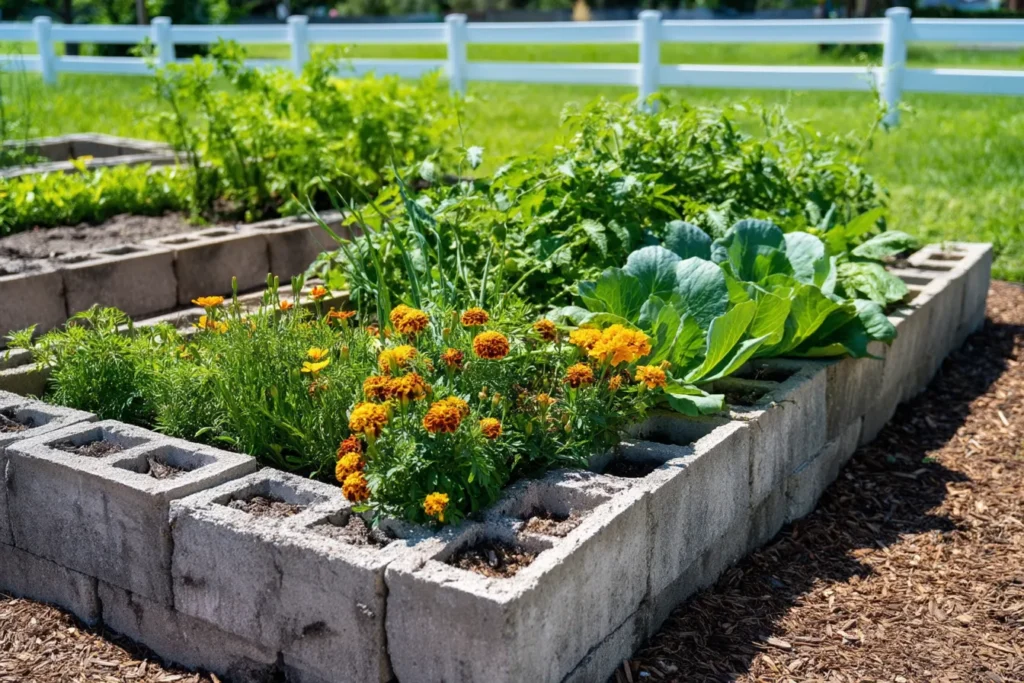
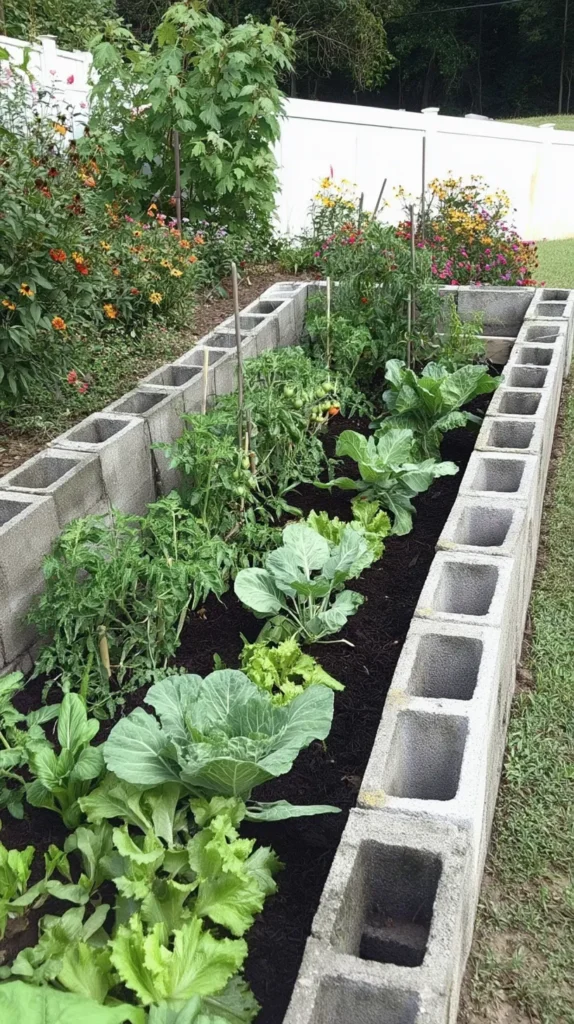
There’s also a design trick hiding in plain sight. The openings in the blocks can hold flowers, herbs, or trailing plants. That means the bed itself becomes part planter, part border, and part sneaky little style move. Suddenly the same gray block people side-eye starts pulling decorative weight.
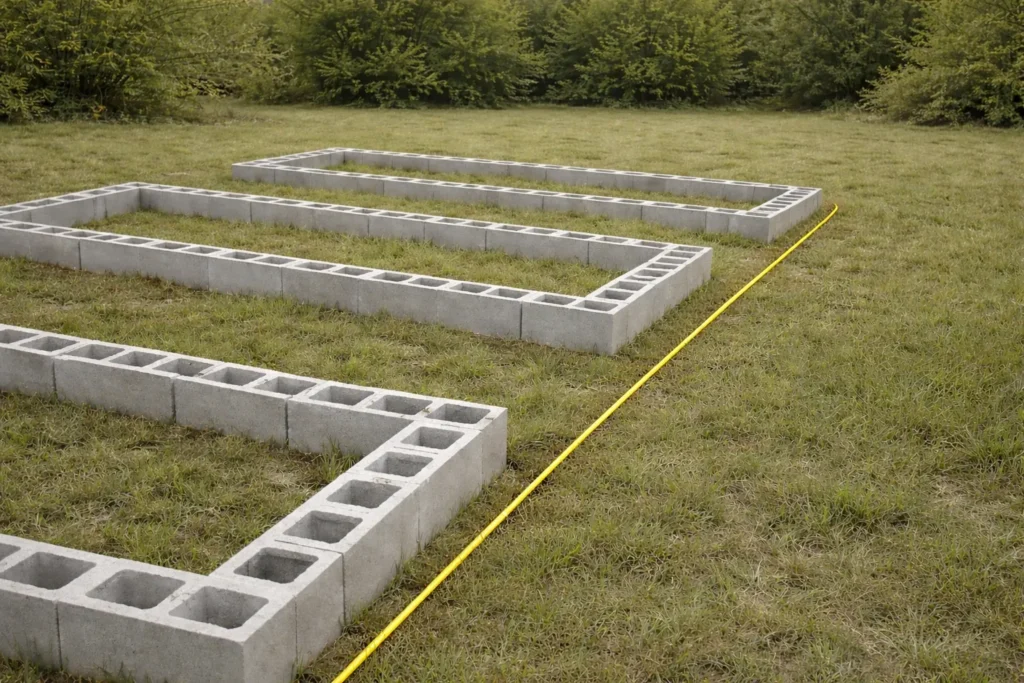
I also like that this project doesn’t pretend every yard looks the same. A neat square works. Long rectangles work too. Even an L-shape can look sharp if the space needs it. That flexibility matters more than people admit.
And here’s the twist. The simplest raised bed often looks the most grounded. Not fussy. Never overdone. Just useful, solid, and a little cooler than it first sounds.

How To Build A Cinder Block Raised Garden Bed Without Making It A Whole Personality
A lot of garden projects get weirdly dramatic before they even begin. This one doesn’t need that energy. If the ground sits level and the shape makes sense, you’re already most of the way there. The goal is not perfection. What matters is a bed that stays put, drains well, and looks intentional.
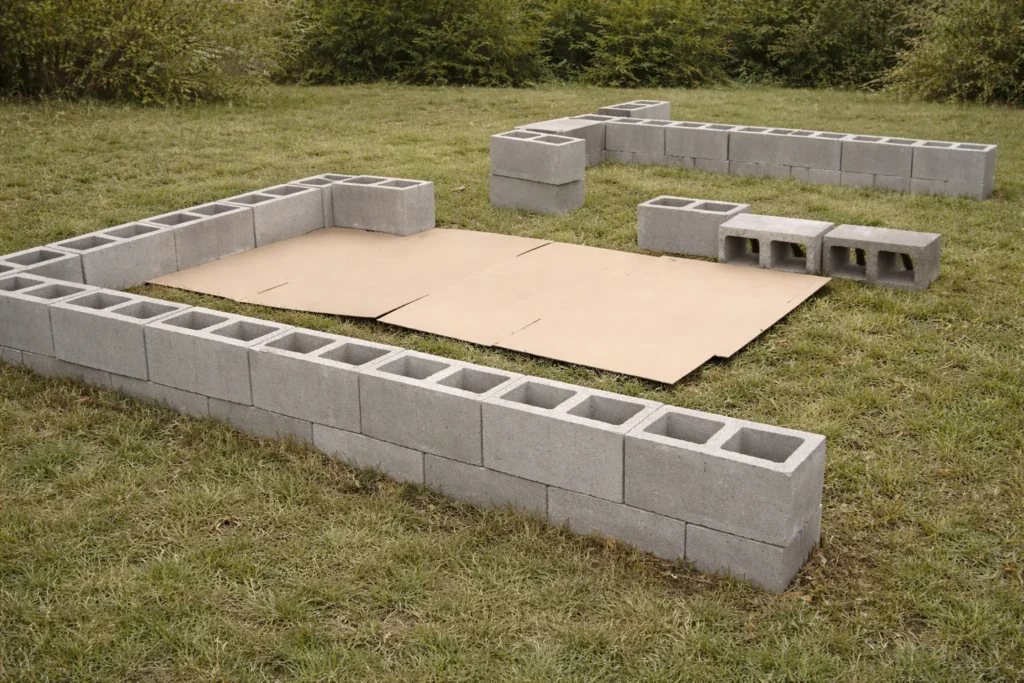
I’d start with a simple layout using a hose, rope, or even chalk. Then I’d check the ground and clear grass or weeds. After that, I’d level the area as much as possible. A slightly uneven yard can make the whole bed look wonky fast. Cinder blocks love exposing that kind of nonsense.
One detail saves regret later. Keep the bed narrow enough to reach the middle easily. If you can’t reach your herbs without stepping inside, the layout starts working against you fast. That’s not charming. It’s annoying.
Here’s the basic build path I’d use:
- Pick the size and shape first, before buying anything.
- Clear the footprint and scrape it level.
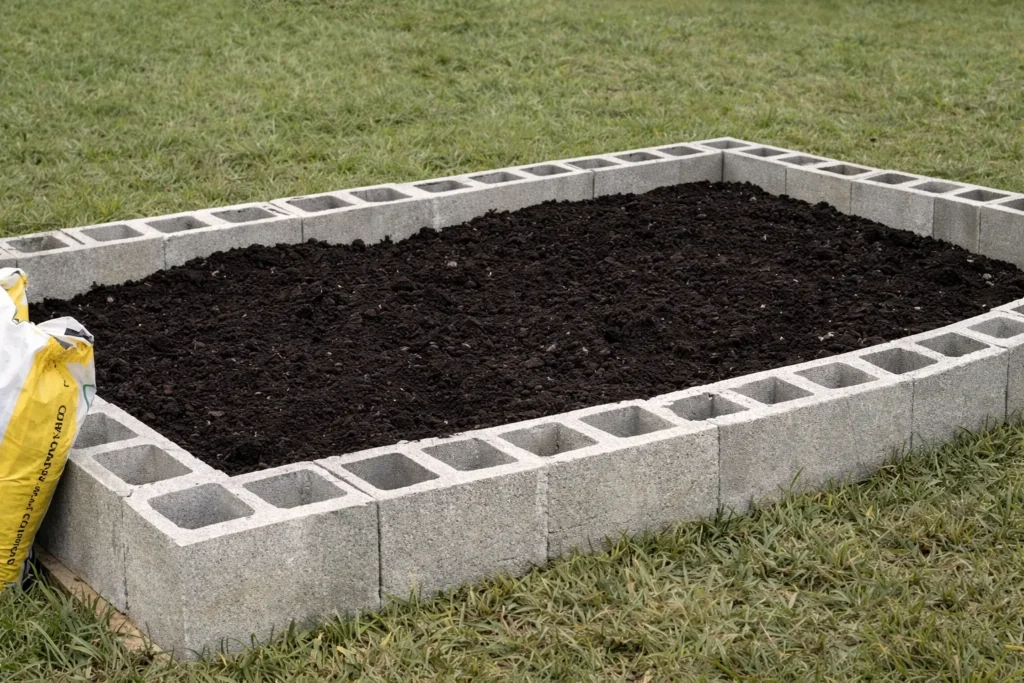
- Lay the first row of cinder blocks snugly together.
- Check alignment as you go, because crooked now stays crooked later.
- Add landscape fabric or cardboard underneath if weeds love your yard.
- Fill with a mix of soil, compost, and organic matter.
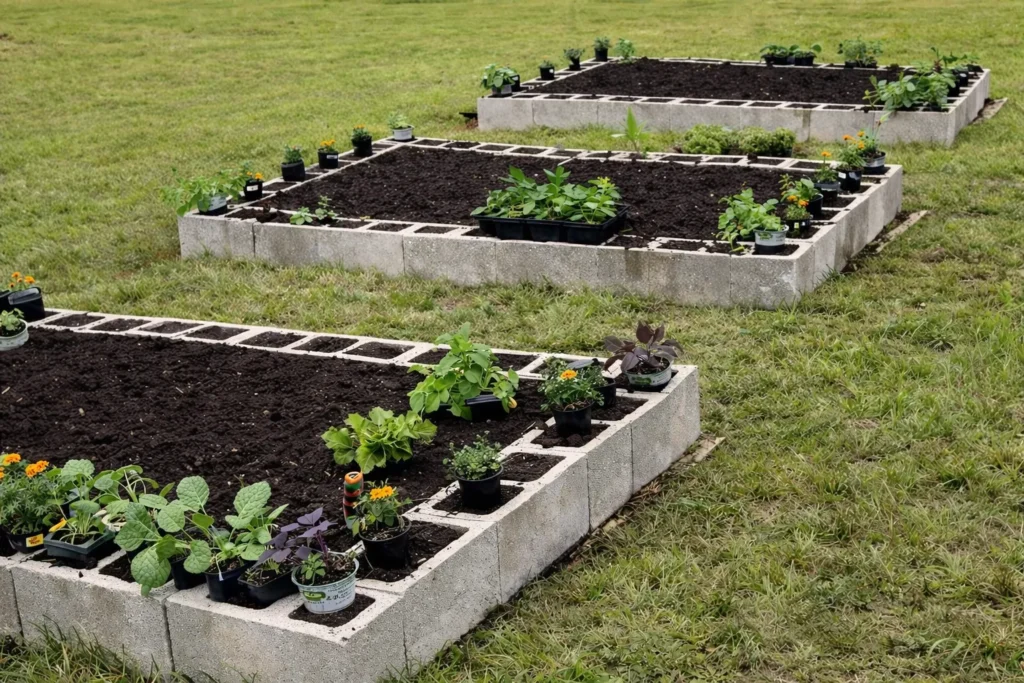
- Plant the block openings too, if you want extra color.
- Top with mulch to hold moisture and cut down splashing.
Most people assume they need mortar for a small bed. I wouldn’t rush there. For many backyard builds, stacked blocks work just fine on level ground. If kids climb everything in sight, or your slope gets bossy, then I’d tighten the plan. Still, for a basic cinder block raised garden bed, simple usually wins.
The Design Side Nobody Talks About Enough
This is where the bed looks charming or like leftover parking lot supplies. The difference usually comes down to what surrounds it. Not the blocks themselves. That little switch matters, because it means the fix is easier than people think.
I tend to notice that a garden bed looks better when the area around it looks deliberate. A border of mulch helps. Gravel can make it look crisp. Pavers nearby can push it into polished territory fast. Even a cheap solar light or two can make the whole setup look more styled at dusk.
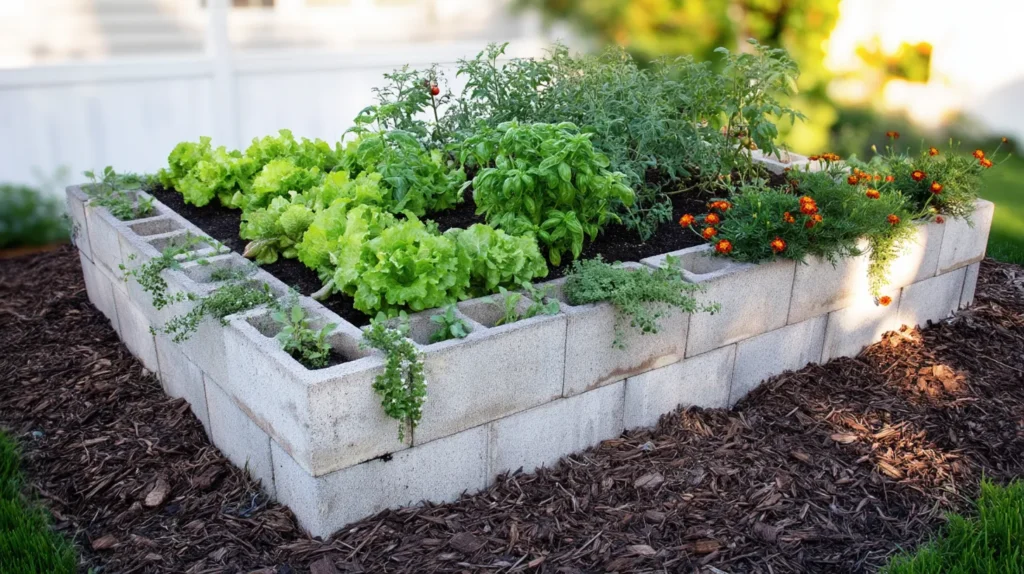
Color helps more than some gardeners admit. Gray blocks beside bright green lettuce, deep basil, and trailing flowers look fresh, not dull. Repeating the same plant colors nearby also smooths everything out. So if purple petunias sit in the block holes, add another purple flower nearby. Suddenly the bed stops looking random.
Texture deserves a mention too. Soft plants against rough concrete create contrast in the best way. That mix gives the bed some personality without needing expensive extras. So before buying more decor, I’d try better plant texture first.
Height matters too. One row of blocks feels casual and clean. Two rows start looking more substantial.
Go higher, though, and the bed can read bulky unless the space around it balances the scale. Bigger is not always better. Sometimes bigger just shouts.
And I’d skip the urge to cram every cute idea into one space. A tidy bed with a few strong choices looks far better. One clean path. Add a repeating flower.
Then one leafy crop. That kind of restraint lands harder. Funny enough, the budget version often looks more expensive when it edits itself.

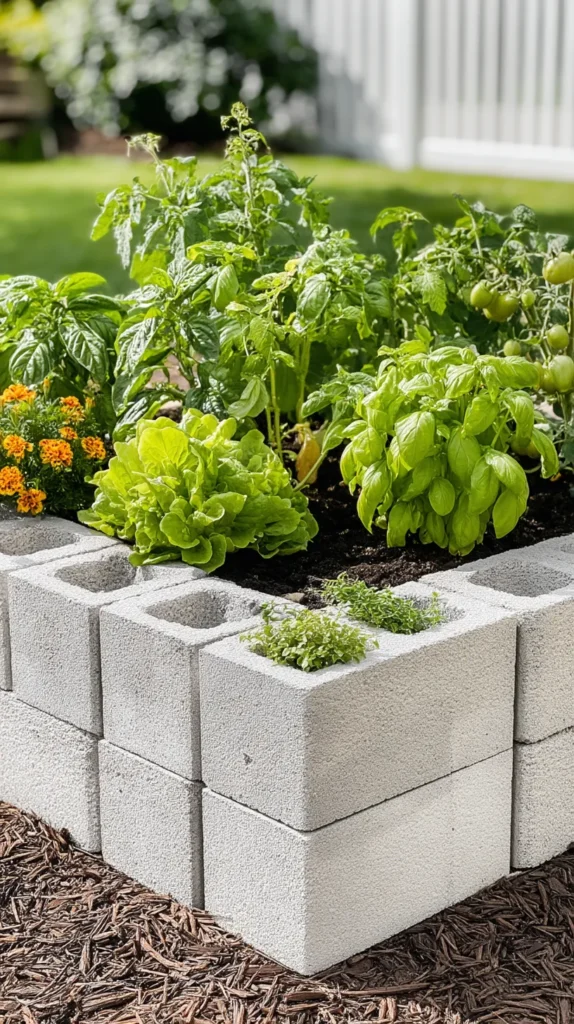
Cinder Block Raised Garden Bed Ideas That Don’t Look Like A Budget Panic
A lot of people hear “budget garden” and picture something one windy afternoon from falling apart. I disagree. Budget can look smart, not scrappy, when the choices work together. A cinder block raised garden bed offers more style options than people expect. That happens once you stop treating the blocks like a flaw.
Some of my favorite design directions stay pretty simple:
- Plant herbs in every outer block opening for a neat built-in border.
- Paint only a few blocks, not all of them, for a less busy look.
- Use black mulch for contrast if the yard needs more definition.
- Add gravel around the bed for a cleaner, more finished edge.
- Try one long bed instead of several tiny ones that clutter the yard.
- Mix vegetables with marigolds so the whole thing looks softer.
- Place a trellis behind the bed for height and a stronger backdrop.
- Use matching pots nearby so the bed connects with the rest of the yard.
I also like the idea of leaning into one mood. Cottage, clean modern, rustic, colorful, whatever. Pick one and let it lead. That’s the part people skip. They buy supplies before choosing a vibe, and then the yard starts arguing with itself.
Another smart move? Repeat the shape somewhere else. If the bed looks rectangular, echo that line with pavers, planters, or a bench. That repetition makes the cinder block raised garden bed look intentional, not improvised. And that little shift changes everything.
The sneaky trick, though, is restraint. Not every block needs paint. And not every opening needs flowers. Sometimes the best-looking bed is the one that lets the greenery do the flirting.
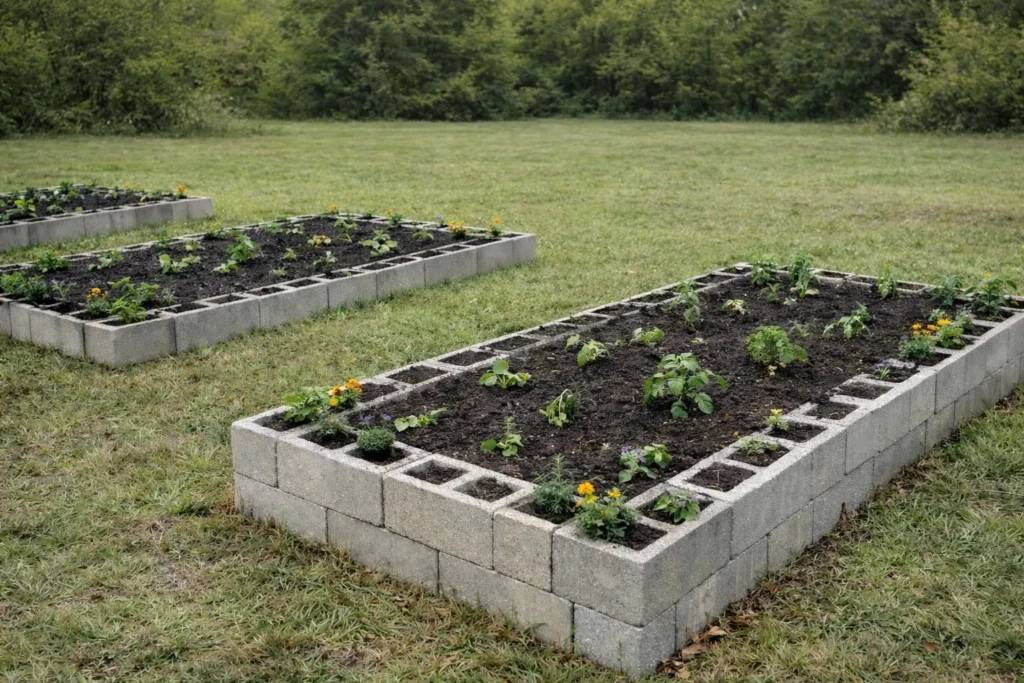
Where A Cinder Block Raised Garden Bed Works Best In The Yard
Location can save a good idea or ruin it before the first tomato shows up. That sounds dramatic, but it’s true. A cinder block raised garden bed needs more than empty space. It needs a spot that makes watering, harvesting, and daily upkeep easy enough to keep doing.
I’ve found that the best location usually sits close to the house. Not tucked in some noble back-corner wilderness. If I have to trek across the whole yard with snips and water, I know what happens. The garden gets ignored until something bolts, droops, or turns suspicious.
Sun matters, of course, but convenience matters too. Most vegetables want six to eight hours of sunlight. Herbs and some greens can work with a little less.
So I’d look for a sunny area with easy access too. I don’t want to step over toys or hoses. Easy access keeps a garden alive.
Water access deserves a vote too. A nearby spigot makes regular care much easier. Wind exposure matters as well, especially for tender plants or climbing varieties. So while open sun sounds perfect, a slightly protected spot often performs better.
Drainage deserves more respect than it gets. Avoid low spots where water collects after rain. Also skip places right against large tree roots, because those roots love stealing moisture and nutrients. Near a fence can work beautifully, though, especially if you want support for climbing plants later.
And here’s the little truth bomb. The “perfect” spot isn’t always the best spot. It’s the one you’ll use. If a cinder block raised garden bed fits beside the patio, that may be the better choice. The kitchen door or sunny side yard works too.

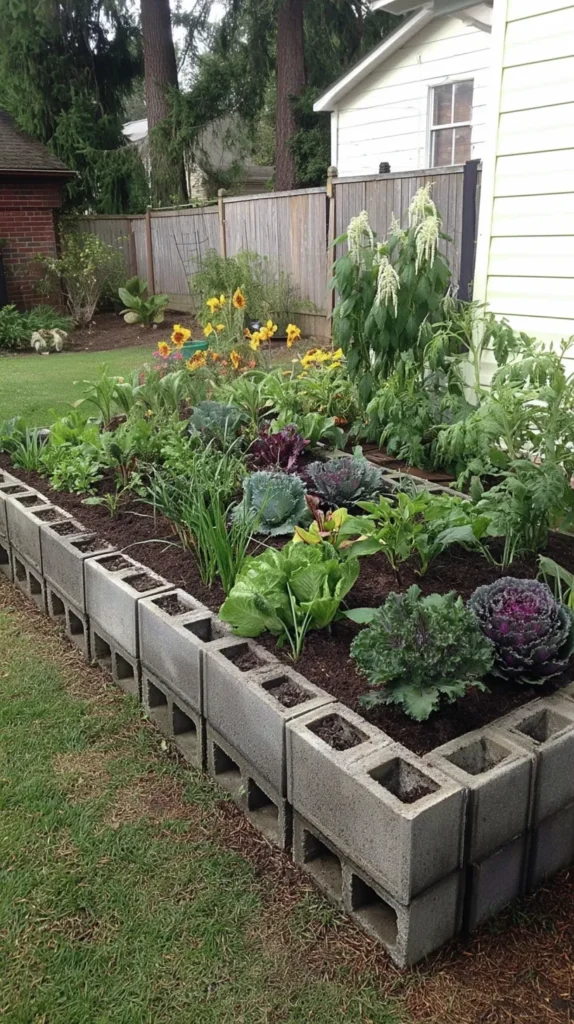
What To Plant So It Looks Good And Earns Its Keep
This is where the bed starts paying rent. Sure, I love a pretty setup. Still, I want plants that look nice and pull dinner weight. A raised bed should do more than sit there looking respectable. It should give you herbs, greens, color, and at least a little smug satisfaction.
I’d split planting choices into three categories so the space works harder:
- Fast growers: leaf lettuce, spinach, radishes, and green onions.
- Kitchen regulars: basil, parsley, cherry tomatoes, and peppers.
- Pretty helpers: marigolds, nasturtiums, and trailing herbs.
That mix keeps the bed useful and easy on the eyes. Fast growers give quick payoff, which matters more than people admit. Kitchen regulars make sense because they show up in real meals. Pretty helpers soften the block edges and keep the whole thing from reading too stiff.
Here’s where serving suggestions sneak in and make this more fun. Grow basil, tomatoes, and parsley together, and you’ve got easy pasta topping energy. Plant lettuce, green onions, and radishes, and suddenly weeknight salads look much less boring. Add peppers, cilantro, and tomatoes, and now taco night starts in the yard.
Season matters too, and that’s where people get tripped up. Cool weather crops love spring and fall. Heat-loving plants want the warm months. If the timing fights the weather, the garden gets grumpy fast. A little timing saves a lot of disappointment.
I also like using the block openings for herbs only. Mint, thyme, oregano, and chives can live around the outside while bigger crops fill the center. That setup looks tidy and wastes less space. Plus, a cinder block raised garden bed gets bonus points when the border itself becomes useful.
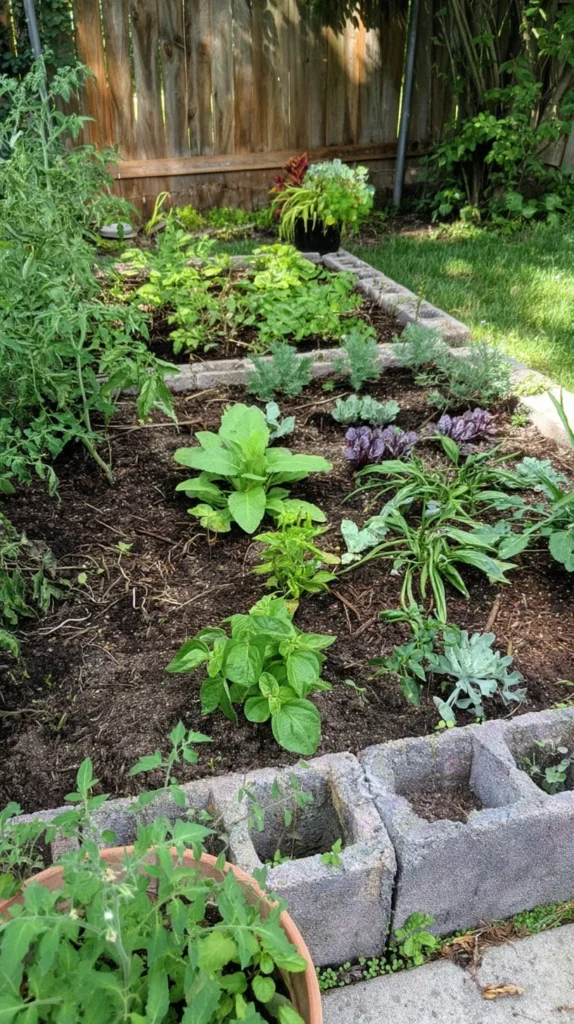
What This Garden Bed Costs Before The Garden Center Seduces You
This project can stay very affordable, but only if the extras don’t start running the show. That’s where budgets go sideways. The blocks may stay cheap, yet the “while I’m here” purchases start stacking up with shocking speed. Soil, compost, mulch, plants, edging, gloves, and one cute watering can later, the total gets a little loud.
The good news is that this bed still gives strong value. That structure usually lands in a budget-friendly range, especially compared with pre-made kits. Costs change by area, of course, but the basic pieces often break down like this:
- Cinder blocks for a small bed: low to moderate cost.
- Soil and compost: often the biggest expense.
- Mulch: cheap, but worth it.
- Cardboard or fabric barrier: low cost.
- Seeds: very low cost.
- Starter plants: higher than seeds, but faster.
I’d spend more on soil before I’d spend more on decor. Better soil gives better results, and prettier gloves never grew a tomato. That might be my favorite budget reframe here. The glamorous part isn’t the smartest part.
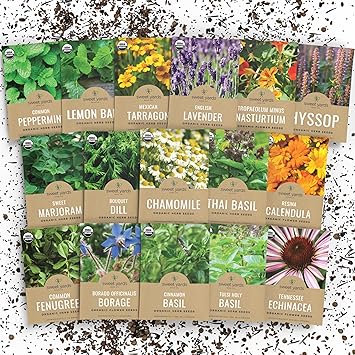
You can also trim costs with one smart choice. Use seeds for lettuce, radishes, beans, or herbs. Buy starter plants for tomatoes or peppers if you want quicker results. That split keeps the bed productive without sending the budget into a spiral.
If I wanted to keep the total down, I’d build one bed first. Then I’d plant a mix of seeds and just a few starter plants. That balance saves money without making the space look empty. A cinder block raised garden bed doesn’t need to arrive fully finished on day one. It can build its charm in layers, which feels much more realistic anyway.
The Questions People Always Ask Before They Commit
Garden projects always sound easy until the practical questions start marching in. Then the brain gets loud. Is it safe? Could it look too ugly?
Will it fall apart? Could it cost more than promised? I get it. A budget idea only stays fun while it still sounds manageable.
Are cinder blocks safe for a vegetable garden?
I’d use new, standard concrete blocks from a reliable source. Most gardeners do that without issue. Skip old mystery blocks if their history looks questionable.
Do I need to fill every hole in the blocks?
No, and I wouldn’t force it. Some people leave them open. Others add soil and herbs. Both options can look good.
Will the bed shift over time?
It can if the ground starts uneven. That’s why leveling matters so much. A stable base saves a lot of future annoyance.
Can I paint the blocks?
Yes, but I’d stay selective. Painting every surface can get busy fast. A few painted accents often look fresher.
How deep should the bed be?
For many herbs, greens, and smaller vegetables, one row works. Bigger root crops may want more depth.
Does this work in a front yard?
It can, especially with clean edging and a tidy planting plan. That surprise is part of the charm.
Do I need landscape fabric underneath?
Not always. Cardboard works for many yards. The main goal is slowing weeds before the bed fills in.
Will weeds still show up later?
Probably a few. Still, mulch helps a lot, and quick pulling keeps them from turning rude.
And that’s the funny part. The scary questions usually have very calm answers. Once those worries quiet down, the whole project starts looking a lot more doable.

The Garden Bed That Ends Up Looking Smarter Than Expensive
I love a yard project that starts out humble and ends up pulling more style than expected. That’s the sweet spot. A cinder block raised garden bed doesn’t win because it’s trendy. It wins because it’s practical, flexible, and a little underestimated, which may be my favorite combination.
As a mom, I’m always drawn to projects that look good without demanding constant drama. That applies to dinner, closets, and definitely the yard. I want something useful, sturdy, and worth the effort later. This checks those boxes without acting precious.
There’s also something satisfying about choosing a simple material and making it work harder. Not in a preachy way. More in a “well, look at you” way.
Once the plants fill in, the block openings soften. Then the whole layout starts reading differently. It stops looking like a budget compromise and starts looking like a smart decision.
That shift matters, especially on Pinterest, where pretty ideas and real life often start arguing. Pretty inspiration is fun. Still, I’m always looking for the version that survives weather, budgets, and regular human attention spans. That’s where this idea keeps shining.
So if the phrase cinder block raised garden bed sounded clunky and gray, I’d revisit that thought. With smart placement, good plants, and a few design choices, it can look charming and pulled together. Not bad for a stack of blocks and a little nerve.