I’ve noticed front yard landscaping gets treated like a rich-people hobby, and that’s just funny. One quick stroll through any cute neighborhood can make it seem that way. Suddenly, every porch looks polished, every bed looks fluffy, and every tree looks expensive. Meanwhile, plenty of us stand there with a garden center cart. We think, “Why does one shrub cost this much?” It feels rude.
What I actually think most women want is simple. Most of us want the front of the house to look pulled together. We also want it to look cared for. Ideally, it says charming, welcoming, and maybe a little impressive, without draining the grocery budget. That’s where this gets interesting. Good landscaping has less to do with money and more to do with restraint.
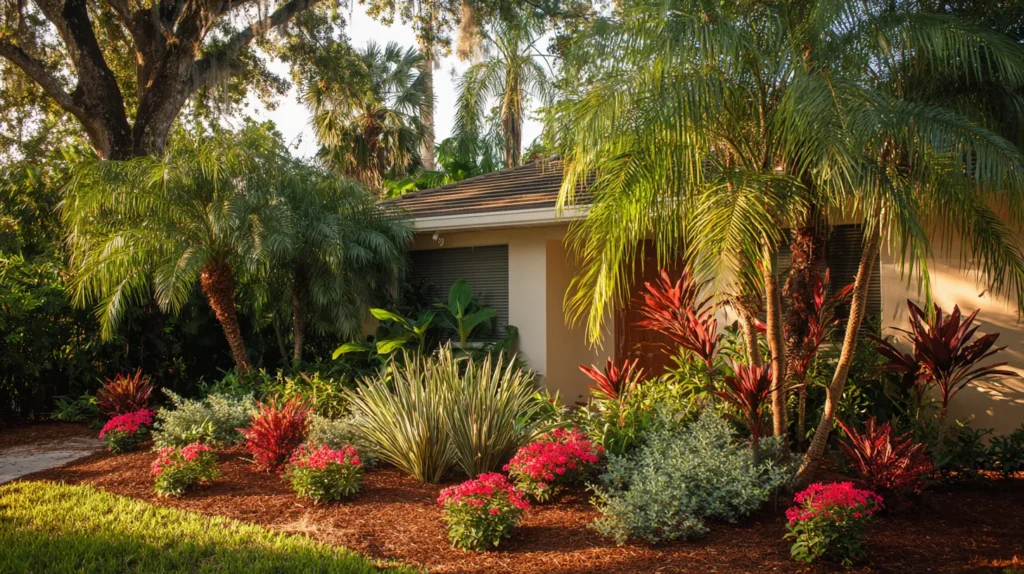
Living in Orlando makes me extra aware of this. I see tropical, cottage, modern, and totally chaotic yards on the same street. The ones that win are rarely the most expensive ones. They just know what they’re doing with shape, rhythm, and a little nerve.
So this post is not about chasing some dreamy estate look. I’m talking about smart front yard decisions that stretch every dollar and still look finished. The kind that make people slow down a little when they pass your house. There’s a difference between buying plants and building a yard people remember. That difference is where the real charm usually hides, and yes, I’m getting to it.
Some of the links on this page are affiliate links, which means I may earn a small commission if you purchase through them. It never costs you extra. You can always peek at my full disclosure if you’d like the details.
Front Yard Landscaping Does Not Need A Fancy Budget
I think this is the first myth worth dropping immediately. Front yard landscaping does not look expensive because someone bought rare plants. It looks expensive because someone edited. Honestly, that part matters more than people think.
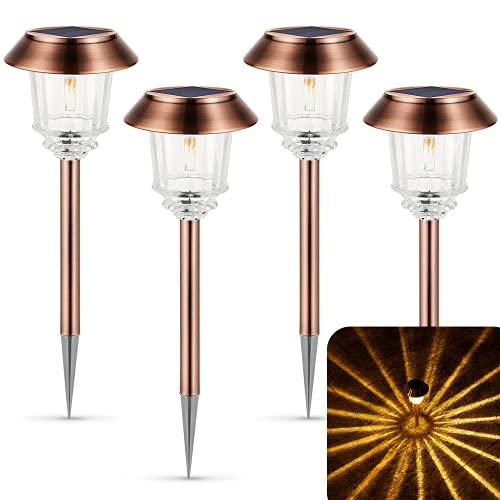
A yard starts looking messy when too many ideas show up at once. One spiky plant. Then a pink shrub. A lonely boulder. Then a random solar light barely survives the week. None of those choices sound terrible alone. Together, though, they create that rummage-sale effect nobody wants.
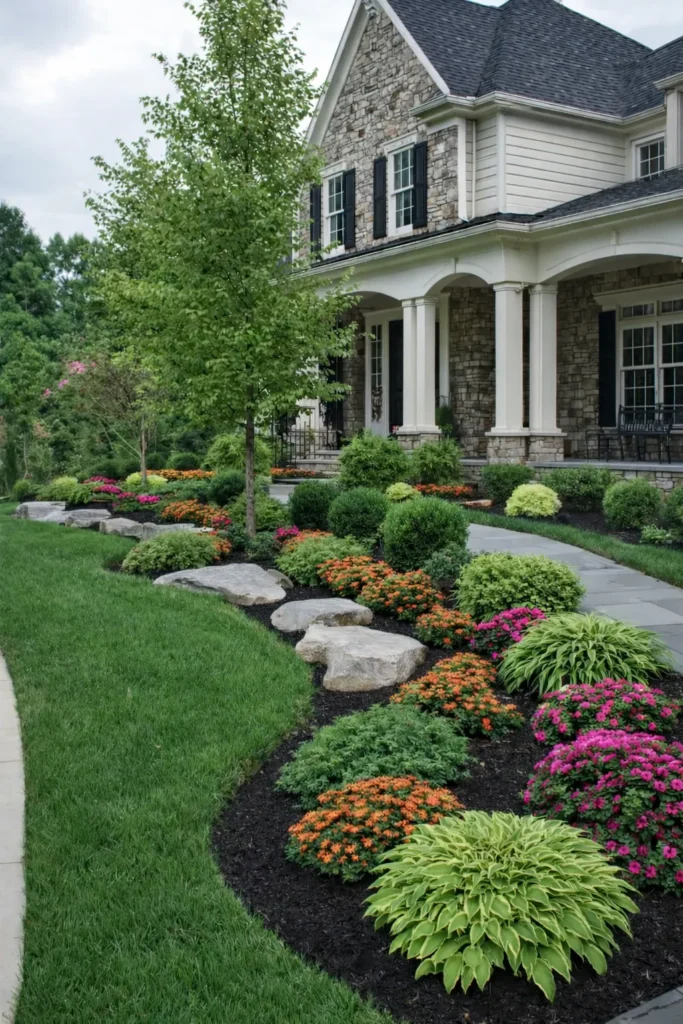
So I’d rather see five repeat plants than fifteen different ones. Repetition looks calm. More importantly, repetition looks intentional. It also saves money, because buying flats or several of one shrub often costs less. Plus, you stop chasing every cute thing near the checkout line.
The same rule works with color. Pick one lane and stay in it. Maybe you want soft green, white, and purple. Or you may like hot pink and lime. Both can work. Still, mixing every pretty bloom usually makes a yard look smaller and busier.
Here’s the sneaky part. Cheap landscaping often looks cheap because it skips structure. Flowers come and go. Shape stays. A simple border, one strong tree, and repeated mounding shrubs can carry the whole scene. That’s why some yards still look good in the off season. They never relied on panic buying.
I tend to notice women spend too much on little filler plants. Meanwhile, the real stars usually cost less than expected. Start with one dwarf tree. Add a grounded color palette. Finish with one clean edge. Suddenly the house looks dressed, and nobody needed a trust fund.
Start With Shape Before You Buy A Single Plant
Most budget mistakes happen before the first hole gets dug. People shop for plants first and shape second. I get the temptation. Garden centers are basically retail traps with begonias.
But the yard does not care how excited we got near the hydrangeas. It wants a plan. Even a loose one helps. When I say structure, I mean the bones that make the whole space read clearly from the street.
Before I buy anything, I like to lock down these basics:
- Bed lines that look smooth, not wiggly or accidental
- One main focal point near the porch, walkway, or center view
- Repeated plant shapes, like mounds, spikes, or low drifts
- A clear mulch choice, not three colors fighting each other
- Room for growth, because tiny plants do not stay tiny forever
That list sounds plain, but plain wins here. A curved bed that matches the house style does more work than another cart full of annuals. So does a wider planting bed. Skinny little strips beside the foundation almost always look stingy.
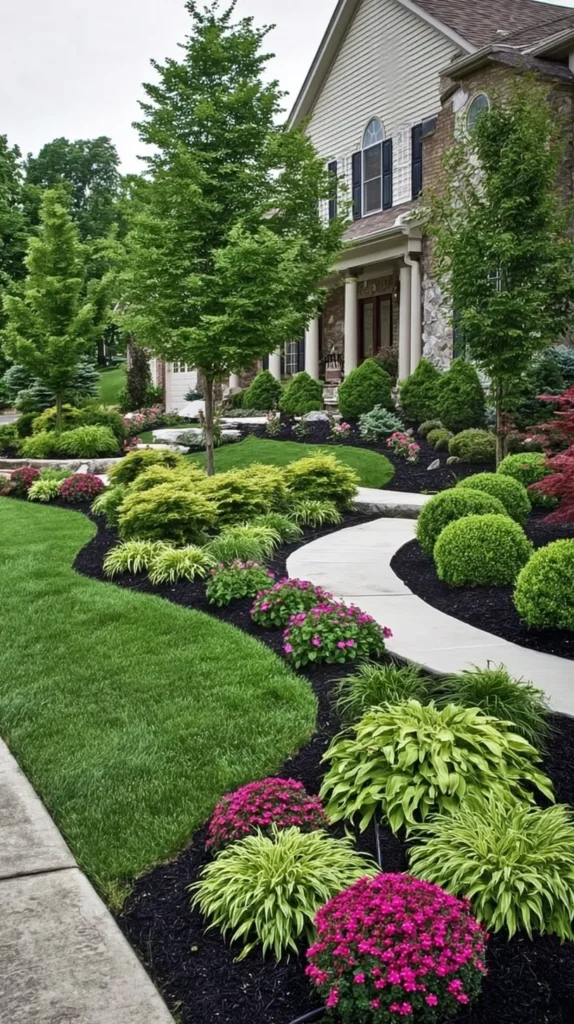
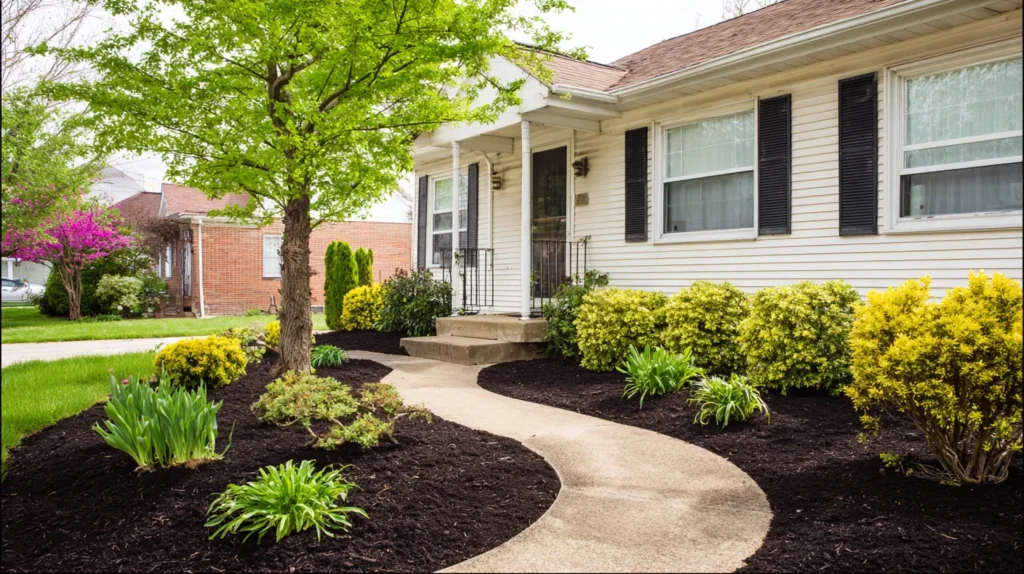
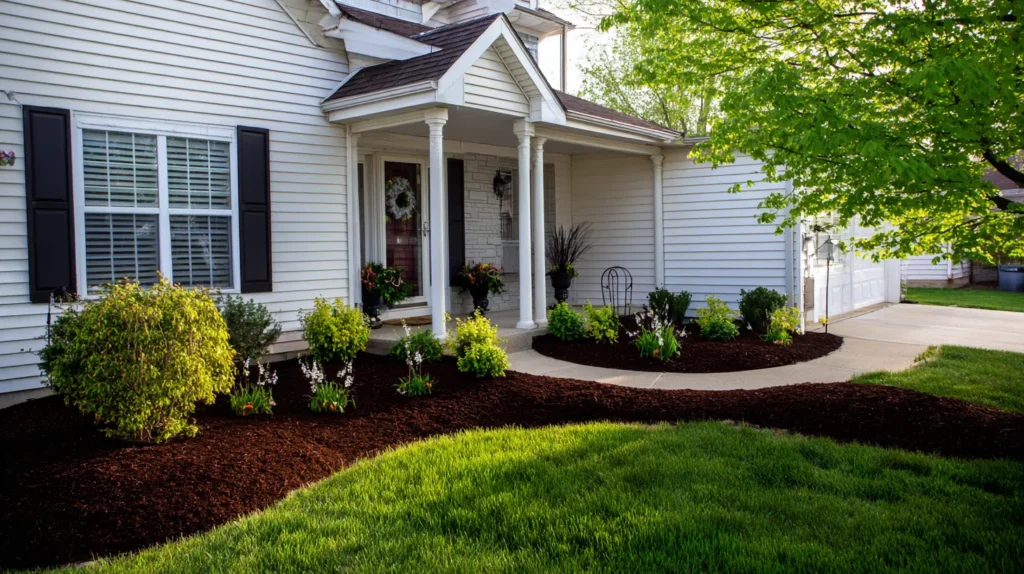
Now for my slightly dramatic opinion. Front yard landscaping improves faster when you buy fewer plants and better mulch. Fresh dark mulch or pine straw makes everything look sharper in one afternoon. That’s not glamorous. It is wildly effective.
I’d also map out where the eye lands first. Usually it hits the front door, the walkway, or one corner that looks too empty. Start there. Build out later. Otherwise, money disappears into random gaps, and the yard never quite pulls together.
The fun part comes after this. After that, plant choices get easier once the frame stops wobbling.
Front Yard Landscaping Trees That Earn Their Spot
A good tree does not just fill space. It changes the whole attitude of a yard. Suddenly the house looks settled. The porch looks cozier. Even the mailbox starts minding its business.
That’s why I get picky here. I get very picky, actually. Not every tree belongs in front yard landscaping, especially on a budget. Huge roots, giant leaf drop, or messy fruit can turn a smart buy into a Saturday chore.
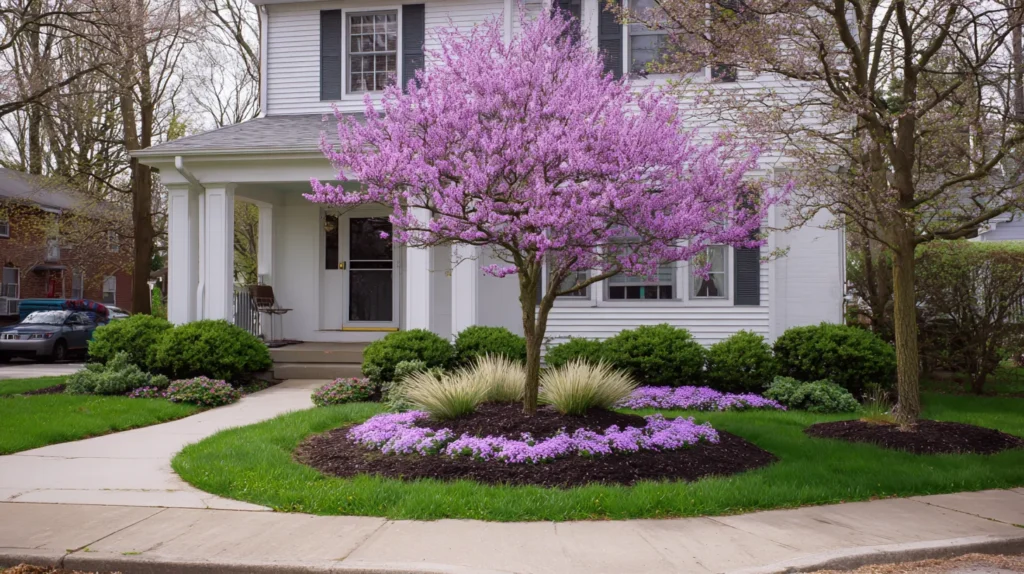
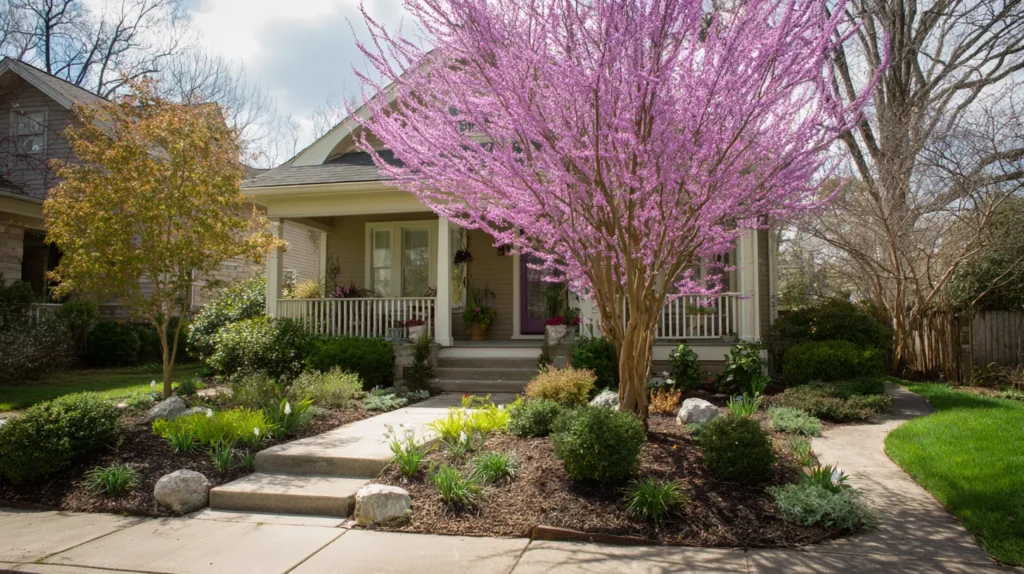
If I wanted dependable beauty without unnecessary drama, I’d start with a few strong choices. For USDA Zones 6 through 10, crape myrtle gives long color and pretty bark. In Zones 4 through 9, eastern redbud brings spring flowers and a softer shape. For Zones 5 through 8, Japanese maple adds that graceful, expensive look people always notice. Meanwhile, serviceberry works beautifully in Zones 4 through 9 and gives flowers, berries, and solid fall color.
Warm climates get extra options. In Zones 7 through 10, a Little Gem magnolia stays more manageable than the giant old-school kind. For Zones 8 through 10, olive trees can look clean and modern, especially near simple homes. Desert willow works in Zones 7 through 11 and brings a lighter, airy look.
Here’s the reframe nobody mentions enough. Bigger is not better. A smaller ornamental tree often gives more charm than one oversized shade tree crammed near the foundation. So I’d rather plant one redbud perfectly than wrestle with a monster later.
Also, watch the mature width. Garden tags love optimism. Your walkway does not. Give the tree room now, and it will save you money, pruning, and regret later.
Front Yard Landscaping Ground Covers That Save Money
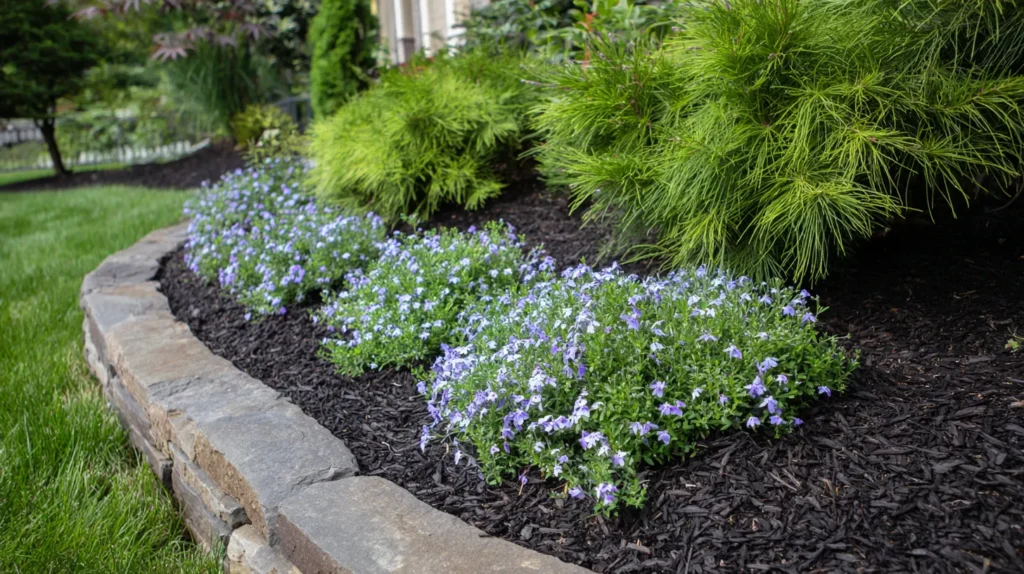
Ground covers do something annuals rarely manage. Good ones spread. They soften hard edges. Plus, they fill awkward gaps before weeds throw a party. For budget front yard landscaping, that matters a lot.
I think ground covers get overlooked because they sound boring. That is unfair. A good ground cover makes the whole yard look fuller and calmer. It also keeps mulch costs from getting silly.
Here are some budget-friendly favorites worth checking for your zone:
- Creeping phlox for Zones 3 through 9, especially if you want spring color
- Ajuga for Zones 3 through 9, when you need a low, colorful carpet
- Mondo grass for Zones 6 through 11, if you like neat, dark green edging
- Blue star juniper for Zones 4 through 9, for a tidy, evergreen spread
- Asian jasmine for Zones 8 through 10, where warm weather lets it fill in fast
- Creeping thyme for Zones 4 through 9, if you love a softer cottage look
- Liriope for Zones 5 through 10, because it handles heat and looks clean
Now, I would not toss every one of these into the same yard. That would turn into a plant audition nobody asked for. Pick one or two. Repeat them. Let them connect beds or soften a walkway edge.
This is also where people waste money on bark nuggets and tiny filler flowers. Ground covers do the long job better. They may not give instant fireworks, but they create that settled, established look much faster.
One quick caution matters here. Check local invasiveness before planting anything that spreads aggressively. Fast growth sounds amazing until it starts creeping where you never invited it. Cheap should still be smart. Otherwise, the bargain bites back.

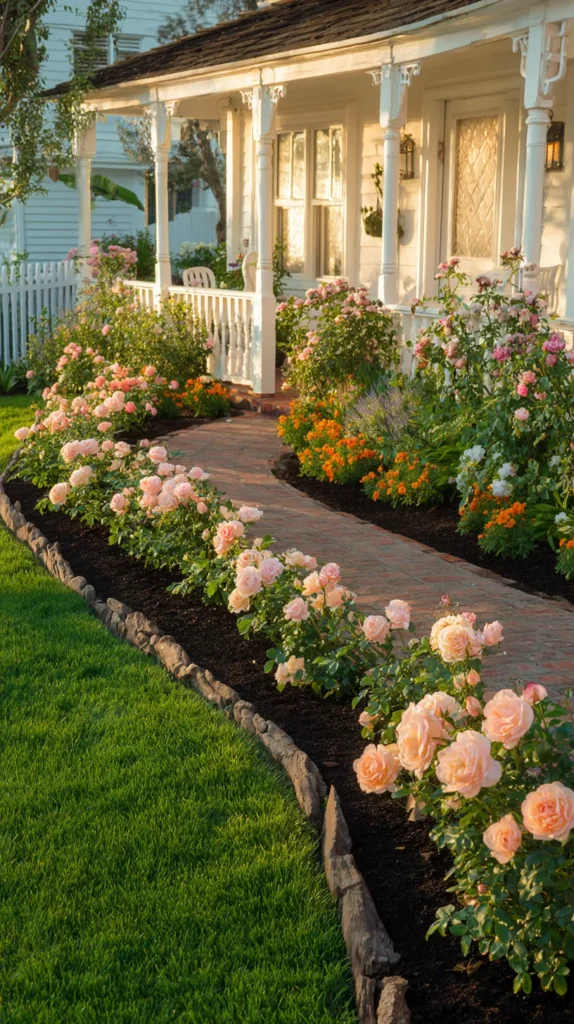
Best Budget Plants By Zone So You Stop Guessing
I think plant failure gets blamed on people way too often. Sometimes the problem is not your watering. Other times, the plant tag told a very hopeful story.
So I always come back to zones first. They are not everything, but they save money. When your front yard landscaping matches your USDA zone, you stop rebuying the same sad lesson every spring.
If I wanted dependable, budget-friendly options, I’d start here:
- Zones 3 to 5: creeping phlox, hosta, boxwood, spirea, and dwarf Korean lilac
- Zones 5 to 7: black-eyed Susan, catmint, hydrangea paniculata, inkberry holly, and dwarf fothergilla
- Zones 7 to 9: loropetalum, sunshine ligustrum, daylily, dwarf yaupon holly, and abelia
- Zones 8 to 10: coontie, pentas, society garlic, firecracker plant, and Indian hawthorn
- Zones 9 to 11: croton, dune sunflower, blue daze, foxtail fern, and dwarf ixora
That list is not about chasing the fanciest plant table. It is about stacking the odds in your favor. A healthy, zone-right shrub always looks more expensive than a struggling trendy one. Always.
I’d also pay attention to evergreen balance. You need some plants that hold the scene together when blooms quit. That could mean boxwood, yaupon holly, inkberry, or dwarf pittosporum, depending on your climate.
Here’s the part people skip. Texture matters almost as much as flowers. Mix soft leaves, glossy leaves, and upright shapes. That contrast makes a cheaper plant palette look curated. Suddenly the yard looks thoughtful, not rushed. That is where front yard landscaping starts looking polished instead of accidental.
And yes, that difference shows from the street. Which is where all these decisions start paying rent.
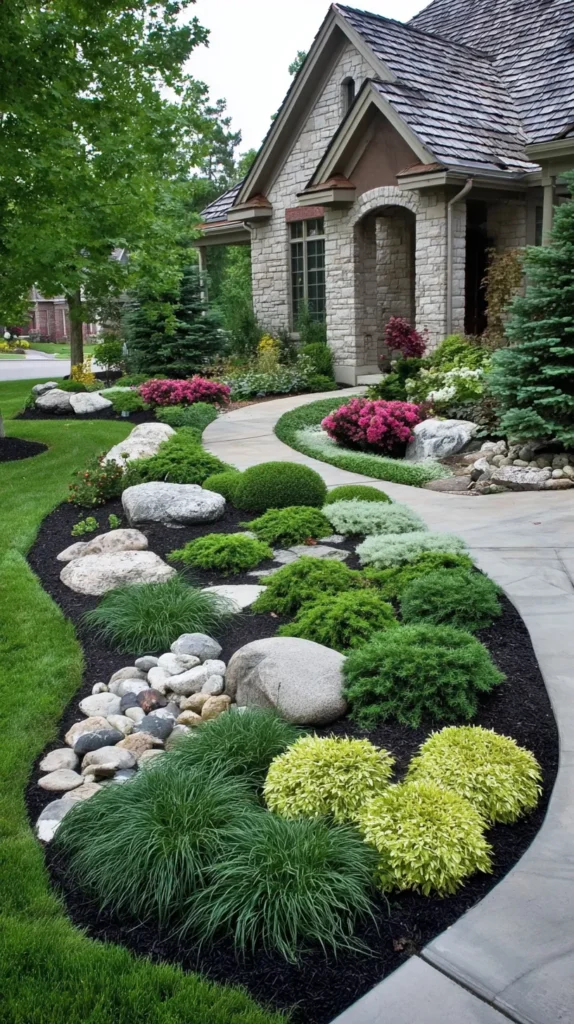
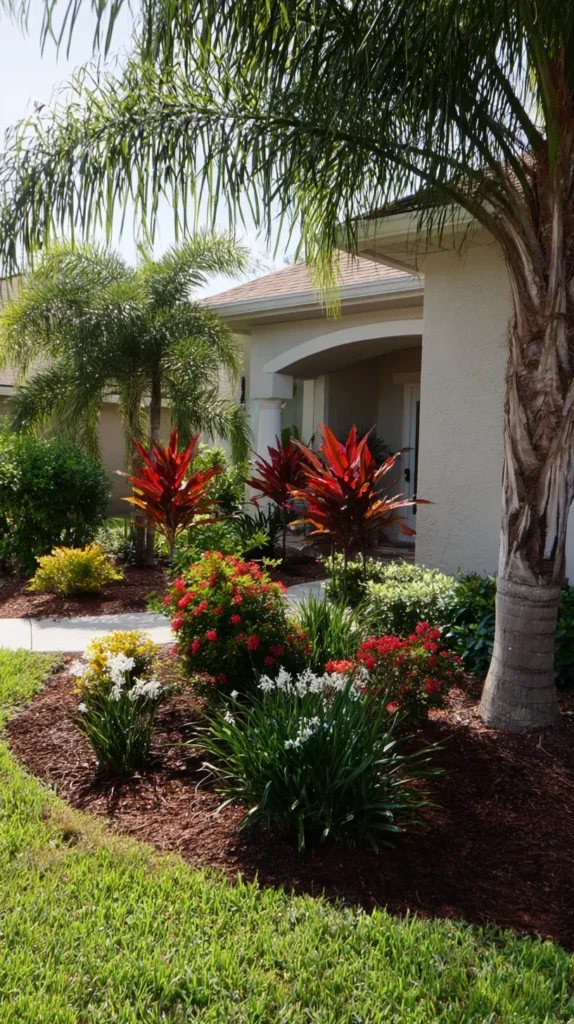
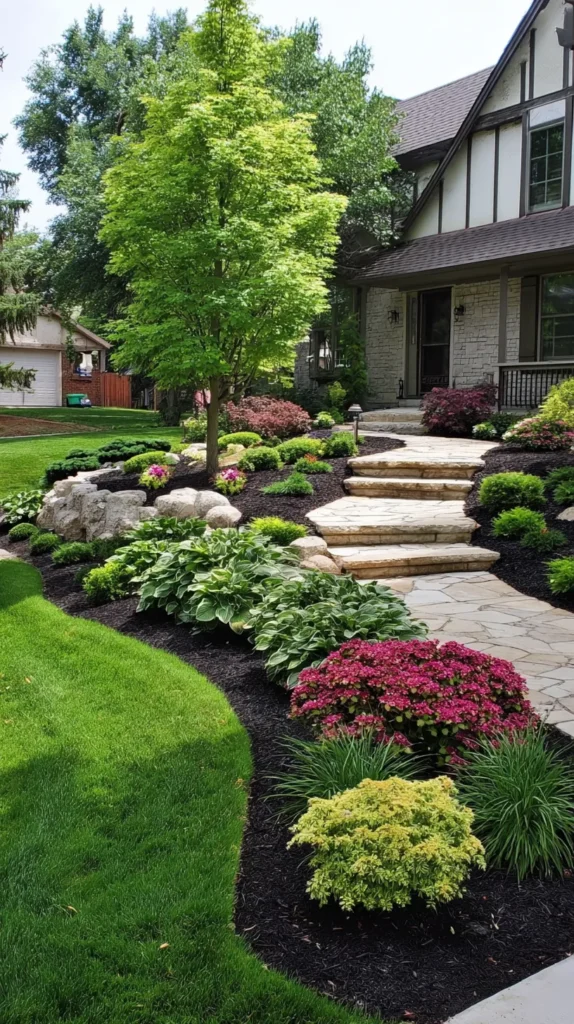
The Fastest Ways To Stop Wasting Yard Money
I’ve found that bad front yard landscaping spending usually looks innocent at first. A sale table. Then a cute pot. Maybe a random flowering shrub with a bright tag. Then suddenly the receipt gets long, and the yard still looks unfinished.
That is the annoying part. Most waste does not come from one huge mistake. It comes from lots of tiny, excited decisions.
Here are the habits I’d drop first:
- Buying one of everything instead of repeating a few winners
- Choosing tiny starter plants for every gap and expecting instant fullness
- Using too many mulch colors, stone colors, or edging styles
- Planting shrubs too close, then replacing them later
- Ignoring mature size because the plant looks “small enough” today
- Spending on seasonal color before fixing the permanent structure
Now for the surprising opinion. Sometimes the cheapest upgrade is removal. Pulling out scraggly, mismatched plants can improve a yard faster than adding new ones. I know that sounds backward. It still works.
I also think edging gets ignored because it sounds boring. Yet crisp edges make even basic mulch look polished. So if the budget feels tight, I’d edge first, mulch second, and shop third. That order saves people from buying plants for a messy frame.
Another assumption deserves a shove. More flowers do not automatically make a yard prettier. Too many blooms can make the house disappear. I’d rather anchor the view with evergreen shrubs, then weave in color where it counts.
Budget landscaping gets stronger when every plant has a job. Some plants give shade. Others add shape, softness, privacy, or color. If a plant does nothing, I question it. Maybe harshly. But the yard usually thanks me later.

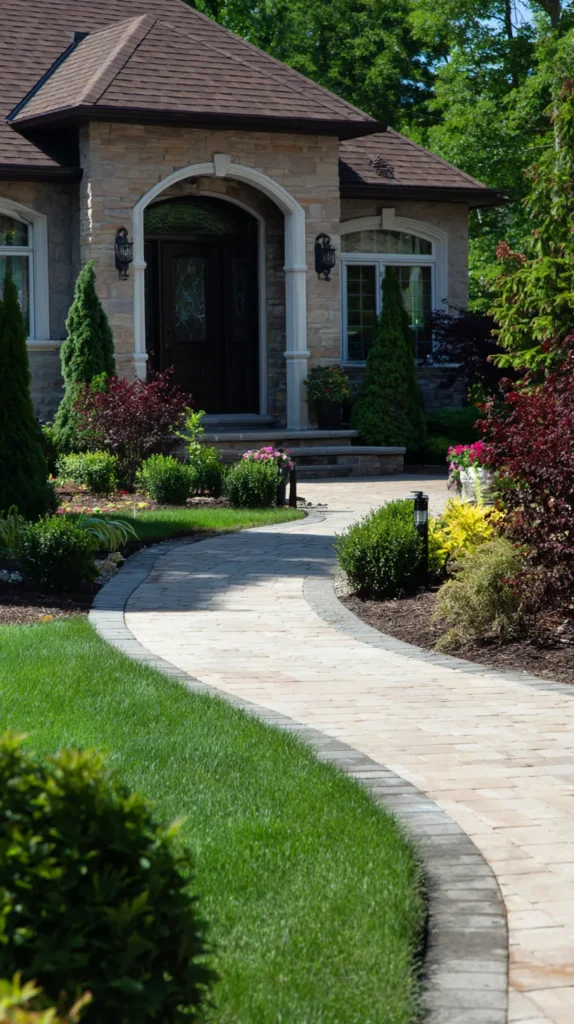
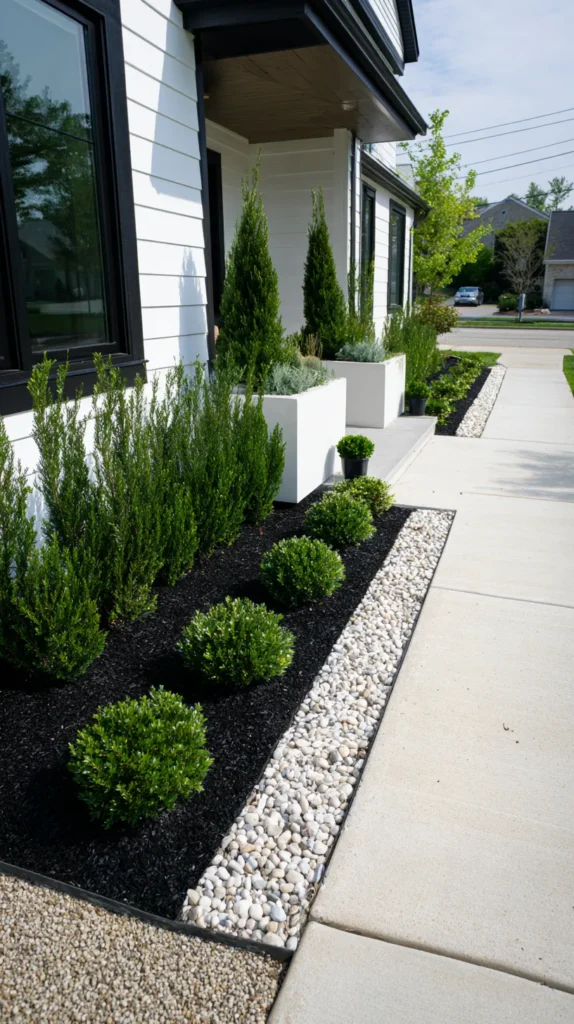
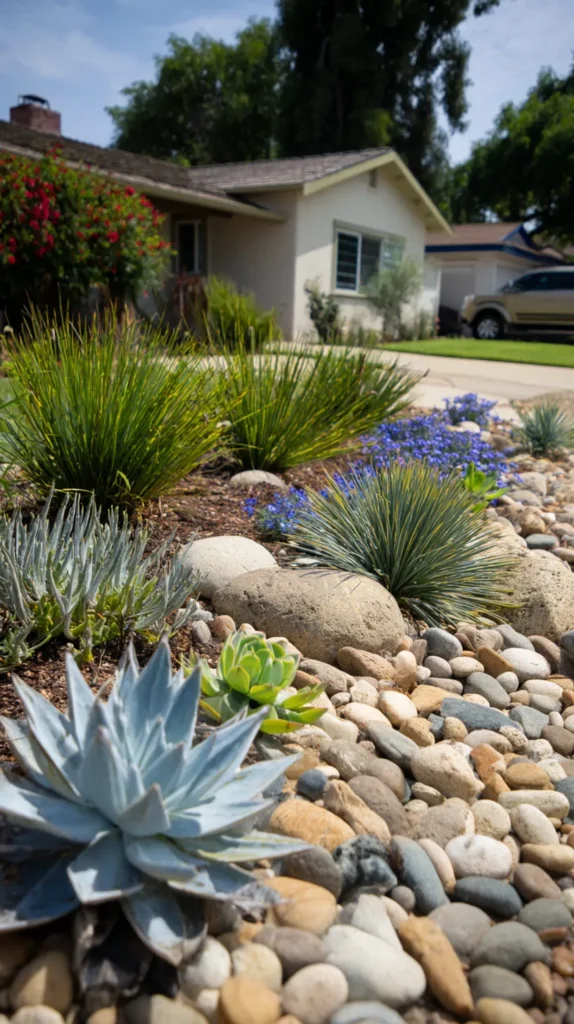
Front Yard Landscaping For Small Spaces That Still Pops
Small yards can look amazing, and I will defend them every time. They cost less to fix. Most of all, they need fewer plants. Better yet, they punish clutter much faster, which keeps everybody honest.
That last part matters. In a big yard, a bad choice can hide for months. Meanwhile, in a small one, it sits right by the walkway and announces itself daily.
So I’d lean into simplicity with more confidence, not less. One narrow tree can do more than a row of fussy shrubs. A pair of matching planters can calm the whole entry. Even one repeated ground cover can widen the space. The eye stops tripping over random changes.
For tight spots, I like plants with strong shape and controlled size. Think dwarf boxwood in Zones 5 through 9 and soft touch holly in Zones 6 through 9. Dwarf nandina works in Zones 6 through 9. Little Lime hydrangea handles Zones 3 through 8. In warm climates, flax lily, coontie, and dwarf schefflera can help. If you want height without bulk, try sky pencil holly. It works in Zones 6 through 9 and gives a clean vertical line.
Here is the twist. Tiny spaces do not need tiny everything. That instinct often backfires. One slightly bolder plant can make a small yard look bigger. So can one stronger planter or one prettier path border. The eye reads confidence as order.
I tend to notice small front yard landscaping looks best when it picks one mood and commits. Modern. cottage. tropical. classic. Choose one. Then repeat shapes and colors until the whole entrance looks deliberate.
That is when a small yard stops apologizing and starts showing off.

Front Yard Questions I Hear All The Time
What is the cheapest way to improve a front yard fast? I’d clean the bed lines, add fresh mulch, and remove anything scraggly first. Those three moves usually make a bigger impact than buying new flowers.
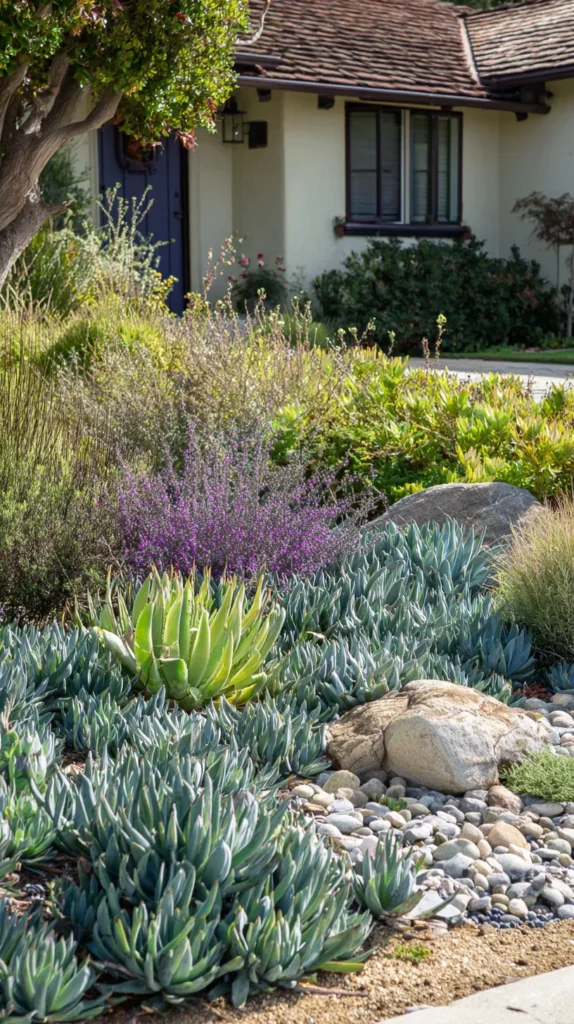
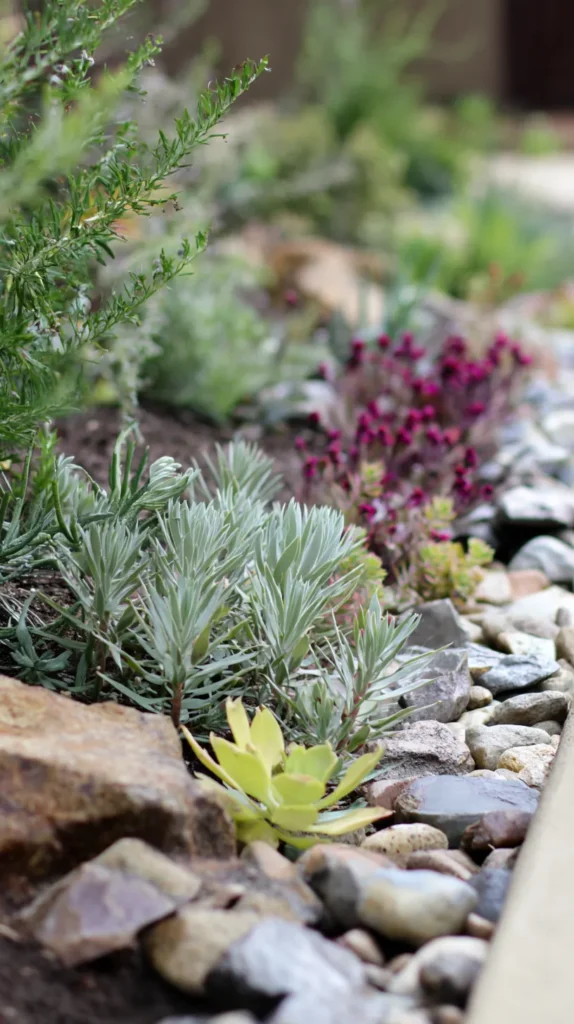
Should I use rocks or mulch? I usually prefer mulch for a softer, friendlier look. Rocks can work, especially in dry climates, but they often look harsh near traditional homes.
How many plant types should I use? Fewer than you think. I’d rather repeat three or four strong plants than crowd in ten random ones that never look connected.
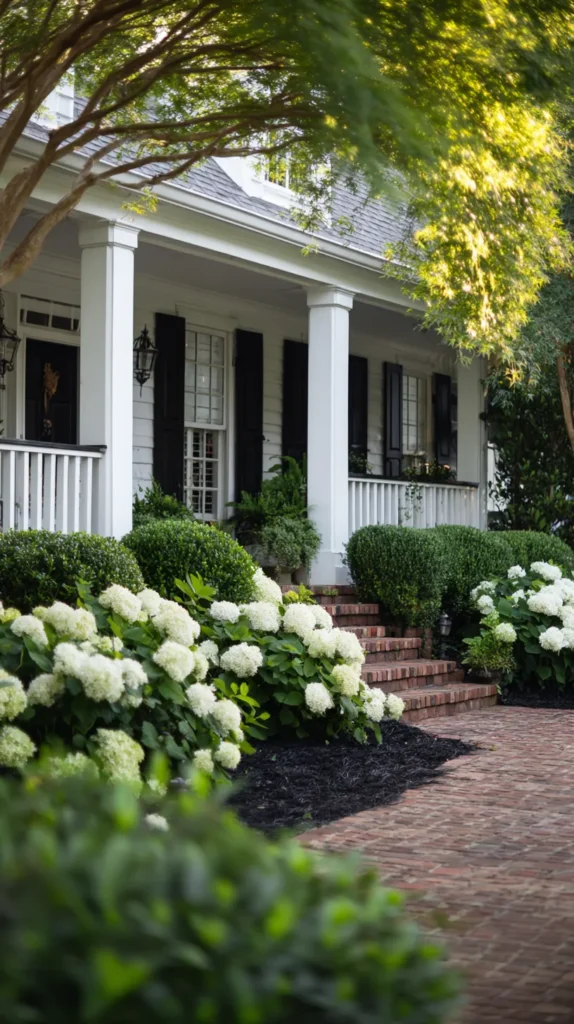
What trees work best near a front porch? Smaller ornamental trees usually win. Japanese maple, redbud, crape myrtle, serviceberry, or Little Gem magnolia make more sense here.
What ground cover is easiest for beginners? Liriope and mondo grass are easy starting points. Creeping phlox and blue star juniper also work well.
Do I need flowers for the yard to look pretty? Not really, and this surprises people. Structure, evergreen shrubs, shape, and clean edges carry more visual weight than people expect.
How do I keep it budget-friendly long term? I’d buy fewer plants and give them room. Then I’d choose zone-right options from the start.
Does good landscaping help resale value? Usually, yes. The front yard sets the mood before anyone steps inside, and buyers notice that quickly.
What makes a yard look professionally done? Repetition, spacing, and restraint. That sounds less fun than impulse shopping, but the result looks calmer, cleaner, and much more expensive.

The Yard Glow-Up I’d Actually Choose
I’ve found that the best yards are not the ones trying hardest. They are the ones that know exactly what they want to say. That sounds dramatic for shrubs, but I stand by it.
A good front yard landscaping plan does not need to scream money. It just needs to look settled, considered, and a little bit loved. That is a very different goal. It is also much cheaper.
Living in Orlando keeps that idea right in front of me. I see lush, bright, sun-happy yards all the time. Still, the ones I remember most are never the busiest ones. They usually have one pretty tree, a smart rhythm, and enough restraint to let the house breathe.
That is probably why I like this topic so much. It is not really about plants. For me, it is about editing. Sometimes, it is about knowing when to stop. More often, it means trusting a few solid choices. A cart full of nervous extras cannot do that.
Also, I know how easy it is to get pulled into Pinterest-perfect yard photos. They look adorable. Yet they skip the budget part, the maintenance part, and the “where do I even start” part. Real life needs a little more common sense and a little less performance.
So if I were fixing the front of a house tomorrow, I would not chase a giant makeover. I’d choose one tree, one ground cover, one repeat shrub, and one clean edge. Then I’d let the yard build its charm slowly, which is usually how the prettiest things win anyway.