I’ve learned that future wedding plans can take over your whole brain before you even know it. One moment you’re casually scrolling for color palettes. Then you blink and you’re knee-deep in timelines, budgets, and flower debates you never planned to have. I get it. This happens to so many women, and it can be overwhelming fast. I love that a little structure shifts everything, especially on a tight budget.
I’ve learned that starting early helps you breathe again. Each step lands with far less stress when you know what comes next. That’s why I’m walking through the full process today. It’s a planning guide you can use even if you’re just daydreaming for now. I treat wedding planning like a long road trip. You map it out, pack smart, and enjoy the ride without burning money you meant to save.
I also think about weddings differently because I live in Orlando. Everything here screams big events, but we all know big events don’t have to cost big money. Planning still works best when you combine creativity with order. That balance builds a wedding day that looks amazing and still respects your wallet.
I want this post to work like a friendly handbook. I’m keeping it chatty, honest, and simple because planning already brings enough chaos. You’ll find timelines, checklists, and money-smart shortcuts woven through everything. These steps stretch across the months leading up to the celebration. Each step helps you avoid panic buying, rushed decisions, or last-minute spending. I want you to walk into your wedding season with a steady sense of control. That steady rhythm is a gift in itself, and it helps every choice land smoother.
Let’s talk through the full process so your planning feels guided, calm, and still very pretty.
Some of the links on this page are affiliate links, which means that if you click on them and buy something, I might get a small commission. But don’t worry; it never costs you more. You can peek at my full disclosure if you’re curious about the fine print.
Early Vision Setting And Big Picture Planning
I always start this phase by asking myself what the wedding should convey. The tone guides every part of the process. This stage covers the first three to six months before anything gets booked. I’ve noticed that early planning prevents pricey mistakes later. It also protects your budget from impulse choices that snowball fast.
Right now, you get to sketch the big picture. You choose the style, size, and season. You also decide who helps you and who supports planning tasks. These decisions shape your overall budget. They also help you build a clear path that keeps those future wedding plans from running the show.
I start by defining the non-negotiables. These might be location, time of year, or guest count. Then I like to focus on the mood. I also choose my must-have aesthetic elements since those guide colors and decor later. This saves money because you don’t wander into random choices.
Here’s what belongs in this phase:
• Set your total budget and assign spending caps.
• Create a rough guest list.
• Decide on your ideal wedding style.
• Pick a season and general timeline.
• Discuss roles with your partner.
• Outline your planning responsibilities.
• Research local venues and compare prices.
Next, I check how much planning margin I have. You want enough time to adjust plans without panic. Starting early also helps you catch venue deals or weekday discounts. Those can stretch your dollars far.
I’ve also learned that early clarity protects your sanity. Even small steps help you avoid stress later. Future wedding plans turn manageable when you anchor your decisions early. This is also the stage where you decide which tasks deserve professional help and which ones fit your DIY skills. I always remind myself that balance keeps the process fun. It keeps the day true to my vision while staying aligned with the budget.
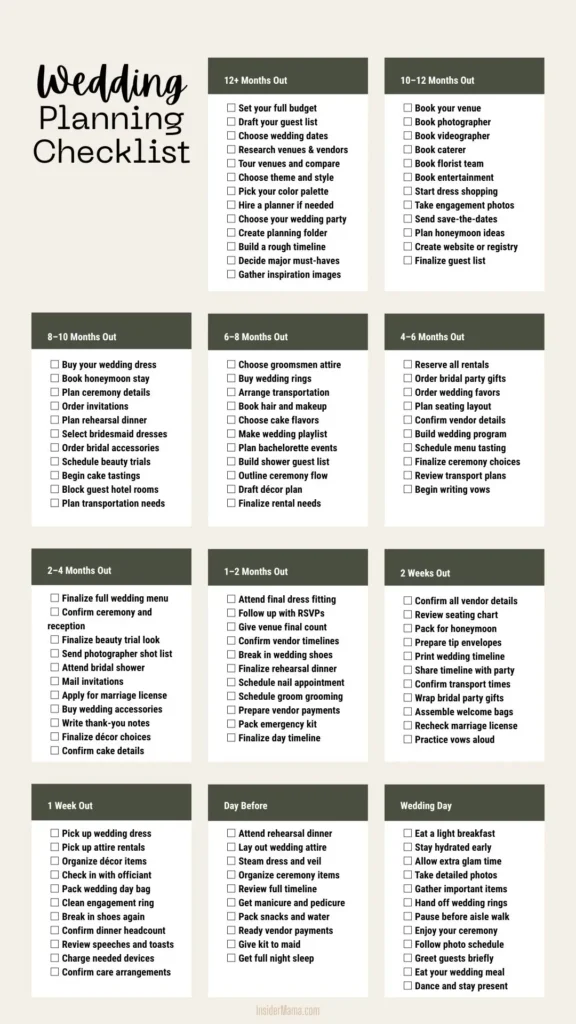
Creating a Realistic Future Month-by-Month Wedding Planning Timeline
This is the part where planning becomes action. I always divide wedding prep into month-by-month blocks. This keeps everything in manageable pieces. It also prevents that dreaded last-minute rush. I’ve noticed that the timeline becomes the backbone of the whole experience. It shows you where to place your energy and when to pause.
Let’s break down the timeline structure. It runs best when you assign tasks early, middle, and late. I arrange items based on how long they require. This also saves money. When you avoid rush orders, you avoid rush fees. That alone helps your budget breathe.
Your timeline may look something like this:
Ten to twelve months out:
• Book the venue.
• Secure your ceremony site.
• Choose your wedding theme.
• Settle your color palette.
• Start dress research.
Eight to ten months out:
• Book catering.
• Choose photography and videography.
• Order your dress or start fittings.
• Reserve rentals if needed.
Six to eight months out:
• Order bridesmaid dresses.
• Plan invitations.
• Start decor planning.
• Research DJs or live musicians.
Four to six months out:
• Finalize decor.
• Confirm meal plans.
• Schedule hair and makeup trials.
• Order accessories.
Two to four months out:
• Send invitations.
• Confirm guest headcount estimates.
• Finalize ceremony order.
• Meet vendors for final checks.
Last month:
• Pay remaining balances.
• Create seating charts.
• Prepare emergency kits.
• Pack wedding day essentials.
I write each task down and track it weekly. This single habit saves money because you catch issues early. It also gives you room to change vendors if something feels off. You also avoid extra spending caused by deadlines sneaking up.
The timeline also guides your energy. Planning becomes a rhythm, not a sprint. With each month clearly mapped, you stay grounded. It becomes easier to enjoy the process instead of drowning in constant decisions. Timelines transform future wedding plans into clear steps that land with far less pressure. This approach also supports your budget because everything stays smart, paced, and intentional.
The Midpoint Reset That Keeps Your Timeline On Track
I like adding a midpoint reset to the planning process because it gives your wedding timeline a moment to breathe. This reset happens right in the middle of your planning window, long before last-minute pressure shows up. You pause, assess what’s done, and check what needs attention before anything slips. One short reset prevents dozens of future headaches and reduces panic spending that often pops up near the end.
I treat this reset like a checkpoint rather than a chore. You revisit your timeline and match it against what’s actually completed. You also look at anything stalled and decide whether to adjust the plan, delegate a step, or cut something that no longer fits. Small realignments now save weeks of stress later. They also help your budget because rushed decisions are rarely the most affordable ones.
A midpoint reset works best when you schedule it like an appointment. You pick a date, sit down with your timeline, and walk through each category. You’re not reimagining the wedding. You’re making sure the plan still reflects your goals. This moment helps you prevent bottlenecks before they grow into bigger problems. The clarity you get from this single pause supports every remaining step in the process.
I’ve noticed that couples who integrate a midpoint reset feel more grounded as the wedding gets closer. They know what’s ahead. They know what’s finished. And they know where the gaps are. It becomes easier to keep future wedding plans organized because this reset strengthens the entire structure of the timeline. This simple idea often becomes the reason the final months run smoother instead of chaotic.
Budget Decisions That Keep Style High And Stress Low
I’ve found that budgeting for weddings becomes easier when you treat it like a puzzle. Each piece should connect to your top priorities. Many women worry about losing style when money gets tight. Yet thoughtful budgeting usually creates the prettiest results. Creativity grows when you limit overspending.
This stage focuses on trimming costs without trimming beauty. You decide where to save, where to splurge, and where to rethink the whole idea. You also protect yourself from sneaky fees that show up only in the final invoice. I learned that vendors sometimes offer flexible packages when you ask directly.
Here are smart budgeting steps:
• Prioritize the top three elements.
• Cut extras that don’t support your vision.
• Compare vendors across platforms and dates.
• Ask about weekday discounts.
• Request sample photos and videos before booking.
• Review every contract line.
Next, think about swaps that save money without lowering style. You might choose greenery over imported blooms. You might try mixed-seating layouts instead of perfect uniform arrangements. Or you might repurpose ceremony flowers for the reception space. Each choice saves money in small, meaningful ways.
You can also explore DIY options, but choose those wisely. I skip anything that requires last-minute assembly. I only pick tasks I enjoy so nothing adds stress. This keeps planning smoother and budget-friendly. Many brides craft table numbers, signage, or favors early in the process. Starting early prevents those future wedding plans from turning chaotic right before the event.
Here are budget insights that help:
• Reuse decor from one part of the day.
• Choose local flowers instead of seasonal imports.
• Compare dress options during seasonal sales.
• Choose simple tiers for cakes.
• Limit specialty rentals to a few statement pieces.
These steps protect your wallet while keeping your style intact. That balance matters. It shapes a celebration that looks high-end without spending high-end money. You walk into the day knowing every cost supported the vision you built with intention.
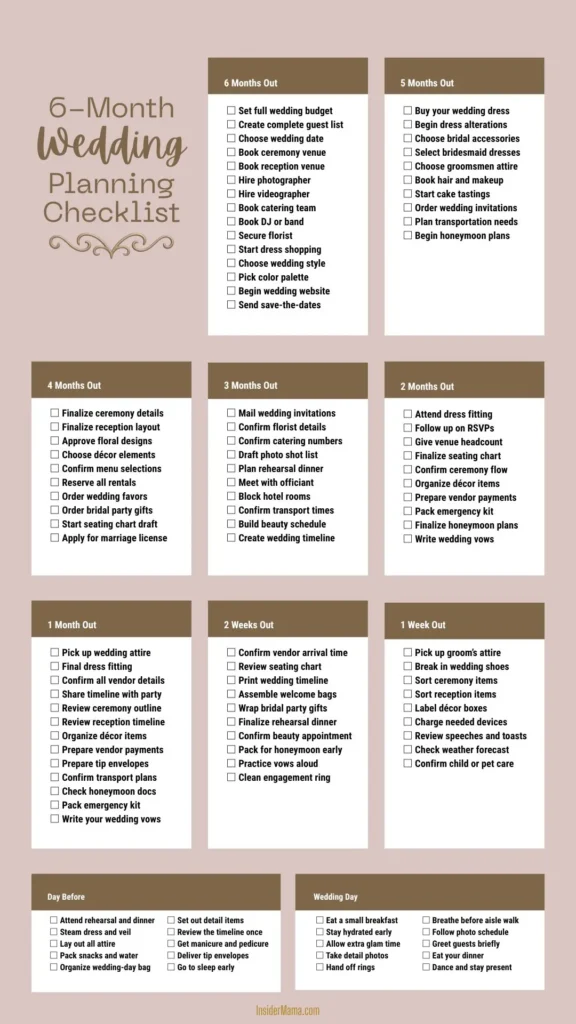
Checklist Essentials For Each Wedding Phase
Checklists are my little oasis in the chaos of planning. They keep everything organized and easy to track. This phase translates the timeline into clear tasks you can check off as you go. When planning moves fast, the list keeps you steady. Future wedding plans feel less intimidating when you see everything broken into practical pieces.
Here’s what belongs in each checklist category.
Early stage checklist:
• Choose your wedding vision.
• Set your budget.
• Draft a guest list.
• Research venues.
• Pick a date.
• Assign planning roles.
Vendor checklist:
• Select your photographer.
• Book catering.
• Reserve rentals.
• Choose your officiant.
• Pick entertainment.
• Plan transportation.
Dress and style checklist:
• Find your dress.
• Choose accessories.
• Select bridesmaid outfits.
• Plan groom and groomsmen attire.
• Schedule fittings.
Decor checklist:
• Confirm color palette.
• Choose ceremony decor.
• Arrange reception seating.
• Plan centerpieces.
• Select lighting options.
Paper goods checklist:
• Order invitations.
• Create RSVP tracking.
• Plan menus.
• Design signage.
• Prepare thank-you cards.
Final month checklist:
• Confirm arrival times.
• Send final counts.
• Pack wedding essentials.
• Organize payments.
• Prepare your day-of bag.
I like checklists because they remove emotional clutter. You see what must happen next. Each small step builds momentum. The process feels controlled, tidy, and peaceful.
This structure also protects your budget because it prevents double booking, last-minute changes, and forgotten details. You save money simply by staying ahead of your tasks. Consistency matters. Every box you check supports a smoother experience. With each step handled, your confidence grows.
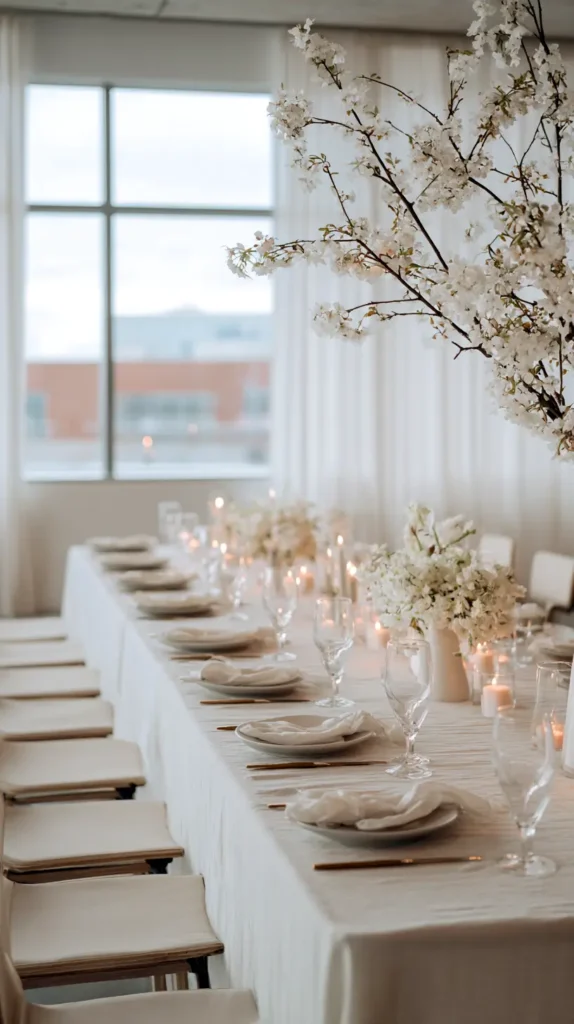
Smart Wedding Style Plans for the Future on a Budget
This stage brings the visual magic to life. Budget-friendly weddings rely on creativity, not compromise. I’ve learned that small styling tricks give the entire day a polished look. With these ideas, you build a celebration that looks curated without overspending.
Here are ideas that make styling affordable:
• Choose candles for soft lighting.
• Use greenery garlands instead of heavy florals.
• Add fabric runners to frame tables.
• Repurpose ceremony arrangements.
• Choose simple white plates with decorative napkins.
Next, consider rentals. Many brides assume they need specialty pieces for every table. Yet renting a few accent items creates a complete look. You only need key pieces in the right places.
I enjoy mixing textures to create warmth. Linen, wood, and soft florals make any space inviting. You can also create style moments through signage, seating charts, or photo areas.
These style choices help you stay money-smart while crafting a beautiful wedding. The goal is balance, not excess. You build something lovely and intentional without pushing the budget beyond comfort.
Pulling Everything Together In The Final Countdown
The last stretch matters because it sets the pace for the big day. Organization keeps your mind calm. You prepare your documents, confirm arrival times, and finalize every detail. These steps act like your landing strip. They guide you safely into the wedding without chaos.
I like to break this part into weekly sections. It keeps everything tidy. You focus on small chunks instead of the whole list.
Final weeks checklist:
• Confirm vendors.
• Prepare ceremony scripts.
• Check dress fittings.
• Organize decor boxes.
• Review music selections.
Last few days checklist:
• Pack accessories.
• Print timelines.
• Confirm transportation.
• Check emergency kits.
• Organize vendor payments.
I also talk through each detail with my partner because shared clarity makes everything easier. This avoids missed information and supports the whole experience. Clear plans also help vendors work smoothly. Everyone stays on the same page.
This final countdown also protects your budget. You avoid rush fees, missing items, or extra purchases caused by last-minute confusion. Everything gets checked early. You walk into your wedding day with calm energy and steady order.
These final tasks are simple but essential. They tie your future wedding plans together in a way that feels grounded and confident. This phase is less about decorating and more about preparation. You prepare the path so the day unfolds with ease and joy.
Extras Brides Often Forget
• Booking a rehearsal dinner venue early enough to get your preferred spot.
• Creating a simple wedding website that keeps guests from texting you nonstop.
• Setting aside hotel room blocks so out-of-town guests have an easy stay.
• Ordering welcome bags for the guests who arrive before the big day.
• Sending your photographer a short shot list so nothing important gets missed.
• Applying for the marriage license far enough in advance to avoid a last-minute scramble.
• Picking up small gifts for the bridal party before schedules get too tight.
• Scheduling haircuts or color appointments early instead of squeezing them in at the end.
• Adding a clear plan for packing vendor tips so you’re not sorting cash envelopes during the reception.
• Double-checking honeymoon documents so the airport isn’t the place you discover an issue.
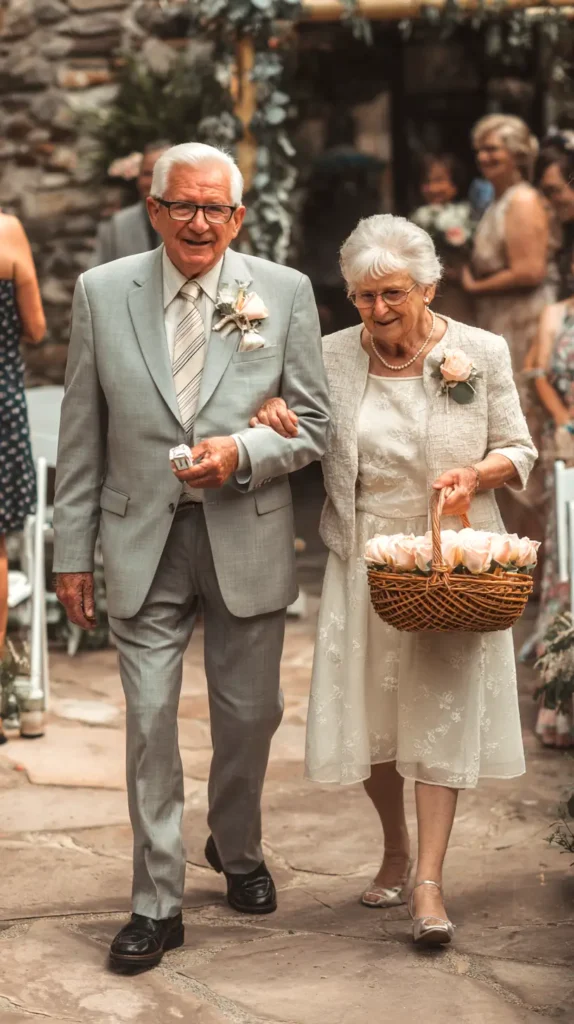
Celebrating Love With Grandparent Aisle Roles
I adore the way modern weddings make room for personality, and giving grandparents starring roles might be one of the most charming ideas ever to land on a planning timeline. Asking the bride’s grandpa to serve as the ring bearer and inviting grandma to step in as the flower girl brings a kind of joy that no traditional outline can match. It turns the ceremony into a moment overflowing with heart, humor, and history. I’ve noticed that guests lean in a little closer when they see elders taking on these roles because it shifts the entire atmosphere into something warmer and more meaningful.
This idea works beautifully for couples who want their wedding to honor family in a way that feels genuine instead of staged. Grandpa approaches the aisle with steady pride, usually holding the rings like they’re priceless treasures. Grandma follows with her petals, adding a sprinkle of sweetness that makes every camera rise at once. These moments often outshine the grandest décor because they tap into something deeper than aesthetics. They show how family stories create the foundation for every new beginning.
I also love the practicality behind it. These roles give grandparents a special place in the celebration without creating physical strain or complicated responsibilities. They simply walk, smile, and enjoy the applause. The entire room softens as they move down the aisle because it’s impossible not to smile when generations meet in the middle of such a happy moment.
Choosing this option also keeps tradition playful rather than rigid. It’s a reminder that weddings can evolve with the people who make them matter. When grandparents take center stage, the ceremony becomes more than an event. It becomes a memory that stays with everyone long after the last petal falls.

Creating a Signature Cocktail With Your Fur Baby’s Face
One of my favorite trends in modern weddings is the rise of signature cocktails inspired by the couple’s pets. It’s playful, personal, and guaranteed to spark conversation the second guests spot those adorable stirrers. I love how a simple drink turns into a full moment when you add a custom pet-face topper. It tells everyone exactly who runs the household and brings your fur baby into the celebration without sending them into a room full of strangers and stilettos.
This idea works beautifully whether you’re cocktail people or not. You start by choosing a drink that feels like “your pet” in spirit. Maybe your dog is sweet and mellow, so a refreshing margarita fits. Maybe your cat is a little dramatic, so a rich berry spritz makes sense. Naming the drink is half the fun because it opens the door for personality. Guests love asking about the story behind it, and suddenly the cocktail becomes a conversation anchor instead of just something on the bar menu.
Next comes the custom stirrer with your pet’s face, which is the true highlight. These little toppers add charm that photographs perfectly and pulls your theme together. You send a clear, bright picture to a maker, and they turn it into a miniature portrait that pops right out of every glass. It’s the kind of detail that feels extra without costing a fortune, and it creates a moment people remember long after the drink itself disappears.
Couples often think personalization has to be expensive, but this idea proves otherwise. A single signature drink with a cute stirrer adds character without adding clutter. It’s thoughtful, funny, and undeniably yours. And honestly, the joy on guests’ faces when they spot a tiny pet head floating above the ice makes the whole thing worth it.
Last Thoughts on Plans for the Future Wedding
Planning a wedding works best when you treat the process with equal parts structure and heart. I’ve learned that future wedding plans stay manageable when you break them into steps. You don’t need endless money to create a beautiful celebration. You only need clarity, intention, and a little creativity. Each decision becomes lighter when you understand where it fits in the bigger picture.
I always think about wedding planning the same way I think about hosting any big moment. You set the tone early and let the details stack in a steady rhythm. That rhythm keeps stress low as you move closer to the celebration. I find that budgets stretch much further when you follow a structured path instead of hoping everything falls into place.
Living in Orlando reminds me that big events can be fun without being over the top. This city has taught me that style doesn’t need to cost a fortune. Smart planning always wins over flashy choices. It keeps the day true to you and still gives you space to enjoy every part of the season.
I hope these steps give you a sense of direction, not pressure. You deserve a wedding that matches your vision and respects your budget. Structure creates room for joy. It lets you enjoy the planning season instead of rushing through it. Pinterest becomes even more fun when you already know how each idea fits into your timeline.
I want you to step into this journey with confidence. You can build something meaningful, beautiful, and affordable. You can create a celebration that reflects your story with intention guiding every step. When your planning sits on a strong foundation, the rest becomes a happy adventure.