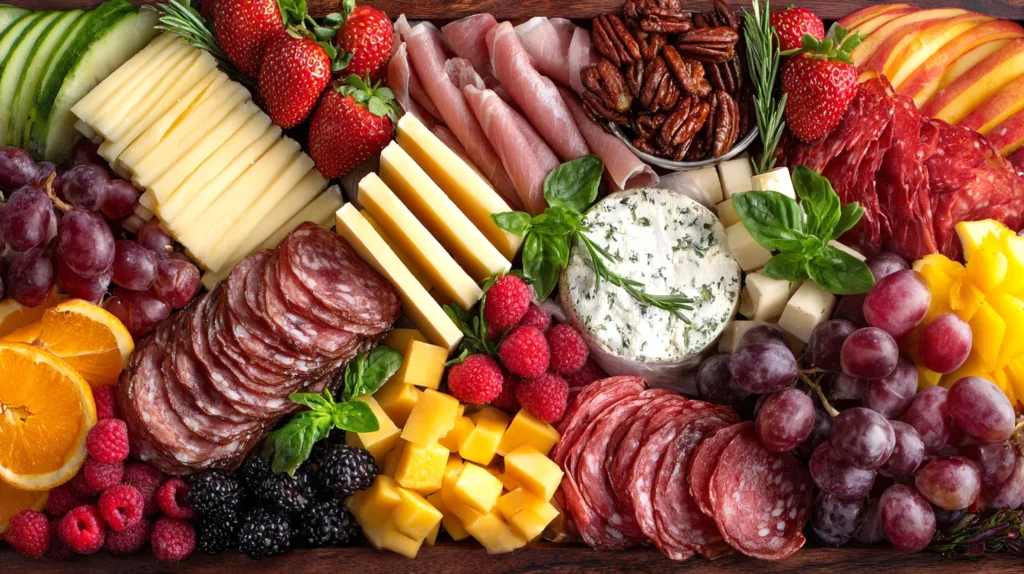
I have a deep appreciation for grazing boards, and I don’t hide it. They look relaxed, stylish, and quietly confident, which I admire. I’ve found they remove pressure from hosting without removing polish. Instead of performing dinner, you’re offering choice. That shift alone changes the mood immediately.
People behave differently around a board, which always amuses me. They wander, snack, and circle back without thinking twice. I tend to notice conversations last longer when nobody waits for a main moment. Someone grabs a cracker, someone laughs, someone goes back for cheese. It feels casual in the best way. (Low effort, high reward.)
Grazing boards also solve a budget problem without announcing it. They stretch ingredients naturally and discourage overloading plates. Because bites stay small, food lasts longer. That’s helpful when hosting feels expensive already. I like food that works with me, not against me.
I live in Orlando, where hosting usually means heat, casual plans, and flexible timing. So food that holds up, stays cute, and doesn’t need babysitting earns my loyalty. I also want style without spending on trendy ingredients that photograph well but disappoint later. I tend to notice simple food wins more often.
This post is a preview of how I actually approach boards. You’ll get the full recipe, measurements, steps, and smart swaps. You’ll also get styling tips that don’t require shopping. Nothing precious. Nothing stiff. Just grazing boards that look pulled together and stay money-savvy, which honestly matters.
Some of the links on this page are affiliate links, which means that if you click on them and buy something, I might get a small commission. But don’t worry; it never costs you more. You can peek at my full disclosure if you’re curious about the fine print.
Why Grazing Boards Always Look Expensive Even When They’re Not
Grazing boards understand visual balance better than most dinner tables. A wide spread reads as generous, even when ingredients stay simple. I’ve found spacing does more work than quantity ever could. When food has room to breathe, it looks intentional instead of skimpy. That small pause between items signals confidence. It says, “This was planned,” without saying a word.
Another reason boards look upscale is repetition. Two cheeses feel deliberate and calm. Too many cheeses feel chaotic and oddly stressful. I tend to stick with one firm cheese and one soft option. That pairing covers texture without demanding attention. Everything else quietly supports those choices. Crackers frame the scene. Fruit softens the edges. Nothing fights for the spotlight.
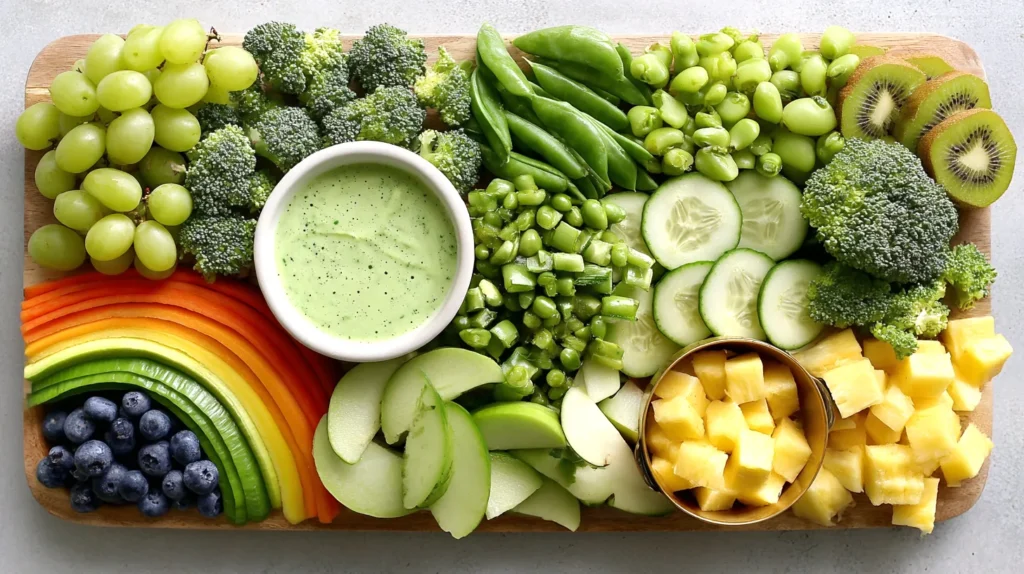
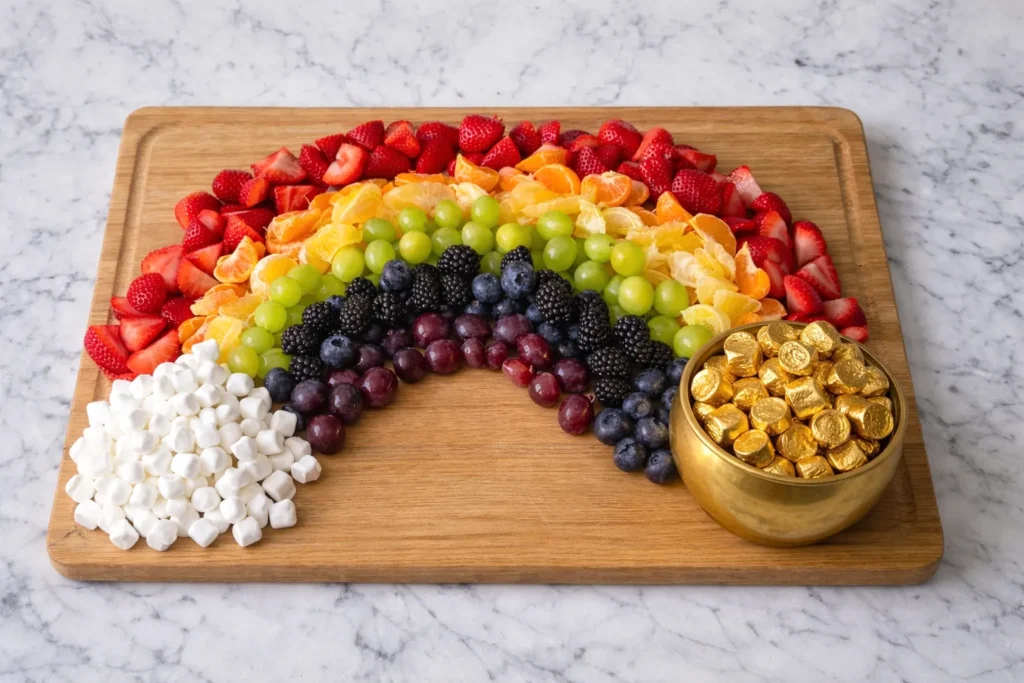
Color also pulls its weight here. Seasonal fruit brightens the board cheaply and reliably. Apples, grapes, and citrus show up strong without draining the budget. Texture matters just as much as color, though. Something creamy next to something crunchy keeps the board interesting. Add something juicy and suddenly it looks styled. (This part always surprises people.)
Pacing plays a role too. Guests take smaller bites from grazing boards without thinking about it. That slower rhythm stretches food naturally. I notice people snack longer and hover happily. Plates stay light. Portions last. That’s helpful when hosting already adds up.
Finally, boards reduce waste in a quiet way. Items stay separate instead of blending together. Leftovers store cleanly and reappear easily the next day. Grazing boards don’t just look polished. They behave smartly, which seals the deal for me.
A Budget Shopping Plan
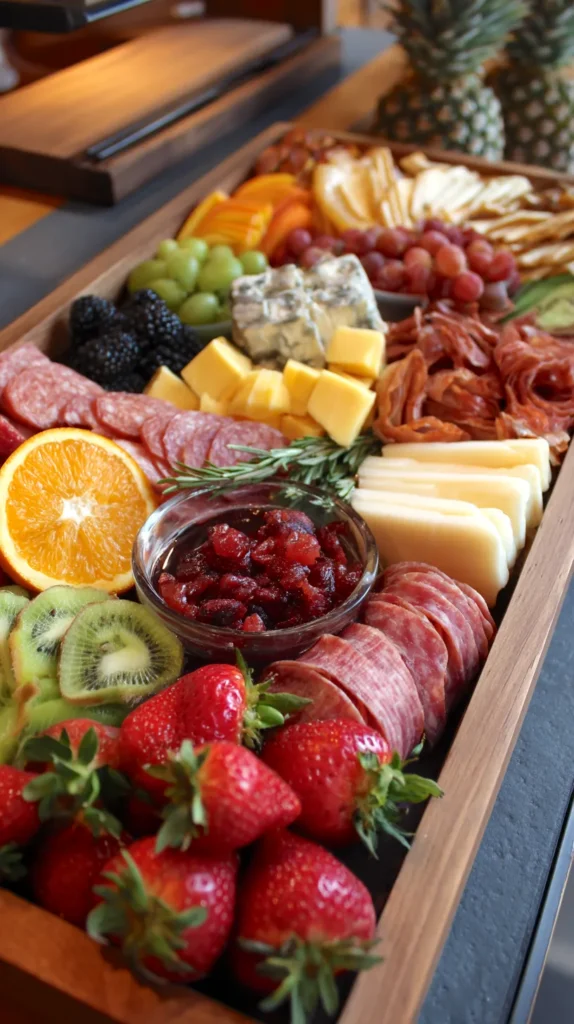
The grocery store loves tempting you near the fancy cheese case. I walk in with a list and stick to it. That’s the whole strategy. First, I choose two cheeses with different textures. One firm block like cheddar or Colby Jack. One soft option like brie, goat cheese, or even a cream cheese wedge.
Next, I choose one meat. Just one. Salami, pepperoni, or deli ham work well and cost less than specialty options. Folding slices adds volume, so you don’t need much.
Crackers come next. I buy two varieties with different shapes. One sturdy cracker for cheese. One lighter cracker for variety. That’s enough to keep things interesting.
Produce is where I save the most. Grapes, apples, and clementines stay affordable and look bright. They also hold well. For crunch, I choose one item like pretzels, peanuts, or almonds. Finally, I add one “pop” item. Olives, pickles, or chocolate squares add personality without blowing the budget.
Here’s the exact shopping list for about eight people:
- Firm cheese, 8 ounces
- Soft cheese, 8 ounces
- Sliced meat, 6 ounces
- Crackers, 8–10 ounces total
- Grapes, 2 cups
- Apple, 1 large
- Pretzels or nuts, 1 cup
- Olives or pickles, 10–12 ounces
- Optional chocolate squares, 8–12
Grazing boards stay affordable when you shop with intention and stop browsing emotionally.
Full Grazing Boards Ingredient List With Helpful Measurements
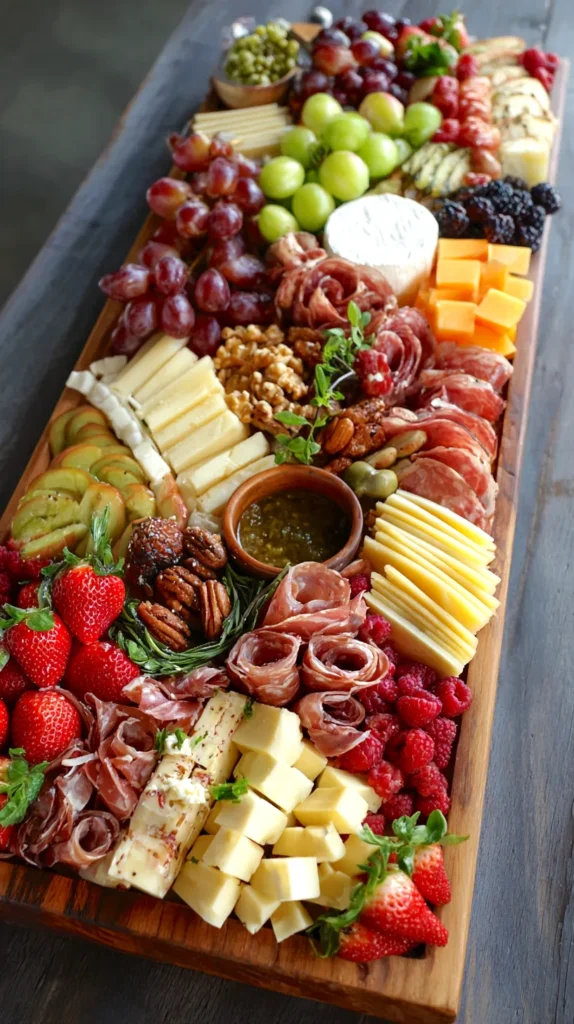
This is the complete ingredient list written like a real recipe. You can scale it easily without guessing. I’ve found consistent portions keep boards balanced and prevent overbuying.
Ingredients for one large board serving about eight:
- 8 ounces firm cheese, partially sliced
- 8 ounces soft cheese, left whole
- 6 ounces sliced meat, folded
- 8–10 ounces crackers, two varieties
- 2 cups grapes, washed and dried
- 1 large apple, thinly sliced
- 1 cup pretzels or mixed nuts
- 10–12 ounces olives or pickles, drained
- 2 tablespoons honey or jam, optional
- 8–12 chocolate squares, optional
Optional budget-friendly add-ins:
- 1 cup baby carrots or cucumber slices
- 1 small baguette, sliced and toasted
- 1 tablespoon lemon juice for apples
I tend to vary shapes on purpose. Cubes, slices, folds, and whole pieces create visual interest without extra ingredients. That variation makes grazing boards look styled without spending more.
Step-By-Step Process To Easily Assemble Grazing Boards
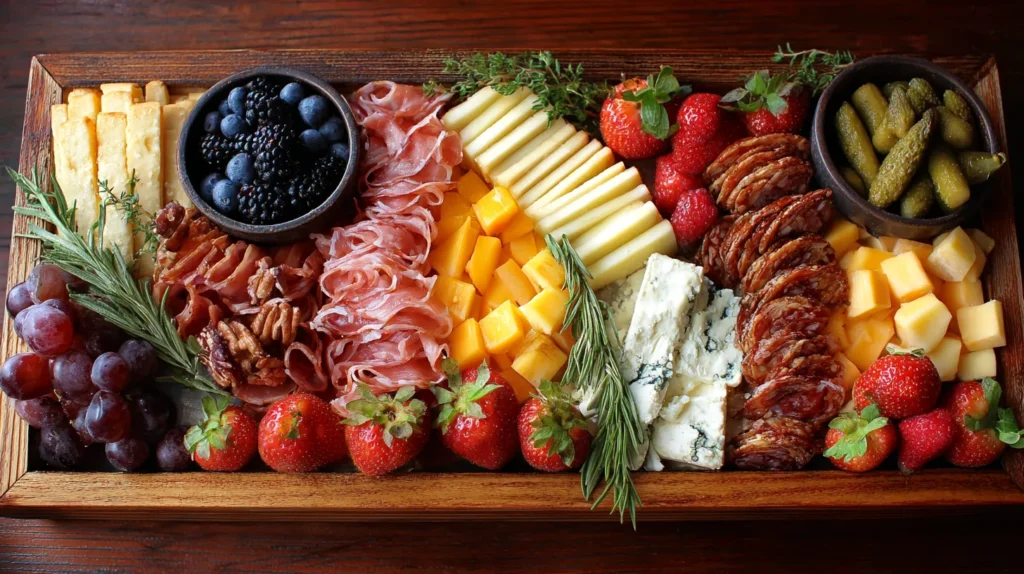
Assembly order matters more than people admit. I’ve found calm boards start with a calm process. When I follow the same order every time, nothing feels rushed. Also, I don’t second-guess myself halfway through. That alone keeps the board looking intentional.
- Start with a large board, tray, or sheet pan. Choose something wider than you think you need. If cleanup matters, line it with parchment. Place it where you plan to serve it. Moving a full board later never goes smoothly.
- Place the cheeses first. Put the soft cheese slightly off-center to avoid symmetry. Set the firm cheese across from it for balance. Slice part of the firm cheese, then stop. Leaving some whole looks generous. (Restraint helps here.)
- Add small bowls next, if you’re using them. Olives, pickles, honey, or jam behave best in bowls. Nestle them close to the cheeses so everything feels connected. I tend to angle bowls slightly for movement.
- Add crackers in two loose clusters. Fan them instead of stacking straight. That casual shape looks relaxed, not rigid. Keep them near cheeses so guests don’t reach across the board.
- Add meat by folding slices into loose ribbons. Tuck them near crackers for easy grabbing. Folded meat adds height, which helps the board look fuller without adding more food.
- Add fruit in small clusters. Keep grapes on short stems for structure. Arrange apple slices in a loose overlap. Spread fruit across the board to repeat color.
- Fill gaps with pretzels or nuts. These small pieces act like visual glue. They make everything look finished.
- Add optional sweets last. Chocolate squares tuck nicely near fruit. Then step back, wipe edges clean, and stop adjusting.
Cover loosely and refrigerate up to four hours if needed. Uncover about twenty minutes before serving so everything settles naturally.
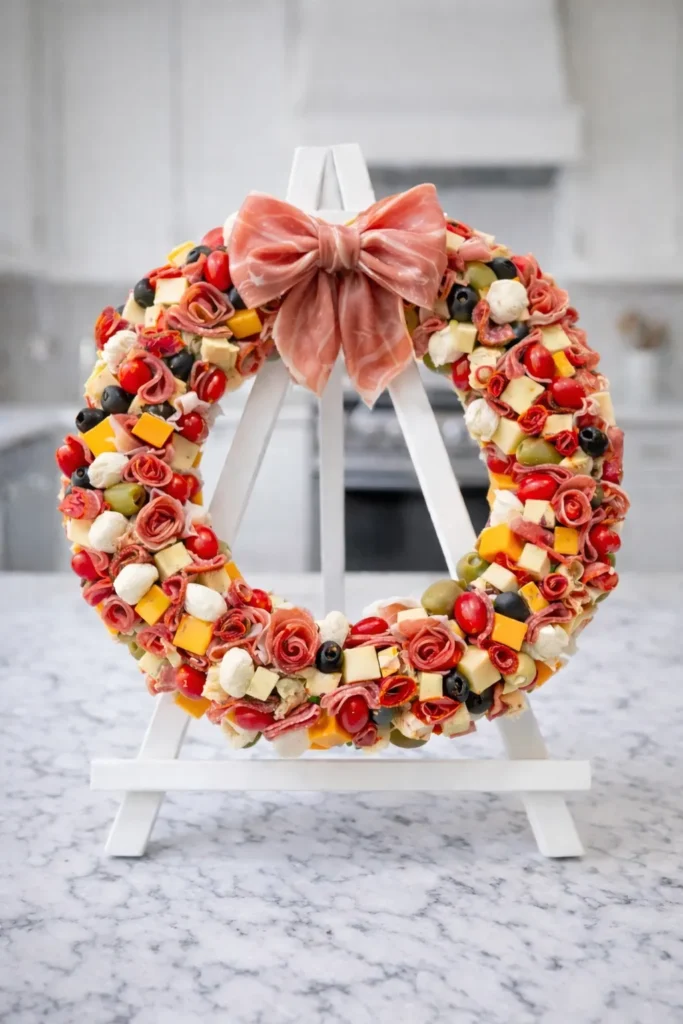
Styling Grazing Boards Without Buying Anything Extra
Styling grazing boards doesn’t require shopping or props, which I appreciate. Instead, restraint does the heavy lifting. I focus on spacing, contrast, and edges before anything else. When food has room, it looks intentional. That choice alone upgrades the board. I’ve found confidence shows up in what you don’t add.
Height helps, even when pieces don’t match. Small bowls lift the eye naturally. Coffee mugs and ramekins work just fine. Meanwhile, folded items add volume without adding cost. That little bit of lift keeps the board from looking flat. (Flat boards always look unfinished.)
Color placement matters more than color variety. Dark items shine next to light cheeses. Bright fruit balances neutral crackers. When colors repeat in two spots, the board looks planned. So I spread grapes or apples instead of piling them once. That repetition calms the layout.
Negative space also matters, although it feels counterintuitive. Crowding makes boards look frantic. Small gaps create breathing room. Because of that, everything reads more styled. I tend to stop adding food sooner than expected. That pause usually saves the board.
I skip decorative labels and themed picks every time. They cost money and clutter the scene. Edible flowers look pretty, but they add stress. Instead, I rely on simple accents that already exist. A small bowl of jam or honey adds shine and contrast. It also signals intention without effort.
I’ve noticed grazing boards look best when edges stay clean. So I wipe the tray rim before serving. That tiny habit changes everything. If something looks slightly imperfect, I leave it alone. Perfection feels stiff. Relaxed styling reads confident.
Ultimately, styling grazing boards works when you trust simple choices. Less fuss creates more polish. That balance keeps boards stylish without spending extra, which always feels like a win.
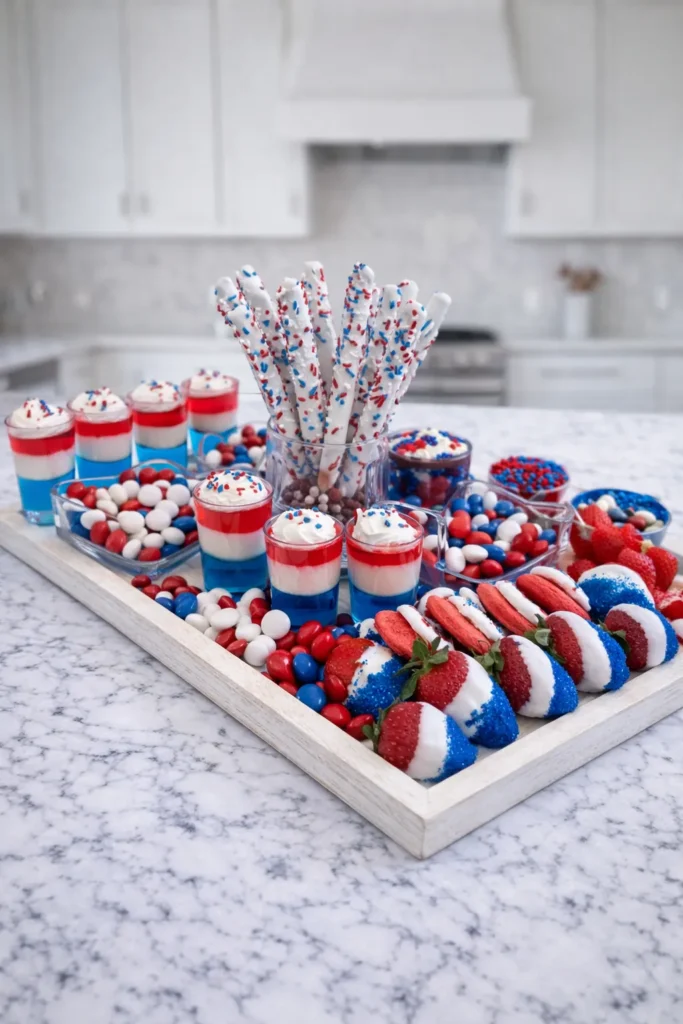
Smart Swaps That Keep Grazing Boards Stylish
Smart swaps save money without announcing themselves, which is my favorite kind of upgrade. I’ve found grazing boards handle substitutions better than most food spreads. They don’t panic when you skip trendy ingredients. Instead, they reward confidence and a little restraint.
Cheese swaps work especially well. A cream cheese wedge replaces brie without drama. Add a spoonful of jam nearby and suddenly it looks planned. I tend to notice guests don’t question it. They just grab a cracker and move on. That quiet success matters.
Meat offers the same flexibility. Pepperoni sticks sliced at home cost less and stretch farther. Deli ham folds beautifully and looks intentional when arranged loosely. Even turkey options hold their own when presentation does the work. Grazing boards care more about shape than labels.
Produce swaps save the most money. Apples step in when berries spike. Grapes behave year-round and never complain. Dried fruit works when fresh options disappoint. Because color matters more than trendiness, these swaps still look styled. (That part always surprises people.)
Crunch is the easiest place to save. Peanuts, pretzels, or popcorn handle texture affordably. When placed thoughtfully, they look deliberate. I usually cluster them near softer items for contrast. That pairing keeps the board balanced.
Presentation does the heavy lifting here. Grazing boards don’t require rare ingredients to look good. They respond to spacing, repetition, and calm choices. I’ve noticed confidence shows when you stop apologizing for simplicity. Instead, you lean into it.
When swaps work this smoothly, hosting stays lighter. You spend less, stress less, and still serve something that looks pulled together. That balance keeps grazing boards stylish without stretching the budget, which makes them easy to love.
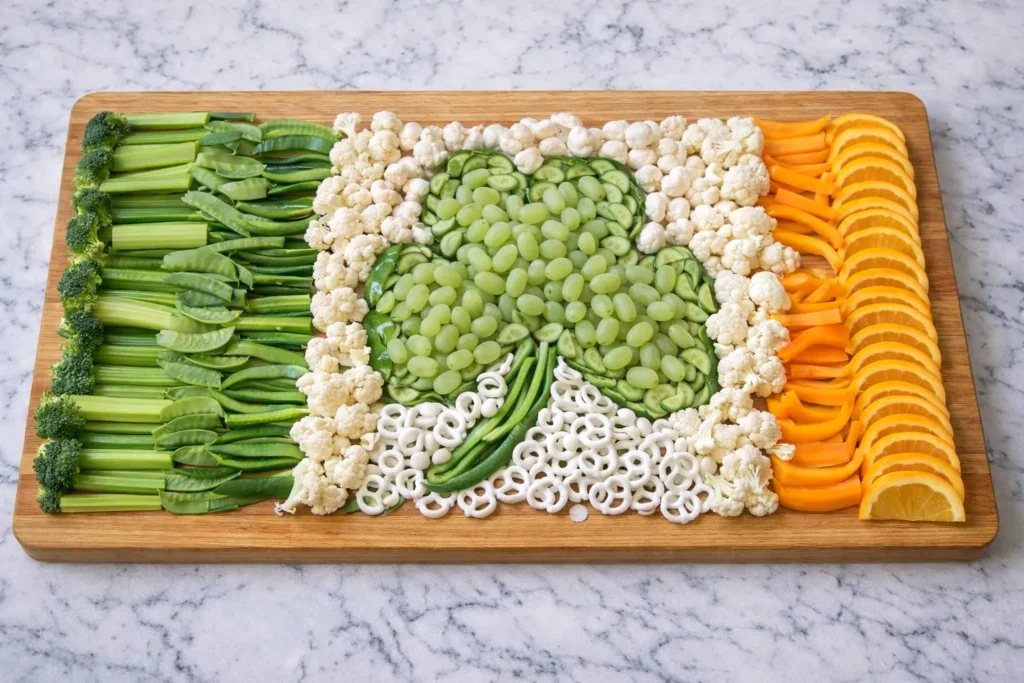
Make-Ahead, Storage, And Safety Tips
Make-ahead planning saves my sanity every single time. I’ve found grazing boards reward early prep without punishing shortcuts. Because most items don’t need cooking, you can move slowly and calmly. That alone changes hosting energy. Plus, spreading prep across the day keeps things light.
You can prep most ingredients a full day ahead. Slice firm cheeses and wrap them tightly. Wash fruit, then dry it well before storing. Drain olives and portion nuts early. I tend to notice separate containers keep flavors clean. Also, nothing absorbs mystery fridge smells that way. (A quiet win.)
Assembly works best closer to serving. Crackers stay crisp when added last. Soft cheese behaves better when it hasn’t sat uncovered. Because of that, I leave brie or cream cheese wrapped until the end. That small delay improves texture without extra effort.
Timing matters once the board hits the table. Grazing boards can sit out for about two hours at room temperature. Shorten that window if it’s hot or crowded. If you’re outside, shade helps more than people expect. I usually refresh the board quietly rather than replacing it. That approach looks intentional.
Leftovers store best when separated again. Wrap cheeses individually. Seal crackers tightly. Store fruit with a paper towel to absorb moisture. Because items stay intact, they’re easy to reuse. I’ve found tomorrow’s snacks feel intentional instead of accidental.
Food safety doesn’t need drama. Trust common sense and watch the room temperature. If something looks tired, pull it. Grazing boards allow that flexibility without ruining the spread. That’s one reason I keep returning to them.
When planned this way, grazing boards stay relaxed from start to finish. Prep stays manageable. Storage stays simple. And hosting stays enjoyable, which always matters.
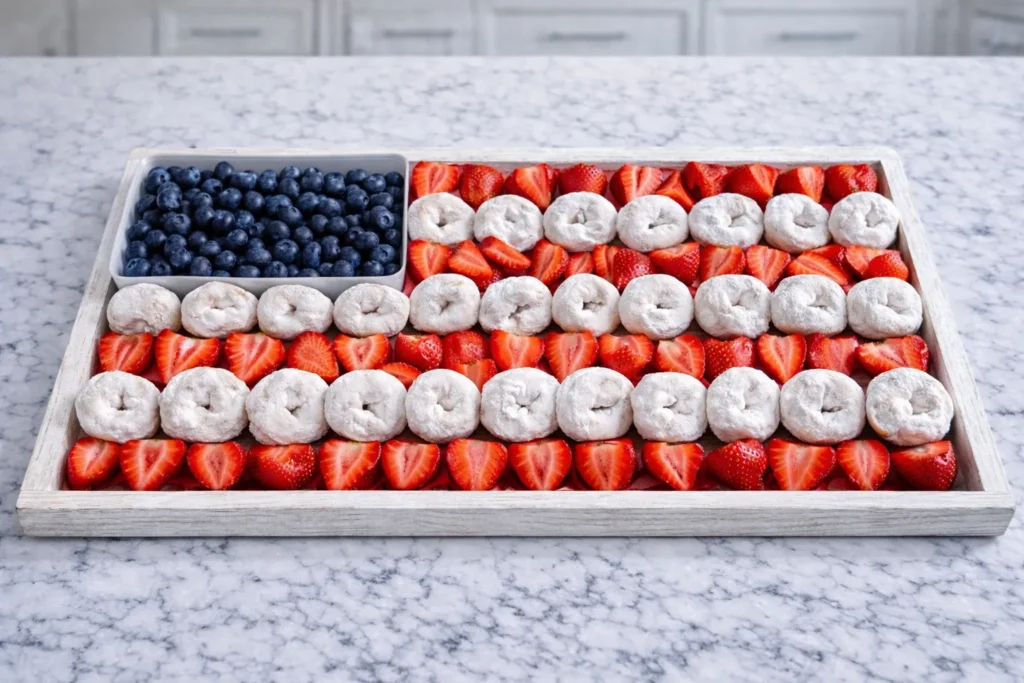
FAQs About Grazing Boards
How many boards do I need?
One large board usually looks more abundant than several small ones. I’ve found a single spread keeps costs lower and avoids visual clutter. Guests naturally gather in one place, which slows grazing and stretches food. That setup also simplifies prep and cleanup. When everything lives together, the board looks intentional instead of scattered.
Do I need a wooden board?
No, fancy boards aren’t required. A tray, platter, or sheet pan works just as well. I tend to notice people focus on the food, not the surface. Lining a pan with parchment still looks styled and saves cleanup time. The key is choosing something wide enough so ingredients can breathe.
Can I make this dairy-free?
Yes, and grazing boards handle it gracefully. Use hummus, fruit, nuts, crackers, olives, and vegetables. Focus on texture variety instead of replacements. Because boards don’t rely on one central item, swaps blend in naturally. That flexibility keeps everything relaxed.
How do I handle allergies?
Keep allergen items separated in their own bowls. Nuts behave best when isolated. I usually include a nut-free crunch option nearby. That approach avoids confusion without labels or announcements. Guests appreciate clarity without fuss.
Can grazing boards be dinner?
Yes, with a little planning. Add extra protein like meatballs, rotisserie chicken pieces, or sliced sausage. I’ve found heartier options keep guests satisfied longer. Because people serve themselves, portions stay reasonable. That balance keeps the board casual but filling.
What should I serve with grazing boards?
Simple drinks work best. Sparkling water, lemonade, or wine pair easily. I tend to skip complicated cocktails. Keeping drinks easy lets the board shine without competition.
Handled this way, grazing boards answer questions before anyone asks. That quiet confidence keeps hosting smooth, affordable, and enjoyable.
Last Few Thoughts
I like hosting more when food doesn’t run the night. Grazing boards give me that freedom without effort or stress. They let me put something out and stay present. I’ve found conversations flow better when nobody waits for a main moment. Someone grabs a bite, someone laughs, and the night keeps moving. That rhythm always works.
Over time, I’ve noticed confidence changes everything. When food looks relaxed, guests relax too. There’s no performance, no big reveal, and no pressure. Instead, there’s choice. Choice feels generous. Choice also keeps people happy. (Happy guests are my goal.)
Living in Orlando has taught me to plan for flexibility. Heat shows up uninvited. Schedules slide. People drift in late. Grazing boards handle all of that quietly. They don’t melt down or demand timing. They just sit there looking pulled together.
I also appreciate how boards support a budget without announcing it. Ingredients stretch naturally. Leftovers stay useful. Cleanup stays manageable. That combination makes hosting sustainable, not exhausting. I tend to notice I host more often when things stay simple.
There’s also something satisfying about styling food without chasing trends. You don’t need rare ingredients or matching dishes. You just need intention and a little restraint. That approach keeps things grounded and fun.
And yes, I still smile when boards photograph well on Pinterest. It feels like a small bonus, not the goal. When food works this way, hosting stays light. If that sounds appealing, grazing boards earn their spot in rotation.