
I don’t know who decided ham and bean soup was boring, but I have questions. Because somewhere along the way, this cozy, budget-friendly classic got labeled as “background food.” Like it’s just there. Like it’s filler. And I don’t buy that for one second.
There’s something deeply satisfying about taking leftover ham and turning it into something that tastes intentional. Not desperate. Not “we’re clearing the fridge.” Intentional. That’s my favorite category of cooking. The kind that quietly says, “Of course I meant to do that.”
Living in Orlando means soup season is more of a suggestion than a rule. We get maybe three convincing chilly days, and I treat each one like an event. That’s when ham and bean soup earns its moment. Candle lit. Windows cracked. Slightly dramatic energy activated.
But this isn’t just about the weather.
It’s about stretching ingredients without stretching dignity. It’s about making something affordable look and taste as if you tried harder than you did. That’s the whole vibe of staying stylish while being money-savvy.
Because here’s the quiet truth. Simple food can taste expensive if you understand one small detail. And once you notice it, you’ll never throw beans into a pot the same way again.
Let’s talk about it.

A few links on this page are affiliate links, so if you click and buy, I might earn a small commission. It never costs you more, and it helps support the site. You can read my full disclosure if you’re into the fine print.
Why Ham And Bean Soup Is Quietly Brilliant Budget Cooking
Let’s start with the obvious math. Dried navy beans cost almost nothing. A single pound feeds several people. That’s not groundbreaking information. But what is interesting is how elegant that transformation feels once you add a ham bone.
This isn’t “struggle food.” It’s strategic food.
Ham and bean soup stretches leftovers without looking like leftovers. That matters. Nobody wants dinner to scream “clearance aisle.”
Here’s why it works so well:
- One pound dried navy beans feeds 6 to 8 servings
- A leftover ham bone creates deep flavor without extra cost
- The soup thickens naturally without flour or cream
- It freezes beautifully
However, the real magic sits in the layering.
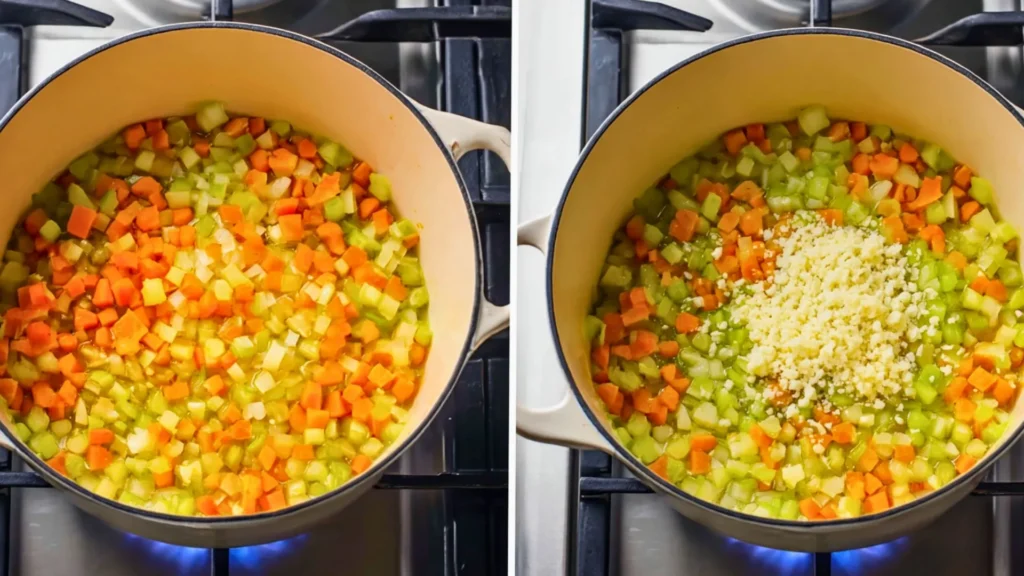
Most people assume budget recipes must taste basic. I’ve found that the order you build flavor changes everything. Onion and celery go in first. Carrots follow. Garlic joins briefly so it doesn’t burn. That slow build creates depth.
Then patience steps in.
Salt timing makes a difference here. If you salt too early, beans can toughen. If you wait until the end, they soften properly and absorb flavor better.
That’s not flashy advice. It’s quiet control.
Suddenly, ham and bean soup tastes like you meant to make it. Not like you had to.
And that shift changes the whole table.

Choosing The Right Ham And Beans For Ham And Bean Soup
Let’s talk about the part people gloss over. The ham. The beans. The actual backbone of ham and bean soup. Because not all choices land the same, even if they look similar in the store.
Most people assume any leftover ham works. Technically, yes. Practically, not always. A bone-in ham gives deeper flavor because marrow and connective tissue release richness as it simmers. Diced ham still works beautifully, but it won’t create that same depth on its own. That doesn’t make it wrong. It just means you may want to boost it slightly with a pinch of smoked paprika.
Here’s what surprises people.
The type of bean changes texture more than flavor!
Navy beans cook down softer and create a creamier base. Great northern beans hold their shape better and feel slightly firmer in the bowl. Cannellini beans sit somewhere in between, offering structure without heaviness. None of these are dramatic differences. Still, those small shifts change the overall experience of ham and bean soup.
Now let’s reframe something.
Cheaper does not mean lesser here. Store-brand dried beans work perfectly. What matters more is freshness. Older beans take longer to soften and can stay stubborn in texture. If your beans never seem tender, age might be the reason.
And one more quiet detail.
Salt levels in your ham determine everything that follows. If your ham tastes very salty on its own, adjust the broth and seasoning carefully. If it tastes mild, you have more room to build flavor later.
Small decisions at the beginning make the entire pot smoother at the end.
The Ingredient Lineup That Keeps It Simple And Smart
I like recipes that don’t try too hard. This one stays steady on purpose. You won’t find twenty spices competing for attention.
Here’s the full ingredient list with measurements:
- 1 pound dried navy beans
- 1 meaty ham bone or 2 cups diced cooked ham
- 1 tablespoon olive oil
- 1 medium yellow onion, diced
- 2 carrots, diced
- 2 celery stalks, diced
- 3 cloves garlic, minced
- 1 bay leaf
- 1 teaspoon dried thyme
- ½ teaspoon black pepper
- 6 cups low-sodium chicken broth
- 2 cups water
- Salt to taste
- Optional: 1 teaspoon apple cider vinegar at the end
Notice what’s not here. Cream isn’t needed. A thickener isn’t required. Expensive add-ins stay off the list.
The beans handle the texture.
Now, soaking. I’ve found soaking overnight shortens cook time and improves texture. If I forget, I use a quick soak. Boil beans two minutes. Turn off heat. Let sit one hour. Drain and proceed.
Either method works. Consistency matters more than perfection.
If your ham bone is salty, hold back on adding salt early. Taste at the end. Adjust slowly.
Restraint sounds boring. It isn’t.
That restraint is what makes ham and bean soup taste balanced instead of overwhelming.
The Full Cooking Process Without Drama
Let’s cook this properly, but calmly. Not rushed. Not chaotic. Calm wins here.
I know recipes usually sound bossy. Do this. Add that. Stir now. But ham and bean soup is more about patience than performance. The steps are simple. The timing matters.
Start by heating one tablespoon of olive oil in a large pot over medium heat. Once warm, add the diced onion, carrots, and celery. Cook about five minutes, stirring occasionally, until softened but not browned. Browning shifts the flavor. We want gentle sweetness here.
Then add the minced garlic. Cook 30 seconds. Stay nearby. Garlic turns bitter fast, and that bitterness sticks around.
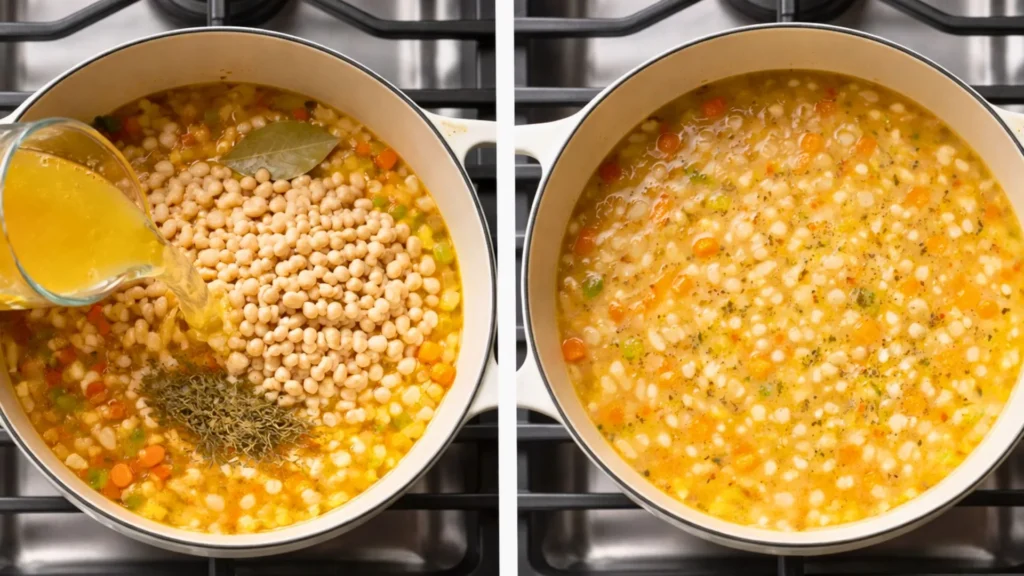
Next, add drained beans, the ham bone, bay leaf, thyme, black pepper, six cups of broth, and two cups of water. Stir everything together so nothing settles on the bottom. Bring the pot to a boil. After that, reduce the heat to low and partially cover.
Here’s the part people underestimate.
Simmer for 90 minutes to 2 hours. Stir every 20 minutes so beans cook evenly. They settle naturally, so a quick stir helps.
Once beans are tender, remove the ham bone. Shred any meat and return it to the pot. Discard the bay leaf.
Now pause.
Taste before adding salt. This is where many people overcorrect. Add salt gradually. Stir. Taste again. Give it a minute before adjusting further.
If you want thicker ham and bean soup, mash about one cup of beans against the side of the pot and stir them back in. If it feels too thick, add hot water slowly.
Nothing dramatic happens here. That’s the whole point.
Steady heat and attention build depth without extra ingredients.

The Texture Detail That Changes Everything
Let’s talk about texture because it quietly decides whether this soup lands as comforting or just heavy. Texture rarely gets credit, yet it controls the entire experience of ham and bean soup.
Most people assume thick equals better. I disagree slightly. Thick without contrast turns dense fast. Dense gets tiring after three bites.
What actually works is variation.
Ham and bean soup tastes best when some beans stay whole while others break down. That contrast gives each spoonful structure and softness at the same time. It keeps things interesting without adding anything expensive.
Here’s the exact balance I aim for:
- Mash only about one cup of beans, not the whole pot
- Leave the rest intact for texture
- Keep carrots tender but not mushy
- Shred ham into small, even pieces so it distributes evenly
Notice what’s happening here. Nothing dramatic. Just controlled texture.
Now for the twist most people skip.
Add one teaspoon of apple cider vinegar at the very end. Stir gently and let it sit for a minute before tasting. That tiny splash doesn’t make the soup sour. Instead, it sharpens everything already there. Salt tastes clearer. Ham tastes deeper. Beans taste brighter.
Pause there.
A small acidic finish reframes the entire pot. Suddenly ham and bean soup tastes layered instead of flat.
That’s usually when someone says, “What did you put in this?”
The answer isn’t more ingredients. It’s attention.
Budget cooking doesn’t need extravagance. It needs awareness.
And awareness, thankfully, costs nothing.

How To Serve It Without Making It Look Plain
Presentation changes perception. That’s not dramatic. It’s practical. The same ham and bean soup can look like Tuesday leftovers or a cozy dinner moment, depending on how you serve it.
A deep cereal bowl works, sure. But a wide, shallow bowl makes the soup look fuller and more styled. That small shift changes how it’s received. Surface area matters visually.
Here’s what elevates it without spending more:
- Toasted sourdough brushed lightly with olive oil
- A quick arugula salad with lemon and salt
- Fresh cracked black pepper over the top
- A small dish of shredded cheddar for optional sprinkling
Notice none of that is fancy. It’s just deliberate.
Now here’s something people overlook. Warm the bowls before ladling the soup. Run them under hot water or place them in a low oven for a few minutes. Soup stays hot longer. Hot food tastes better. That tiny step feels polished without feeling showy.
If you’re feeding family, place the pot right on the table. Let everyone ladle their own portion. That setup feels relaxed but confident. It turns dinner into a shared moment instead of a plated performance.
Here’s the reframe most people miss.
Stylish doesn’t mean expensive. Stylish means thoughtful.
Nobody at the table calculates dried bean prices when the bowl looks intentional. Thoughts about thrift disappear quickly. What stands out instead is warmth and care.

Making It Stretch Without Losing Flavor
Now let’s stretch it wisely, because stretching dinner shouldn’t mean thinning it into sadness. That’s the mistake most people make. They add water. They dilute flavor. Then they wonder why the leftovers taste flat.
Ham and bean soup actually gives you more flexibility than that.
This soup holds well for four days in the fridge, which already makes it efficient. It also freezes beautifully in one-cup portions. That means future lunches will be handled without extra effort. I like freezing it flat in small containers so it thaws faster. Small detail, big convenience.
Here’s how I extend it without sacrificing depth.
Serve it over warm rice for a heartier bowl that feels like a new meal. Add chopped spinach at the end for color and a little freshness. Stir in extra diced ham the next day if you want more protein. Pair it with cornbread and suddenly dinner feels different without changing the base.
Notice what I’m not doing.
I’m not adding water to make it stretch. Instead, I mash a few more beans when reheating. That loosens the texture while keeping flavor concentrated. A splash of broth works too, but go slowly.
Here’s the quiet advantage.
Flavor deepens overnight as the beans sit in the broth. The second day often tastes richer than the first. That isn’t luck. That’s time doing its work.
Ham and bean soup doesn’t require constant reinvention. It rewards patience and smart adjustments.
Reliable food rarely gets applause.
Still, reliable food protects your budget.
And protecting your budget quietly protects your peace.

Frequently Asked Questions About Ham And Bean Soup
Questions always pop up right when the pot starts simmering. I notice that simple recipes trigger more doubt than complicated ones. Maybe because ham and bean soup looks humble, people assume there must be a catch. There isn’t. Still, let’s talk through the usual concerns so nothing nags at you mid-simmer.
Can I use canned beans?
Yes, you can. Use three 15-ounce cans, drained and rinsed. Reduce simmer time to about 30 minutes since the beans are already cooked. Expect a slightly lighter texture because dried beans release more starch. That difference isn’t bad. It’s just a different style of bowl.
Do I have to soak dried beans?
No, soaking isn’t required. However, soaking overnight shortens cook time and improves texture. If you forget, use the quick soak method. Boil for two minutes, then let beans sit for one hour. Drain them well before adding to the pot.
Here’s what surprises people. Soaking helps, but it doesn’t define success.
Can I make it in a slow cooker?
Absolutely. Sauté vegetables first for better depth. Then cook on low for 8 hours. The longer cook builds flavor steadily without adding extra ingredients.
Can I use diced ham without a bone?
Yes. Add ½ teaspoon smoked paprika to replace the deeper smoky note a bone provides.
Is it freezer friendly?
Very. Cool completely, then freeze in airtight containers for up to three months. Label portions so weekday lunches stay easy.
Can I make it vegetarian?
You can. Omit ham and use vegetable broth. Add smoked paprika for warmth and a pinch more thyme.
Here’s the real thing. Ham and bean soup rewards patience more than advanced skill. That’s good news for all of us. Patience is free, and it works every time.

Ham And Bean Soup
Ingredients
- 1 pound dried navy beans
- 2 cups diced cooked ham or 1 meaty ham bone
- 1 tablespoon olive oil
- 1 medium yellow onion diced
- 2 carrots diced
- 2 celery stalks diced
- 3 cloves garlic minced
- 1 bay leaf
- 1 teaspoon dried thyme
- ½ teaspoon black pepper
- 6 cups low-sodium chicken broth
- 2 cups water
- Salt to taste
- 1 teaspoon apple cider vinegar
Instructions
- Rinse the dried navy beans and soak overnight if desired, or use the quick soak method by boiling for 2 minutes and letting sit for 1 hour, then drain.
- Heat olive oil in a large pot over medium heat.
- Add diced onion, carrots, and celery and cook for about 5 minutes until softened but not browned, stirring occasionally.
- Add minced garlic and cook for 30 seconds.
- Add drained beans, ham bone or diced ham, bay leaf, dried thyme, black pepper, chicken broth, and water.
- Bring to a boil, then reduce heat to low and partially cover.
- Simmer gently for 90 minutes to 2 hours, stirring every 20 minutes, until beans are tender.
- Remove the ham bone if using and shred any meat, then return the meat to the pot and discard the bone and bay leaf.
- Taste before adding salt and adjust gradually as needed.
- Mash about 1 cup of beans against the side of the pot and stir back in to thicken the soup.
- Add hot water a little at a time if the soup is too thick.
- Stir in 1 teaspoon apple cider vinegar at the end and taste before serving.

Last Few Yummy Thoughts
There’s something grounding about cooking a pot of ham and bean soup and knowing dinner is handled before anyone even asks what’s for dinner. It doesn’t chase trends or compete for attention. Instead, it quietly proves that simple can still feel thoughtful.
I’ve found that the most satisfying meals aren’t flashy or complicated. They’re steady. They hold their own without demanding applause. That steadiness frees up mental space, which feels like the real luxury these days.
Back in Orlando, when we get one of those rare cool evenings, I lean into it. I let the pot simmer a little longer than necessary just to stretch the moment. The kitchen smells warm, and that alone shifts the mood of the house. Nothing dramatic happens, yet everything settles.
That’s the part that stays with me.
Cooking this way keeps my grocery budget steady without making dinner dull. It reminds me that thoughtful doesn’t require expensive. It requires attention. And attention changes how a meal lands on the table.
Sometimes I’ll even snap a cozy bowl photo and save it to Pinterest. Not because it’s trendy, but because it feels worth remembering.
Turning dried beans and leftover ham into something intentional isn’t about stretching dollars. It’s about owning the process. It’s about recognizing that ordinary ingredients can still deliver presence.
And that kind of quiet confidence? That’s the real upgrade.