I’ve noticed something funny about weddings lately. The louder the Pinterest boards get, the quieter I want the dress to be. Somewhere between the sparkle explosions and dramatic cathedral trains, minimalist wedding dresses started whispering, “Hey… over here.” And honestly? I leaned in.
Because here’s the tension. We’re told this is the biggest fashion moment of our lives. The dress. The photos. The once-in-a-lifetime twirl. Yet the price tags sometimes look like car payments. That math doesn’t sit right with me.
Living in Orlando, I see over-the-top wedding energy daily. Theme parks. Grand ballrooms. Fireworks. It’s a lot. And sometimes, in the middle of all that glitter, a simple silk column dress walks by and steals the whole show. No drama. Just confidence.
That contrast fascinates me.
I’ve found that when something doesn’t scream for attention, it often gets more of it. Minimalist wedding dresses don’t compete with the bride. Rather than overpowering her, they highlight her. Breathing feels effortless. Movement becomes fluid. Attention settles on the person, not the embellishment.
And here’s what surprised me. Simple doesn’t mean boring. Clean doesn’t mean plain. Budget-friendly doesn’t mean sacrificing style. That assumption needs to retire immediately.
Because once you understand why these dresses work, you start seeing money differently. You start seeing style differently. You even start seeing weddings differently.
And there’s one little mindset shift that makes the whole thing click. I’ll get to that. But first, let’s talk about the myth that simplicity is somehow “less.”
Some of the links on this page are affiliate links, which means I may earn a small commission if you purchase through them. It never costs you extra. You can always peek at my full disclosure if you’d like the details.
The Myth That Simple Means Less
I used to think “minimalist” meant stripped down and slightly sad. Like someone forgot to decorate. However, minimalist wedding dresses are anything but forgotten.
They’re intentional.
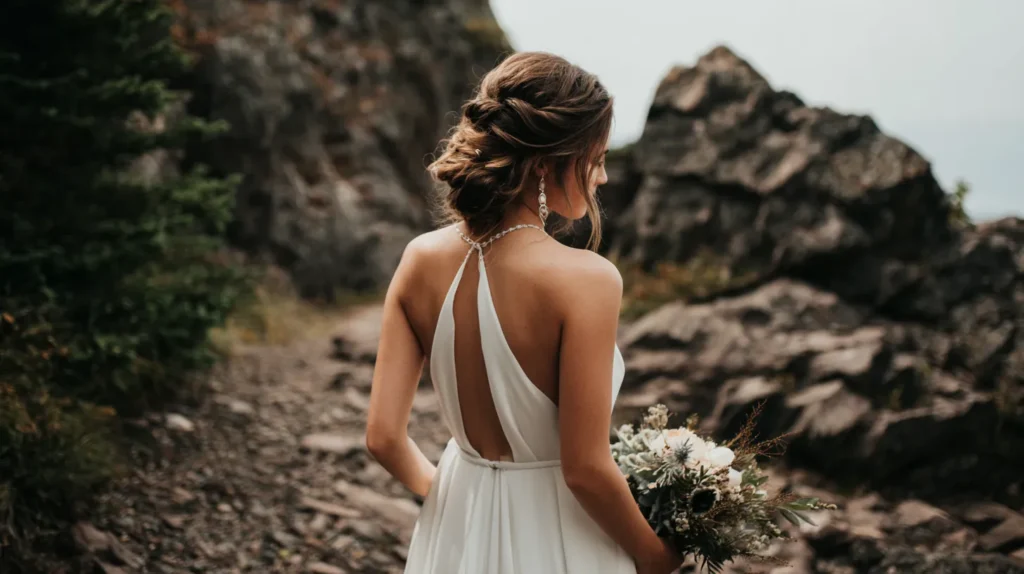
A sleek satin slip dress doesn’t beg for approval. Instead, it walks into a room and assumes it already has it. That’s powerful.
Here’s the wild part. The eye actually rests on clean lines. Attention lingers on a sleek silhouette instead of drifting. Posture stands out more clearly. Even subtle movement becomes part of the story. Meanwhile, overly busy dresses can pull focus away from the bride.
That’s the reframe.
Simple isn’t less. Simple is focused.
I’ve found that when fabric falls cleanly, everything else looks sharper:
- The bouquet pops more.
- The bride’s face stands out.
- The photos age better.
- The jewelry matters more.
- The venue feels elevated.
On a budget-friendly site, this matters deeply. Because the less a dress relies on heavy embellishment, the less it costs to produce. Beading and lacework drive prices up fast. Clean cuts don’t.
Yet the impact remains strong.
That feels almost rebellious.
We’re conditioned to believe that more detail equals more value. Yet in fashion, restraint often signals confidence. A smooth crepe gown with a low back whispers luxury. A thousand rhinestones shout for it.
Big difference.
So when someone says minimalist wedding dresses are too plain, I quietly think, “Or maybe they’re just strong enough to stand alone.”
And strength, my friend, never looks cheap.
Why Minimalist Wedding Dresses Photograph Better
Let’s talk photos. Because we all know that wedding albums live forever. Or at least until the next cloud storage password gets forgotten.
Busy dresses can blur in pictures. Lace overlays and layered textures sometimes flatten under bright light. Meanwhile, minimalist wedding dresses hold shape in every frame.
Clean silhouettes translate beautifully on camera.
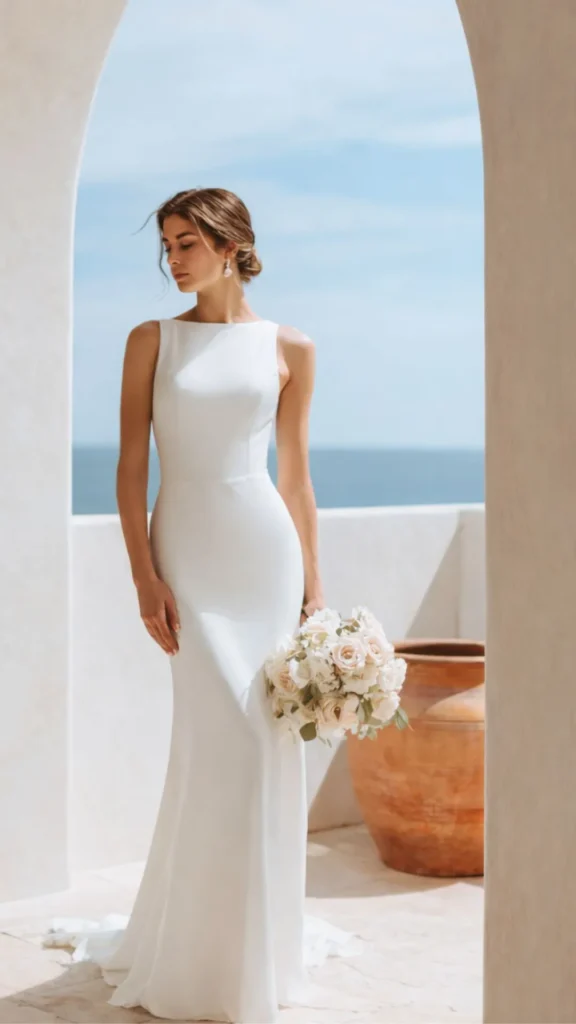
I tend to notice that simple gowns allow light to bounce naturally. Satin glows. Silk drapes. Structured crepe creates crisp lines. Nothing competes.
And here’s a little secret. Trends date faster than minimalism. Heavy embellishment screams its era. A clean gown could belong to any decade.
That’s money well spent.
Think about it. Ten years from now, you don’t want to look at your photos and think, “Oh wow, that was very 2026.” You want timeless.
Minimalist wedding dresses offer that.
Plus, consider movement shots. Twirling works better when fabric flows without heavy layers. Walking down the aisle looks smoother when nothing snags or shifts awkwardly.
Even candid laughter looks lighter.
Here’s what else changes:
- Editing becomes easier.
- Backgrounds shine without clashing.
- Skin tones pop naturally.
- Details look intentional.
- Focus stays where it belongs.
On you.
And when you’re trying to stay stylish while being money-savvy, timeless photos matter. You’re investing in memories, not trends.
Simple gowns age like classic movies. Flashy ones can feel like fast fashion. That contrast matters more than we admit.
So yes, minimalism photographs better. And in a world obsessed with images, that’s not a small thing.
The Budget Twist Nobody Talks About
Here’s where it gets interesting.
People assume minimalist wedding dresses are expensive because they look high-end. However, construction often costs less than heavily embellished designs.
Less lace. Fewer crystals. Minimal appliqué.
That lowers production costs.
Now, designer labels can still charge luxury prices. Let’s not pretend otherwise. However, similar clean silhouettes appear at far lower price points because the design relies on cut, not decoration.
And cut is easier to replicate well.
I’ve found that many budget-friendly brands excel at minimalist wedding dresses because they don’t need intricate hand-sewn details. They focus on fit and fabric instead.
That’s strategic shopping.
Instead of paying for thousands of tiny stitched beads, you pay for structure. You pay for tailoring. You pay for quality fabric.
And here’s the twist. Guests often assume the simplest dresses cost the most.
It’s perception psychology.
A sleek column dress can look couture even when it isn’t. Meanwhile, overdone sparkle can sometimes look cheaper than intended.
This flips the script.
If you’re trying to stay money-savvy while remaining stylish, minimalism becomes your secret weapon. You control the narrative.
You decide where to spend and where to save.
Suddenly, the dress doesn’t have to eat half the wedding budget. That leaves room for:
- Better food
- A live musician
- A stunning photographer
- A honeymoon upgrade
- Or simply less debt
And honestly, less debt looks incredible on everyone.
Minimalism isn’t about lacking. It’s about allocating wisely. That mindset shift changes everything.
Fabric Over Fuss
Let’s zoom in on texture for a second.
Minimalist wedding dresses rely on fabric to do the heavy lifting. So the material matters. A lot.
Cheap satin can look shiny in a not-great way. However, quality satin glows softly. It reflects light without screaming. That difference matters in person and in photos.
Crepe, on the other hand, offers structure. Smooth lines come naturally with this fabric. Shape stays intact from aisle to dance floor. The result feels modern without looking forced.
Silk drapes naturally. It moves like it belongs on a bride. Even simple cotton blends can look elevated when cut well.
Here’s the key shift. Instead of focusing on decoration, you focus on feel and flow.
I tend to notice brides in minimalist wedding dresses stand differently. Rather than fussing with straps, shoulders stay relaxed. No heavy skirts require constant adjusting. Freedom of movement shows up in every step.
That freedom shows.
Fabric also influences comfort. And comfort affects posture. Good posture transforms a dress instantly.
Consider this contrast. A beaded gown might sparkle, but it can weigh several extra pounds. A clean silk gown feels lighter. That changes your entire day.
Plus, tailoring becomes simpler with clean lines. Adjusting a minimalist wedding dress costs less than altering layers of lace and tulle.
That’s practical elegance.
When you invest in quality fabric over extra details, you create quiet luxury. And quiet luxury never begs for applause. It just gets it.
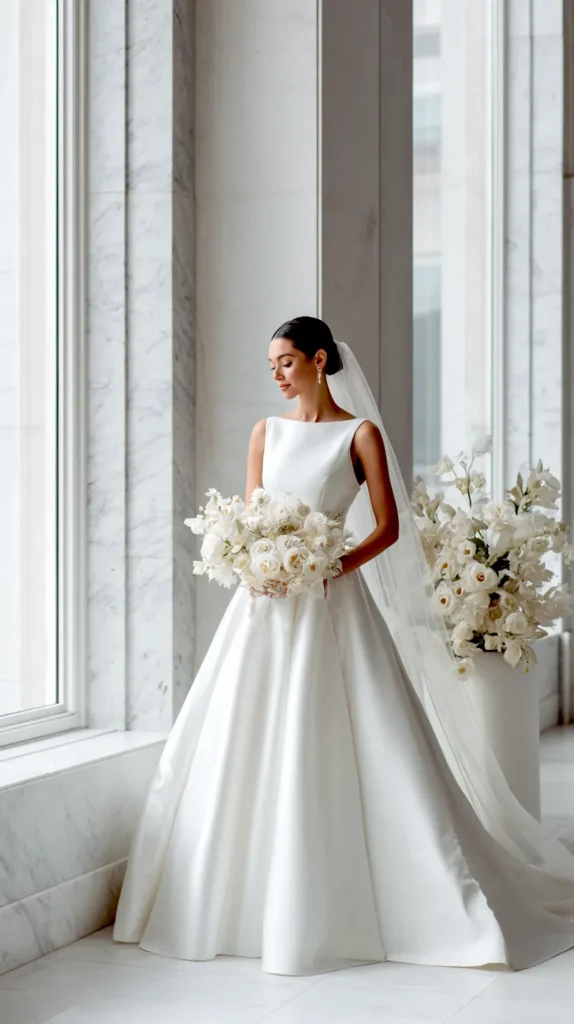
The Confidence Factor
Here’s something nobody says loudly.
Minimalist wedding dresses require confidence.
Drama takes a back seat. Layers stop competing for attention. The bride remains fully visible.
That can feel scary at first.
However, that clarity becomes powerful. A clean neckline highlights collarbones. A simple back detail draws attention gently. Structured silhouettes flatter naturally.
There’s nowhere to hide. And that’s the point.
I’ve found that when brides choose minimalist wedding dresses, they often lean into authenticity. They choose what suits them, not what trends dictate.
That’s bold.
And bold doesn’t have to be loud.
The absence of excess lets personality shine. Hair, makeup, jewelry, and even expressions stand out more. Suddenly, the bride feels like herself, not a costume version.
Here’s a quick reset moment. Think about your everyday style. Do you love clean lines? Do you wear neutral tones? If yes, why abandon that for one day?
Minimalism can reflect who you already are.
Plus, confidence photographs beautifully. Guests notice ease. Movement looks natural. Laughter feels effortless.
All because nothing feels heavy.
This isn’t about proving anything. It’s about alignment.
When your dress matches your personality, the whole day flows better. And alignment always looks expensive, even when it isn’t.
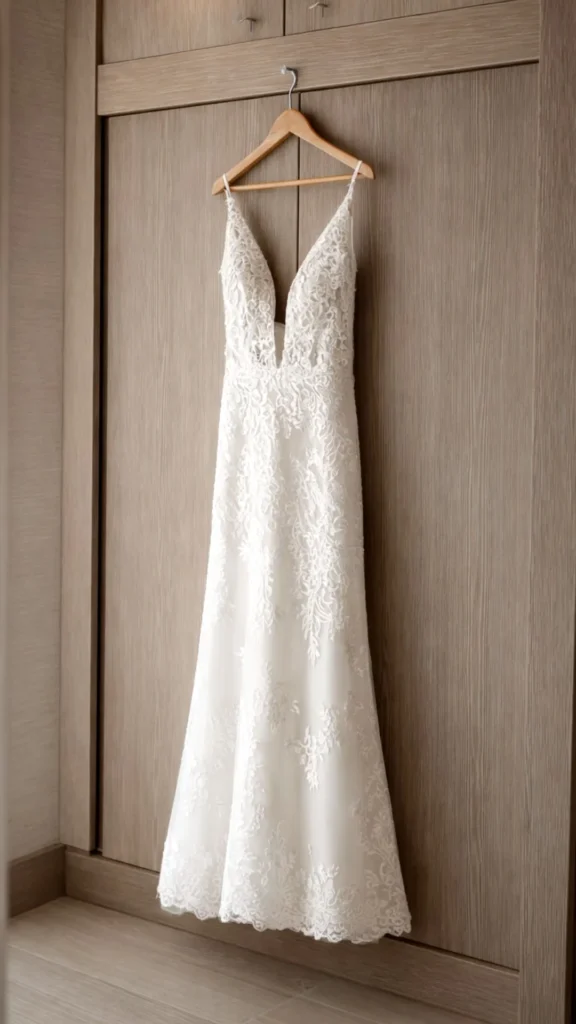
Styling Minimalist Wedding Dresses Without Overdoing It
Now comes the fun twist.
Minimalist wedding dresses create a blank canvas. That doesn’t mean overload the accessories. It means choose intentionally.
Think contrast.
When the dress stays sleek, let the earrings sparkle. A low back pairs beautifully with an updo. High necklines invite something bold at your feet.
However, restraint still matters.
I’ve found that too many statement pieces fight the simplicity. Instead, one standout element elevates everything.
For example:
- Pearl drop earrings with a satin slip.
- A cathedral veil with a clean crepe gown.
- Bold red lipstick against white silk.
- Strappy heels peeking from a column dress.
- A modern bouquet with strong lines.
See the pattern?
Each addition feels purposeful.
Minimalist wedding dresses also allow venue styling to shine. A dramatic floral arch pops more against clean fabric. Candlelight glows softer against satin.
That interplay matters.
And here’s the quiet perk. You can reuse or resell simpler accessories more easily. Statement jewelry works again. Shoes become date-night staples.
That extends value beyond one day.
Budget-friendly style isn’t about cutting corners. It’s about making smart pairings. When the dress stays simple, everything else gets room to breathe.
That breathing room feels calm. And calm feels expensive.
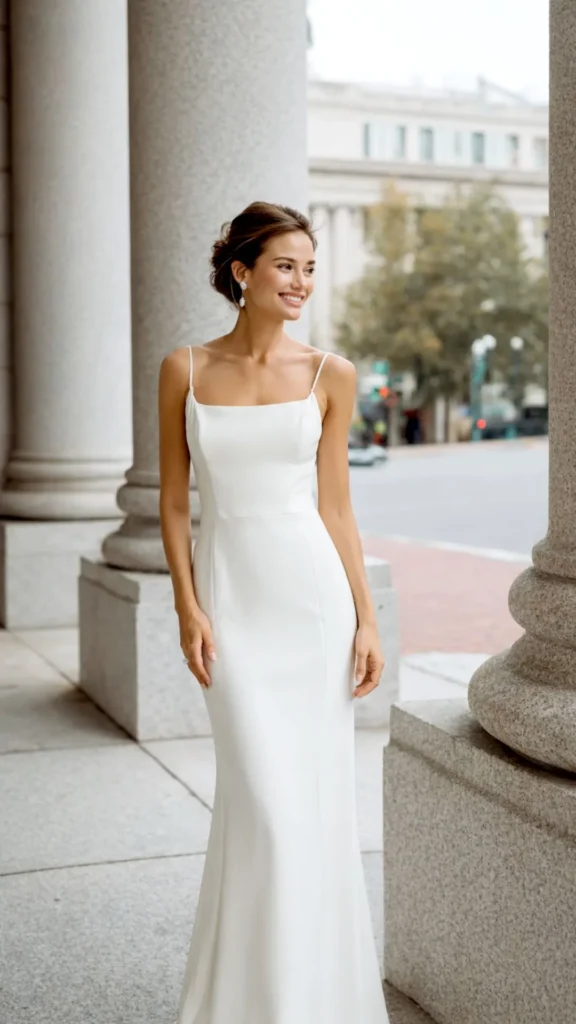
Styles of Minimalist Wedding Dresses That Matter
Okay. Let’s slow this down and talk real structure.
When people hear minimalist wedding dresses, they often picture one plain white tube. That’s not it. Minimalism has lanes. And once you see them, shopping gets way easier.
First, there’s the column dress. This one falls straight down. No flare. No extra layers. Just clean lines from top to bottom. It’s modern. It elongates the body. It looks expensive even when it’s not, because tailoring carries the weight.
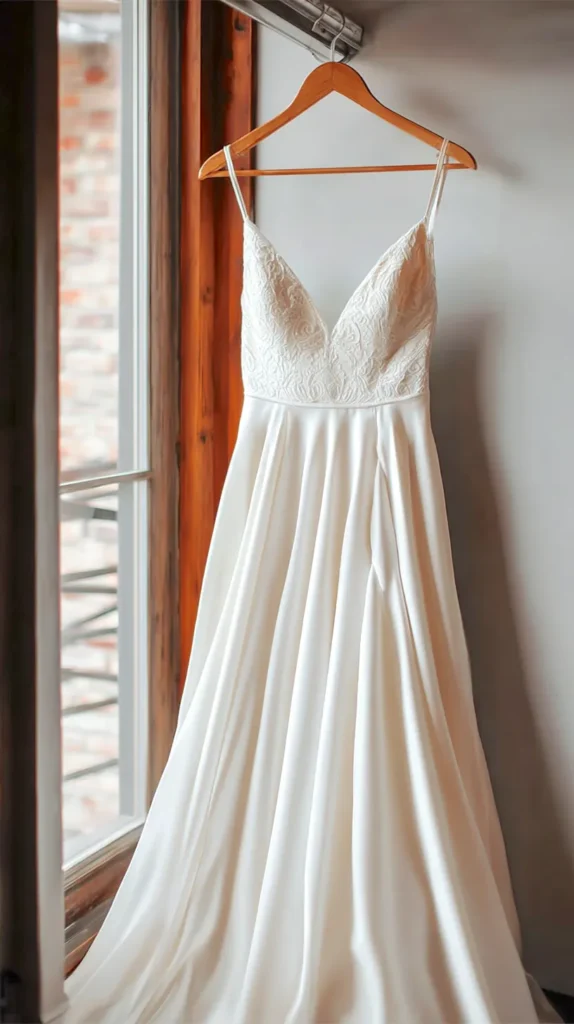
Then there’s the structured A-line. You still get shape at the waist, but without lace or sparkle. The skirt opens softly instead of exploding outward. It’s classic without feeling busy. If you want timeless without fuss, this is a strong choice.
Now let’s talk slip dresses. Satin. Silk. Thin straps. Often a low back. They move easily and photograph beautifully. These are some of the most popular minimalist wedding dresses right now because they feel effortless.
Long sleeves also live in this category. Not lace sleeves. Clean sleeves. Crepe or satin. Think boat neck or high neck. It feels editorial and strong without trying too hard.
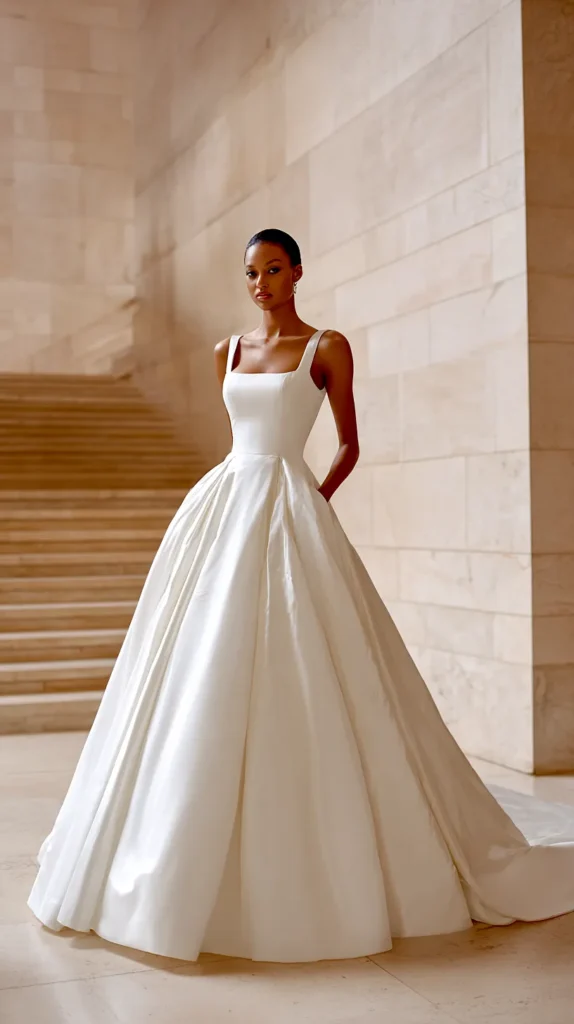
And yes, even ball gowns can qualify. The key is no embellishment. Big shape. Smooth fabric. Nothing distracting.
Here’s the mindset shift. Minimalist doesn’t mean basic. It means intentional. Every seam matters. Every line has purpose.
Once you know the silhouette you love, everything else becomes noise. And cutting out noise? That’s how you stay stylish without overspending.
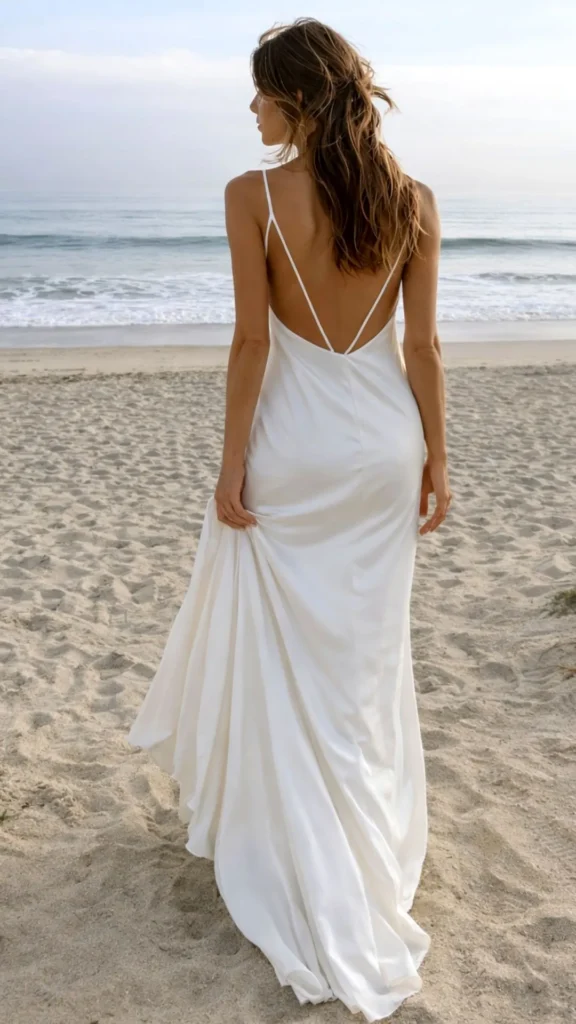
The Emotional Shift Starts With How The Dress Moves
Weddings carry intensity. Energy runs high. Nerves buzz under the surface.
Clothing affects people more than they admit.
A heavy gown with layers, boning, and beadwork demands constant awareness. Straps need adjusting. Weight shifts from foot to foot. Sitting becomes a small strategy session. That quiet distraction never fully turns off.
Now picture minimalist wedding dresses instead.
Clean crepe. Smooth satin. Fewer seams. Less structure pressing against you.
The body reacts first.
Shoulders drop when nothing pulls. Breathing deepens when fabric doesn’t squeeze. Movement feels natural when skirts don’t tangle.
That physical ease creates emotional ease.
I’ve found that when brides stop managing their dress, they start experiencing their wedding. Attention shifts from mechanics to moments. Instead of asking, “Is this sitting right?” they lean into laughter, hugs, and vows.
There’s another layer here.
Simple silhouettes reduce last-minute chaos. Loose beading isn’t hanging by a thread. Complicated bustling doesn’t require a tutorial. Fragile lace won’t snag on chairs. With fewer moving parts, stress triggers shrink naturally.
That matters on a high-emotion day.
Minimalist wedding dresses don’t compete with the bride’s nerves. They stabilize them. The clean lines act almost like visual white space. Guests focus on expression, not embellishment.
And here’s the quiet truth.
When a dress feels aligned and comfortable, confidence settles in deeper. Presence sharpens. Emotion lands fully.
The gown stops being the event. The bride becomes the center.
That shift is subtle. Yet it changes everything.
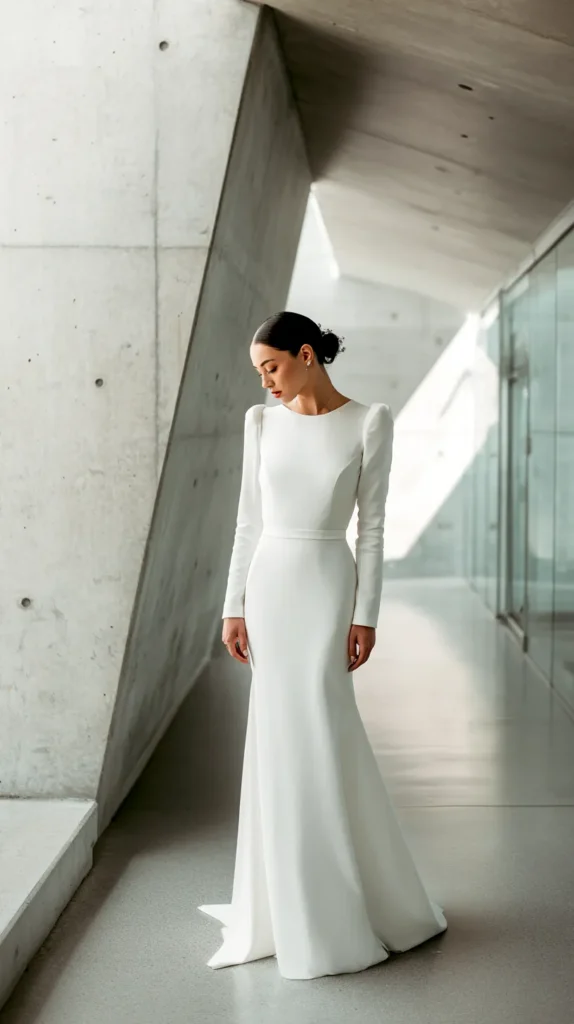
The Trend That Refuses To Fade
Fashion loves a dramatic entrance. Big sleeves arrive. Glitter explodes. Illusion bodices take over. Then suddenly, they vanish.
Minimalist wedding dresses don’t follow that cycle.
They don’t spike. They steady.
Look back at old wedding photos from the 1930s, the 60s, the 90s. You’ll spot sleek satin gowns, clean necklines, and structured A-lines. The details shift slightly, yet the core silhouette stays intact.
That’s not luck. That’s design strength.
A smooth column dress doesn’t depend on trend-driven lace patterns. A square neckline doesn’t rely on seasonal embellishment. Strong seams and clean cuts age better than ornate overlays.
Construction carries the style.
I’ve found that minimalist wedding dresses survive fashion swings because they focus on proportion. Waist placement. Shoulder line. Hem length. Those elements rarely go out of style.
Meanwhile, dramatic add-ons rotate fast.
Oversized bows feel bold for a season. Statement sleeves have dominated for a few years. Heavy sparkle cycles in and out. Clean crepe, however, remains reliable.
Here’s the practical angle.
When a dress doesn’t scream a specific era, resale becomes easier. Alterations cost less. Accessories swap out seamlessly. A cathedral veil one year, a short veil another. The base gown still works.
That flexibility protects your investment.
Minimalist wedding dresses also adapt across venues without clashing. Structured satin suits a ballroom. A silk slip fits a garden. The same silhouette shifts tone with styling.
That’s longevity in action.
Trends chase attention. Minimalism holds presence.
And presence, not decoration, keeps a dress relevant long after fashion headlines move on.
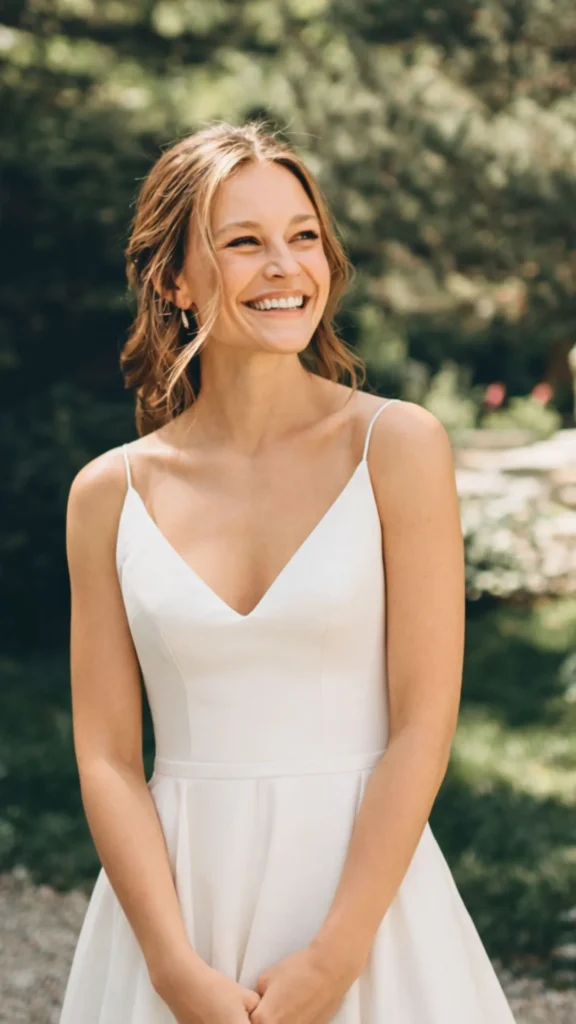
Last Few Thoughts
I keep thinking about how loud weddings can get. Opinions stack up. Trends swirl. Budgets stretch in ways that make your stomach flip a little.
Then a simple dress walks into the room.
Minimalist wedding dresses don’t shout for approval. Instead, they stand steady. Structure holds its shape throughout the day. The bride breathes easily inside them rather than performing for them.
That steadiness feels rare.
Living in Orlando, I see big spectacles all the time. Fireworks, grand entrances, dramatic everything. Yet the looks that linger in my mind are usually the quiet ones. A smooth satin column. A clean square neckline. Nothing excessive, yet impossible to ignore.
That contrast sticks with me.
I’ve found that money-savvy choices create a strange kind of confidence. When you know you didn’t overspend just to impress, your posture shifts. You move lighter. You smile easier. The dress becomes part of you instead of a costume you’re managing.
Pinterest will always tempt us with sparkle and statement sleeves. I still scroll and save those boards. However, I pause longer on clean lines and intentional silhouettes.
Restraint feels powerful right now.
At the end of it all, the gown doesn’t need to carry the fantasy alone. You bring the presence. The dress simply frames it.