I get the appeal of an outdoor kitchen with every fiber of my budget-aware soul. There’s something about cooking outside that makes dinner seem less like a chore and more like an event. Suddenly, burgers are festive, lemonade feels fancy, and even paper plates seem like part of the plan instead of a cry for help.
But then you search for ideas, and the internet acts like everyone has a spare $40,000 and a backyard the size of a boutique hotel. Ma’am, some of us are working with a patio, a dream, and a grill that has seen things. That does not mean the dream is dead.
I’ve found that the best outdoor kitchen ideas are not always the biggest ones. They’re the ones that make real life easier. They give you a place to prep, cook, serve, and keep people from opening the back door 47 times.
As a mom living in Orlando, I also respect anything that keeps heat, crumbs, and chaos outside. If dinner can happen near fresh air instead of a sticky kitchen island, I’m listening.
So no, this does not need to be a luxury renovation with stone arches and a built-in pizza oven. It can be smart, cute, useful, and budget-friendly. The trick is knowing what matters, what’s just showing off, and what quietly changes everything.
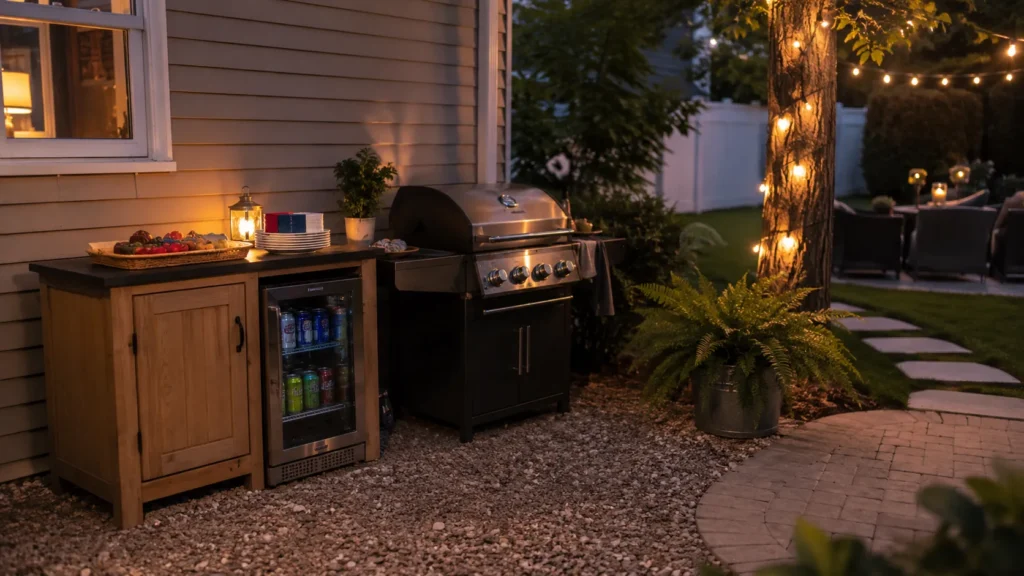
Some of the links on this page are affiliate links, which means I may earn a small commission if you purchase through them. It never costs you extra. You can always peek at my full disclosure if you’d like the details.
Why an Outdoor Kitchen Can Stay Small and Still Work
A small outdoor kitchen can still feel amazing, which feels rude to every giant backyard makeover online. Bigger does not always mean better. Sometimes bigger just means more counters to wipe and more places for pollen to land. I said what I said.
The best setup starts with a simple question: what do you want to stop carrying outside? That answer usually tells you more than any glossy photo. Plates running back and forth? You need storage. Tongs balanced on a chair? You need counter space. Drinks clogging up the kitchen? A cooler zone just earned its place.
I tend to notice that people overbuild before they understand their habits. They add things because they look impressive, not because they solve a problem. Then the whole thing becomes a pretty stage for one lonely grill. Dramatic, but not helpful.
A budget-friendly outdoor kitchen works best when it has a job. It can be tiny and still pull its weight. It can sit against a wall, tuck into a patio corner, or stretch along a fence. The layout matters more than the size.
This is where the whole dream gets more fun. You’re not trying to copy a resort. You’re building a space that saves steps, keeps guests happy, and makes dinner outside feel less fussy.
Also, small spaces force better choices. That’s annoying, but true. You skip the extras and keep the parts that earn their spot. A grill, a prep surface, storage, and a landing place for food can do plenty. Add shade and lighting, and suddenly it feels intentional.
Not cheap. Clever.
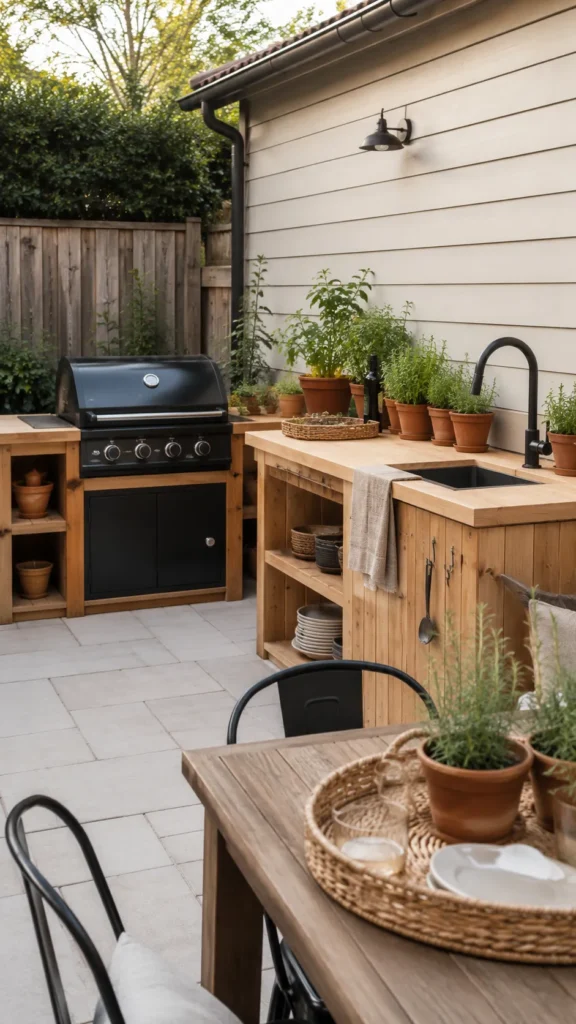
How Much Square Footage an Outdoor Kitchen Really Needs
Square footage sounds serious, like we need blueprints and a clipboard. Thankfully, we can keep this sane. An outdoor kitchen can fit in much less space than most people think. The key is leaving room to move, cook, and open cabinet doors without performing patio yoga.
For a very small setup, think about about 25 to 40 square feet. That gives you space for a grill and a little prep area. It won’t host a cooking show, but it can absolutely handle burgers, tacos, and weekend snacks.
A medium outdoor kitchen often sits around 60 to 100 square feet. That can include a grill, counter space, storage, and maybe a small sink or fridge. This size feels roomy without turning the backyard into a second house.
A larger setup might need 120 square feet or more, especially with seating. Still, bigger adds cost fast. More surface, more plumbing, more wiring, more weatherproof materials. The budget starts doing cartwheels, and not cute ones.
A few simple size notes help:
- 25 to 40 square feet: grill, cart, and small prep station
- 60 to 100 square feet: grill, counters, storage, and serving space
- 100 to 120 square feet: cooking zone plus nearby dining
- 120 square feet or more: larger hosting setup with several zones
However, don’t only measure the cooking area. Also measure walkways. You need space behind chairs, beside the grill, and near doors. A tight space can work, but a cramped space gets old fast.
The little secret? Flow beats size. Every time.

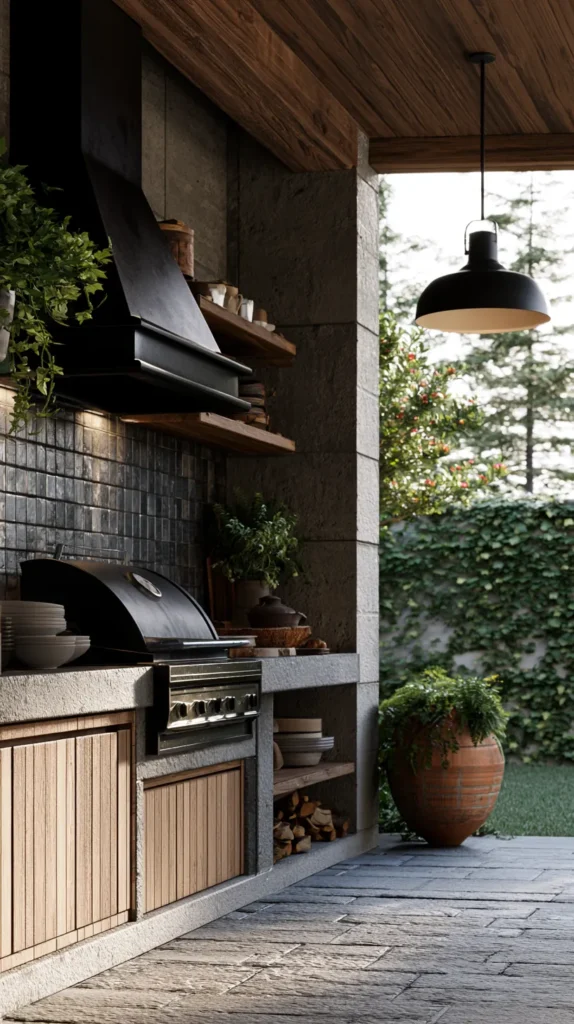
The Budget Trap I Would Cheerfully Dodge
The easiest way to overspend is to start with the pretty stuff. I know. The pretty stuff is rude that way. Tile, stone, lighting, bar stools, planters, cute little shelves. It all whispers, “Buy me first.” Then you still need a grill and nowhere to set the chicken.
I would start with function, then let the pretty layer on top. That sounds less thrilling, but stay with me. A strong base makes even simple decor look better. A flimsy setup with fancy accents still feels flimsy. It just wears earrings.
The biggest budget trap is treating an outdoor kitchen like an indoor kitchen. Outside has different rules. Rain, heat, bugs, wind, sun, dirt, and humidity all show up uninvited. Regular wood may warp. Cheap metal may rust. Soft cushions may fade. Nature is beautiful, but she is not gentle.
So, before spending money, I’d choose the non-negotiables. A safe cooking spot. A sturdy surface. Weather-friendly storage. Good lighting. Shade, if the sun gets bossy. Those pieces matter more than a decorative backsplash, even if the backsplash has main character energy.
Another sneaky cost is plumbing. A sink sounds dreamy, and it can be useful. But plumbing may push the price up fast. For some yards, a beverage tub, rolling cart, or hose-side cleanup station works better.
Same with built-ins. They look polished, but portable pieces can save money and sanity. You can move them, replace them, or rearrange them later.
There’s freedom in not building everything forever. Your first version can be good without being final.
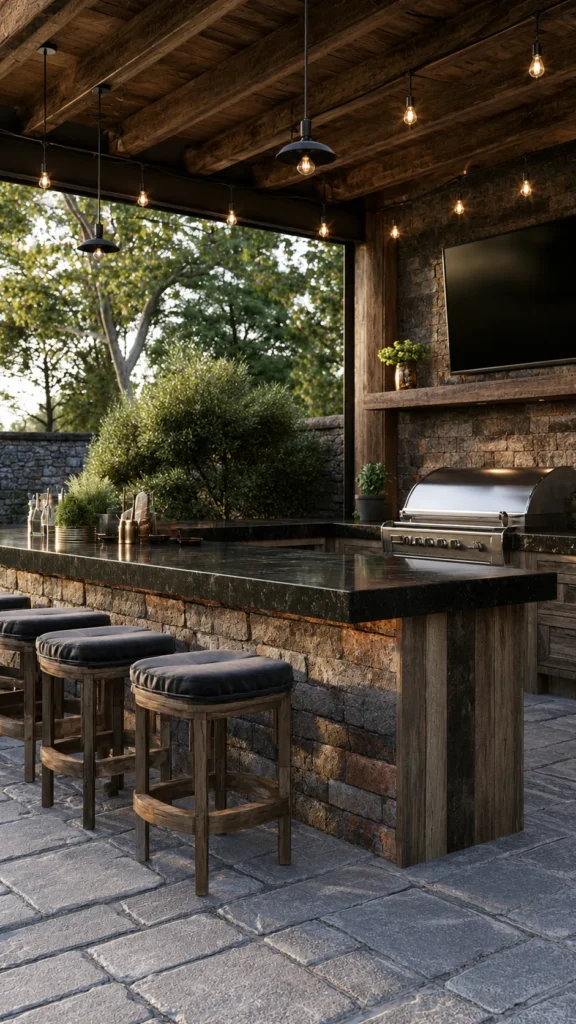
Equipment That Earns Its Keep
Let’s talk equipment, because this is where the outdoor kitchen either becomes useful or turns into an expensive sculpture. I love a pretty setup, but I love a working setup more. Pretty can visit. Useful gets a key.
Start with the cooking piece. For most people, that means a grill. Gas feels easy and fast. Charcoal gives more flavor, but asks for more patience. A flat-top griddle works beautifully for breakfast, burgers, quesadillas, and stir-fry style meals. That thing pulls its weight.
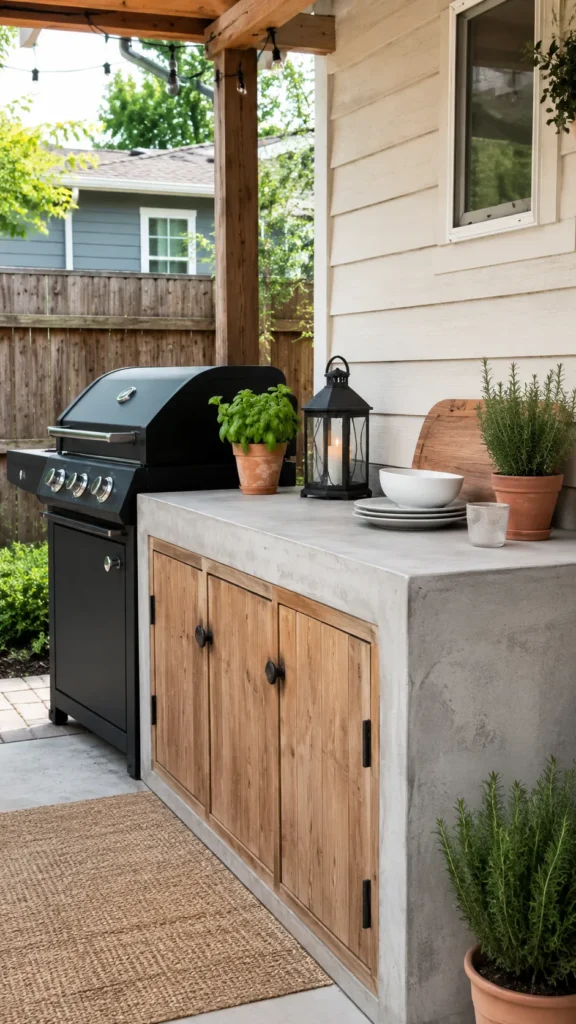
Then think about prep and serving. You need a surface that can handle food, heat, and weather. Stainless steel, sealed stone, concrete, and outdoor-rated counters are common picks. A sturdy cart can also do the job on a smaller budget.
Storage comes next, because running inside for foil is how a simple dinner becomes a cardio event. Choose weather-safe bins, cabinets, or deck boxes. Then keep only outdoor basics there.
Good equipment to consider:
- Grill or griddle: the main cooking zone
- Prep counter: for cutting, plating, and resting food
- Outdoor storage: for tools, foil, towels, and serving pieces
- Trash can: because guests should not hunt for one
- Cooler or mini fridge: useful for drinks and cold sides
- Lighting: needed after sunset, not optional
- Shade: umbrella, pergola, awning, or shade sail
- Serving tray area: the quiet hero of outdoor meals
However, I would not buy everything at once. Build around what you cook most. If you never make pizza, skip the pizza oven. If you host big drink-heavy parties, focus on cold storage.
That’s the reframe. Equipment should match your life, not someone else’s highlight reel.
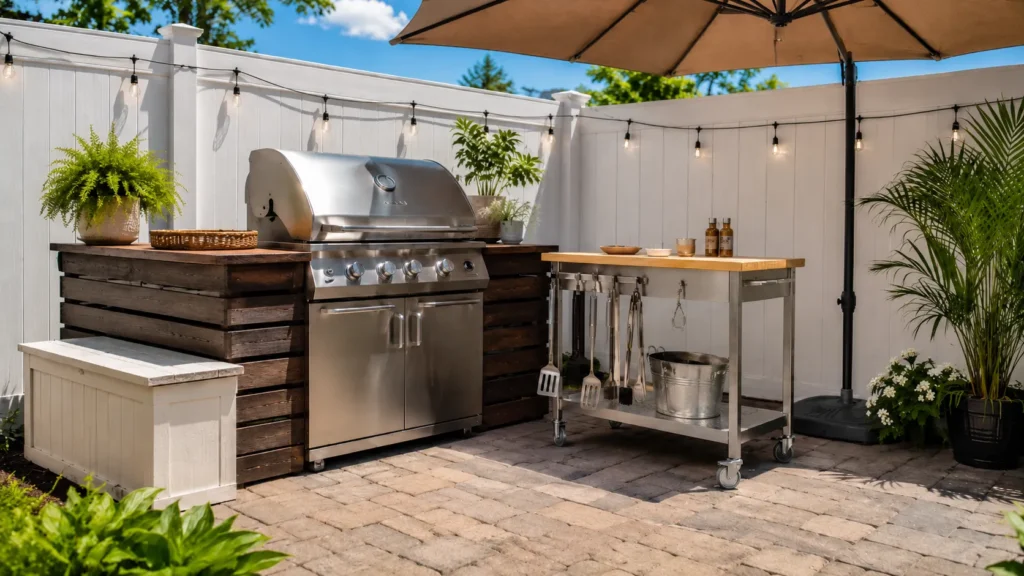
Design Ideas That Make Cheap Look Intentional
Budget design gets better when it looks planned. That’s the little trick. A mix of random cheap pieces can look, well, random. But repeat colors, textures, and shapes, and suddenly the whole space has opinions. I adore a space with opinions.
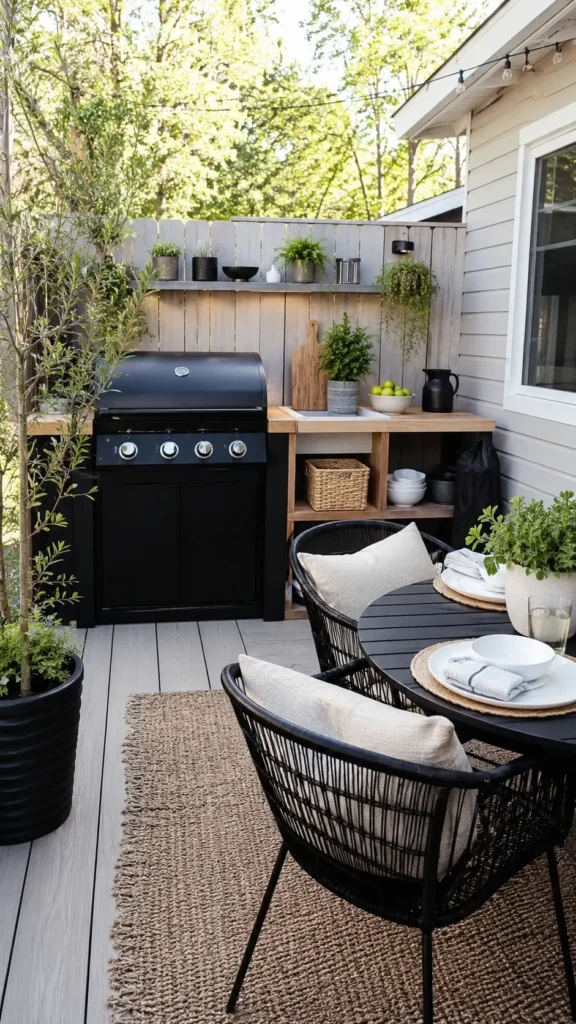
A simple color palette helps right away. Black, white, wood, and green always works. So does tan, cream, terracotta, and brass. You do not need ten colors fighting for attention. Pick a few and let them behave.
For an outdoor kitchen, I’ve found that texture matters more than fancy items. Wood shelves, woven baskets, metal hooks, stone pavers, and plants can make a basic grill zone feel styled. Not staged. Styled. There’s a difference, and my imaginary clipboard is very firm about it.
Lighting also changes everything. String lights are popular for a reason. They make an average patio feel like it has weekend plans. Solar path lights, wall sconces, lanterns, and under-counter lights can also help. Warm lighting feels softer than harsh bright light, especially near food.
Another budget move is creating zones. One corner can hold the cooking area. Another can hold drinks. A nearby table can become the serving spot. The yard feels more finished when each space has a role.
But here is the sneaky part. Design should hide the boring stuff. Use a deck box for supplies. Add hooks for tools. Put trash nearby but not center stage. Keep a tray ready for carrying things inside.
A good setup does not need to shout. It just needs to make sense.
And when it makes sense, people notice that before they notice the price.

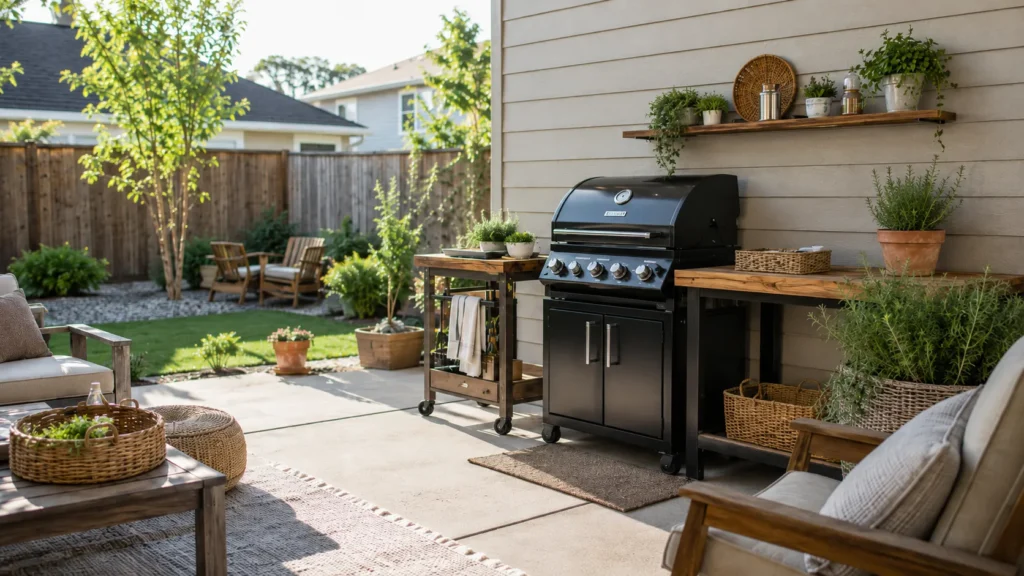
DIY Outdoor Kitchen Projects That Don’t Require Bravery
DIY can mean many things. Sometimes it means building a full stone island. Sometimes it means screwing hooks into a fence and calling yourself powerful. I support both, but I have a special fondness for the second one.
A DIY outdoor kitchen does not need to start with concrete blocks and a nervous trip to the hardware store. It can start with small upgrades that make the space work better. Those changes still count. We are not gatekeeping backyard happiness today.
The easiest DIY wins are the ones that solve annoying problems. No place for tools? Add a rail with hooks. No prep space? Use an outdoor cart. Drinks taking over the table? Create a cooler station. Guests keep asking where napkins are? Put supplies in one labeled bin.
Try these approachable ideas:
- Rolling grill cart: adds prep space without building anything permanent
- Wall hooks: hold tongs, towels, baskets, and grill brushes
- Outdoor shelf: stores plates, trays, and seasonings
- Paver base: creates a cleaner zone under a grill or cart
- Painted privacy screen: adds style and hides clutter
- DIY serving station: turns a console table into party central
- Cooler cabinet: keeps drinks outside and out of the kitchen
- Planter border: softens the cooking area without major work
Also, think in layers. First, make the space safe. Then make it useful. After that, make it cute. Cute is allowed. Cute just should not lead the meeting.
One more thought: portable DIY is underrated. A movable cart, folding table, or storage bench can shift with your needs. That matters when seasons change, budgets change, or you suddenly decide the grill belongs three feet left.
Growth is allowed. Even for patios.

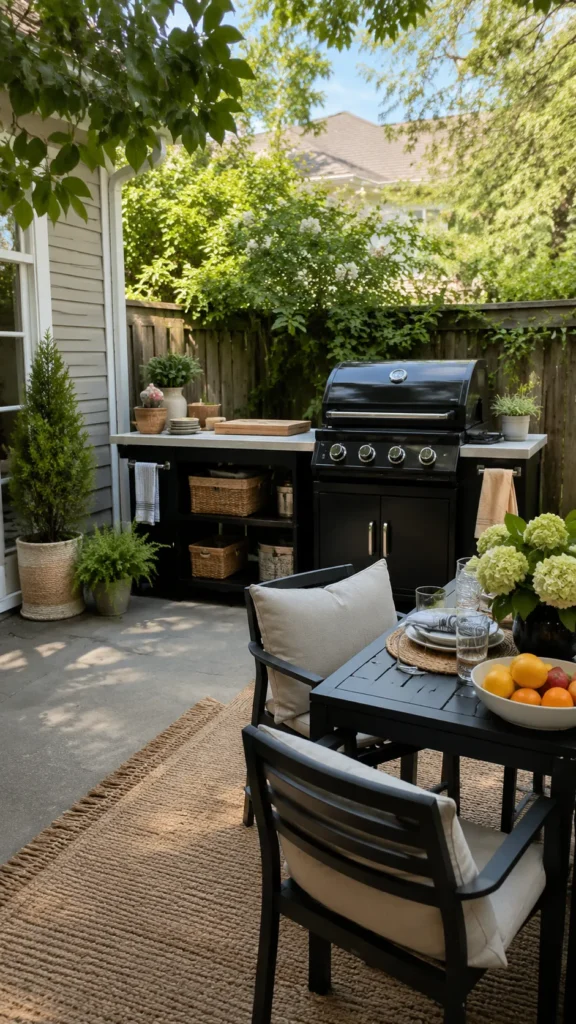
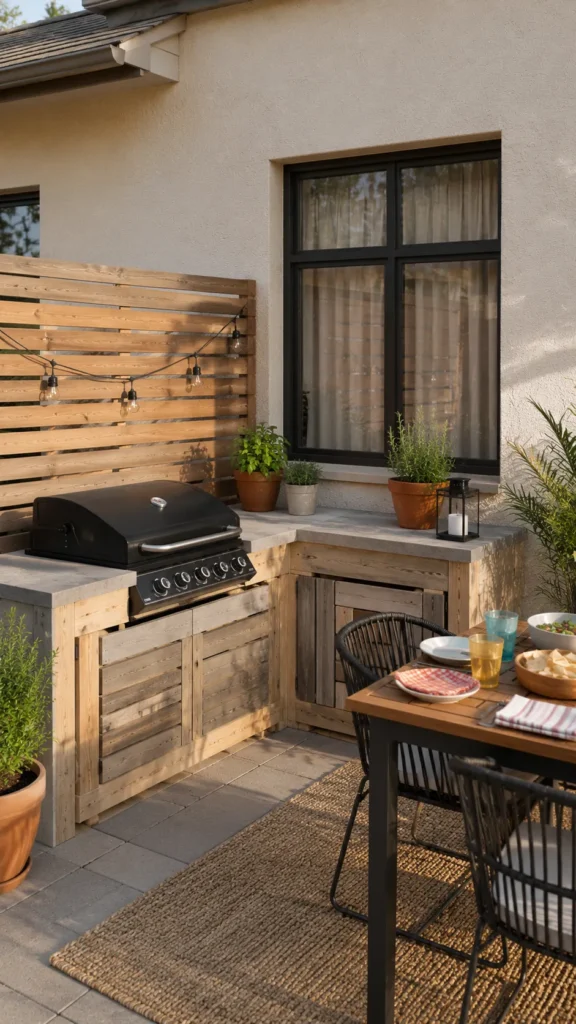
The Layout Choices That Keep Dinner From Becoming Chaos
A good layout feels calm, even when everyone wants a hot dog at the same time. That matters more than most people expect. Outdoor cooking can get messy fast because people gather where the food is. It’s sweet. It’s also a traffic jam with sandals.
The best outdoor kitchen layouts keep cooking, serving, and sitting from crashing into each other. I tend to think of it like a tiny backyard map. Grill here. Prep there. Drinks away from the heat. Trash close, but not glamorous. Seating nearby, but not directly in the splatter zone.
That last part matters. Nobody wants to sit beside a grill while smoke chooses violence. Give the cook room to work. Give guests a place to hover that does not block the spatula. Everyone wins, and dinner feels less like a group project.
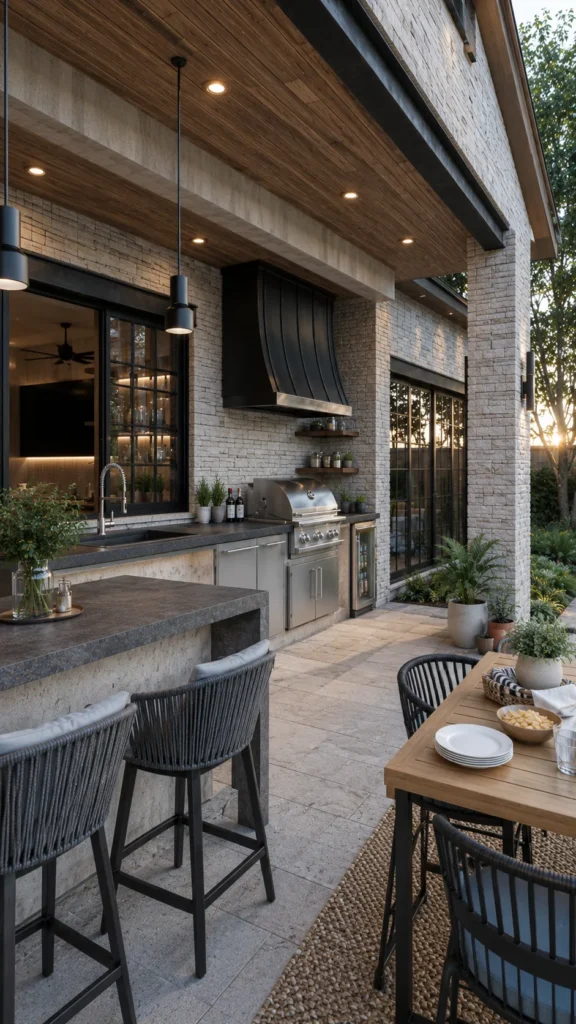
A straight-line layout works well against a wall or fence. It saves space and looks clean. An L-shape gives more counter room and creates a nice corner for prep. A U-shape feels fancy, but it needs more space and money. So, I’d only go there if the yard can handle it.
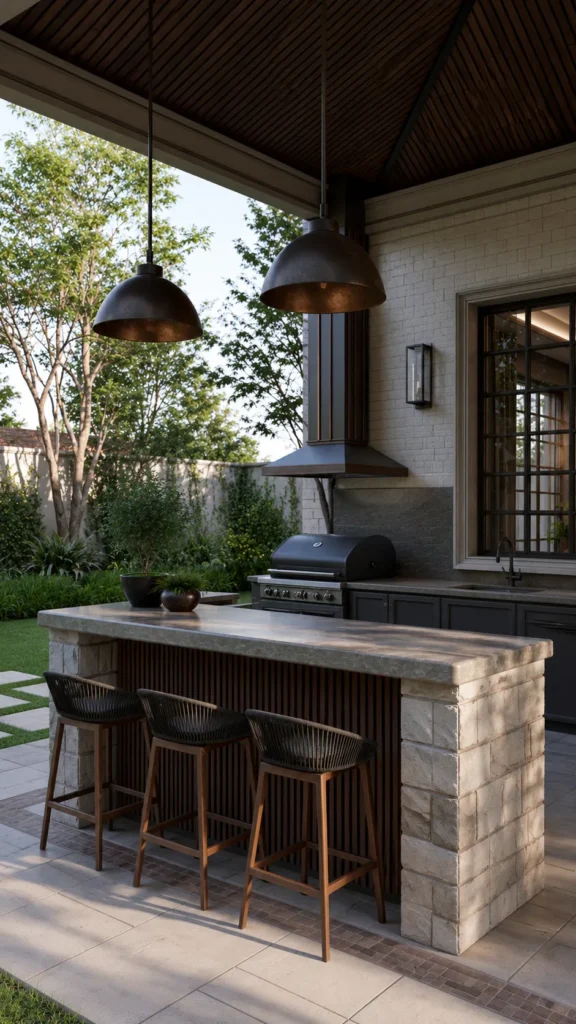
A grill island can work too, especially with seating nearby. Just watch clearance. You need room to open the grill, move around, and set hot pans down safely. Pretty stools do not fix a bad walkway.
Here is the reframe: layout is not about showing off the space. It is about removing little annoyances before they happen.
Because once guests arrive, the tiny annoyances become loud. The missing tray. The blocked drawer. The drink cooler behind someone’s chair. Chaos loves poor planning. Don’t feed it.

Outdoor Kitchen FAQs Before You Spend Real Money
Questions come up fast once the dream gets serious. That’s normal. An outdoor kitchen sounds simple until you start thinking about weather, storage, space, and the tiny matter of not wasting money. So let’s handle the big ones before the budget starts making dramatic noises.
- How much does a budget outdoor kitchen cost? A simple setup can start with a grill, cart, storage box, and lights. That may cost a few hundred dollars. A built-in version can cost thousands, especially with stone, plumbing, or electric work.
- Do I need a sink outside? Not always. A sink helps, but it can raise costs. Many people can use a wash bin, hose station, or indoor sink nearby.
- What is the smallest outdoor kitchen size that works? Around 25 to 40 square feet can work for a basic grill and prep area. The layout matters more than the number.
- Should I choose built-in or portable pieces? Portable pieces cost less and give more flexibility. Built-ins look polished, but they cost more and stay put.
- What should I buy first? Start with the grill or griddle. Then add prep space, storage, lighting, and shade.
- Can I build it myself? Yes, if you keep the project simple. Carts, shelves, pavers, hooks, and storage stations are realistic DIY upgrades.
- What materials work best outside? Stainless steel, sealed stone, concrete, brick, and weather-rated wood tend to hold up better.
- How do I make it look nice on a budget? Repeat colors, add lighting, hide supplies, and use plants. The space will look planned, not pieced together.
The real answer is this: start smaller than the internet tells you to. You can always add more later.

The Backyard Dream Can Start Before It Looks Perfect
I like the idea of letting a backyard grow into itself. That sounds dramatic, but it’s true. Not every space needs a giant makeover before it becomes useful. Sometimes the first version is just a grill, a cart, a bin of supplies, and enough lighting to see the ketchup.
And that still counts.
An outdoor kitchen does not need to impress strangers on Pinterest before it serves your family well. It can be budget-friendly, a little scrappy, and still completely charming. In fact, those are often the spaces people use most, because they don’t feel too precious.
As a mom in Orlando, I love any setup that keeps dinner casual and the house a little cooler. Hot weather has enough nerve already. I don’t need my indoor kitchen joining the drama.
So I’d start with the part that annoys you most. Maybe that means a landing spot for hot trays. Maybe storage finally stops the back-and-forth shuffle. A little shade can make the whole space easier to use, and a drink station keeps people from standing in front of the fridge like it contains the meaning of life.
Little by little, the space starts working harder. Then it starts looking better. Then one day you’re outside with a plate in your hand thinking, “Well, look at us being backyard people.”
That’s the whole point, really. Not perfection. Not a magazine spread. Just a smart, happy space that makes ordinary meals feel like they got dressed up and remembered the good earrings.