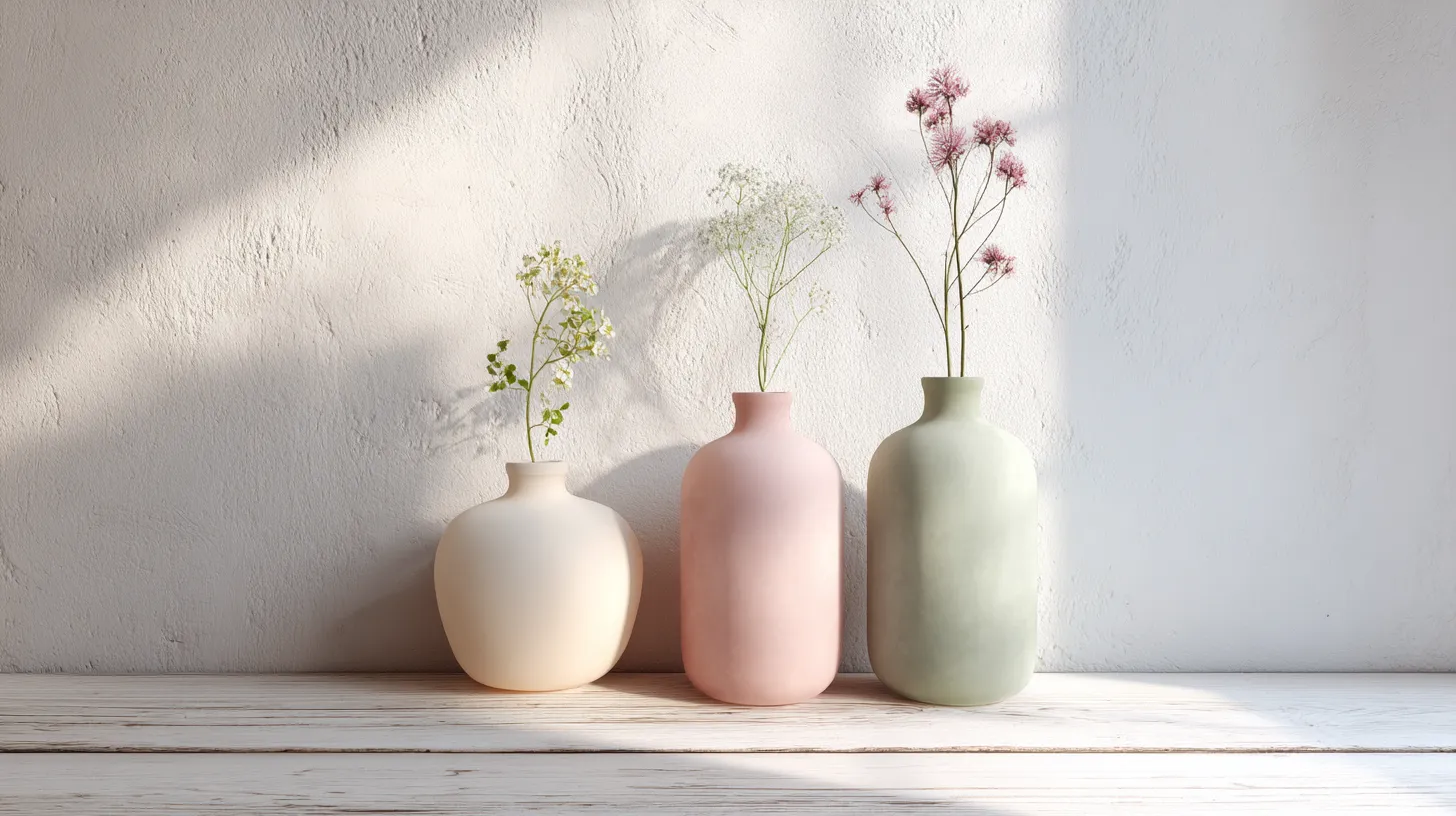
Planter boxes come up constantly when women want style without spending like a reality show set designer. I get it. The idea sounds expensive, bulky, and maybe a little Pinterest-perfect. However, I’ve found that planter boxes are one of the easiest upgrades that look intentional without draining savings. They add structure, color, and polish fast. More importantly, they work in small spaces, rentals, and tight budgets. That combination matters.
I want this post to feel like a calm conversation over coffee. We are talking about smart choices, not perfection. We are talking about style that looks finished, not fussy. Planter boxes help bridge that gap. They give you control over plants, placement, and spending. Meanwhile, they quietly elevate patios, porches, balconies, and even kitchens.
Because I live in Orlando, heat and humidity shape every outdoor decision I make. That reality forced me to think creatively and budget wisely. Sun, rain, and bugs demand practical solutions. Thankfully, planter boxes offer flexibility without permanent commitment. You can move them, refresh them, or repurpose them easily.
Throughout this post, I’ll walk through smart ways to use planter boxes without overspending. We will talk materials, placement, styling tricks, and savings strategies. I’ll also share things I’ve learned along the way using honest phrasing only. No dramatic before-and-after stories. Just realistic advice that works.
If you love style but watch your budget closely, you’re in the right place. Let’s talk about planter boxes that look high-end and cost far less than expected.
Some links on this page are affiliate links, so I may earn a small commission if you click and buy. But don’t worry; it never costs you more. You can peek at my full disclosure if you’re curious about the fine print.
Why Planter Boxes Are a Budget-Friendly Style Shortcut
Planter boxes instantly create structure, which makes any space look planned and finished. That matters when you want style without expensive renovations. Instead of changing floors or furniture, planter boxes redirect the eye. As a result, the space feels upgraded fast.
Because planter boxes define edges, they act like visual furniture. They frame doors, line walkways, and soften harsh corners. Meanwhile, they cost far less than built-ins. I’ve found that even basic planter boxes can anchor a space beautifully.
Another benefit is control. You decide what grows and where it lives. Consequently, you avoid expensive landscaping mistakes. If something fails, you replace a plant, not the whole yard. That alone saves money.
Planter boxes also adapt to every season. With one container, you can rotate plants throughout the year. Therefore, your space stays fresh without new décor purchases.
Budget-friendly reasons include:
- They create instant symmetry without permanent construction
- They elevate inexpensive plants into statement pieces
- They allow small-space gardening without yard work
- They help renters decorate without damage
- They work indoors and outdoors
Although trends change, planter boxes stay relevant. You can paint them, stain them, or move them easily. As trends shift, the box remains useful. That flexibility protects your budget long-term.
When style matters but spending needs boundaries, planter boxes quietly do the heavy lifting. They work harder than most décor pieces, which makes them a smart investment.
Choosing Affordable Materials That Still Look Stylish
Material choice matters more than size when working with planter boxes on a budget. Some materials simply age better without costing more. Others look cheap quickly, which wastes money.
Wood remains a popular choice because it feels warm and timeless. However, not all wood costs the same. I’ve found that untreated pine works well when sealed properly. Meanwhile, cedar costs more but lasts longer outdoors.
Plastic planter boxes often get a bad reputation. Yet modern designs look surprisingly elevated. Because they are lightweight, they work well on balconies and rentals. Additionally, they resist moisture damage better than cheap wood.
Metal planter boxes feel modern and clean. However, thin metal can rust fast in wet climates. Therefore, powder-coated options offer better value long-term.
Concrete planters look expensive but weigh a lot. As a result, they work best when you want permanence. Lightweight concrete blends give a similar look for less strain and cost.
When shopping, I suggest focusing on texture over trend. A simple shape with good texture ages better than trendy silhouettes.
Affordable material tips:
- Look for smooth seams and solid corners
- Avoid flimsy bottoms that bow with soil weight
- Choose neutral colors that work year-round
- Check drainage holes before buying
Planter boxes should support plants, not become a maintenance headache. When materials hold up, you save money replacing less. That is real budget wisdom.
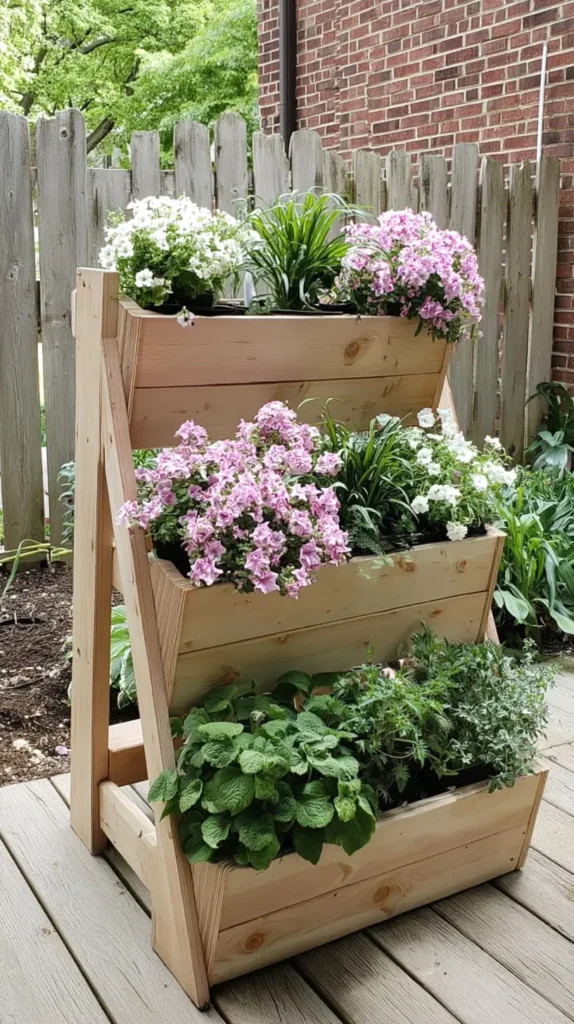
Planter Boxes As the Quiet Rule-Set for a Space
I think of planter boxes as the polite British host of a room. They never bark orders. Instead, they gently suggest where things belong. That subtle guidance changes everything. Rather than adding furniture to force structure, planter boxes create it naturally.
Imagine a patio that feels awkwardly wide. Furniture floats. Nothing quite lands. Planter boxes solve that without drama. When you line them along an edge, the space suddenly knows what it is. Seating feels anchored. Walkways make sense. The chaos calms down.
What makes this approach different is restraint. Instead of filling space, you’re editing it. Planter boxes act like punctuation marks. They pause movement. They guide the eye. They say enough without saying too much.
I’ve found this works indoors too. Open rooms often feel unfinished, not empty. Planter boxes fix that by creating soft boundaries. They separate areas without walls or shelves. Meanwhile, light still moves freely.
Another benefit shows up over time. Furniture locks you into one layout. Planter boxes stay flexible. You can slide them six inches and change the whole rhythm. That kind of freedom usually costs more.
There’s also something grounding about greenery doing the organizing. Hard furniture tells you where to sit. Planter boxes quietly suggest where to linger. That difference matters.
Because planter boxes multitask, they replace several purchases at once. One well-placed box can do the job of a console, divider, and decorative accent. That efficiency protects your budget.
When a space feels calmer, style follows effortlessly. Planter boxes don’t decorate the room. They teach it how to behave.
How Size and Placement Save You Money Long-Term
Bigger is not always better with planter boxes. In fact, oversized planters often waste soil, plants, and water. Choosing the right size protects your budget and your patience.
First, think about plant roots. Herbs and flowers need less depth than shrubs. Therefore, shallow boxes work beautifully and cost less to fill.
Placement also affects longevity. Planter boxes placed directly on concrete trap moisture underneath. Over time, that causes rot. Elevating boxes slightly extends their life.
Sun exposure matters too. Plants struggling in the wrong light require replacement. However, planter boxes let you adjust placement easily. That flexibility reduces plant loss.
Consider these placement strategies:
- Use narrow planter boxes along railings
- Place tall boxes near doors for visual height
- Cluster smaller boxes instead of one large piece
- Avoid placing boxes where sprinklers oversoak
Additionally, planter boxes can create zones. For example, they define outdoor seating without fences. That design trick adds value without construction costs.
Inside, planter boxes work as room dividers. They soften open spaces without blocking light. Meanwhile, they cost far less than shelving units.
When size and placement work together, planter boxes last longer and look intentional. That combination saves money year after year.
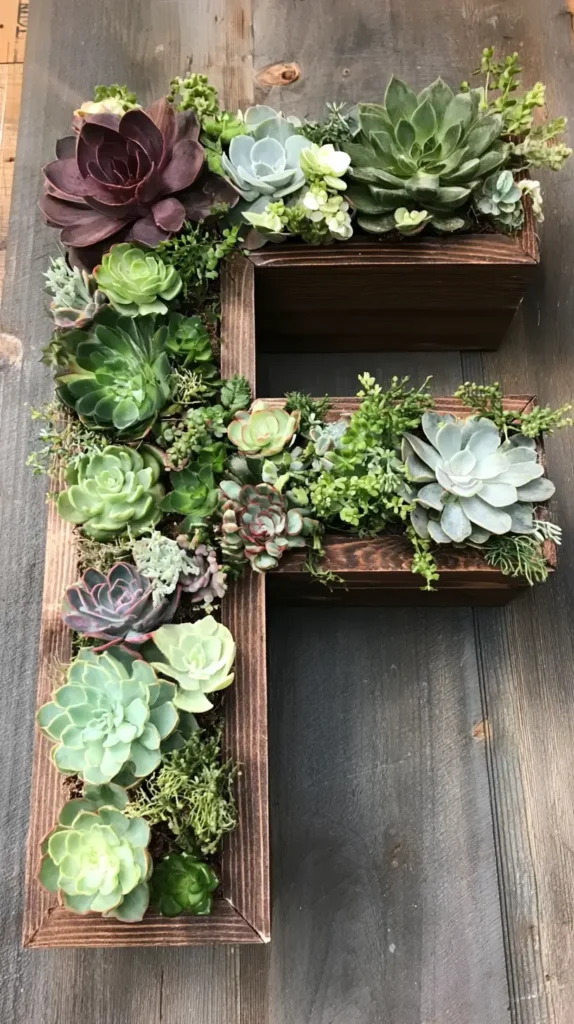
Styling Planter Boxes Without Buying New Plants
Plants can get expensive fast. However, planter boxes let you reuse what you already own. That strategy keeps spending under control.
I’ve found that rearranging plants changes the entire look of a space. Instead of buying new greenery, swap locations. The planter box does the styling work.
Grouping similar plants creates impact. For instance, three small herbs look intentional together. Separately, they look scattered. Planter boxes solve that problem.
You can also mix real and faux plants strategically. Place faux plants in hard-to-reach boxes. Meanwhile, use real plants where maintenance is easy.
Low-cost styling ideas include:
- Using trailing plants to soften edges
- Mixing textures rather than colors
- Sticking to one plant type per box
- Repeating the same plant for cohesion
Paint transforms planter boxes instantly. A neutral color refresh costs far less than replacement. Additionally, painted boxes adapt to seasonal décor easily.
Mulch and top dressing matter too. Pebbles, bark, or moss hide soil and elevate the look. They cost little but add polish.
Planter boxes shine when styling stays simple. When you let plants breathe visually, the result looks curated, not cluttered.
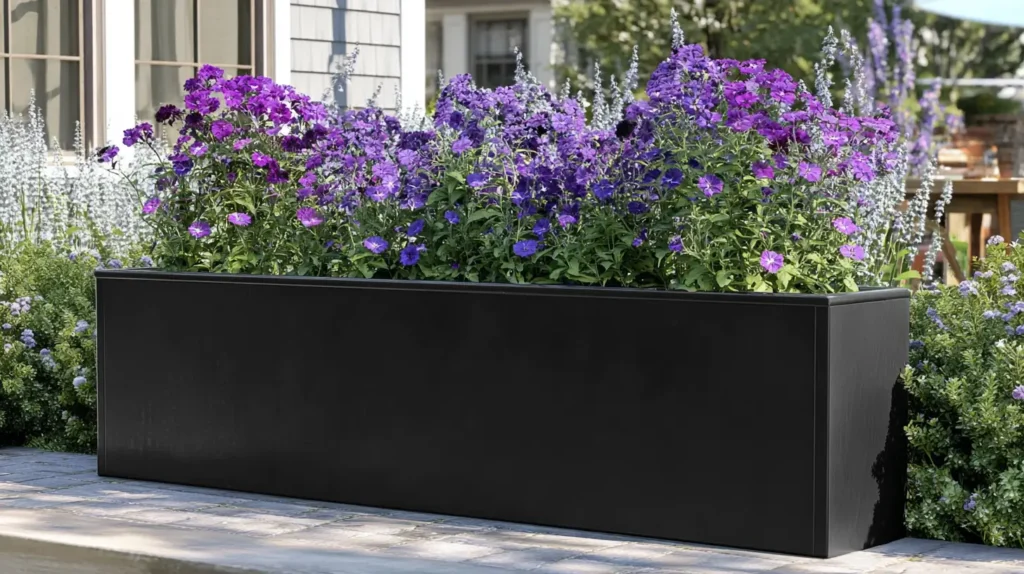
Long, Skinny Planter Boxes Used Like Visual Runners
Long, skinny planter boxes are wildly underused, which makes them quietly powerful. Most people think small and square. That’s the mistake. When a planter box stretches horizontally, it behaves like a design line. That line tells the eye where to travel. Suddenly, the space looks intentional.
I think of these planter boxes the way designers use rugs. They connect areas without enclosing them. Along a wall, they calm visual noise. Under a window, they ground the room. On a patio, they guide traffic naturally. Nothing feels blocked or crowded.
What makes this planter type special is its subtle authority. A long planter box doesn’t scream for attention. Instead, it creates order. I’ve found that even sparse greenery looks elevated inside a long, low box. The shape does most of the work.
Because these planter boxes sit low, they don’t compete with furniture. They cooperate with it. That keeps the room relaxed. Chairs breathe better. Walkways stay open. The space stops fighting itself.
There’s also a budget win here. One long planter box often replaces several smaller containers. Fewer pieces mean fewer plants to buy. Maintenance drops too. That matters long-term.
This type works indoors beautifully. Place one along a blank wall instead of art. The greenery becomes living texture. Outdoors, they shine along railings or fences. They soften hard lines without adding bulk.
The real magic is continuity. When planter boxes repeat in a long form, the space feels cohesive. Everything connects quietly.
That’s why this planter type feels designer-smart. It organizes without demanding attention. Style follows naturally when the structure makes sense.
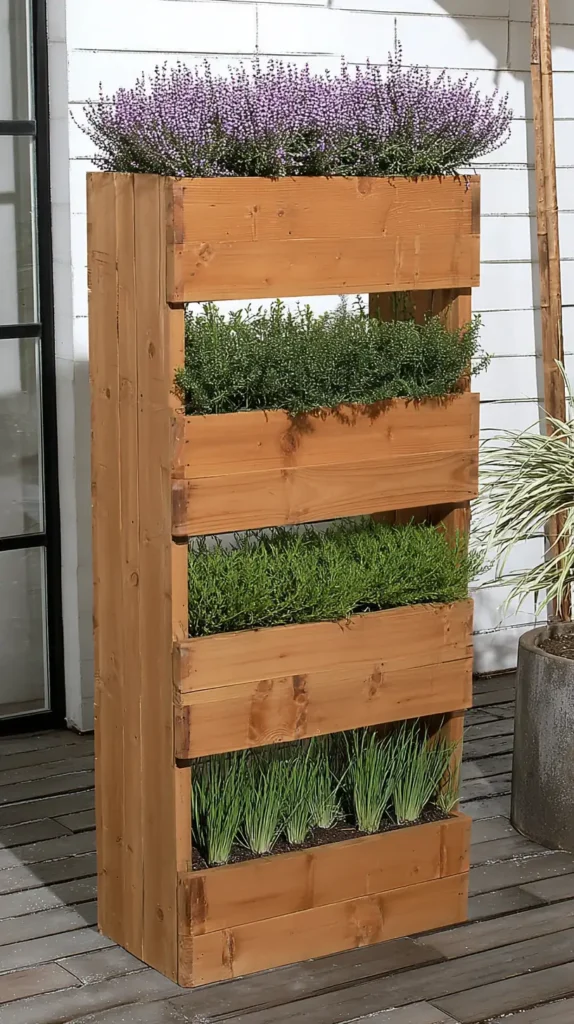
DIY Planter Boxes That Don’t Look Homemade
DIY planter boxes can save money, but only when done thoughtfully. Poor construction costs more long-term. However, simple designs age well.
Straight lines and basic shapes look intentional. Fancy cuts often highlight mistakes. Therefore, beginner-friendly designs perform better visually.
Using standard lumber sizes reduces waste. That keeps material costs predictable. Additionally, fewer cuts mean fewer errors.
Sealing matters more than design. I’ve found that proper sealing extends life dramatically. Skipping that step ruins savings fast.
Smart DIY tips:
- Use exterior screws only
- Pre-drill holes to avoid splitting
- Add feet or risers underneath
- Seal all sides, including bottoms
Staining instead of painting shows wood grain. That hides imperfections better. Meanwhile, neutral stains blend with most spaces.
DIY planter boxes work best when they mimic store-bought proportions. Measure similar products for reference before building.
When DIY looks intentional, it adds pride without screaming homemade. That balance keeps style intact while protecting your budget.
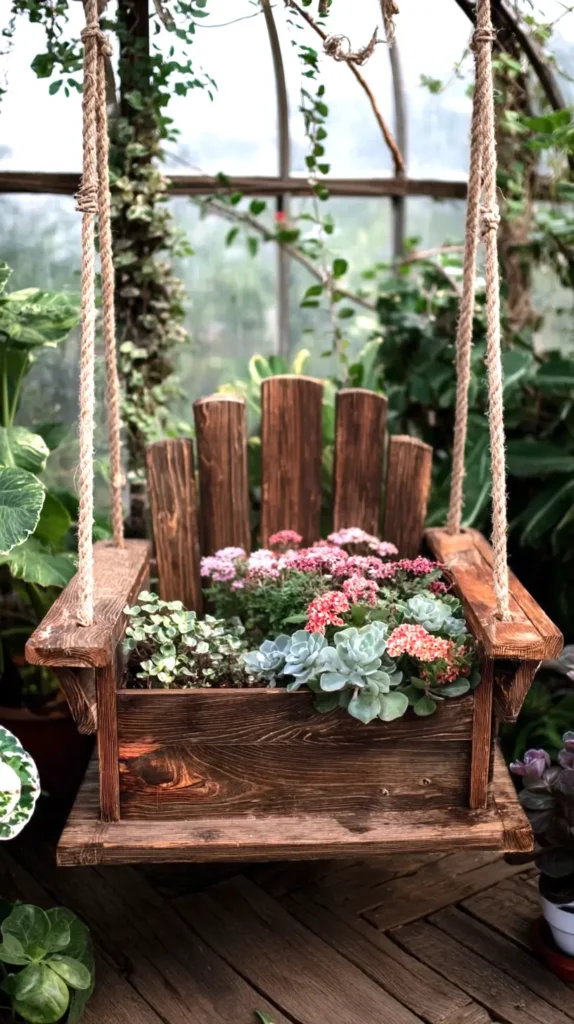
Using Planter Boxes to Fake Built-In Style
Built-ins look expensive because they feel permanent. Planter boxes recreate that effect without commitment. That trick works beautifully indoors and out.
Think of it this way: putting planter boxes against a wall gives off that fancy custom millwork vibe. In the meantime, feel free to shift them around whenever you want!
Planter boxes on patios? They’re basically railings with style! They create privacy without fencing costs. Additionally, they soften harsh lines naturally.
Indoors, planter boxes define entryways. A tall box anchors the space without furniture purchases.
Ways to fake built-ins include:
- Matching planter boxes for symmetry
- Using consistent plant heights
- Aligning boxes with architectural lines
- Keeping spacing even
Color coordination matters. When planter boxes match surrounding tones, they blend seamlessly. As a result, the space feels designed, not decorated.
This approach works especially well in rentals. You gain structure without violating rules. That flexibility keeps deposits safe.
Planter boxes give you the illusion of permanence without actual permanence. That is budget-friendly style at its best.
Seasonal Updates That Don’t Break the Bank
Seasonal décor adds up quickly. Planter boxes make switching up the seasons a breeze! You change plants, not containers.
For spring, bulbs and greenery refresh everything. Summer brings herbs and grasses. Fall welcomes mums and ornamental kale. Winter favors evergreens.
Because the box stays, costs drop dramatically. Additionally, storage needs disappear.
Budget-friendly seasonal swaps include:
- Switching plant liners instead of full pots
- Using seasonal top dressing colors
- Adding inexpensive plant stakes
- Rotating boxes to new locations
Planter boxes help you avoid those random décor splurges! When greenery looks intentional, fewer extras feel necessary.
Keeping a neutral box color helps. It works year-round and avoids repainting.
Seasonal updates should feel easy, not stressful. Planter boxes make that possible without overspending.
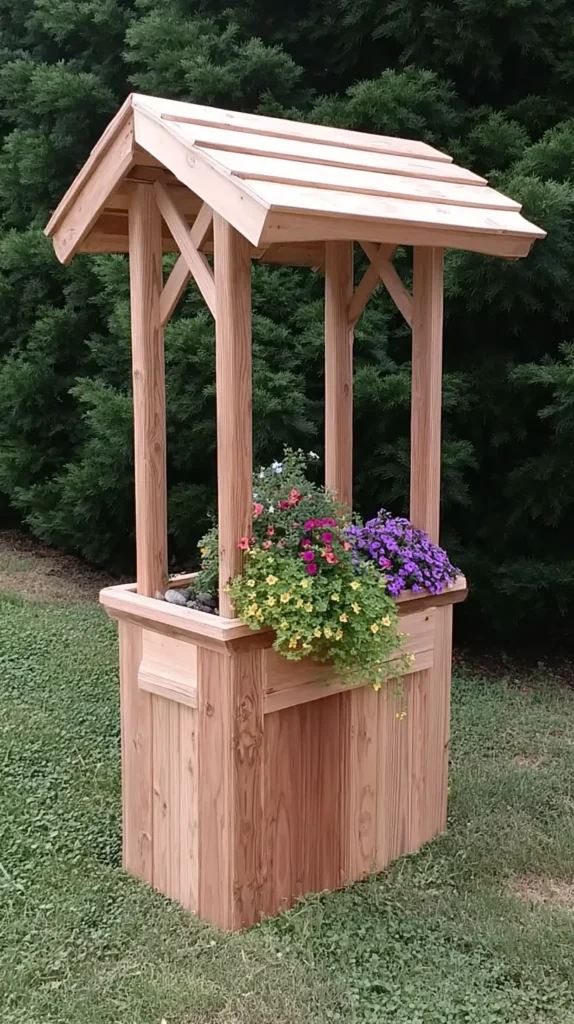
Final Thoughts
I love budget-friendly design because it rewards creativity over spending. Planter boxes totally nail that vibe! They offer structure, flexibility, and style without locking you into one look. I’ve found that when décor works hard, money stretches further.
What I appreciate most is the quiet confidence planter boxes bring. They don’t shout for attention. Instead, they support the space gracefully. That kind of style ages well.
Living in Orlando reminds me daily that practicality matters. Weather, heat, and bugs keep me grounded in realistic choices. They meet those needs while still looking polished.
This is the kind of décor Pinterest loves because it photographs beautifully and adapts easily. However, it also works in real life, which matters more.
Looking to keep it stylish without breaking the bank? Planter boxes are a must-have in your game plan! They’re super flexible, easygoing, and pack a punch!
When money-savvy choices still look good, confidence grows. That confidence shows in your space, not your spending.