I have very real thoughts about sausage balls, and none of them are subtle. They live in that rare category of food that people underestimate right up until the tray is empty. Every time. Nobody gushes over them. Nobody posts dramatic captions. Yet somehow, they disappear faster than anything else on the table.
I’ve found that sausage balls succeed because they stay out of the way. They don’t interrupt conversations. They don’t require instructions. People grab one mid-sentence and keep talking like nothing happened. That kind of ease matters more than clever presentation ever will.
Because I live in Orlando, I also think about food differently than someone planning a cozy winter gathering. Heat changes everything. Heavy snacks slow people down. Bland snacks get ignored. Flavor has to show up, but not scream. Balance becomes the real goal.
I’m not here to mess with a classic or make it all fancy. I’m not into new stuff just for the fun of it. Let’s chat about why some sausage balls are just better than the rest and why I always go for my trusty favorites.
Because this recipe uses just four familiar ingredients, it stays affordable without cutting corners. Sausage balls also stretch well, which makes them an easy way to feed a group without increasing the grocery bill.
Along the way, I’ll share the version I actually make, the shortcuts I skip, and the details I care about more than most people admit. Mostly, this is me thinking out loud the way I do while preheating the oven and clearing counter space.

Some of the links on this page are affiliate links, which means I may earn a small commission if you purchase through them. It never costs you extra. You can always peek at my full disclosure if you’d like the details.
Why Sausage Balls Never Stop Showing Up
I always notice how sausage balls slide into almost any gathering without needing adjustments. Holiday mornings, casual parties, school events, and last-minute get-togethers all seem to make space for them naturally. That kind of flexibility keeps them in rotation year after year.
What stands out to me is how they solve practical problems nobody announces. Guests want something filling without committing to a full plate. They want food that works while standing in the kitchen. They also want to keep conversations moving without interruptions. Sausage balls manage all of that at once.
Portion size matters more than most recipes admit. Smaller bites encourage pacing and repeat visits. Larger items force people to decide too much. Sausage balls sit comfortably in the middle, which keeps people circling back without thinking about it.
I’ve found they also bridge age gaps in a way few foods manage. Kids grab them without hesitation. Adults do the same, just with quieter confidence. That shared appeal matters when feeding mixed groups with different appetites and expectations.
Texture quietly determines everything here. Dry sausage balls lose traction fast. Moist ones keep interest longer. That difference often decides whether a tray empties slowly or disappears before anyone notices.
Because sausage balls don’t require sitting down, they support the natural rhythm of a gathering. People eat while talking, moving, and laughing. That flow keeps energy relaxed instead of structured.
I trust foods that work within the moment rather than demanding attention. Sausage balls earn their spot by fitting seamlessly into how people actually gather.
Flavor Choices That Don’t Overcomplicate Things
I think about balance first whenever I make sausage balls, because extremes ruin otherwise solid food. Flavor should register quickly, then calm down. Anything that demands attention too long becomes distracting instead of helpful.
Spice works best when it stays controlled and intentional. Too much heat hijacks the whole bite. Too little heat disappears before it matters. I always aim for the middle, even when bold flavors sound tempting in theory.
Living in a warm climate reinforces that mindset every time. Strong heat lingers longer when it’s hot outside. Gentle warmth stays comfortable and familiar, even when people keep eating without thinking twice.
I’ve noticed guests rarely comment on subtle spice at all. Instead, they keep reaching back, then back again, without pausing. That pattern tells me more than compliments ever could.
Cheese choice affects texture just as much as flavor. Some cheeses turn greasy as they cool. Others tighten up and lose cohesion. The ones that melt smoothly stay consistent from the first bite to the third.
That consistency matters more than people admit. The first bite gets attention, but the third bite decides whether the tray empties. Sausage balls that stay balanced keep momentum longer.
Because of that, I avoid stacking bold elements together. Restraint keeps flavors clear instead of muddled. Complexity sounds exciting, but balance performs better in real kitchens.
This approach keeps sausage balls familiar while improving the experience quietly. Expectations stay intact without surprises. Everything works smoothly without demanding focus.
I’ve found that when the balance is right, people stop thinking about the food altogether. They eat, talk, and move naturally. That reaction is exactly what I’m aiming for.

Texture Is the Thing That Decides Everything
Texture decides whether sausage balls succeed or stall, and I pay attention to that the moment I start mixing. Flavor gets people interested, but structure decides whether they come back for another. I always notice when a batch crumbles too easily, because that problem shows up as soon as they cool.
With this recipe, dryness usually traces back to how the biscuit mix behaves. Too much dry mix pulls moisture away from the sausage and cream cheese before the baking finishes. Too little structure leaves soft spots that collapse once they come out of the oven. The balance between those two matters more than any seasoning tweak.
Cream cheese changes the texture immediately. It softens the mixture and keeps everything cohesive without turning heavy. I’ve found that when it’s fully blended before anything else goes in, the final bite stays consistent instead of patchy.
Cheese choice matters here too. Pepper jack melts smoothly and holds together as it cools. Cheeses that separate or tighten up change the texture fast, especially after the first few minutes on the tray.
I also pay attention to spacing once they hit the pan. Biscuit mix needs room to bake properly. Crowded trays trap steam, which keeps the outside pale and soft. Browning adds contrast and helps the structure hold.
Rotating the tray halfway through evens out hot spots and prevents uneven baking. That small habit improves texture more than extra mixing ever could.
I’ve found texture matters most after the first bite. The second and third bites reveal whether this recipe holds together. When it does, people keep reaching back without thinking.
Sausage Balls FAQ
I notice the same questions come up whenever sausage balls are involved, especially from people who already cook and just want clarity. Instead of burying these answers in comments or side notes, I think it helps to address them directly and honestly.
- Can I mix sausage balls ahead without ruining the texture?
Yes, and with this recipe, mixing ahead actually helps. The cream cheese and biscuit mix benefits from resting together, which improves cohesion once baked. I’ve found the texture stays more consistent when the mixture has time to settle before hitting the oven. - Why do my sausage balls sometimes look greasy on the bottom?
That usually comes down to sausage choice and spacing. Higher-fat sausage needs room to bake properly. When trays are crowded, the fat pools instead of evaporating, which changes the texture underneath. - Is it better to bake straight from cold or room temperature?
I prefer baking them cold. Chilled sausage balls hold their shape longer in the oven, which helps with structure and browning. Room-temperature dough softens too quickly and spreads unevenly. - Do sausage balls need to be served immediately?
They hold up better than most snacks, especially with cream cheese in the mix. That said, the best texture shows up within the first twenty minutes after baking, when the outside stays set and the inside stays cohesive. - Why do some batches crumble after cooling?
Cooling reveals balance issues. Too much dry mix or uneven blending shows up once heat leaves the equation. That’s why gentle mixing and proper ratios matter more than baking time.
These answers keep sausage balls reliable without turning them into a project. That’s the balance I always aim for.
The Small Decisions I Never Skip
Ingredient handling shapes the final result just as much as the ingredients themselves, especially with sausage balls. I always start by paying attention to the sausage. This recipe needs enough fat to support baking. Lean sausage dries out quickly, especially once the biscuit mix goes in, and it ends up needing fixes later. Starting with sausage that has balance built in saves effort down the line.
Cheese temperature matters more than people expect, particularly with pepper jack. Cold cheese clumps when it hits the mixture. Those clumps don’t melt evenly during baking. Slightly softened cheese blends smoothly and spreads the heat more evenly through each ball. That difference shows up clearly once they cool.
I also mix gently on purpose. Overmixing compresses the sausage and cream cheese together too tightly. That compression tightens the texture and makes the final bite heavier than it should be. Light mixing keeps air pockets intact and helps everything bake evenly.
Baking stays my preferred method for this recipe because consistency matters. Pan-frying introduces too many variables. Heat changes fast. Browning happens unevenly. Biscuit mix responds better to steady oven heat, especially when cream cheese is involved.
Parchment paper helps with cleanup and browning, but spacing still matters more than surface choice. Biscuit mix needs room to bake properly. Crowding traps steam and softens the outside.
These decisions don’t complicate the process at all. They simply support how the sausage, cream cheese, biscuit mix, and cheese behave together. When those pieces cooperate, the results stay reliable without extra steps or fixes later.
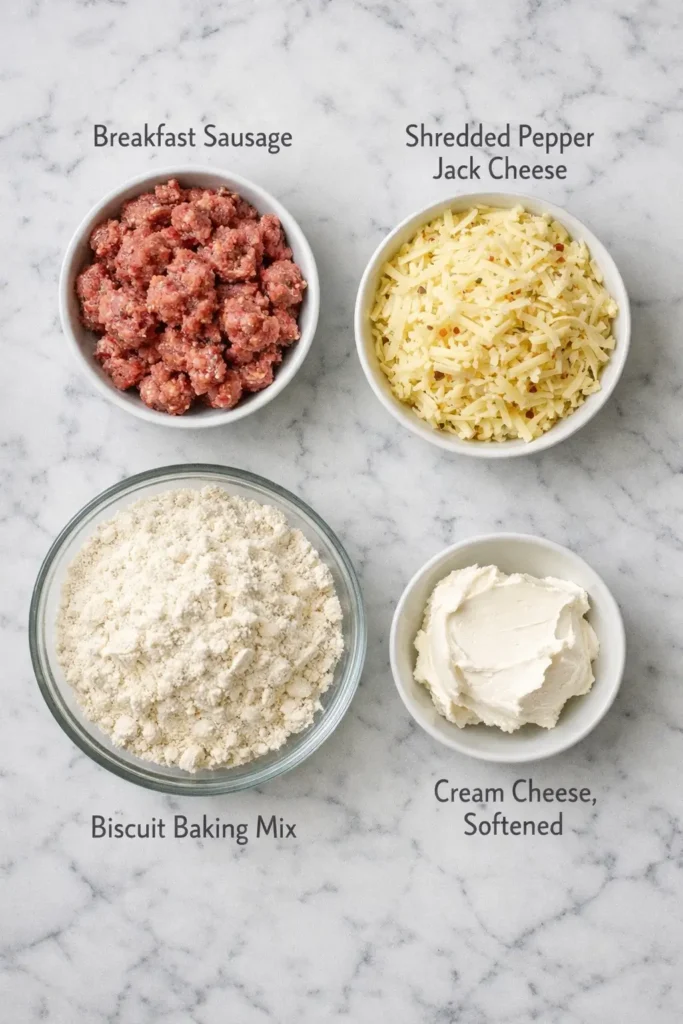
The Sausage Balls Recipe I Use
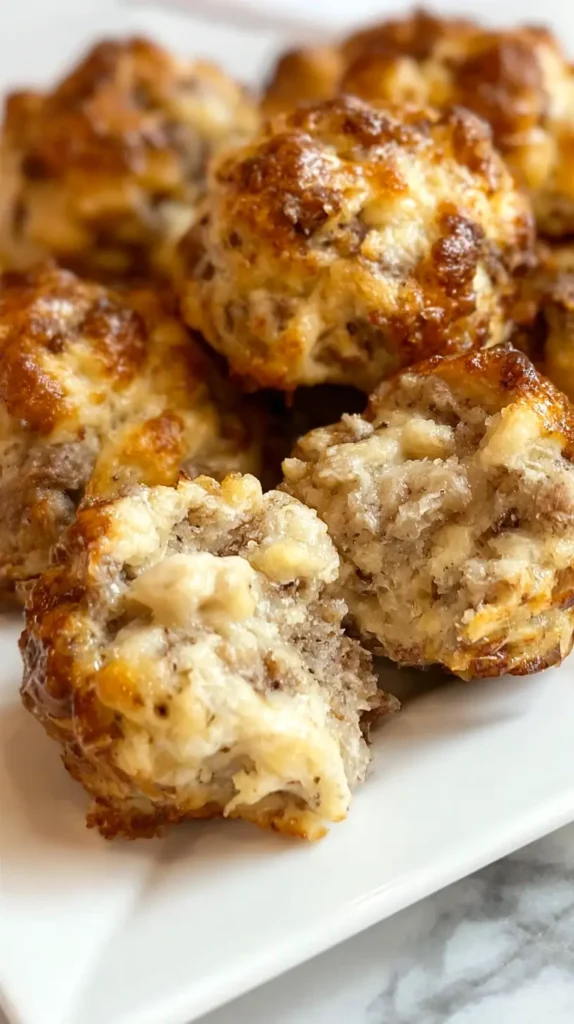
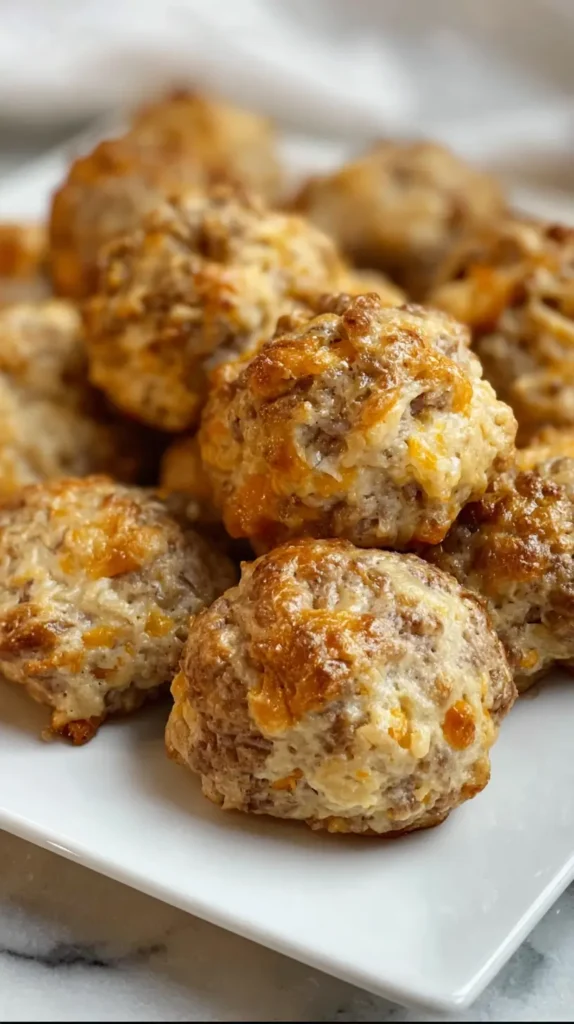
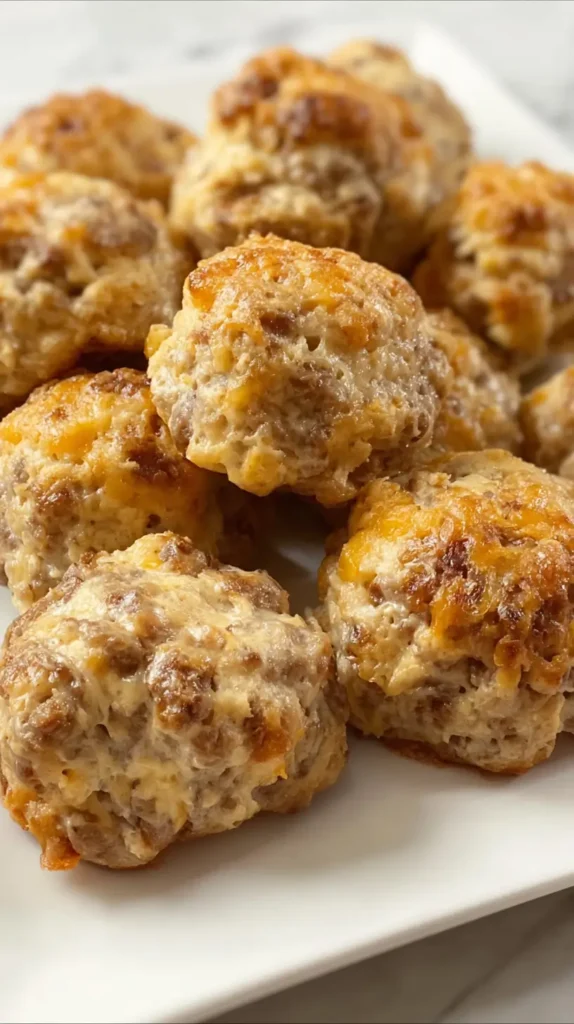
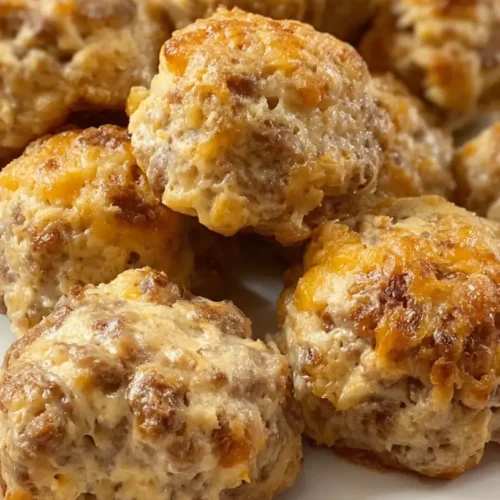
These sausage balls are small, golden, and evenly browned, with lightly crisp edges and a soft, cohesive center. The outside holds its shape without turning hard, while the inside stays tender and dense in a satisfying way. Each bite has a savory sausage base, balanced by creamy richness from the cream cheese and a gentle warmth from the pepper jack. The cheese melts smoothly throughout, so there are no dry pockets or greasy spots, just a consistent texture from edge to center. They’re sturdy enough to pick up without crumbling, yet soft enough to break cleanly when bitten. Served warm, they’re rich without feeling heavy and flavorful without being sharp or overpowering.
Ingredients
• 1 pound breakfast sausage
• 2 cups shredded pepper jack cheese
• 1 package biscuit baking mix
• 4 ounces cream cheese, softened
I’ve found that cream cheese improves texture without adding heaviness. It helps everything stay cohesive.
Instructions
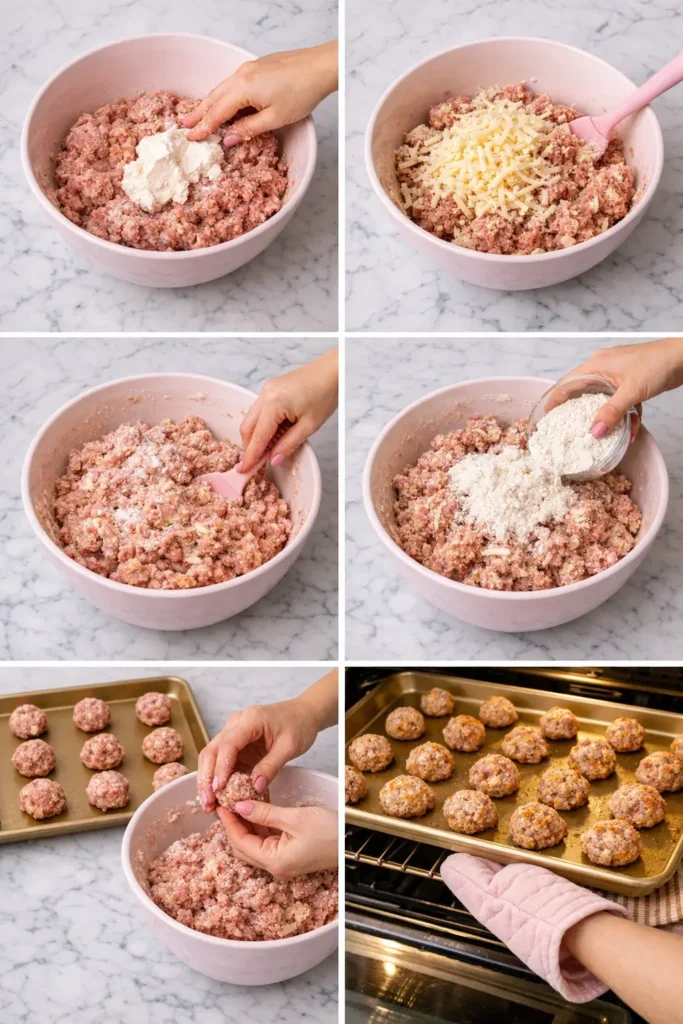
I preheat the oven to 375°F and line a baking sheet with parchment paper.
In a large bowl, I combine the sausage and softened cream cheese until blended.
Next, I fold in the shredded cheese gently, making sure it distributes evenly.
Then, I add the baking mix gradually, stopping once everything comes together.
I roll the mixture into small, even balls and place them spaced apart.
I bake for 18 to 22 minutes, rotating the pan halfway through.
Once browned, I remove them and let them rest briefly before serving.
That short rest improves structure and makes handling easier.

Serving Without Making It Complicated
I prefer a simple presentation because sausage balls don’t benefit from extra fuss. Warmth matters more than styling every single time. I’ve learned that once they cool too much, interest drops fast, no matter how nice the setup looks.
I usually grab a platter that holds heat well, even if it isn’t especially pretty. Warm food stays appealing longer, which keeps people hovering nearby instead of wandering off. That subtle pull matters during busy gatherings when everyone’s moving around.
I avoid heavy sauces on purpose. Dipping options sound helpful, but they usually complicate things. Thick sauces cool the bite too fast and distract from the balance built into the recipe. Optional mustard is fine for anyone who wants it, but I keep it to the side and low-key.
Because these sausage balls are handheld, guests move easily around the room without juggling plates or forks. That freedom keeps gatherings relaxed instead of stiff. People chat, drift, and snack without stopping the flow of conversation.
I also pay attention to how much goes out at once. I refill trays instead of piling them high. Fresh batches always land better than crowded platters, especially when cream cheese and biscuit mix are involved. Texture stays better when they’re hot and spaced properly.
This approach keeps sausage balls central without turning them into a production. They stay accessible, warm, and easy to grab. That’s exactly how this recipe works best, and I don’t try to make it more complicated than that.
Make-Ahead Options That Actually Help
I plan ahead whenever possible, and sausage balls make that habit easier instead of harder. Preparation makes things more consistent, which is important when timing seems to be off. I like knowing something reliable is already handled.
I often mix the sausage, cream cheese, biscuit mix, and shredded cheese ahead of time. Refrigerating the mixture gives everything time to settle. That rest helps the cream cheese bind evenly instead of streaking through the dough.
Rolling them ahead works just as well. I shape the sausage balls, cover them, and keep them chilled until baking time. That step saves counter space later and keeps things calm when guests start arriving.
Baking later preserves freshness and flexibility. I can slide a tray into the oven when it actually makes sense, not when the recipe demands it. That timing freedom matters more than most people admit.
Reheating stays forgiving with this recipe. The cream cheese helps protect the texture, even after cooling. A quick warm-up ties it all together without leaving things dry.
Freezing works well too, which I appreciate during busy weeks or holiday stretches. I pop them in the freezer before baking, then just bake them straight from frozen with a bit of extra time. Easy peasy! That option removes pressure when schedules shift.
What I like most is how planning never feels complicated here. The ingredients behave well together, even with pauses built in. Sausage balls are perfect for real-life hosting—timing shifts and multitasking galore!
That flexibility keeps things enjoyable instead of stressful. I can focus on people instead of the oven clock. For me, that’s exactly how party food should work.
Pepper Jack Sausage Balls
Ingredients
- 1 pound breakfast sausage
- 2 cups shredded pepper jack cheese
- 1 package biscuit baking mix
- 4 ounces cream cheese softened
Instructions
- Preheat the oven to 375°F and line a baking sheet with parchment paper.
- In a large bowl, combine the breakfast sausage and softened cream cheese until fully blended.
- Add the shredded pepper jack cheese and mix gently until evenly distributed.
- Gradually add the biscuit baking mix and stir just until the mixture comes together.
- Roll the mixture into evenly sized balls and place them spaced apart on the prepared baking sheet.
- Bake for 18 to 22 minutes, rotating the pan halfway through, until the sausage balls are golden and set.
- Remove from the oven and allow the sausage balls to rest briefly before serving.

Last Few Thoughts
I usually go for foods that just make sense without all the fuss. Some recipes look impressive but ask for too much attention. Others quietly do their job and keep people fed. I gravitate toward the second kind every time.
Over the years, I’ve learned to value recipes that balance simplicity with intention. I don’t want complicated steps when people are arriving. I want something I understand well enough to make without hovering. This version reflects how I actually cook and plan, especially when timing shifts.
Living in Orlando really keeps me on my toes with the heat, pacing, and balance—definitely not something you get in colder places! Warm evenings really shake up what we crave! Heavy food slows things down. It’s all about the flavor and texture, not the fancy looks!
I also notice how often inspiration online doesn’t match real kitchens. Pinterest highlights polished ideas and perfect timing. Real life looks different. People wander. Ovens stay busy. Plans change midstream.
That’s where sausage balls earn their place for me. When schedules move, they still work. As conversations stretch, the texture holds up. At gatherings, nothing asks anyone to pause what they’re doing.
I keep making them because they match how I host and how people actually eat. No need to reinvent the wheel or keep fiddling with it. They just need to be done well.
For me, that reliability is enough. I’ll always make room for recipes that respect time, attention, and real-life rhythms.