I love an urban garden moment because it promises romance without demanding acreage. That phrase alone makes tiny patios sound dramatic. I tend to notice how plants soften city edges without draining wallets. Green things whisper possibility, even when space feels tight. Honestly, that promise hooks me every time.
Some people hear city gardening and imagine chaos. Others picture expensive planters and boutique soil. Meanwhile, I picture charm on a budget. I picture style that doesn’t try too hard. I picture clever choices doing the heavy lifting.
I’ve found that gardening conversations get weirdly intense. Someone always insists you need special tools. Another person swears you need rare plants. I nod politely, then ignore all of it. Style and sanity matter more to me.
Living in Orlando means I watch plants thrive aggressively. Heat humbles everyone here. Still, city spaces deserve beauty without stress. That tension shapes how I think about plants at home.
This isn’t a how-to lecture. This is more like me talking it out. I’m thinking about plants, money, and why vibes matter. I’m also thinking about how we overcomplicate things.
An urban garden doesn’t need perfection. It takes a bit of thought, some flair, and a dash of self-control, believe it or not.
So yes, let’s talk about plants. Let’s also talk about budgets, style, and resisting the urge to overdo it. Because that urge is loud.
A few links on this page are affiliate links, so if you click and buy, I might earn a small commission. It never costs you more, and it helps support the site. You can read my full disclosure if you’re into the fine print.
Why An Urban Garden Deserves Better Than Bare Minimum Energy
An urban garden should never look like an afterthought. That’s my hill. City spaces already work hard. Therefore, plants should look intentional, not apologetic.
I’ve found that small spaces amplify design mistakes. Every pot gets noticed. Every color clash screams louder. Because of that, choices matter more.
People sometimes treat a city garden like filler. They toss in random plants and hope for charm. However, randomness rarely looks chic. It just looks confused.
I tend to think of a garden like an outfit. You don’t wear every trend at once. You pick a lane and commit. That mindset saves money and dignity.
An urban garden thrives on editing. Fewer plants often look richer. Meanwhile, crowded chaos reads as stressful.
Here’s what I always consider first:
- Scale matters more than quantity
- Repetition creates calm
- Neutral pots age better
- One bold plant beats five forgettable ones
Because space is tight, contrast does the talking. Dark leaves pop harder. Tall shapes feel dramatic. Suddenly, the area looks styled, not stuffed.
Also, let’s talk cost. Cheap doesn’t mean careless. Budget-friendly choices still deserve thought. Otherwise, you’ll replace things constantly. That cycle wastes money fast.
I’ve found that patience saves more than coupons. Waiting for the right plant beats impulse buys. Plus, watching things grow feels earned.
An urban garden rewards restraint. That self-control looks like confidence.
The Gardening Mindset That Keeps Budgets Calm
An urban garden thrives when expectations play nice. I don’t expect perfection. I expect progress. That shift alone changes everything.
Some people chase instant results. They want full lushness immediately. Unfortunately, that approach burns cash quickly. Plants grow on their own schedule.
I tend to notice how slow growth builds attachment. You care more when you wait. You also spend less fixing rushed decisions.
Instead of buying everything at once, I phase things. One pot today. Another later. That rhythm keeps budgets breathing.
Here’s how I mentally frame it:
- Start with structure
- Add life gradually
- Upgrade only when needed
Structure is all about pots, where you put them, and how you lay them out. Once that’s solid, plants become easier. You’re not guessing anymore.
Also, I skip trendy plants that cost extra. Trends fade fast. Meanwhile, classic greenery never looks dated. That choice saves money long-term.
An urban garden doesn’t need rare species. It needs plants that behave well. Reliability beats novelty every time.
I’ve found that maintenance costs sneak up quietly. Fancy plants often demand fancy care. Simple plants stay low-drama.
Because budgets matter, drama stays unwelcome.
Another mindset shift helps too. Dead plants aren’t moral failures. They’re data points. Something didn’t work. That’s fine.
An urban garden thrives on learning curves. Grace keeps the process enjoyable.
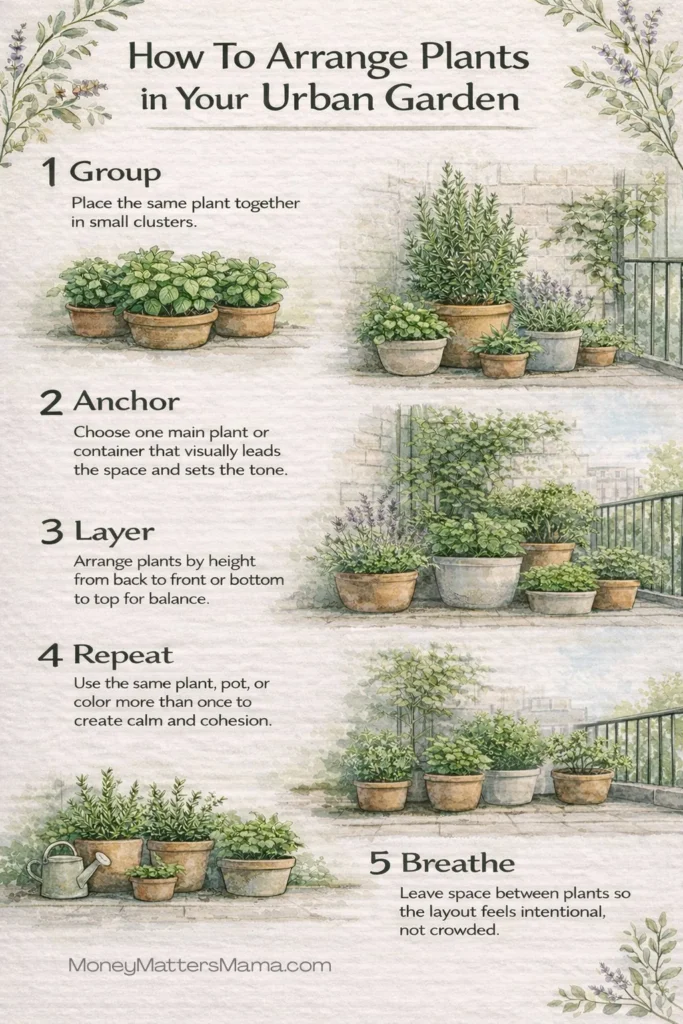
Making An Urban Garden Look Styled Without Trying Hard
Trying hard always shows, especially in small spaces. Style looks relaxed instead. That difference matters in an urban garden more than anywhere else. I’ve found that effort shows fastest when space feels tight.
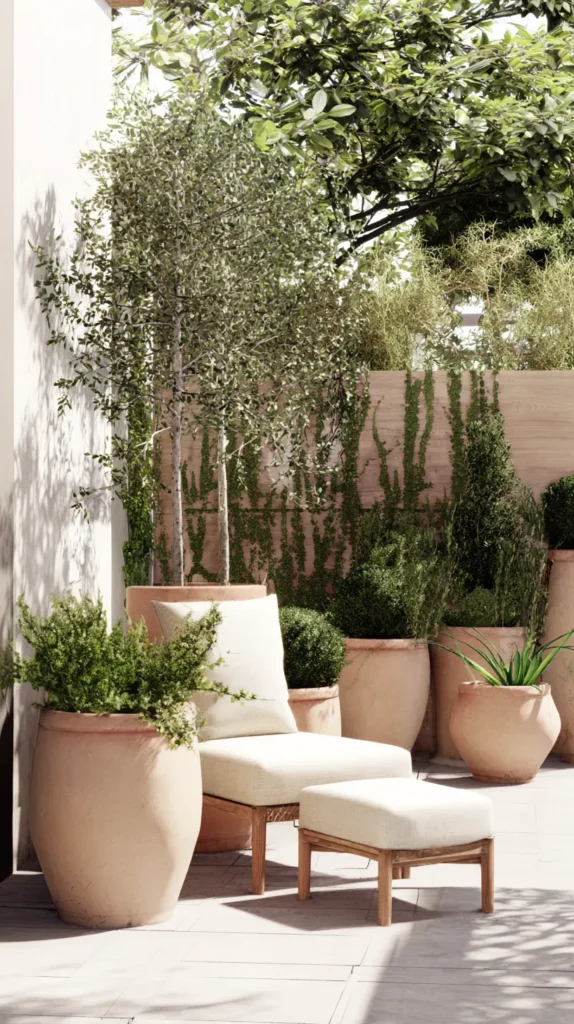
Repetition creates polish quietly. Using matching pots, similar tones, and familiar shapes changes everything. Suddenly, the space looks intentional instead of accidental. Meanwhile, mixing everything usually reads chaotic, even when the pieces look nice alone.
I tend to limit colors on purpose. Green does most of the work naturally. One accent shows up confidently and then stops. Over time, I’ve noticed fewer colors photograph better too, which never hurts.
Instead of filling every corner, I leave space. Open areas let plants breathe and draw attention to what matters. Because space is precious, negative space becomes part of the design. That breathing room looks thoughtful, not unfinished.
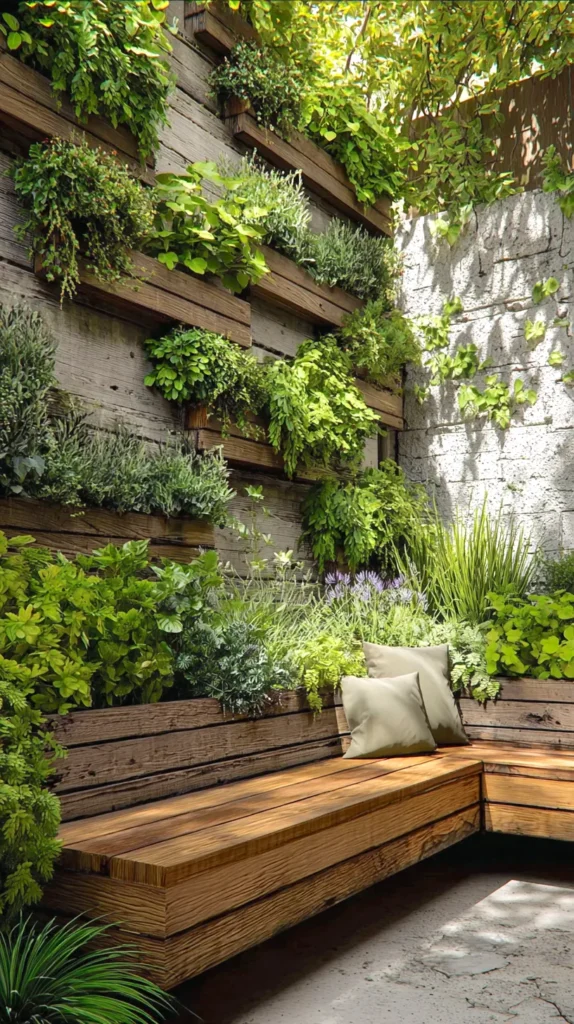
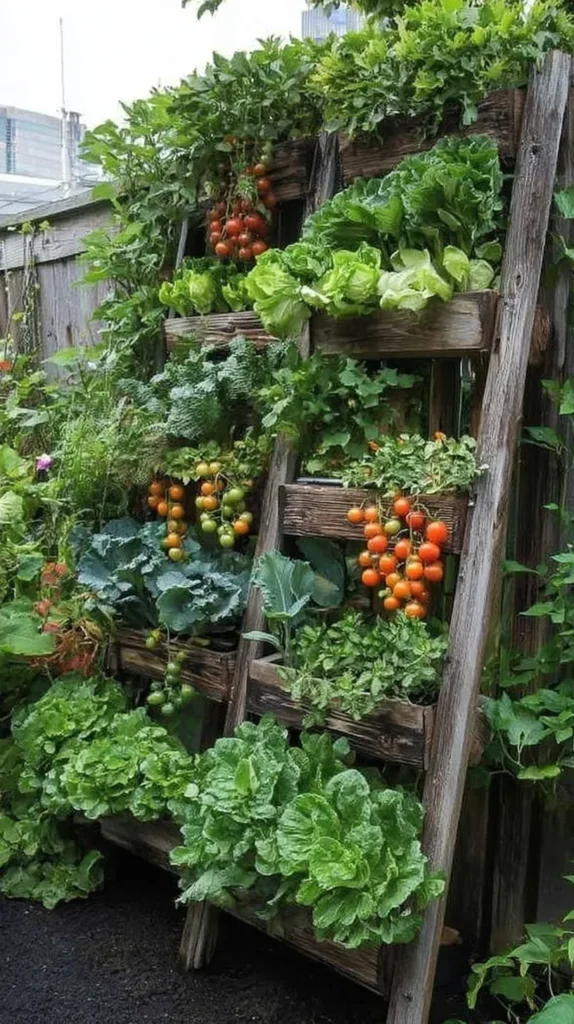
Vertical thinking helps city spaces immediately. Walls count. Railings count. Eye-level interest pulls attention upward and makes everything feel larger. As a result, the space looks styled without adding more items.
Tiny decorative objects never make the cut for me. They clutter quickly and date even faster. Plants already bring texture, movement, and personality. Letting them lead always reads more confident.
Budget-wise, restraint protects wallets naturally. Fewer items mean fewer purchases and fewer replacements later. Eventually, spending slows without effort. I’ve noticed balance reads richer than fullness every single time.
Sometimes I pause and ask, “Does this need anything else?” Usually, the answer is no. That pause saves money and sanity. An urban garden styled lightly feels intentional. And honestly, intention always looks expensive, even when it isn’t!
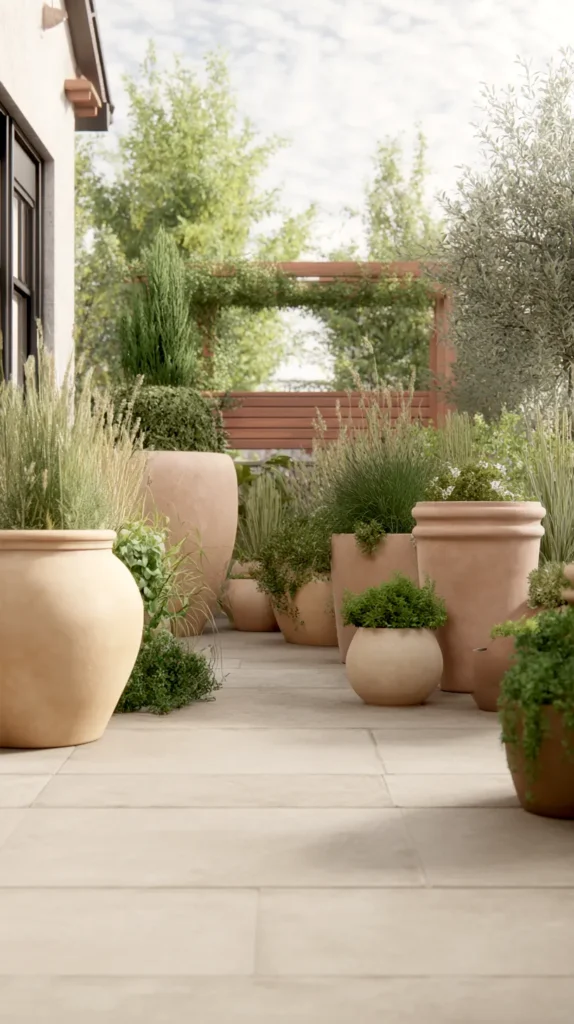
Containers That Don’t Scream Temporary
Temporary vibes haunt city spaces, and containers cause most of that trouble. Flimsy pots age fast. They crack, fade, and quietly ruin the mood. I’ve found that containers set the tone more than plants sometimes.
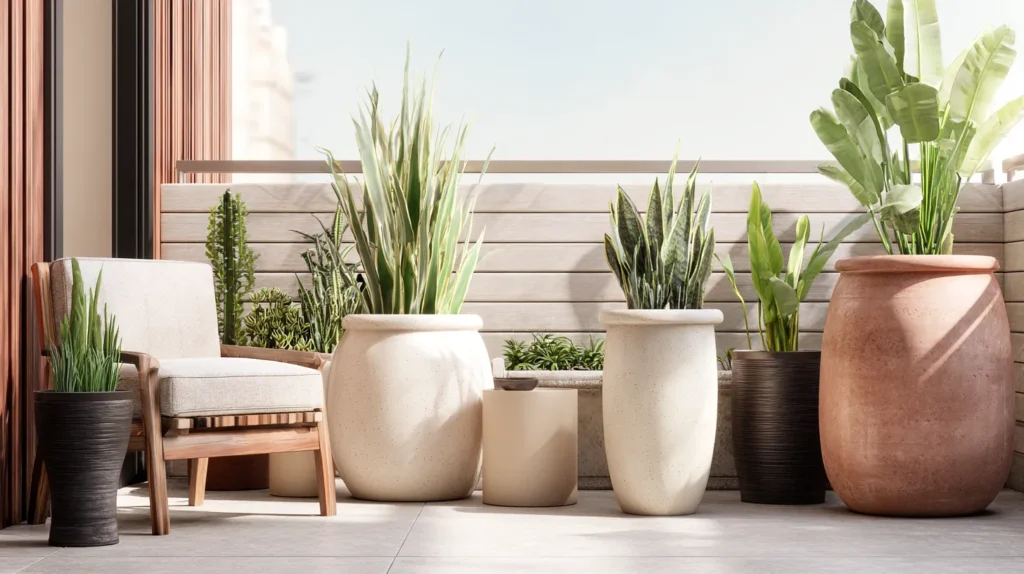
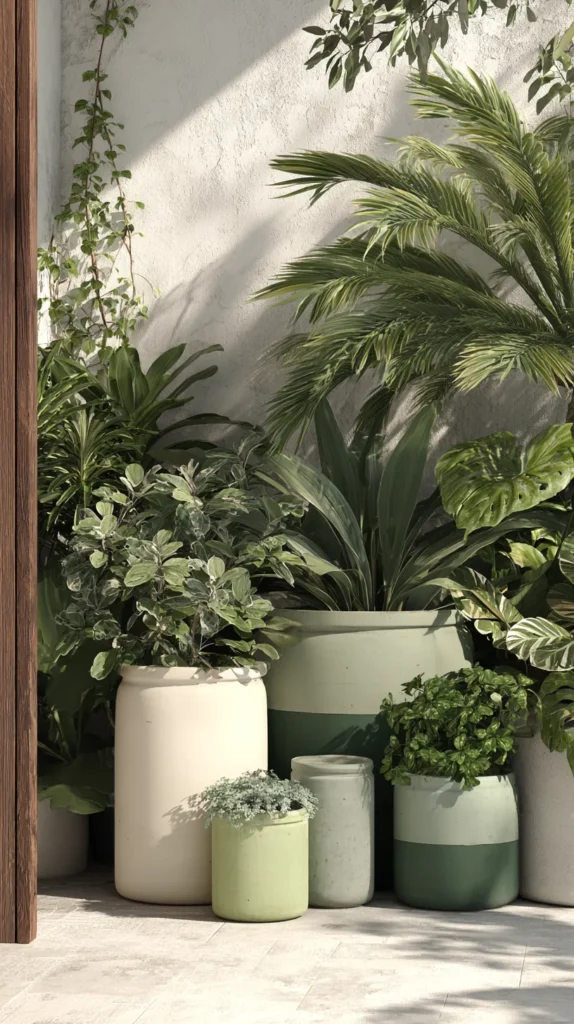
In an urban garden, heavier pots earn trust. They ground the space and stay put. However, heavy doesn’t mean expensive. Concrete, resin, and basic ceramic work beautifully without draining budgets. Neutral colors stretch far and age well.
I tend to avoid novelty shapes, even when they tempt me. They look fun for a minute. Then they start feeling loud. Classic forms last longer and don’t fight the plants. That restraint saves money over time.
Here’s what earns repeat approval in small city spaces:
- Simple cylinders that don’t distract
- Clean lines that read intentional
- Matte finishes that hide wear
- Consistent sizes that calm the layout
Consistency makes even budget containers look planned. Meanwhile, mixing sizes adds interest without chaos. That balance keeps spaces from feeling cluttered.
Also, drainage matters more than people admit. Dead plants cost money. Proper drainage saves replacements. That truth isn’t glamorous, but it matters. I’ve learned to check holes before aesthetics (lesson learned).
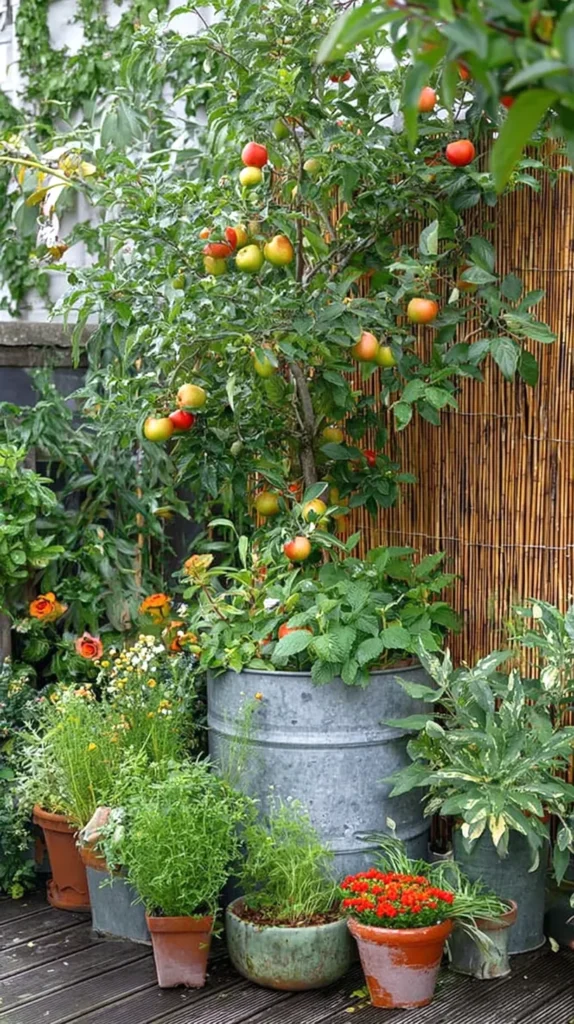
An urban garden benefits from containers that move easily too. Weather changes fast. Layouts change faster. Flexibility helps when seasons shift or space needs adjust.
I’ve noticed elevated pots protect plants and add dimension. Height variation makes spaces feel layered, not crowded. Because budgets matter, durability matters too. Cheap pots that crack quickly cost more long-term.
I’d rather buy fewer containers slowly. That patience pays off. Urban garden containers act like furniture. They stay longer than plants sometimes, so they deserve respect. Honestly, choosing well upfront saves so much frustration later!
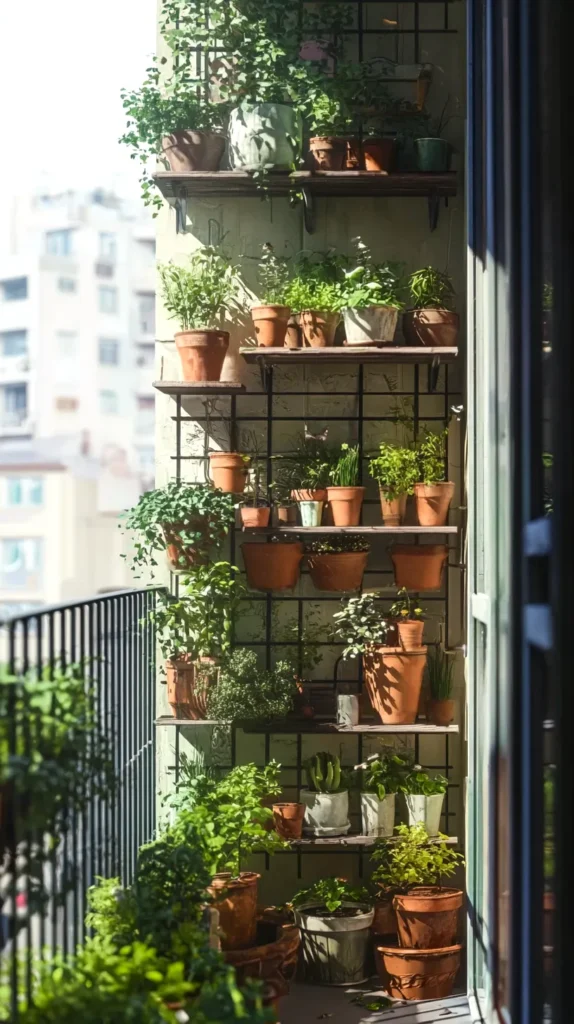
Plants That Behave Well
Plants with good manners deserve appreciation. Some plants act out constantly. Others quietly thrive and mind their business. I’ve found that those calm ones save money and patience.
In an urban garden, reliable plants win every time. Over time, I’ve noticed that dramatic plants cost more emotionally and financially. Constant replacements drain budgets fast. Meanwhile, steady growers just keep showing up.
For city spaces, hardy plants earn trust. They tolerate heat, wind, missed waterings, and bad weeks. That resilience matters more than novelty. I tend to favor plants with strong shapes because structure always reads intentional. Even minimal growth still looks styled.
Some plants consistently behave without complaint:
- Snake plants that forgive neglect
- ZZ plants that thrive quietly
- Herbs like rosemary that look good and work hard
- Ferns suited for shade, not sunshine guilt
These plants handle inconsistency well. As a result, they reduce stress immediately. They also look polished naturally, which helps tight spaces feel finished.
Plants that can be used for more than one thing are also good for urban gardens. Herbs do a great job of doing two things at once. They decorate and contribute. That dual role saves space and money (which I appreciate deeply).
I avoid plants that demand daily attention. Life stays busy. Plants shouldn’t guilt-trip anyone. Instead, I choose plants that meet me halfway. That choice keeps gardening enjoyable.
Because budgets matter, longevity matters more. Plants that survive seasons save money quietly. I’ve noticed foliage often outshines flowers anyway. Flowers fade fast. Leaves stick around. That’s a better investment.
An urban garden anchored in foliage looks calm. Calm always looks expensive. So yes, choose plants that behave. Drama belongs elsewhere.
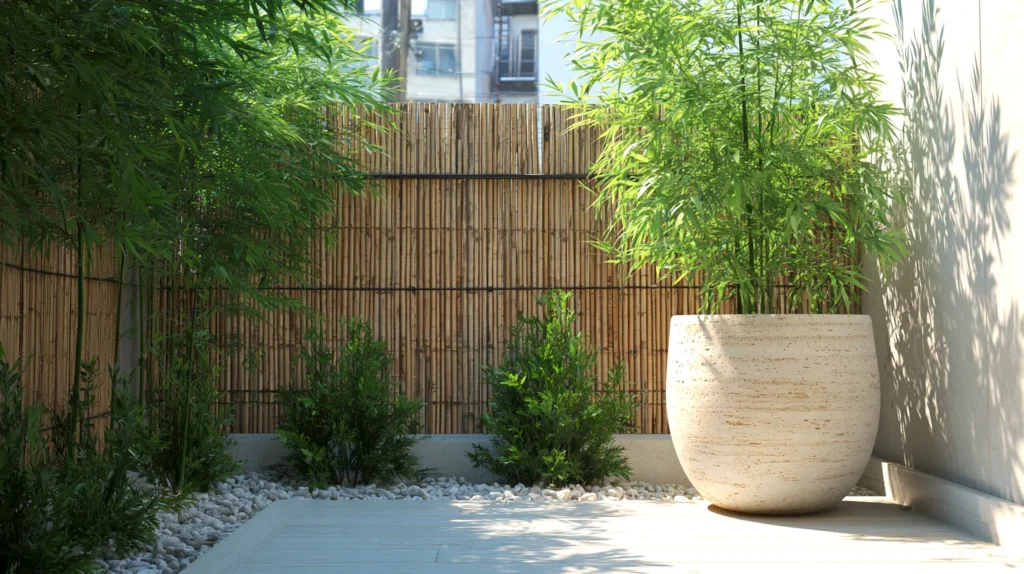
Designing An Urban Garden Around Sightlines, Not Square Footage
Most city gardens struggle because planning starts with size, not sight. Instead, I design an urban garden around where eyes naturally pause. I’ve found that attention decides satisfaction faster than square footage ever could.
Because space stays tight, every view carries weight. This approach treats the garden like a sequence of visual moments. In practice, I decide what deserves attention before spending anything.
Rather than spreading money evenly, I anchor spending where eyes linger longest. Each anchor earns priority and visual authority. As a result, the space looks intentional without adding more items.
Meanwhile, supporting plants stay quieter. By design, they cost less and work harder. That contrast creates layers instead of clutter.
I’ve noticed people stand in the same spots repeatedly. However, gardens rarely get planned from those exact positions. Doorways, chairs, and windows quietly control the experience.
When I plan from those viewpoints, choices sharpen quickly. One strong plant often outperforms five average ones. Everything else supports that lead role.
The shift changes buying habits immediately. Instead of impulse shopping, decisions get filtered through visibility. Consequently, money goes where it actually shows.
An urban garden benefits financially from this hierarchy. Spending stays focused without killing creativity. Over time, the layout feels calmer and more confident.
Maintenance improves too. The most visible plants receive the best care naturally. Because priorities stay clear, burnout fades.
Sometimes I pause and think, “Will anyone actually see this?” That question saves money every time (and prevents regret later).
This approach also protects style. When sightlines guide placement, restraint stops feeling restrictive. Instead, it feels smart.
Eventually, the garden settles into rhythm. Views stay pleasing. Choices stay intentional. An urban garden planned by sightlines looks designed, not decorated.
Honestly, once eyes feel satisfied, everything else follows!
Lighting Tricks That Make An Urban Garden Shine
Lighting really does change everything. Truly. I’ve found that it can rescue a space faster than new plants ever could. Even tired corners start cooperating once the light softens.
In an urban garden, lighting should whisper, not shout. Loud lighting ruins the vibe immediately. Instead, subtle glow creates intention without trying too hard. That restraint always looks more expensive.
I tend to favor lighting that works quietly in the background. Soft lighting hides imperfections while adding warmth. That combination feels thoughtful, even when budgets stay tight. Over time, I’ve noticed that gentle light forgives uneven plants and mismatched pots.
Because wiring stresses me out, I prefer solar lights. They cost less long-term and avoid setup drama. Plus, fewer cords mean fewer visual distractions (which matters in small spaces!).
Here’s what works consistently without feeling fussy:
- String lights tucked along railings or walls
- Small lanterns near seating areas
- Soft uplighting aimed at leaves, not faces
Placement matters more than quantity. One well-placed light beats five random ones every time. As a result, the space feels curated instead of cluttered.
An urban garden glows best when light highlights texture. Leaves catch light beautifully, especially at night. Meanwhile, harsh white bulbs flatten everything. Warm tones flatter plants, furniture, and people. That’s just good math.
Because budgets matter, multipurpose lights help. Lights that work indoors and outdoors earn extra points. I’ve found they stretch spending without sacrificing style.
I’ve also noticed lighting changes behavior. People linger longer. Conversations slow down. Spaces invite use instead of quick exits. That shift feels important.
An urban garden at night feels magical without spending much. Mood doesn’t require excess. Lighting finishes the look and quietly signals intention. Honestly, that glow does half the work for you!
Maintaining An Urban Garden Without Burnout
Burnout kills joy fast, especially with plants. Gardens shouldn’t start feeling like unpaid internships. I’ve found that once something feels heavy, it stops getting done. That’s when plants suffer and budgets follow.
An urban garden works best when routines stay simple. Over time, I’ve noticed that complicated systems collapse first. Fancy schedules look impressive on paper. However, real life laughs at them.
Instead, consistency quietly wins. Small actions repeated calmly do more than grand efforts. I tend to group plants by similar needs, which reduces thinking fatigue. Less thinking means better follow-through (and fewer neglected pots).
An urban garden also improves when expectations loosen. Plants aren’t décor props. They grow sideways. They sulk sometimes. That messiness doesn’t mean failure. It means life happened.
Helpful habits that actually stick include:
- Watering on the same two days each week
- Checking soil before watering, not after guilt sets in
- Trimming lightly and often, instead of dramatic overhauls
- Rotating pots occasionally to even out growth
Because budgets matter, prevention matters more. Catching dry soil early saves plants. Saving plants saves money. That connection stays very motivating.
Meanwhile, I’ve noticed neglect sneaks in during busy seasons. That’s normal. Forgiveness keeps momentum alive. Plants bounce back faster than people expect. Honestly, they’re more resilient than we give them credit for.
An urban garden thrives when care fits real schedules. Rigid plans break easily. Flexible rhythms last longer. Gardening should support life, not compete with it.
Sometimes I remind myself, “This doesn’t need to be perfect.” That thought lowers pressure immediately. Suddenly, the space feels calmer. Care becomes manageable again.
Burnout fades when gardening feels supportive instead of demanding. And that balance? It always looks stylish.
Last Few Gardening Thoughts
I keep coming back to the idea that spaces teach restraint, especially city ones. Over time, I’ve found that less sharpens everything else. That lesson shows up in budgets too, whether I want it to or not.
When money has limits, creativity stretches. Interestingly, style benefits from that stretch more than excess ever could. I tend to notice that confident spaces rarely try hard. They settle into themselves instead.
Living in Orlando keeps this lesson front and center. Things grow fast here, sometimes beautifully, sometimes wildly. Because of that, editing becomes part of survival, not just design. Otherwise, everything tips into chaos.
An urban garden reminds me of that balance constantly. Growth matters, but boundaries matter more. Sometimes I pause and think, “This is enough,” and that thought feels oddly powerful.
Meanwhile, style sneaks in quietly through repetition, patience, and restraint. None of those cost extra, which always makes me smile. I’ve found that beauty sticks when it doesn’t chase approval. Effortless usually hides a lot of thoughtful no’s.
Instead of impulse buys, I ask better questions. Do I need this now. Will this last. That pause saves money every single time. Confidence grows inside those pauses too.
I also love how inspiration moves around online. Pinterest always sparks something new. However, inspiration works best when filtered through real life and real budgets.
Eventually, everything settles into rhythm. The space calms down. Spending slows. Expectations soften. An urban garden thrives right there, growing with you instead of ahead of you.
And honestly, that kind of balance always looks stylish.