I think wedding table decorations can make a budget wedding look wildly more polished. That sounds dramatic, yet it’s true. Guests may remember the dress, cake, and dance floor, yet the tables shape the mood for hours. They sit there in every photo, behind every toast, and under every glass of lukewarm champagne.
That’s why I always notice when a wedding spends smart instead of just spending big. One simple table can look lovely. Meanwhile, a busy table can look cheap fast. The difference usually comes down to editing, color, and a tiny bit of nerve.
I’ve found that people often assume they need more stuff. Think candles. Add signs. Then layers. Add sparkle. Before long, the table starts looking like a craft store had a nervous breakdown.
Meanwhile, the prettiest tables usually pick a lane and stick with it. They use fewer pieces, better spacing, and colors that don’t fight each other. That’s the part people miss at first, and it changes everything.
Living in Orlando, I’m always clocking what looks pretty and what also seems practical. That budget-friendly instinct never leaves. It sends me straight into wedding ideas. I start wondering what looks expensive, what travels well, and what won’t drain the budget.
So yes, I love a pretty wedding table. I also love one that doesn’t require a second mortgage. And the good news is, the best ideas usually aren’t the fussiest ones. They’re the ones that know when to stop, which is where this gets interesting.
Some of the links on this page are affiliate links, which means I may earn a small commission if you purchase through them. It never costs you extra. You can always peek at my full disclosure if you’d like the details.
Wedding Table Decorations Should Not Try To Do Everything
I tend to notice that the prettiest tables pick one main star and let the rest behave. That alone saves money. It also keeps the table from looking busy in that “why is there tulle everywhere” way.
Some weddings lean hard on florals. Others go candle-heavy. A few use fruit, books, bud vases, or pretty little lamps. All of those can work. None of them work when they’re piled together like a clearance shelf.
This is where wedding table decorations get sneaky. People think “more” reads rich. Very often, less but repeated reads richer. Ten identical bud vases usually look better than one giant centerpiece stuffed with every bloom in season.
I’ve found that repetition creates calm. Calm looks elegant. That sounds simple because it is simple, which annoys people who wanted a more complicated answer. Still, it’s true. That repeat factor photographs better too.
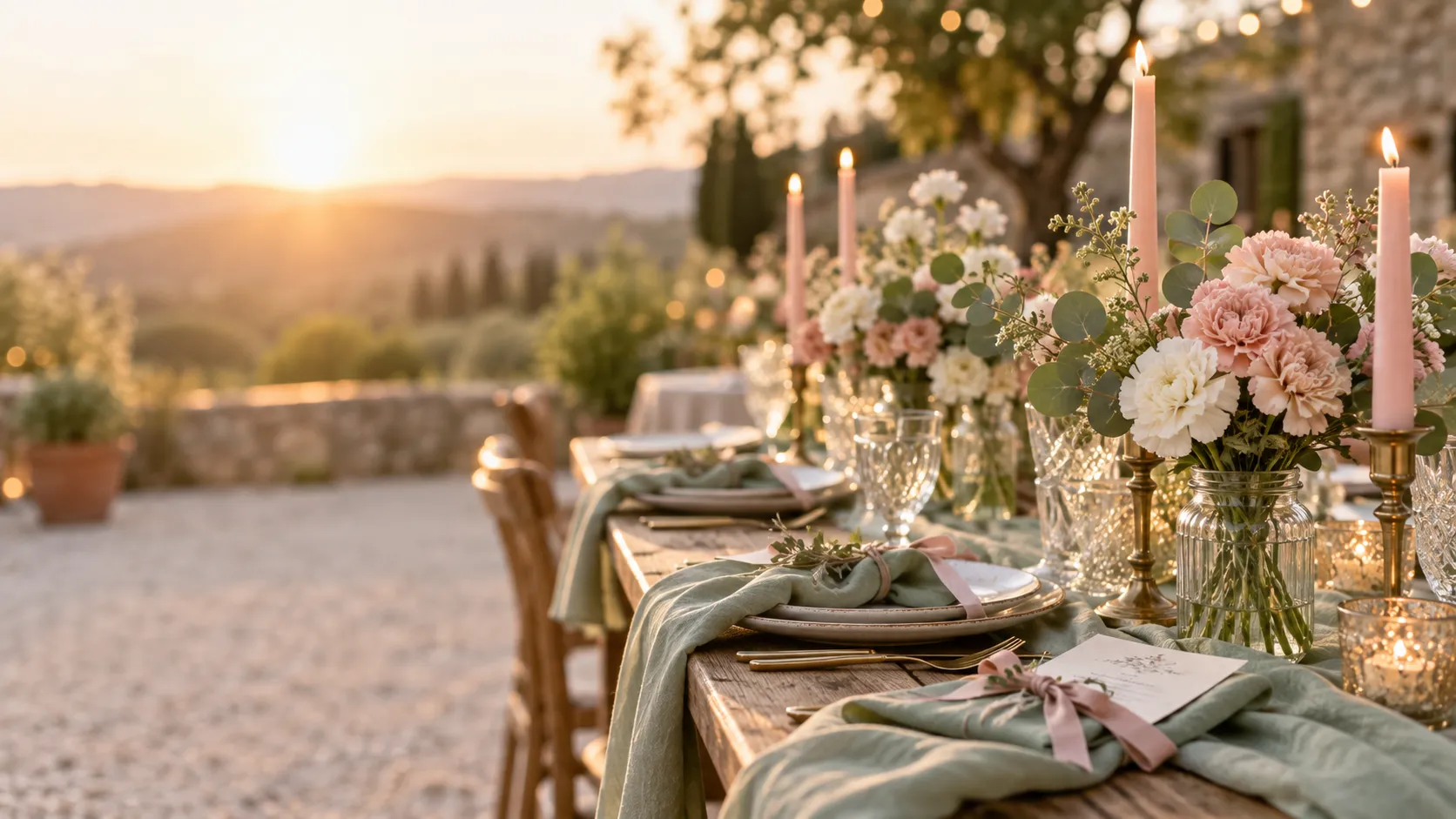
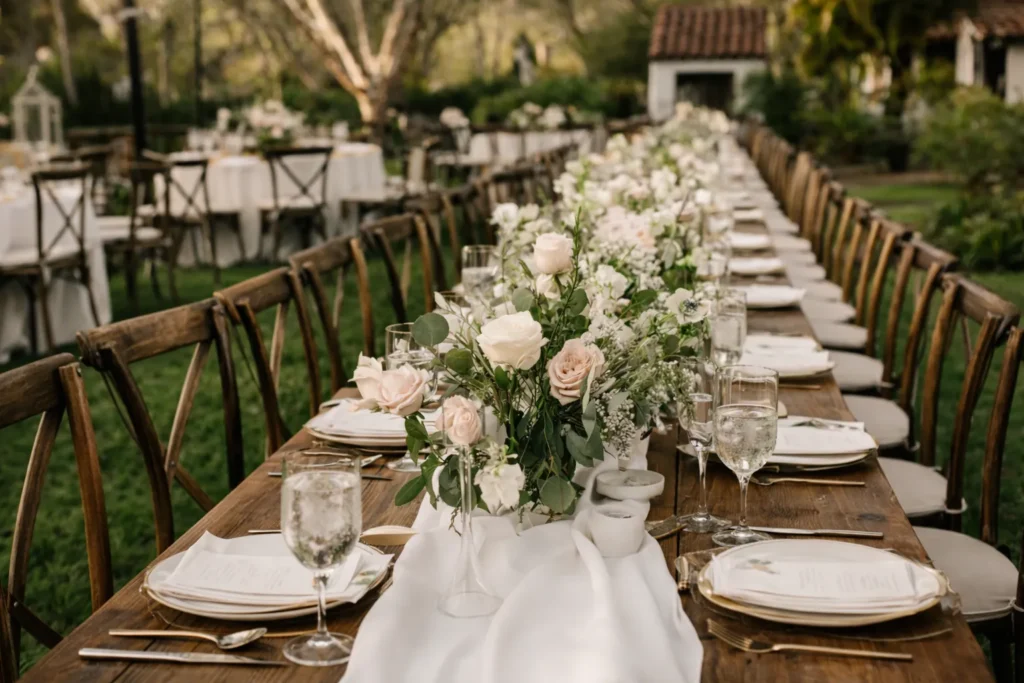
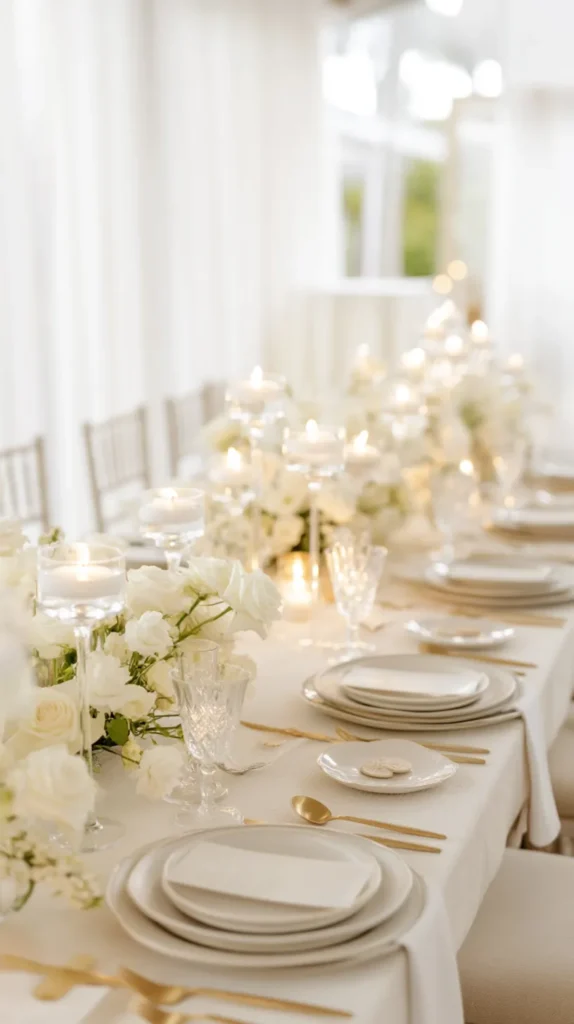
Try picking one visual anchor for each table. Perhaps it’s a cluster of votives. For some weddings, it’s a low floral runner. In other rooms, it’s three mini arrangements in matching glass. Then let the napkins, place cards, and chargers support that choice instead of competing with it.
Another thing matters here: height. Guests want to see each other. No one wants to play peekaboo through a hedge. Low and glowy usually wins over tall and chaotic, especially on a budget.
That’s the first quiet little secret. Wedding table decorations don’t need to scream to look special. They need to look deliberate. Those are very different things, and the second one costs less. I’d trust restraint over randomness every single time.

Cheap Tricks That Make Tables Look Better
I’ve found that small upgrades beat big splurges almost every time. That’s great news for a budget-friendly site, because tiny choices do a lot of heavy lifting here.
Here are the moves I’d steal first:
- Swap in cloth napkins in one solid color instead of paper goods mixed with prints.
- Repeat one vessel style on every table for an instant pulled-together look.
- Add candlelight at two heights, not six.
- Choose clear glass, white ceramic, or gold-toned details and stay consistent.
- Skip giant favors at each place setting and put money into the center instead.
- Keep the food tables separate so your guest tables can stay cleaner.
Then there’s the underrated trick nobody talks about enough. Negative space matters. A crowded table makes every item look cheaper, even when it wasn’t. Meanwhile, a little breathing room makes modest pieces look thoughtful.
I’d also watch the linens before I watched almost anything else. A wrinkled cloth can ruin the mood faster than people admit. On the other hand, the right linen tone can make basic plates and rental chairs look more charming.
If money feels tight, trim the guest count details before chasing extra decor layers. You do not need six items at each place setting. Most tables need fewer things, not more.
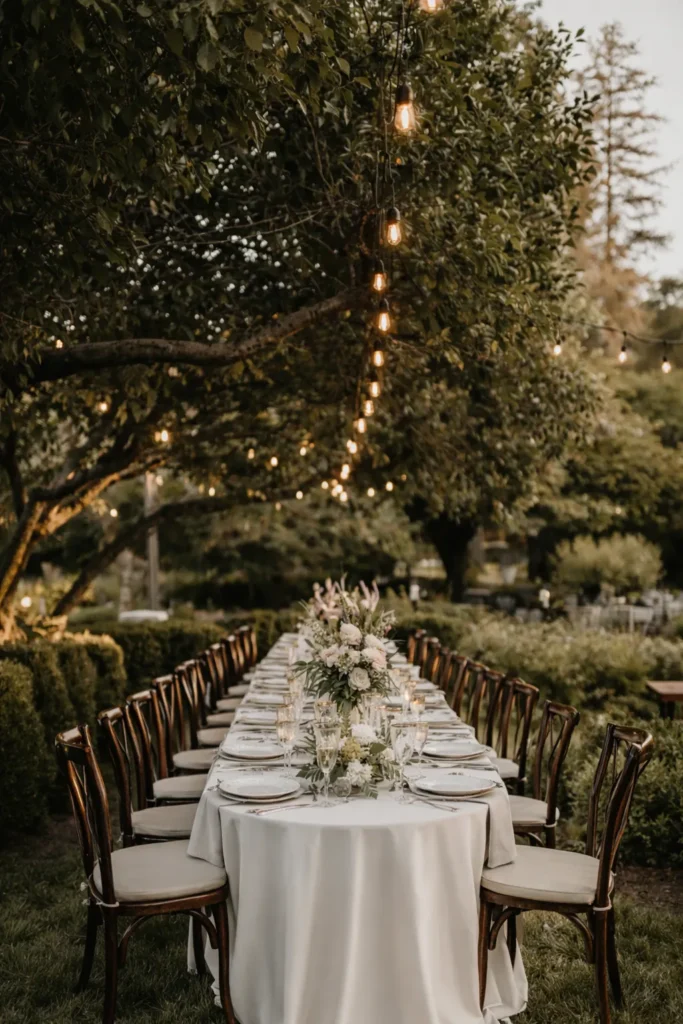
And yes, candlelight is still one of the best cheats in the business. Soft light flatters flowers. It distracts from plain chairs. Best of all, it makes wedding table decorations look warmer, fuller, and more romantic without begging for attention. That little glow covers a lot of sins. That matters more than people expect.

Wedding Table Decorations Color Schemes That Always Work
Color can save a table or sink it. I know that sounds rude, yet bad color pairings can send a setup straight into banquet hall territory. That’s why I’d pick the palette before buying random decor pieces “because they’re cute.”
Some combinations look expensive almost no matter what:
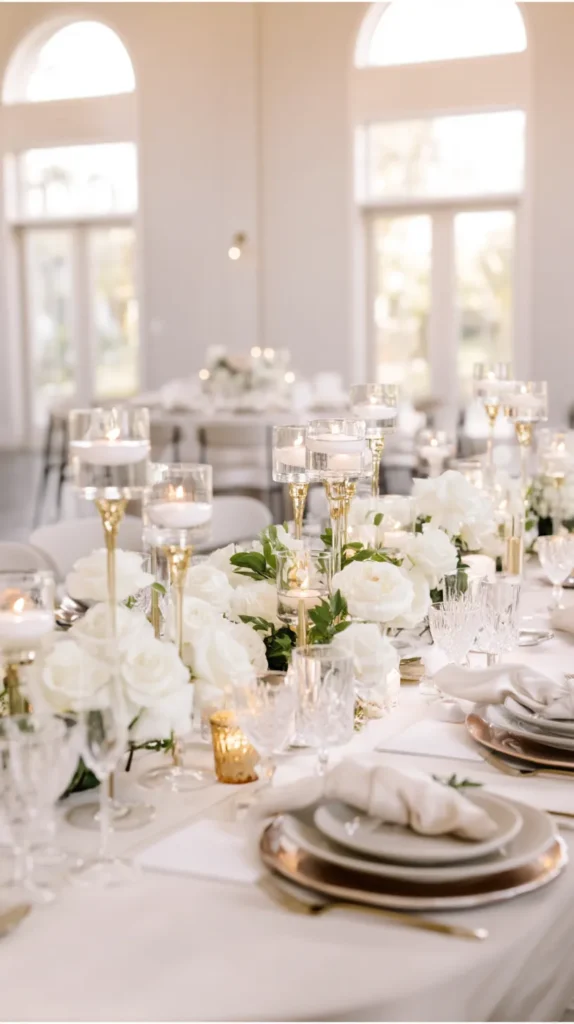
- White, soft green, and gold for a clean garden look
- Dusty blue, ivory, and taupe for a quiet romantic table
- Blush, cream, and black for something softer with contrast
- Terracotta, sand, and olive for a warm earthy setup
- Lavender, buttercream, and sage for spring without the sugar rush
- Navy, champagne, and white for a classic evening wedding
- Peach, coral, and beige for summer without going neon
I’ve found that three colors usually work better than five. Start with one main color. Next, add one soft support. Then use one accent. That’s enough. Once every guest table starts juggling a rainbow, the eye gets tired.
Here’s my slightly spicy opinion: not every wedding needs dusty rose. It had a lovely run. Still, it had a very long run. If you want wedding table decorations to look fresh, try stepping sideways instead of copying the usual palette.
Butter yellow with soft brown looks gorgeous right now. So does blue paired with mossy green. Even black and cream can look warm when you add candlelight and a little wood texture.
The trick is contrast, not clutter. Pale colors need something grounding. Dark colors need something softening. That tension keeps the table from looking flat.
So before buying runners, candles, flowers, and menu cards, settle the palette. Otherwise, you’ll end up with seven “almost matching” items, and that path leads to irritation.

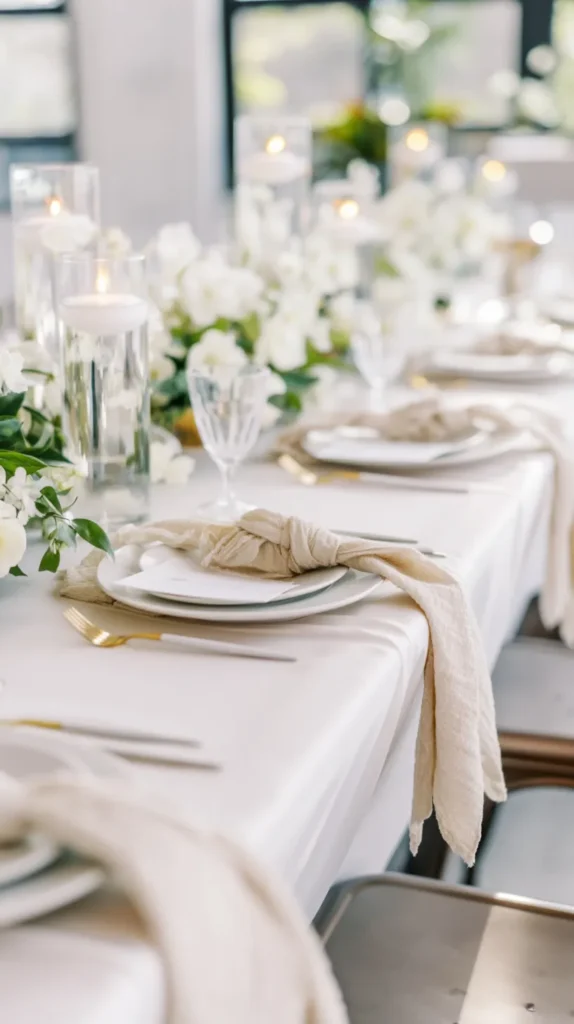
Centerpiece Ideas That Save Money Without Looking Sad
I think centerpiece panic starts when people assume cheap means skimpy. It doesn’t. Sparse and intentional can look chic. Random and underdone looks sad. Those are not the same situation.
That’s why I like centerpieces with structure. They give the table shape, even when the materials stay simple. A centerpiece does not need to be huge. It needs to make sense.
These ideas work well without swallowing the budget:
- Try three bud vases with one bloom type per vase.
- Use a line of thrifted brass candlesticks with taper candles.
- Build small floral clusters around a table number instead of one big arrangement.
- Add bowls of pears, lemons, or figs mixed with greenery.
- Place a compote bowl with roses and carnations in one color family.
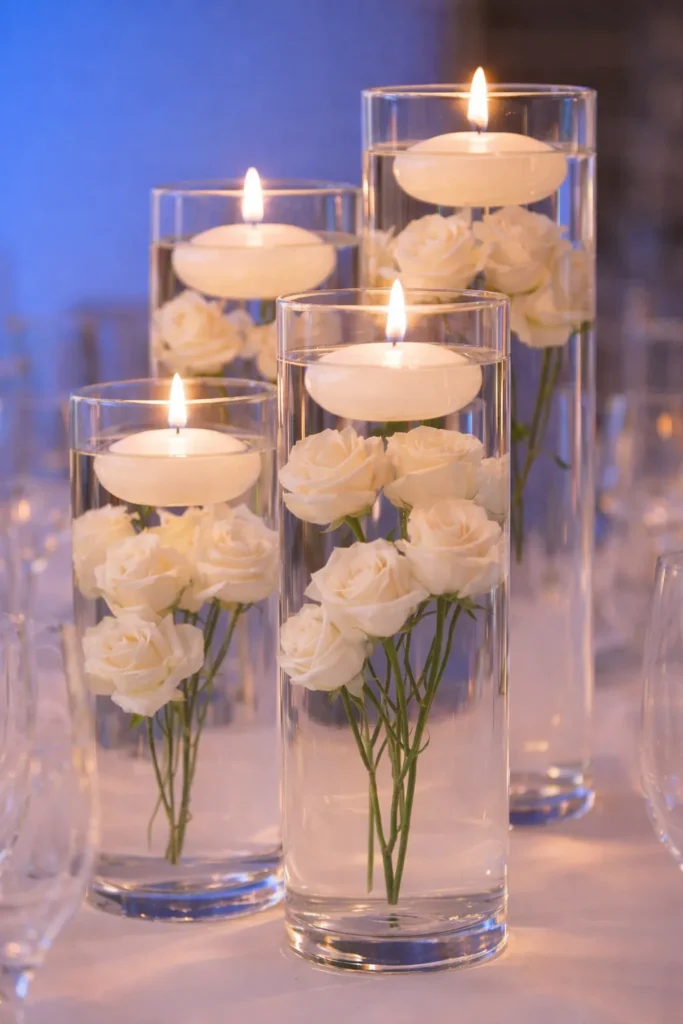
- Set floating candles in clear cylinders with greenery underneath.
- Bring in tiny lamps or LED lamps for a warm restaurant-style glow.
- Lay down a garland strip with scattered votives and no tall flowers.
I’ve found that carnations, mums, baby’s breath, stock, and greenery can do a lot when grouped well. The issue isn’t usually the flower. It’s the styling. Cheap flowers in a tight palette often look better than expensive flowers in a messy mix.
Also, fruit deserves more respect at weddings. There, I said it. Pears, grapes, and citrus can make wedding table decorations look editorial in the best way. They add color, texture, and fullness for far less than a floral-only design.
One more thing matters. Make centerpieces low enough for conversation. People want candlelit romance, yes. They also want to see the person across from them without ducking under a hydrangea cloud.

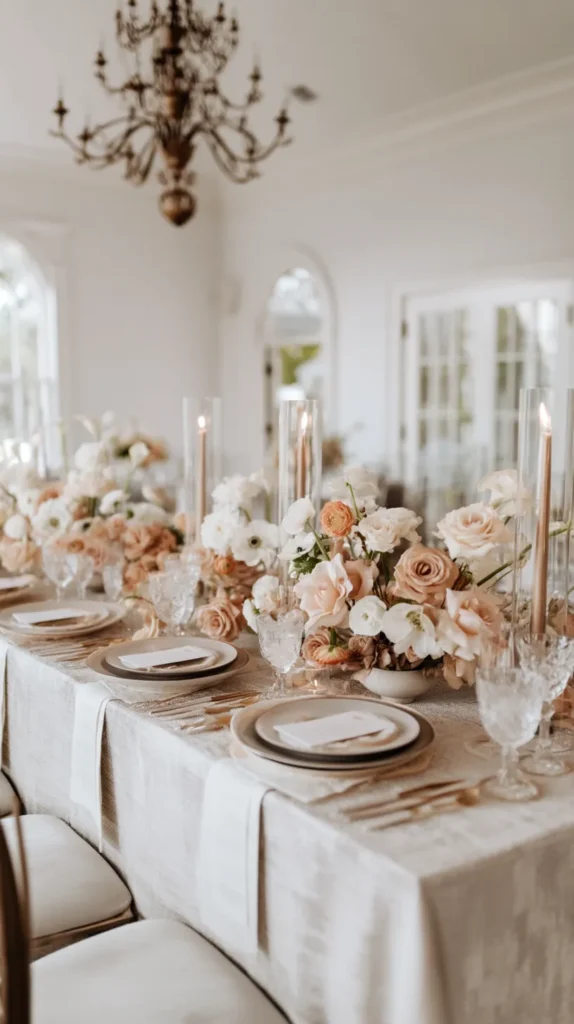
Wedding Table Decorations Guests Notice Right Away
People say guests don’t notice the small stuff. I disagree. Guests may not name each detail, but they notice the overall impression fast. They clock whether a table looks warm, pretty, and cared for within seconds.
That means the little things matter more than people think. Napkins matter. Water glasses matter. The way the menu sits on the plate matters. None of these need to be expensive. They just need to look like they belong together.
I’ve found that place settings can carry a simple table farther than a giant centerpiece can. A folded napkin with one stem laid across it looks lovely. Plus, a menu card on textured paper adds polish. Better yet, a charger under a basic plate creates presence without much effort.
Even the chair matters once guests sit down. When the chair is plain, soften it with a better linen or prettier plate stack. If the plate is basic rental white, bring in color through napkins and glassware. There’s always a balancing move.
This is also why I’d skip novelty clutter. Tiny signs, mini trinkets, and overly themed items can make wedding table decorations look more like party supplies. That may sound harsh. Still, it saves people from a very common mistake.
Instead, let one tactile detail do the talking. Linen napkins. Velvet ribbon. Ribbed glassware. Handmade paper. Woven chargers. A table gets much more interesting when texture shows up.
That’s the sneaky payoff. Guests don’t need the table to be packed. They need it to have a point of view. Once that clicks, the whole design starts looking calmer, prettier, and much more expensive than it was.

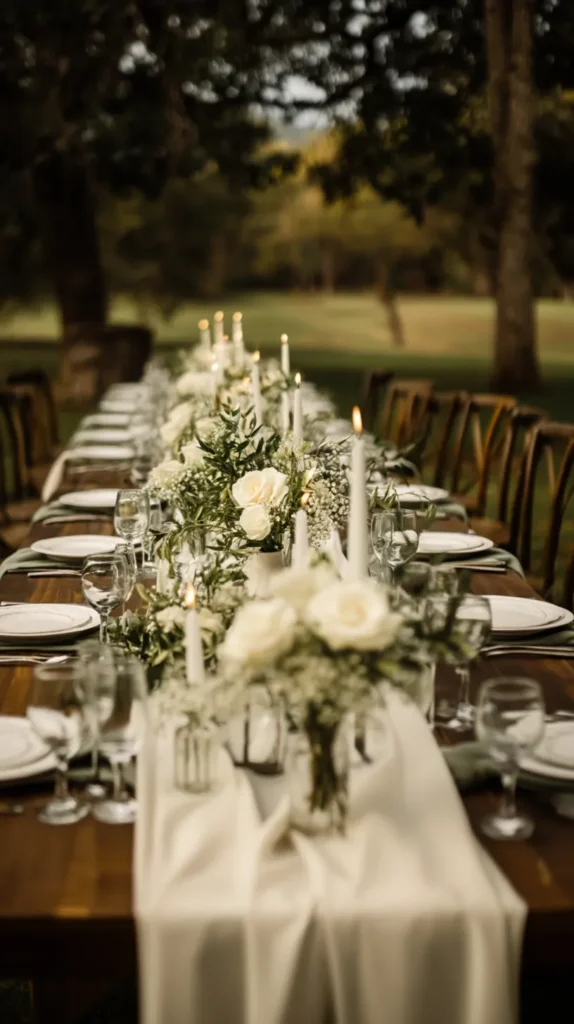
The Wedding Table Decorations Styles I’d Copy For Less
I’ve found that it helps to think in style buckets before buying anything. Otherwise, people end up mixing rustic, glam, modern, and garden at the same table. That combo rarely lands well. It usually looks confused.
If I wanted budget-friendly wedding table decorations, I’d start with one of these style directions:
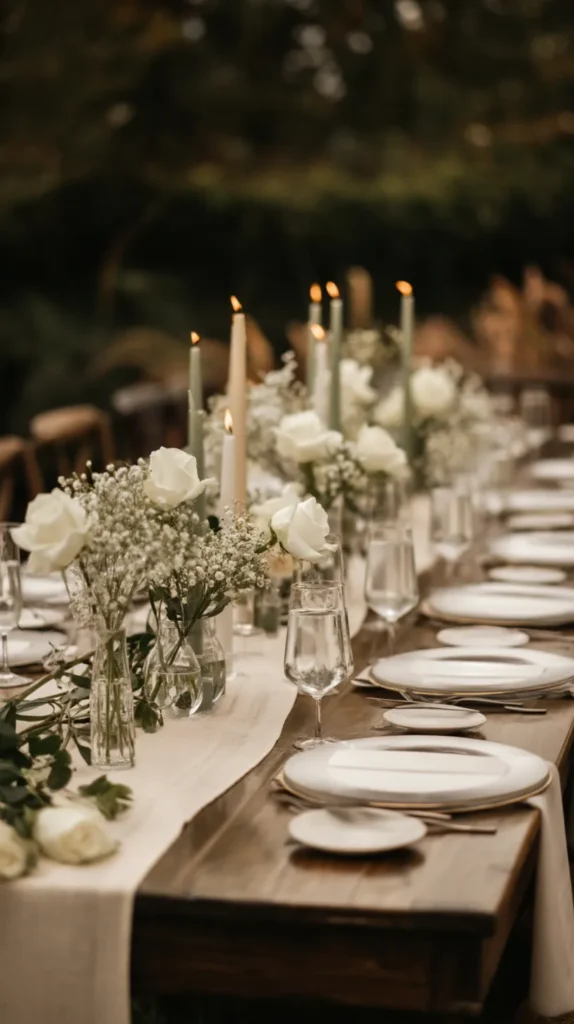
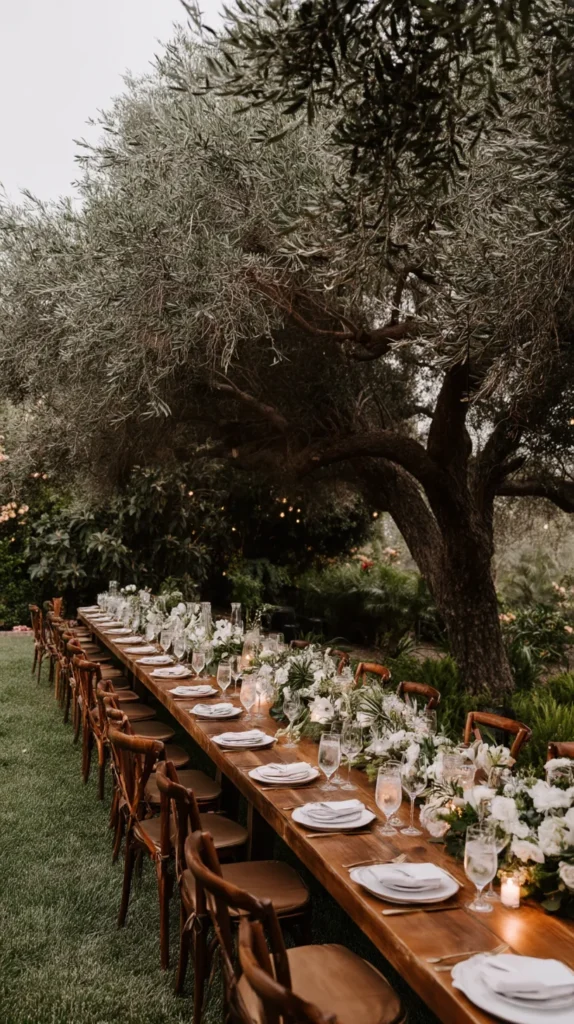
- Choose a garden party with white linens, bud vases, soft green leaves, ivory flowers, and taper candles.
- Pick modern romantic with black accents, cream plates, low florals, sleek table numbers, and candle clusters.
- Try rustic but clean with taupe runners, wood chargers, olive branches, and simple white blooms.
- Go coastal soft with pale blue napkins, sand tones, woven texture, clear glass, and airy florals.
- Use vintage charm with mismatched brass, colored goblets, lace details, pale roses, and old books sparingly.
- Build a summer citrus look with lemon details, cream linens, green stems, soft yellow candles, and simple menus.
Here’s the reframe I wish more people used. A wedding style does not need matching themed objects. It needs consistent mood. That’s different. Much better, too.
For example, a coastal table does not need starfish. Please. It needs soft color, light texture, and a breezy shape. Meanwhile, a vintage table does not need ten antiques. It needs a few pieces with age and charm.
That’s why copying the mood saves more money than copying every item. You can borrow the vibe without recreating a luxury shoot line by line. In fact, that usually looks better because it feels less staged.
And yes, I’d edit hard. Even pretty styles can get fussy fast. Wedding table decorations work best when the table still has room for plates, elbows, and breathing space. Romance looks nicer when dinner can still fit.
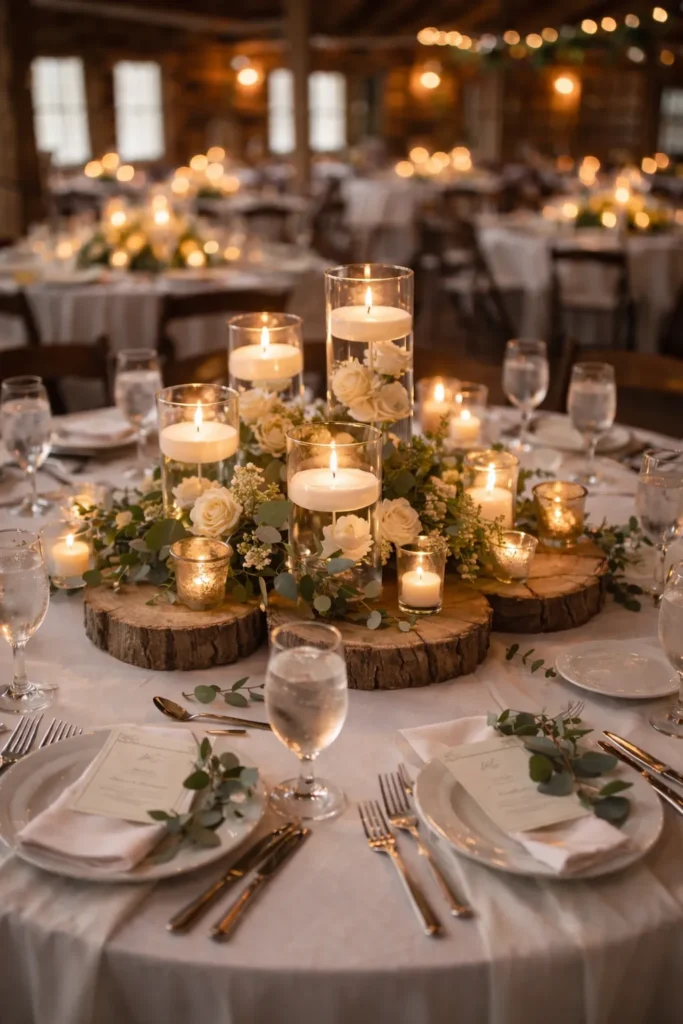
Where Pretty Wedding Tables Go Wrong Fast
I think the fastest way to ruin a pretty table is mixing too many “special” things. When everything begs for attention, nothing looks special anymore. The table starts buzzing, and not in a good way.
One common problem is scale. Tiny centerpieces can vanish in a large room. Giant centerpieces can bully a small table. Wedding table decorations need to match both the table size and the room mood, or they look awkward.
Another issue is color drift. People start with one palette, then panic-shop online at midnight. Suddenly, the blush turns peach, the peach turns coral, and the coral collides with mauve. It happens more than people admit.
Lighting can also wreck a good idea. Dark flowers, dark linens, and dark rooms can swallow detail. On the flip side, pale decor under harsh lighting can look washed out. That’s why candlelight or warm lamps matter so much.
I’d also watch anything overly trendy. Trendy looks can be fun. Yet trend-heavy choices can date a wedding faster than a bridesmaid group chat screenshot. If you love a trend, use it in small doses and keep the base classic.
Then there’s the money trap. People spend so much on decorative extras that they ignore what guests touch. I’d rather see fewer flowers and nicer napkins than the reverse. That choice changes the whole table experience for guests.
So if something looks off, don’t add more. Step back. Remove one thing. Then remove another. Very often, wedding table decorations improve the second you stop trying to save them with extra stuff. Editing is the rescue move, and it works surprisingly fast.
Questions People Always Ask About Reception Tables
I’ve found that the same worries pop up every single time with wedding tables. People want pretty, yes, but they also want affordable, easy, and not weird. Fair enough.
How do I decorate wedding tables on a tight budget?
Start with linens, candles, and one simple centerpiece idea. Then repeat those pieces across every table. Repetition creates polish without a huge cost.
What flowers look pretty but cost less?
Carnations, baby’s breath, stock, mums, and greenery all work well. Group them by color family, and they’ll look much more elevated.
How many colors should I use?
I’d stick with three. One main color, one support shade, and one accent usually keeps wedding table decorations calm and pretty.
Do I need chargers?
No, but they help. Chargers add presence to basic place settings, especially when the rental plates look plain.
What if I hate flowers?
Use candles, fruit, lamps, greenery, books, or textured vessels instead. Floral-free tables can look chic, modern, and intentional.
Can I mix metals?
Yes, though I’d do it carefully. Brass and black work well together. Silver and gold can work too, but keep the rest simple.
What decoration gets the biggest payoff?
Candlelight. It softens the room, warms the colors, and makes nearly every table look more romantic.
How do I make the tables look less generic?
Bring in one personal texture or color choice. Handmade menus, colored glassware, velvet ribbon, or a less expected palette can help.
One more thing helps too. Pick a mood and protect it. That’s the real trick. Wedding table decorations don’t need to be louder. They need a little point of view, and that part costs nothing.
The Part I’d Spend On First
I’ve found that wedding table decorations work best when they stop trying so hard. That may be my favorite truth in this whole conversation. The goal is not to prove you bought a lot. Instead, the goal is to make the table look lovely, calm, and worth lingering around.
That’s why I’d spend first on whatever creates the mood fastest. Usually, that means linens, candlelight, and a strong color palette. Those three things do more for a room than a pile of random extras ever will.
Living in Orlando makes me extra aware of how quickly bright spaces can turn decor choices very obvious. Good color matters. Even better, good texture matters more. When the light hits a table well, simple details suddenly look far more expensive.
I also think people give themselves too little credit here. You do not need a celebrity planner’s budget to pull this off. Instead, you need restraint, a little taste, and the confidence to skip things that don’t help.
That’s where Pinterest can be useful and mildly dangerous. It gives great inspiration. At the same time, it tempts people into copying twelve ideas at once. I’d rather borrow one mood, one palette, and one centerpiece direction and leave the rest alone.
So if you’re staring at wedding table decorations, keep them simple, warm, and edited once cake gets served. A table doesn’t need to yell “wedding” from across the room when it already knows it looks good.