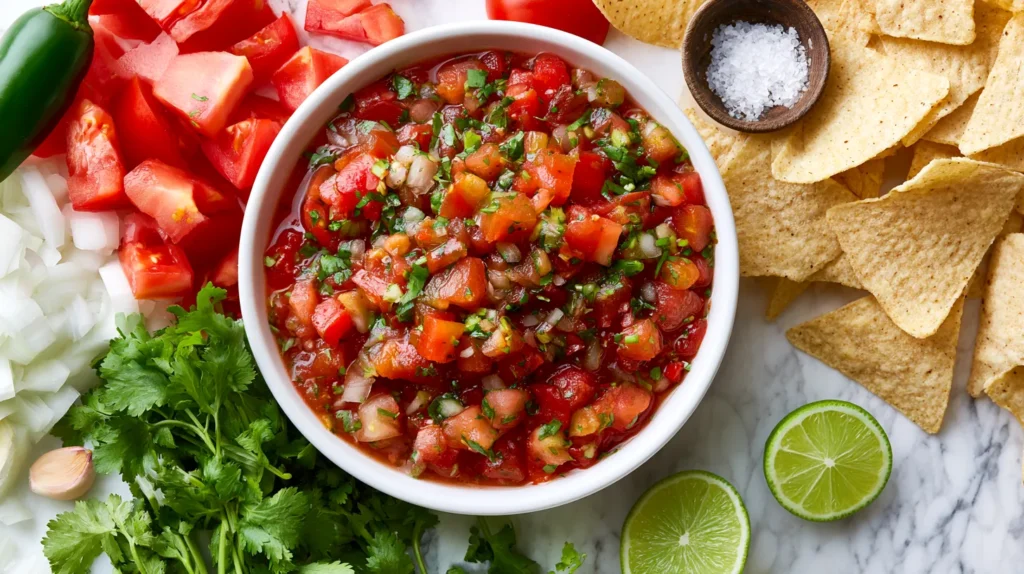
I think homemade salsa is a rare, cheap recipe that looks far more impressive than it should. A few tomatoes, onion, lime, cilantro, and jalapeño can make dinner look intentional. That is helpful when the rest of the meal came from pantry math and hope. Small kitchen wins can be weirdly satisfying.
I’ve found that budget food works best when it still looks bright. Nobody wants a plate that seems like a spreadsheet with cheese. In one bowl, you get crunch, color, heat, and tang without grocery bill drama. That is the exact kind of kitchen math I can support.
Also, salsa has one nice little side effect. Plain food looks more colorful without extra toppings. That matters on a budget, because extras can multiply fast.
As a mom, I notice recipes that stretch across snacks, taco night, and hungry little moments. This one fits that chaos window beautifully. Especially when everyone wants something different. It uses normal ingredients, takes very little time, and gives simple food a fresh lift.
There is also one tiny budget trick hiding in this bowl. Fresh tomatoes alone can taste amazing, but they can also taste wildly average. So, I like pairing them with canned fire-roasted tomatoes for deeper flavor. That one move makes the whole batch taste fuller.
The result is easy, cheap, and very scoopable. It is the kind of recipe that makes chips seem like a reasonable dinner accessory. And yes, there is a texture detail coming that changes everything.
Some of the links on this page are affiliate links, which means I may earn a small commission if you purchase through them. It never costs you extra. You can always peek at my full disclosure if you’d like the details.
Why Homemade Salsa Makes Cheap Food Taste Planned
Homemade salsa works because it gives basic food a fresh upgrade without acting expensive. Plain tacos taste brighter with a spoonful on top. Bean bowls look less desperate with color and crunch. Even scrambled eggs can seem more brunch-adjacent, which helps on busy mornings.
I tend to notice that store-bought salsa can vanish fast. One jar handles one snack session, maybe two if everyone shows restraint. However, a homemade batch costs less, makes more, and lets you control the heat. That control matters, because spice can shift from pleasant to chaotic very quickly.
Fresh flavor also changes how budget meals land. A bowl of rice and beans can taste plain at first. Add tomato, lime, onion, cilantro, and jalapeño, and the whole plate changes. That is not fancy cooking. It is smart layering, which sounds nicer than “saving dinner with a spoon.”
Another thing matters here. Budget food does not need to look beige. It needs color, texture, and something sharp enough to wake up the plate. A fresh salsa recipe does that job without a pricey sauce, extra topping, or complicated side dish.
The common assumption says fresh recipes cost more. Sometimes they do, because produce can get dramatic. Still, the opposite can happen when you buy simple produce and use pantry help. A can of fire-roasted tomatoes adds depth for very little money. Fresh tomatoes add juicy bite, and lime keeps everything bright.
That is my favorite kind of recipe. It stretches meals, saves money, and still looks fresh on the table. No sad budget energy needed. Better yet, nobody has to know how little the whole batch costs. That tiny glow matters more than people admit.
Simple Ingredients For Homemade Salsa On A Budget
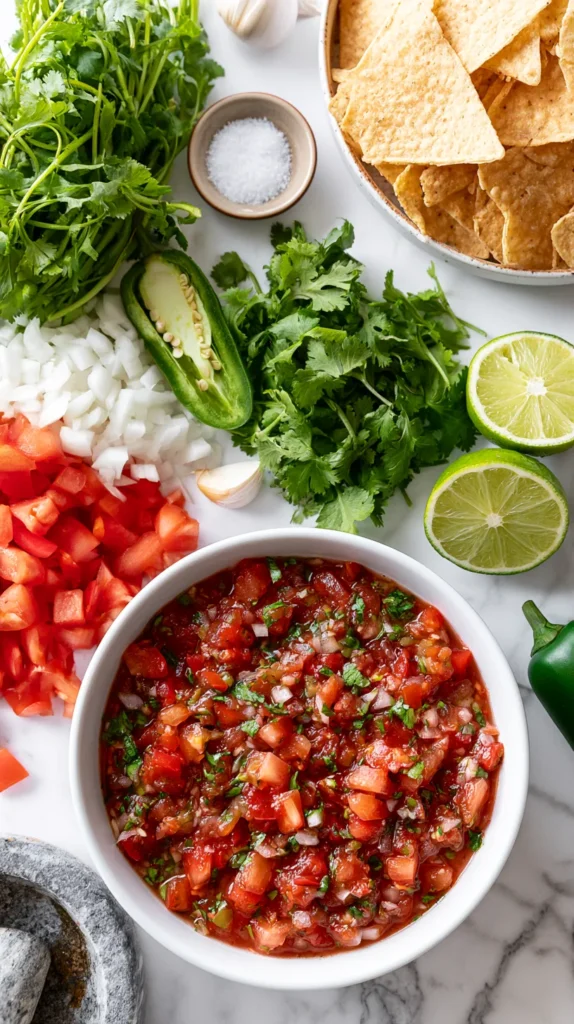
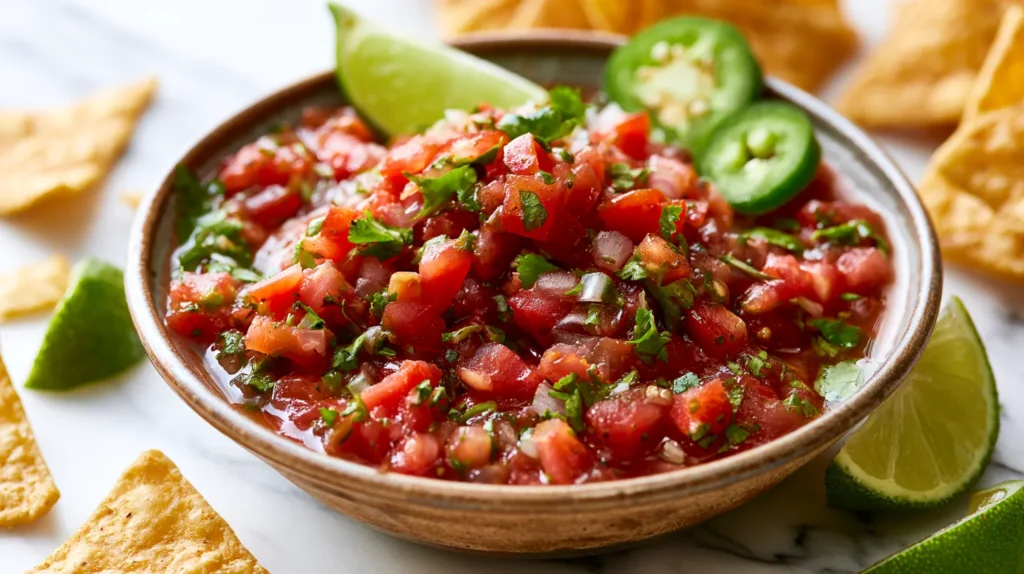
The ingredient list for homemade salsa should look normal. I want grocery-store basics, not a scavenger hunt with a tiny cart. This recipe uses fresh tomatoes for brightness and canned fire-roasted tomatoes for deeper flavor. Together, they help the salsa taste fuller without raising the cost.
I like this mix because fresh tomatoes can be unpredictable. Sometimes they taste sweet and juicy. Other times they taste like tomato-adjacent water, which is rude. Using canned fire-roasted tomatoes helps fix that problem, and they cost very little.
Here’s what you need:
- 3 medium ripe tomatoes, roughly chopped
- 1 can fire-roasted diced tomatoes, 14.5 ounces, drained
- 1/2 small white onion, roughly chopped
- 1 jalapeño, seeded and chopped
- 1/3 cup fresh cilantro, loosely packed
- 2 tablespoons fresh lime juice
- 1 garlic clove, minced
- 1/2 teaspoon kosher salt
- 1/4 teaspoon ground cumin
- 1/4 teaspoon granulated sugar, optional
- 1 tablespoon cold water, only if needed
That optional sugar deserves a quick note. It does not make the salsa sweet. Instead, it softens sharp tomatoes when they taste too acidic. I use it like a tiny correction, not a dessert decision.
Fresh lime juice also matters more than it should. Bottled lime juice can taste flat, and this recipe needs brightness. However, don’t buy a whole bag of limes unless you’ll use them. One or two fresh limes will do the job.
The budget reframe is simple. Great salsa does not need perfect tomatoes. You need balanced flavor, enough salt, fresh lime, and a short rest before serving. That is doable, even on a regular grocery week. Simple is the point here, and that is lovely.
The Full Recipe With Measurements And Zero Fuss
This homemade salsa recipe makes about 3 cups, depending on tomato size. That amount works for snacks, taco night, or a few easy meal upgrades. I like that yield because it feels useful without taking over the fridge. Nobody needs a salsa storage crisis.
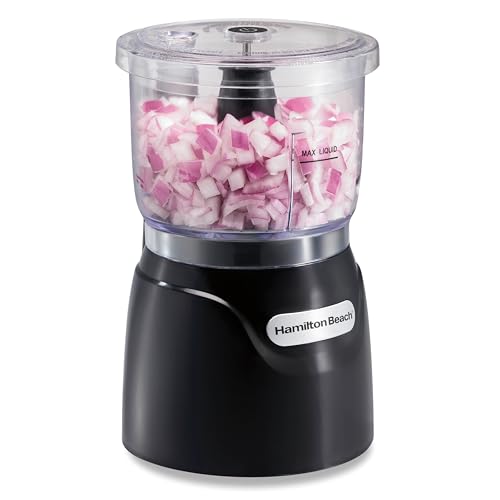
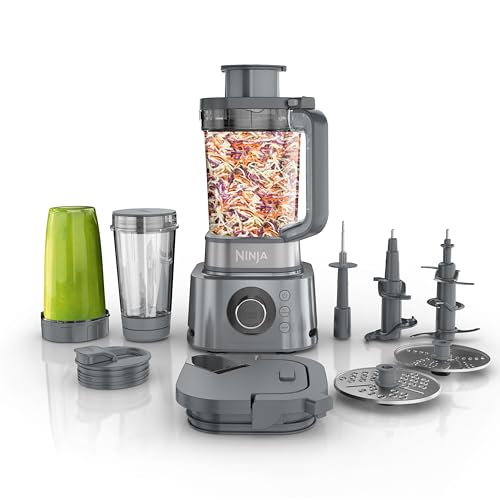
You’ll need a food processor or blender. A food processor gives the best chunky texture. Short blender pulses work too. Otherwise, the salsa can turn too thin, which is not the goal here. Thick enough to scoop is the target.
Follow these steps:
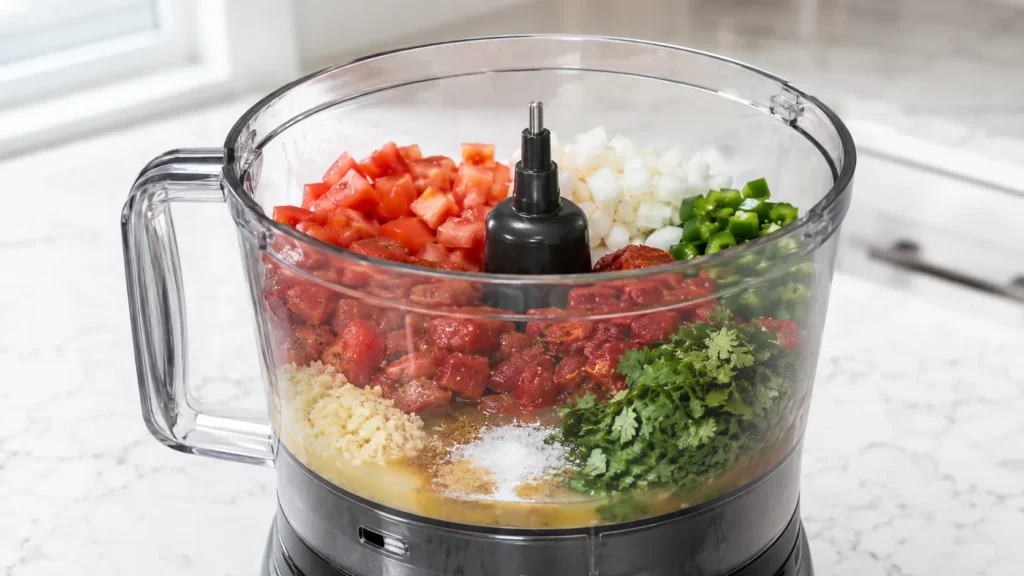
- Add the chopped fresh tomatoes to a food processor.
- Add the drained fire-roasted tomatoes.
- Add the onion, jalapeño, cilantro, lime juice, garlic, salt, cumin, and sugar.
- Pulse 6 to 10 times, scraping the sides once.
- Check the texture before blending more.
- Taste, then add more salt or lime if needed.
- Add 1 tablespoon water only if the salsa seems too thick.
- Transfer to a bowl or jar.
- Chill for at least 20 minutes before serving.
The chilling time helps the flavors settle. Salsa straight from the processor can taste sharp and uneven. After a short rest, the tomato, lime, onion, and pepper taste more balanced. That little wait does more than people expect.
Now taste again before serving. Start with salt if it tastes dull. Add lime if it tastes heavy. For more heat, add jalapeño or a tiny pinch of cayenne. Small changes work better than big dramatic ones.
This is where the recipe gets wonderfully flexible. You can make it chunky, smooth, mild, or spicy. The base stays simple, but your taste buds get the final vote. I love that, because rigid salsa rules sound exhausting. Very civilized.

How To Make Homemade Salsa Without A Giant Mess
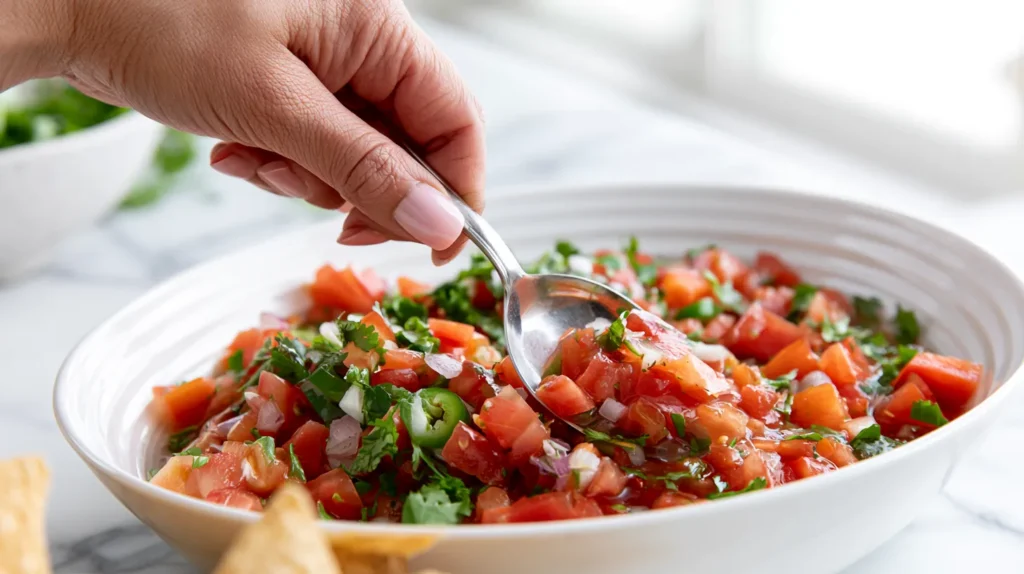
Making homemade salsa should not turn the counter into a tomato slip-and-slide. Fresh recipes can look simple, then every surface somehow needs wiping. So, I like a process that keeps the mess contained and the chopping sensible.
Start with a scrap bowl beside the cutting board. That one move saves more time than it should. Onion skins, tomato cores, cilantro stems, and jalapeño seeds can go straight into the bowl. Then the trash trip happens once, not fourteen tiny times.
I also chop the drier ingredients first. Onion and jalapeño stay easier to manage before the tomatoes arrive. After that, I chop the tomatoes and drain the canned tomatoes over the sink. This order keeps the board from getting watery too early.
Another small move helps a lot. Cut the tomatoes into rough chunks, not perfect cubes. The food processor handles the final work. Tiny perfect pieces only add time, unless chopping vegetables gives you deep inner peace. In that case, enjoy your peaceful little knife moment.
Jalapeños need respect, though. Remove the seeds and white ribs for mild salsa. Keep some seeds for more heat. However, wash your hands well after cutting them. Better yet, use gloves if your skin gets sensitive.
A damp paper towel under the cutting board can help too. It keeps the board steadier while you chop. That sounds boring until the board slides once. Then it becomes thrilling in the worst way.
Here’s the reframe. Homemade does not need to mean slow. It means you control the ingredients and skip the overpriced jar. Once the prep order makes sense, this recipe moves fast. The cleanup stays reasonable, too, which always helps.
The Texture Choice That Changes The Whole Bowl
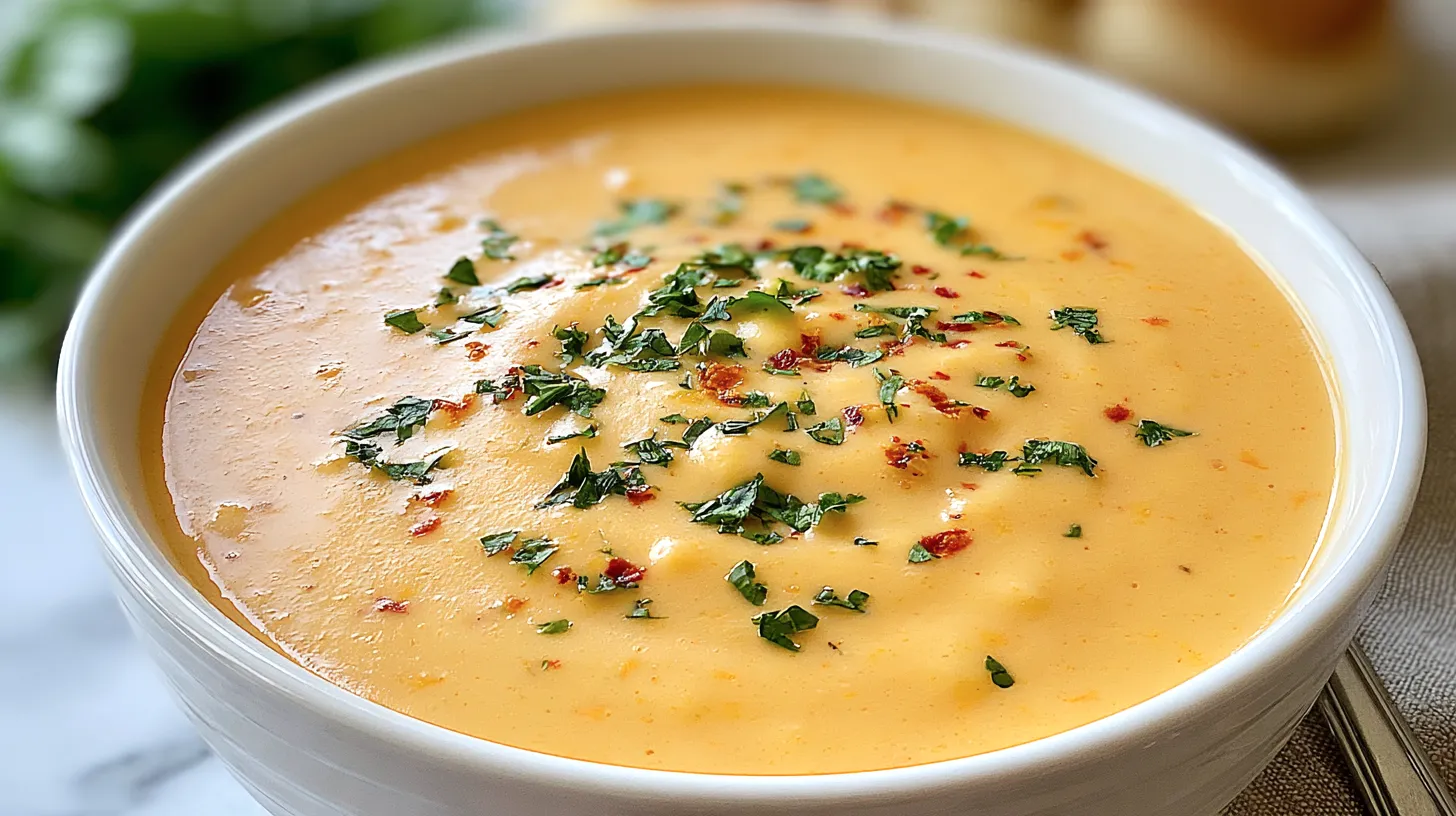
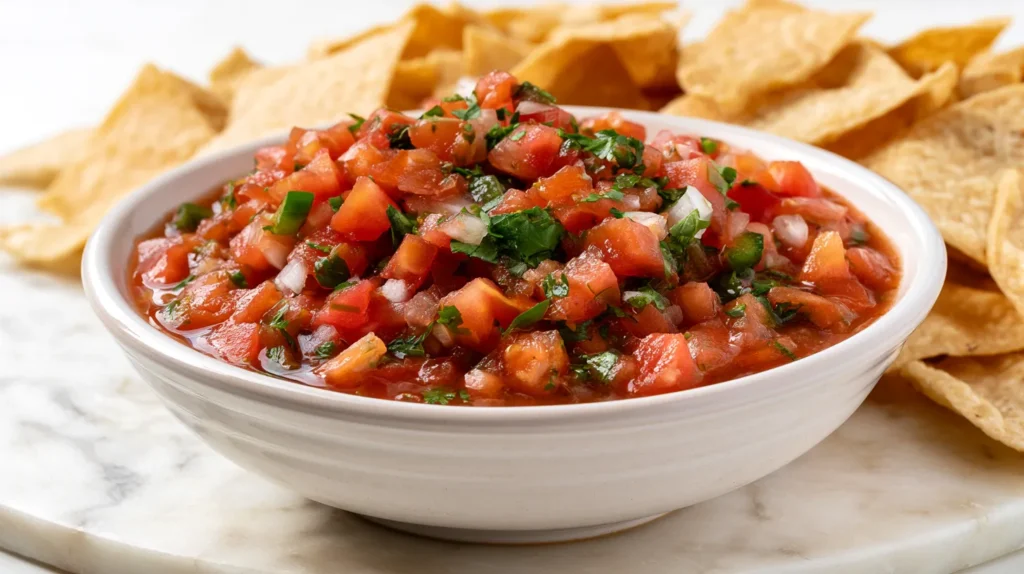
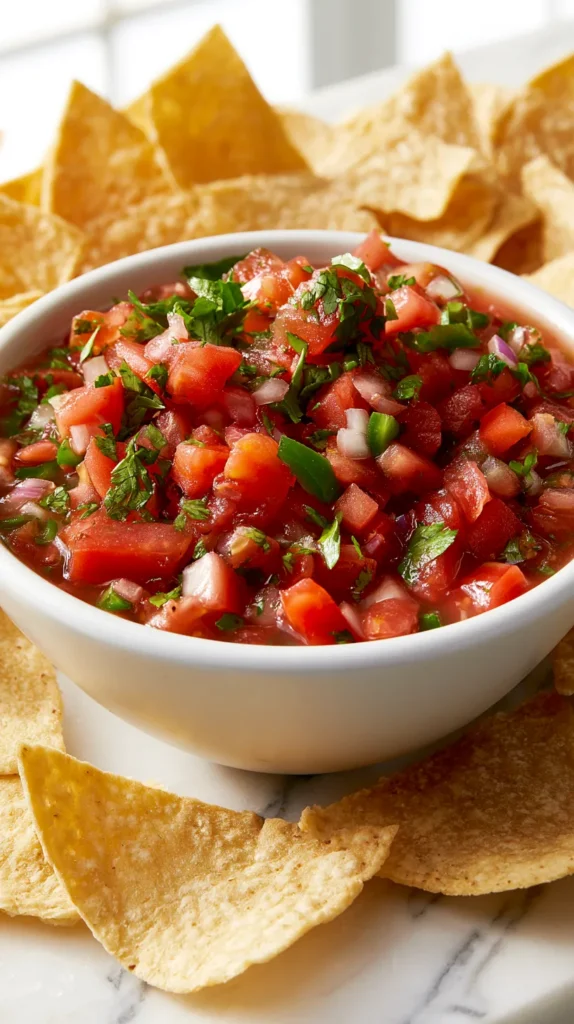
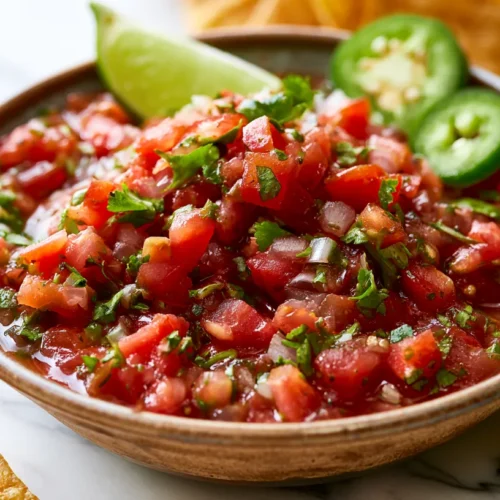
Texture matters more than people admit. A salsa can have great flavor, yet still disappoint if it turns watery. I like salsa that scoops cleanly and stays on a chip. Small pieces of tomato and onion should still show. That middle texture makes every bite taste fresh.
The biggest texture mistake comes from overblending. Long blending breaks everything down too much. Short pulses give control, which is exactly what this recipe needs. I stop while small pieces still show. Then I stir and check before pulsing again.
Watery salsa does not always mean failure. Some tomatoes carry more juice than others. If the bowl looks thin, spoon off a little liquid before serving. You can also add more drained fire-roasted tomatoes to thicken it. That fix costs little and works quickly.
Onion size matters, too. Large onion chunks can take over a bite. Smaller pieces spread the flavor more evenly. Garlic behaves the same way, so one clove really is enough. More garlic sounds tempting, but salsa can taste harsh fast.
Cilantro should stay visible, not disappear completely. Little green flecks make the bowl look fresh. Still, use less cilantro if your people dislike it. A budget recipe should not start a dinner-table debate unless the debate involves the last chip.
For homemade salsa, the best texture trick is patience. Chill the salsa for 20 minutes, then stir it well. After that, check the thickness before serving. The flavor rounds out, and the consistency usually improves. That short rest turns a quick blend into something that tastes much more planned.
Before serving, use a clean spoon to check the bottom of the bowl. Extra liquid often collects there, and a quick stir fixes the texture.

Budget Tips That Keep The Flavor Big
Budget-friendly salsa works best when you know where to save and where not to. I will happily use canned tomatoes. Fresh lime still matters, though. Some corners save money. Other corners steal flavor and leave you wondering what happened.
The best savings start with flexible tomatoes. Buy fresh tomatoes when they’re ripe and affordable. Use canned fire-roasted tomatoes when fresh ones cost too much. Better yet, combine both and get the best parts from each. That combo keeps homemade salsa useful all year.
Use these budget tips:
- Buy loose tomatoes, so you only pay for what you need.
- Choose store-brand fire-roasted tomatoes when the label looks simple.
- Use one jalapeño, then add cayenne if you want more heat.
- Buy cilantro only when it looks fresh and perky.
- Freeze leftover canned tomatoes in a small bag.
- Use lime zest if your lime seems dry.
- Add salsa to meals instead of buying extra sauces.
- Serve it with homemade tortilla chips from leftover tortillas.
That last idea is sneaky good. Cut tortillas into wedges, brush lightly with oil, and bake until crisp. Suddenly, the salsa snack costs less and still looks fun. I love that kind of practical nonsense.
Another budget reframe helps. Salsa does not need expensive toppings around it. You can keep taco night simple and still get big flavor. Add beans, cheese, tortillas, and this salsa. Dinner stays bright without extra bottled sauces.
Small savings matter most when they repeat. This recipe does that well. One bowl can improve several meals without making the grocery list longer. That is the quiet win I always want from budget cooking. Tiny savings may look boring, but they add up fast.
Easy Serving Ideas For Homemade Salsa All Week
Homemade salsa becomes more useful when you treat it as more than a dip. Chips are wonderful, obviously. I support the chip life with enthusiasm. Still, this salsa can help stretch simple meals all week, which makes the budget part even better.
I like salsa as a flavor shortcut. You get tomato, onion, lime, herbs, and heat in one spoonful. That means you can skip extra sauces and still make food taste fresh. It also helps basic leftovers seem less repetitive, which matters if leftovers test your patience.
Try it with:
- Tacos with ground beef, chicken, beans, or roasted vegetables
- Quesadillas with cheese and leftover meat
- Scrambled eggs or breakfast burritos
- Rice bowls with black beans and corn
- Baked potatoes with cheese and sour cream
- Nachos with beans and shredded cheese
- Grilled chicken, shrimp, or fish
- Taco salad with tortilla strips
- Crockpot chicken bowls
- Cheese omelets or egg muffins
- Simple snack boards with chips and cucumbers
For parties, serve salsa in a smaller bowl and refill it as needed. That keeps the table cleaner and the salsa fresher. It also makes the spread look more generous because the bowl stays full. Little hosting choices can stretch food without looking stingy.
Here’s the assumption worth flipping. Salsa is not only a dip. Use it as a topping, shortcut, and grocery stretcher. One bowl can make cheap proteins taste brighter and pantry meals look less plain.
If you make it ahead, keep the chips separate until serving. Nobody wants soft chips. Those chips turn into a tiny tragedy with salt. Also, cold salsa tastes best after a good stir, so don’t skip that last quick serving move.
FAQs For Fresh Salsa Without The Confusing Bits
Can I make this with only canned tomatoes? Yes, you can use two cans of fire-roasted diced tomatoes. Drain both cans well before blending. The salsa will taste deeper and more restaurant-style, though less juicy.
Can I make it without cilantro? Yes, leave out the cilantro if you dislike it. Add a little extra lime for brightness. You can also use a small amount of parsley, but the flavor will change.
How long does it last in the fridge? Keep the salsa in an airtight container for 3 to 4 days. Stir it before serving because tomatoes release liquid as they sit. Toss it if it smells sour, looks fizzy, or shows mold.
Can I freeze homemade salsa? Yes, but the texture softens after thawing. I prefer frozen salsa for cooked meals. Add it to taco meat, soup, chili, chicken, beans, or rice.
How do I make it less spicy? Remove the jalapeño seeds and white ribs before blending. Use half the pepper if you want it very mild. If the finished salsa tastes too hot, add more drained tomatoes.
How do I make it spicier? Add another jalapeño or use a serrano pepper. You can also keep some seeds in the pepper. Start small because heat builds quickly.
Why does my salsa taste flat? Add a pinch of salt first. Then add lime juice if it still needs brightness. Do not add more onion right away, because onion can overpower the bowl.
Can I make it chunkier? Yes, pulse fewer times and stop before it looks smooth. You can also stir in extra chopped tomato after blending. That gives the salsa more bite without changing the recipe much.
Homemade Salsa
Ingredients
- 3 medium ripe tomatoes roughly chopped
- 1 can fire-roasted diced tomatoes 14.5 ounces, drained
- 1/2 small white onion roughly chopped
- 1 jalapeño seeded and chopped
- 1/3 cup fresh cilantro loosely packed
- 2 tablespoons fresh lime juice
- 1 garlic clove minced
- 1/2 teaspoon kosher salt
- 1/4 teaspoon ground cumin
- 1/4 teaspoon granulated sugar optional
- 1 tablespoon cold water only if needed
Instructions
- Add the chopped fresh tomatoes to a food processor.
- Add the drained fire-roasted tomatoes.
- Add the onion, jalapeño, cilantro, lime juice, garlic, salt, cumin, and sugar.
- Pulse 6 to 10 times, scraping the sides once.
- Check the texture before blending more.
- Taste, then add more salt or lime if needed.
- Add 1 tablespoon cold water only if the salsa seems too thick.
- Transfer the salsa to a bowl or jar.
- Chill for at least 20 minutes before serving.
- Stir the salsa well before serving.
- Taste again before serving.
- Add a small pinch of salt if it tastes dull.
- Add lime juice if it tastes heavy.
- Add jalapeño or a tiny pinch of cayenne if you want more heat.
The Little Salsa Bowl That Makes Dinner Look Clever
I love when one batch can stretch across several meals without demanding much time. Homemade salsa does that in the best way. It starts as a dip, then turns into a taco topping, breakfast helper, and rice bowl upgrade. That is useful kitchen math, and I fully approve.
As a mom, I appreciate anything that makes simple food look more cheerful. A bowl of fresh salsa can improve plain chips, basic beans, or leftover chicken. That tiny lift matters during busy weeks, especially when the grocery budget already has opinions. It also keeps the meal from needing extra toppings, which my budget appreciates. That is not glamorous math, but it works.
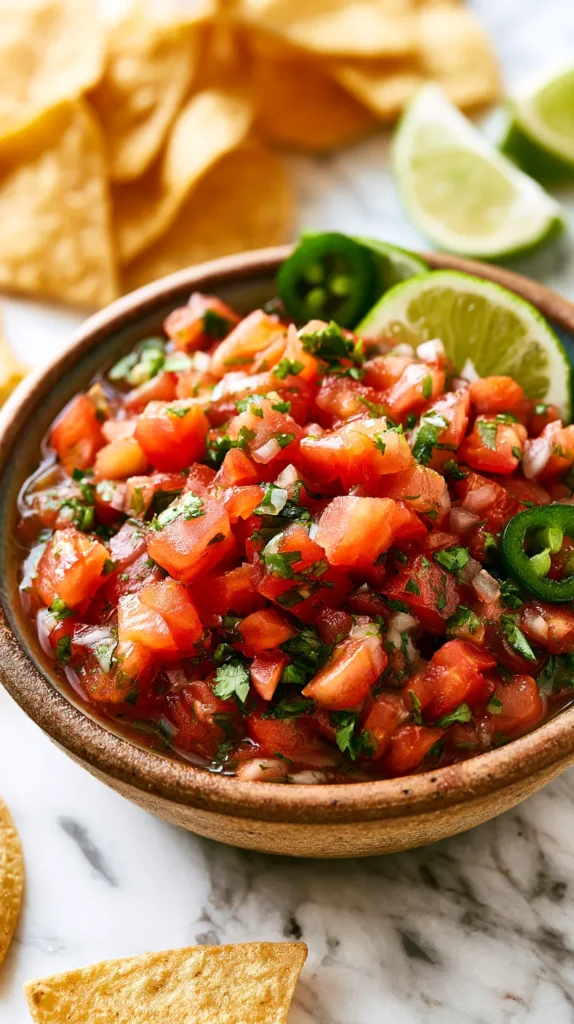
I also like how pretty salsa looks on Pinterest without needing a complicated setup. A bowl, a few chips, maybe a lime wedge, and suddenly the whole scene looks fresh. Simple food can still have color, texture, and a little attitude. That is exactly the lane I like.
So, I keep coming back to this recipe because it feels practical and fun. It saves money without looking like it. Easy ingredients keep the prep simple. Bright flavor keeps dinner from tasting dull. Plus, you get that scoopable moment people notice.
Grab the tomatoes and squeeze the lime. Open the chips, set out the bowl, and call it good. No fuss required. Cheap dinner can still look clever, fresh, and very worth repeating. That is the kind of little kitchen win I will always make room for.