Wedding planning can turn a normal Tuesday brain into a full-blown overthink machine. One minute you’re choosing between two lip glosses. Next minute you’re debating if your hair should whisper elegant or shout glam. Wedding hairstyles get treated like a luxury requirement, when they’re really just one piece of the whole picture.
I’ve found that budgets break when decisions stack up fast. Hair is a sneaky one. It looks simple until you see the price list. Then you start wondering if you should “just do it yourself” while sweating into your shampoo. Wedding hairstyles don’t need to cost a fortune to look polished. They need a plan that respects your hair, your day, and your wallet.
Living in Orlando taught me to respect weather like it pays rent. Humidity does not negotiate. That reality makes me money-savvy about beauty choices. Smart hair choices protect style without bleeding cash. And yes, you can look expensive while spending intentionally.
Some of the links on this page are affiliate links, which means that if you click on them and buy something, I might get a small commission. But don’t worry; it never costs you more. You can peek at my full disclosure if you’re curious about the fine print.
Wedding Hairstyles That Start With Radical Hair Honesty
Here’s my opinion, and I’m standing by it. The most expensive mistake is fighting your real hair. When wedding hairstyles demand you become someone else, the bill climbs. Time increases. Products multiply. Touch-ups appear. Stress follows behind like an uninvited plus-one.
I’ve found that honest hair planning saves money immediately. You start by accepting texture, density, and length. Then you choose a style that works with those facts. That approach cuts down on “fixing” and boosts longevity.
Instead of chasing the loudest trend, anchor your choices in what your hair already does well. Natural wave holds shape. Straight hair shines in sleek styles. Curly hair loves structure and moisture. Because of that, cooperation beats correction.
Try this simple decision filter:
- Choose one main goal: sleek, soft, or textured.
- Match your goal to your hair’s natural behavior.
- Pick a style that survives movement and weather.
- Plan for comfort first, then detail.
I notice people skip this step and pay for it later. They book extra trials, buy extra tools, and add extensions they don’t need. Meanwhile, a simpler plan often looks better in photos. Wedding hairstyles look most elevated when they look intentional, not forced.
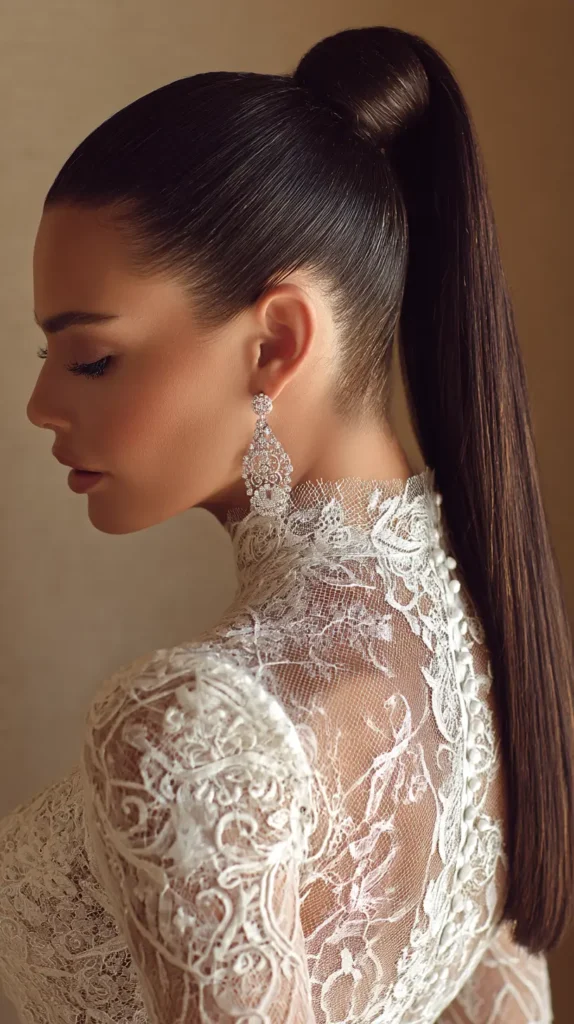
Wedding Hairstyles That Look Expensive Because They’re Calm
Calm hair reads rich. I know that sounds dramatic, but it’s true. When hair looks settled and confident, the whole look levels up. Wedding hairstyles don’t need height, stiffness, or ten pounds of curl definition to look high-end.
I’ve found that “expensive hair” usually means clean lines, controlled texture, and thoughtful shape. It looks like someone chose it on purpose. It doesn’t look like someone wrestled it into submission.
Here are three “calm style” choices that work across budgets:
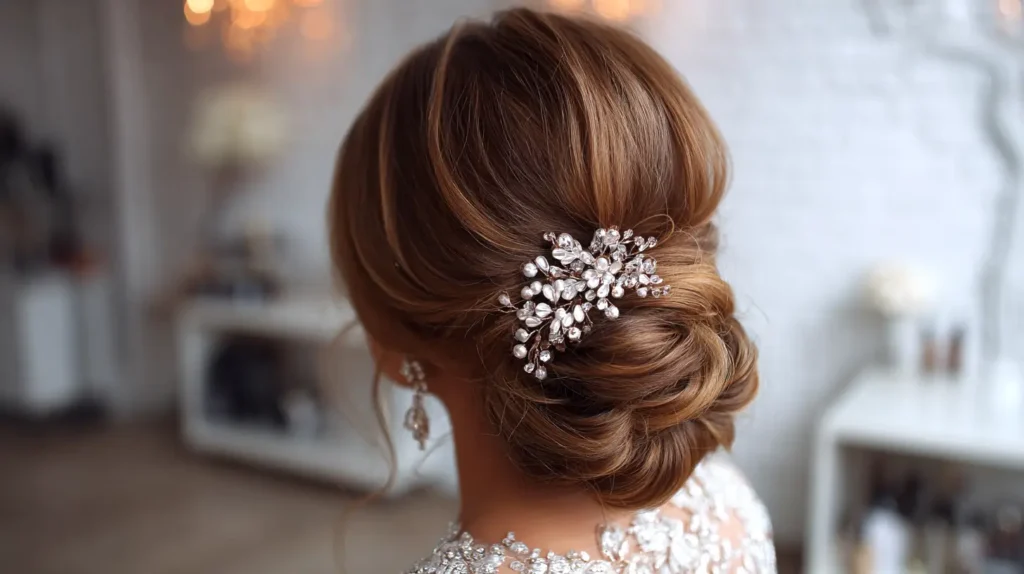
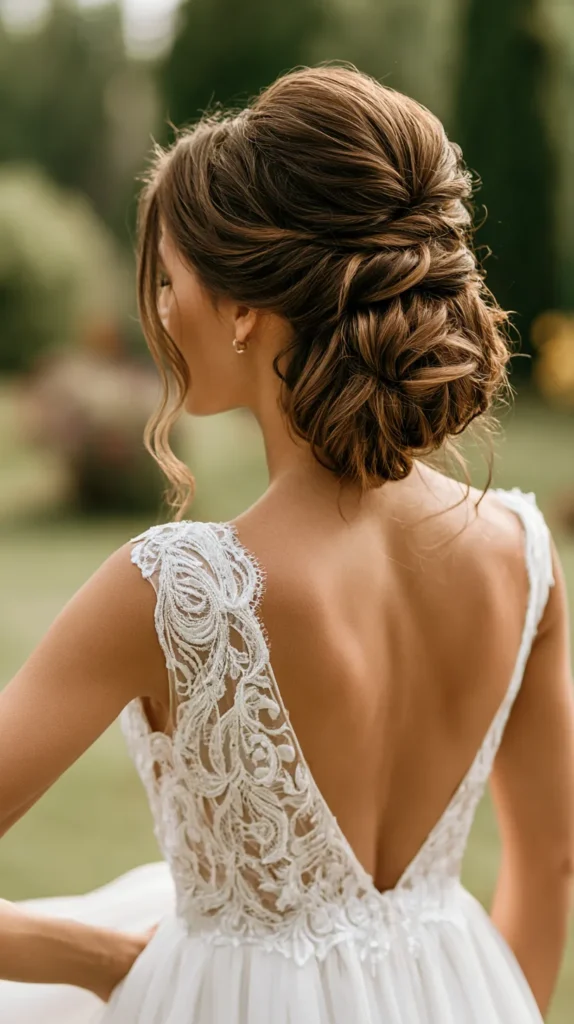
First, low buns with a smooth crown and soft pieces near the face.
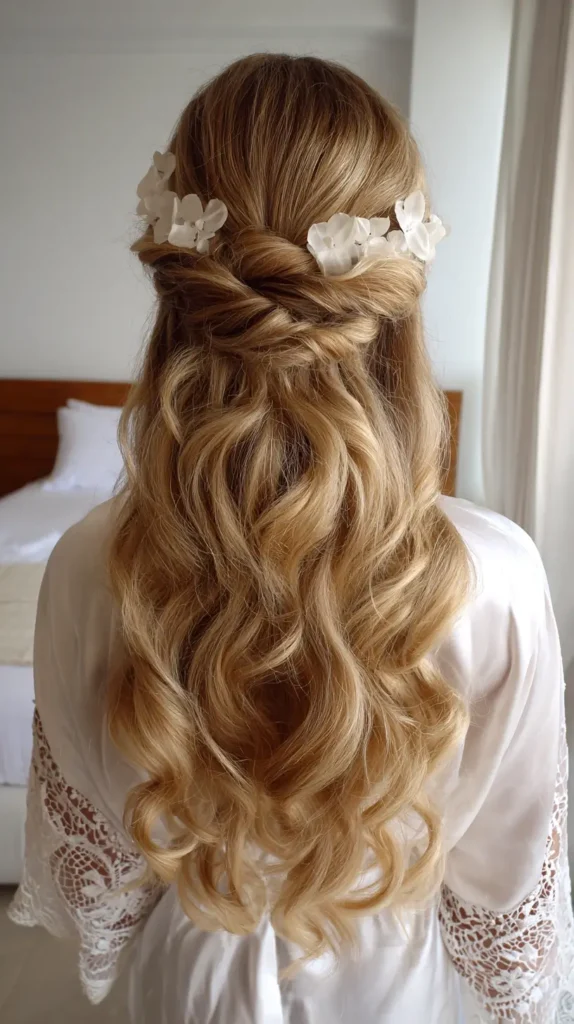
Second, half-up waves with tidy sections and polished ends.
Third, a sleek ponytail with a wrapped base and clean parting.
Notice what’s missing. There’s no chaotic teasing. There’s no crunchy spray shell. And no extreme volume that collapses by dinner. Instead, the style sits where it belongs and stays there.
A calm look also reduces cost because it needs less maintenance. Fewer touch-ups mean fewer paid hours. Meanwhile, simpler shapes allow accessories to shine without extra work. Wedding hairstyles can look elevated with restraint. Restraint protects your budget and your sanity.
Wedding Hairstyles That Make The Low Ponytail Look Intentionally Bridal
The low ponytail has been misunderstood for years. It gets labeled as too casual, too simple, or worse, not bridal enough. That reputation is wildly unfair. When done correctly, a low ponytail becomes one of the smartest wedding hairstyles you can choose, especially if you care about budget and longevity.
Here’s why it works so well. The low ponytail sits where hair naturally wants to stay. Gravity helps instead of fighting you all day. Because of that, it holds shape longer with less product and fewer pins. That alone saves money and stress. It also means fewer touch-ups, which quietly matters more than people admit.
The secret to making a low ponytail look bridal sits in the details, not the height. Clean parting changes everything. A smooth crown instantly elevates the look. Wrapped hair at the base hides elastics and signals intention. Soft bends through the length add movement without chaos. None of that requires advanced styling or expensive tools.
I’ve found that the low ponytail shines in photos because it doesn’t compete with the face. It frames without crowding. It moves beautifully when you walk. And it still looks good after dancing, hugging, and actual living. That reliability gives it serious value.
This style also pairs effortlessly with accessories. Veils sit cleanly. Hairpins pop without overwhelming the look. Statement earrings finally get their moment. That flexibility makes the low ponytail one of the most adaptable wedding hairstyles available.
Best of all, it photographs modern without chasing trends. Years from now, it still looks intentional. That kind of quiet confidence is hard to buy, yet the low ponytail delivers it naturally.
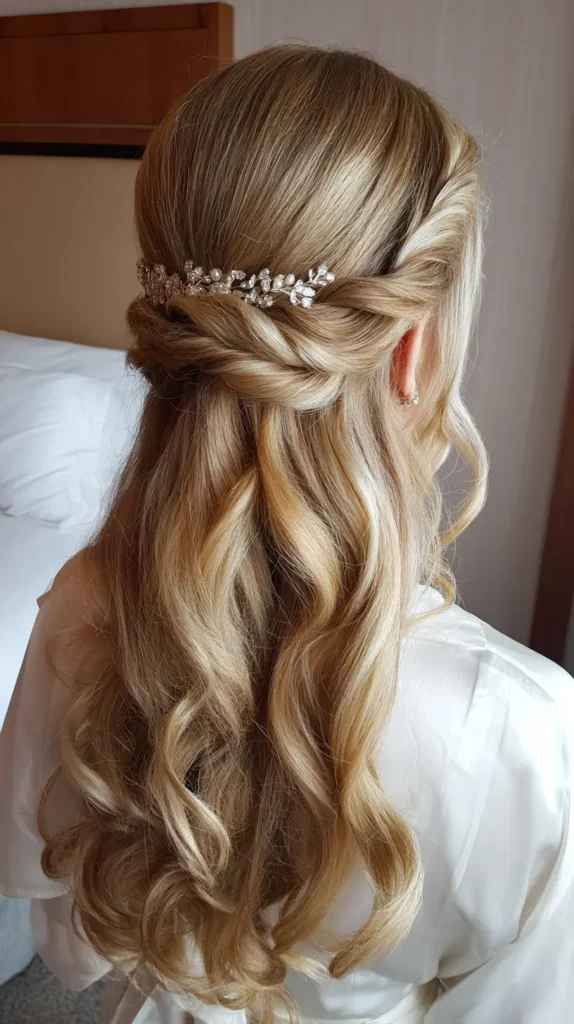
Looks For DIY Brides Who Want Zero Regret
DIY hair can look gorgeous, but only if you plan like a grown woman with a calendar. I’ve found that last-minute DIY turns into panic fast. Panic ruins timing. Timing ruins photos. Photos ruin your mood. It’s a domino situation.
So here’s the DIY truth. Pick a style you can repeat calmly. Then practice it enough that your hands stop shaking. That’s it. Skill comes from repetition, not hope.
DIY-friendly wedding hairstyles usually fall into a few categories:
- Half-up styles with soft waves and hidden elastics
- Low twisted buns secured with layered pinning
- Sleek ponytails with smooth crowns and wrapped bases
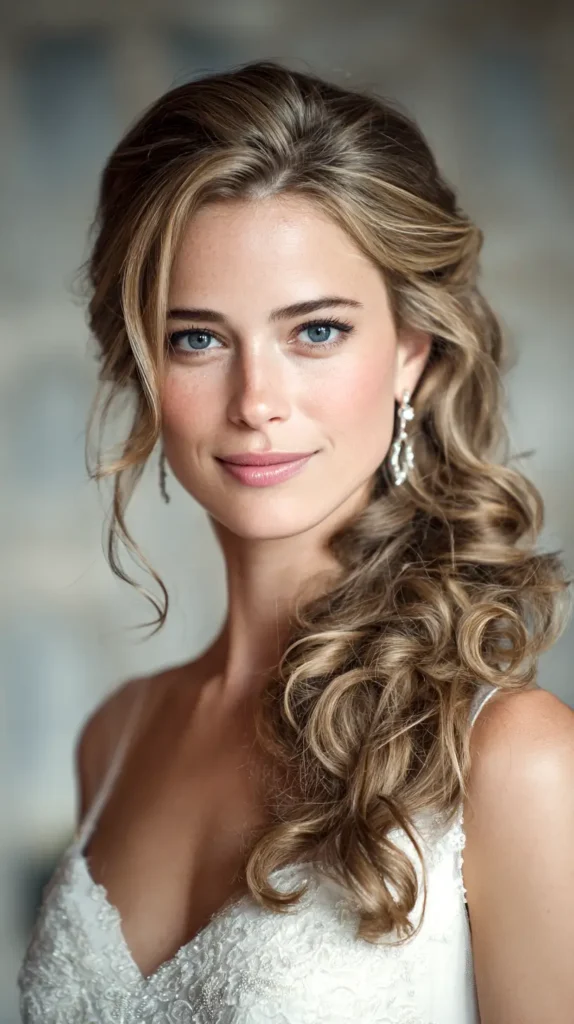
- Loose curls pinned at one side for asymmetry
Now for the practical part people skip. Use fewer products than you think. Heavy product makes hair look stiff under lights. Flexible hold looks softer in photos. Also, pin in layers. One big pin never holds like three smaller ones.
If you want the best of both worlds, go hybrid. Pay for a blowout or curl set. Then finish the style yourself. That approach saves money while keeping the base polished. Wedding hairstyles don’t require an all-or-nothing decision to look professional.
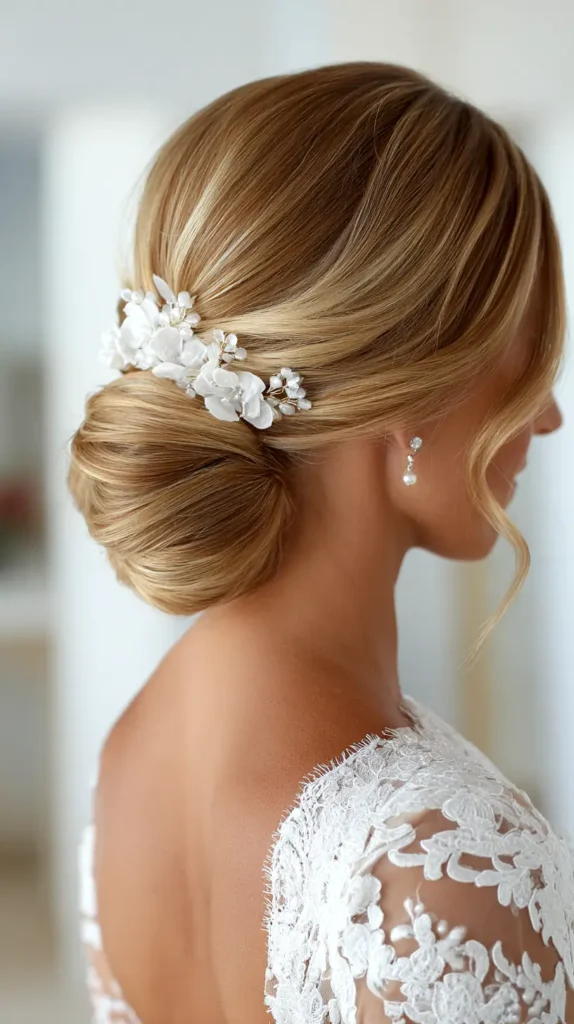
Wedding Hairstyles That Pass The Cost-Per-Hour Test
Here’s a concept I almost never see discussed, and it’s wildly useful. I call it the cost-per-hour test. Wedding hairstyles are usually priced as a flat expense, which hides whether they’re actually worth the money. Instead, look at hair as something you’re wearing for a very long day. When you break it down that way, smarter choices surface fast.
Think about how many hours your hair needs to look good. From photos to last dance, that might be eight, ten, or even twelve hours. Now imagine a style that looks incredible for the first ninety minutes but slowly unravels. That style has a terrible cost-per-hour rate, even if the upfront price seemed reasonable. Meanwhile, a simpler style that holds all day suddenly becomes the better value.
This mindset changes how you choose wedding hairstyles. Longevity becomes the feature, not complexity. Structure matters more than drama. Comfort matters more than novelty. Because of that, styles that feel calm and controlled often win this test easily.
I’ve found that the best performers are styles that don’t rely on perfection. Hair that still looks good slightly loosened will always outlast hair that needs to stay exact. That’s especially helpful when weather, movement, and real life show up, which they always do.
Looking at hair through a cost-per-hour lens also helps during consultations. You ask better questions. You stop chasing what looks impressive for five minutes. Instead, you choose what earns its keep all day long. Wedding hairstyles that pass this test protect your budget and your peace, which is a rare and powerful combination.
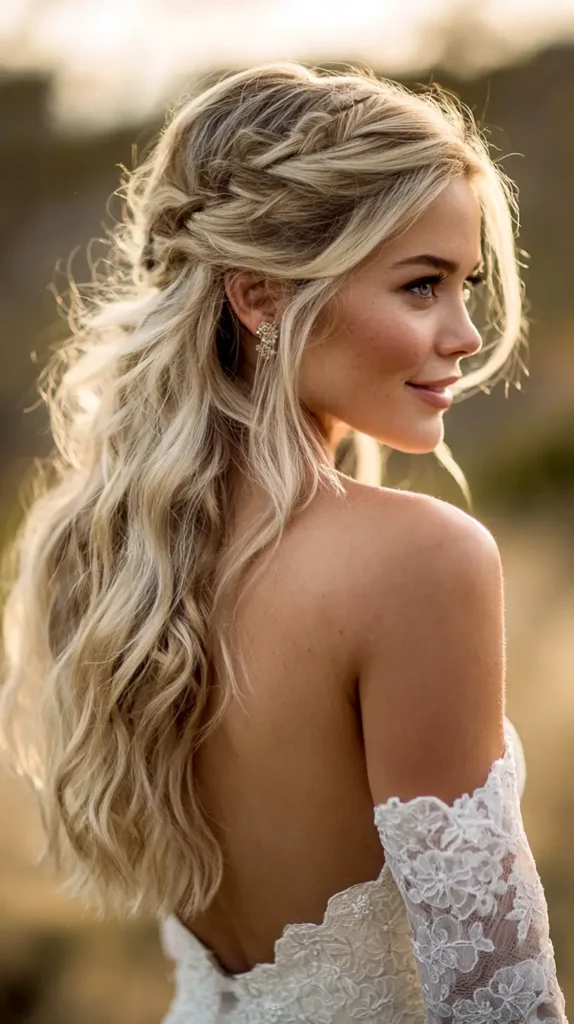
Looks That Photograph Better Than They Look In Person
This is my favorite “money-savvy beauty” secret. Hair that photographs well often looks almost too simple in the mirror. That simplicity is a gift. It saves money and looks incredible in pictures.
Cameras flatten height and exaggerate stiffness. Meanwhile, movement creates dimension. Because of that, wedding hairstyles with soft bends and natural texture often look better in albums than highly sculpted styles.
Here’s what photographs beautifully, even on a budget:
Clean parts, smooth crowns, and ends that look finished.
Soft texture that catches light without looking crunchy.
Balanced shape from the side and the back.
Face-framing pieces that look intentional, not accidental.
A smart photo trick is to build interest where the camera sees it. The back of your hair shows up in ceremony photos. Your sides show up in candids. That means the style needs balance from every angle, not just the front.
I’ve noticed elaborate styles can look busy in photos. They distract from faces. They also date quickly. Wedding hairstyles that photograph best tend to look calm, clean, and modern. That “quiet luxury” effect costs less than people assume.
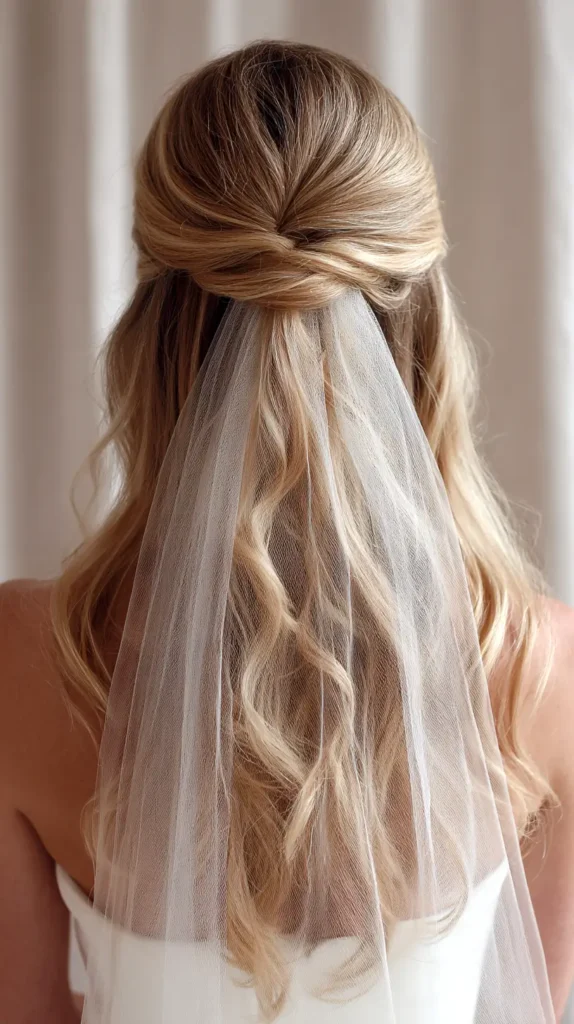
Use Accessories As A Shortcut
Accessories can save you money when you use them like a strategy, not a shopping spree. One good piece can replace an hour of styling work. That’s not a metaphor. It’s math.
Here’s the rule I live by. Pick one focal accessory. Then let the hairstyle support it. Wedding hairstyles look more intentional when there’s a clear star of the look.
Smart accessory choices that elevate without chaos:
- A veil that sits cleanly at the crown or under a bun
- A pearl pin cluster placed off-center for softness
- A slim comb that adds shine without adding bulk
- Small fresh florals used sparingly, not everywhere
You don’t need five things at once. Too many accessories make hair look crowded. They also add time, because everything needs reinforcement. Reinforcement equals cost.
Borrowing accessories is also underrated. Rentals work too. Bridal markups are optional, and I love reminding people of that. Wedding hairstyles become more budget-friendly when accessories do the heavy lifting instead of complicated braiding and extra extensions.
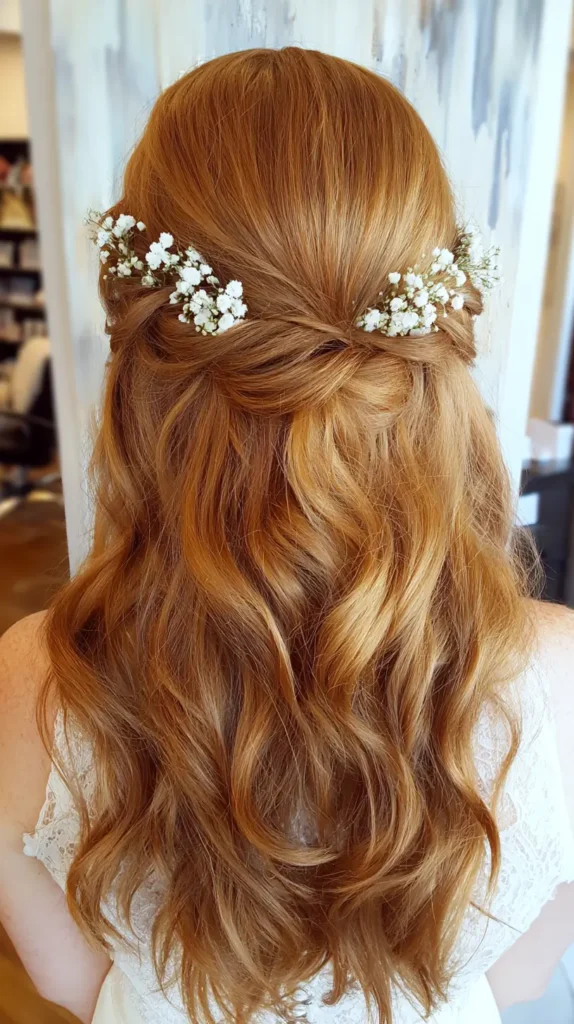
Wedding Hairstyles That Survive The Whole Day Without Babysitting
If your hairstyle needs constant checking, it steals your day. I’m not being dramatic. That mental load shows up in your shoulders and your smile. Wedding hairstyles should disappear from your thoughts once they’re done.
Durability starts with placement. Styles that sit lower on the head typically last longer. Gravity works with them. High-volume crowns fight gravity all day. Because of that, low buns, low twists, and mid-head styles often hold better.
Durability also depends on structure, not stiffness. Stiff hair looks crunchy in photos. Structured hair looks calm. That difference matters.
Here’s a durability checklist you can actually use:
- Anchor the style with layered pinning, not one big pin
- Avoid heavy teasing that collapses later
- Use flexible hold spray in light layers
- Keep face-framing pieces intentional and controlled
Weather matters too. Outdoor weddings need stronger foundations. Indoor weddings allow softer finishes. Either way, durability saves money because it prevents paid touch-ups and last-minute fixes. Wedding hairstyles should support hugs, dancing, and real life. Real life always shows up.
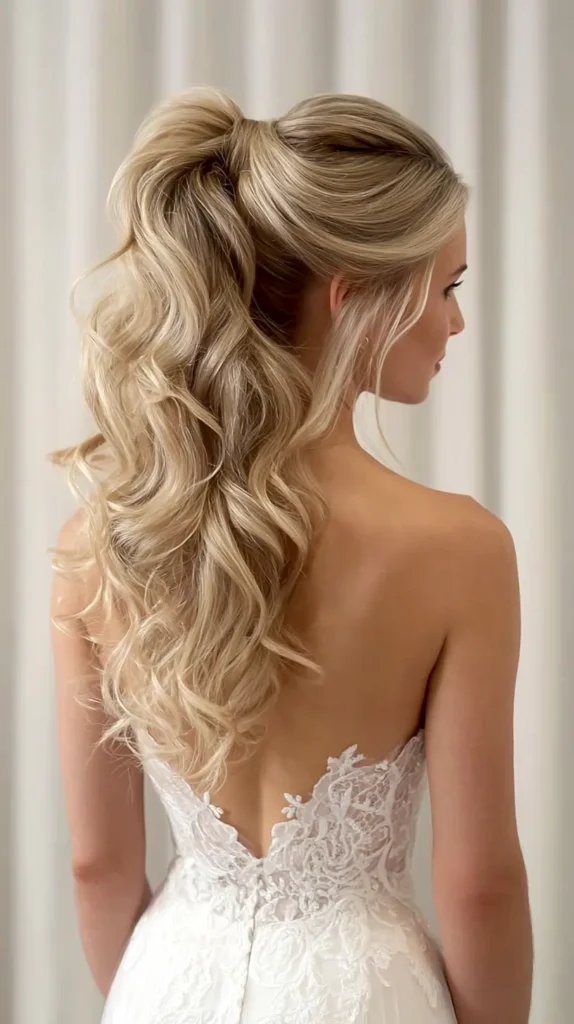
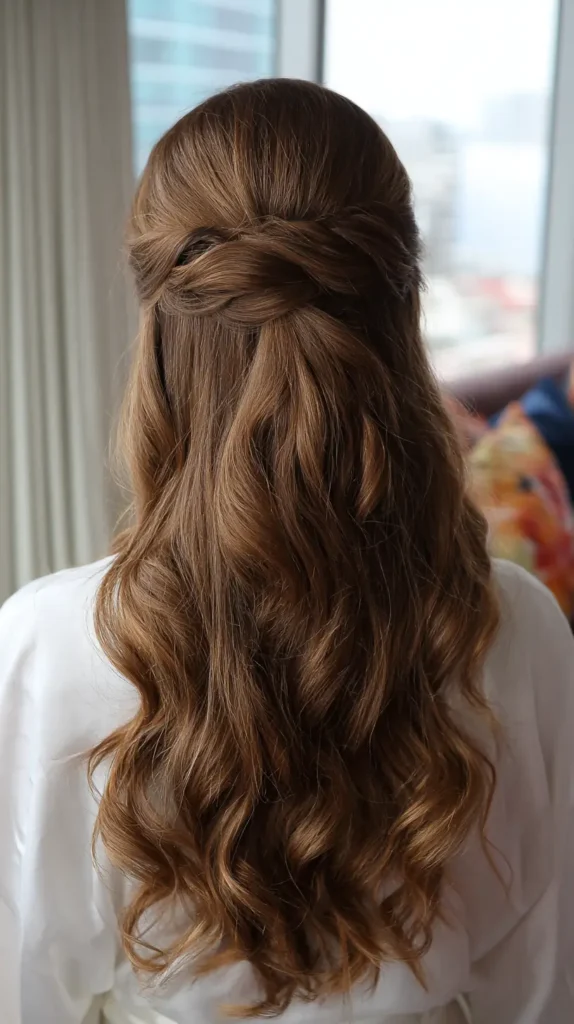
Wedding Hairstyles That Match The Venue And Protect The Budget
Venue and hair should cooperate. When they fight, you pay more. That’s the simplest way to say it. Wedding hairstyles look best when they make sense in the space.
A formal ballroom loves sleek styles and clean lines. A garden wedding loves soft texture and movement. A beach wedding needs styles that don’t rely on perfect placement all day. Because of that, matching the venue reduces stress and touch-ups.
Here are venue-smart pairings that save money:
Sleek bun for formal spaces and structured dresses.
Half-up waves for flexible venues and romantic looks.
Low ponytail for modern venues and minimalist styling.
Soft chignon for outdoor settings with natural texture.
When hair fits the environment, it behaves better. It also looks like it belongs. That “belongs here” effect reads intentional and elevated. It doesn’t scream “I tried too hard.”
I’ve found that budget-friendly weddings look the most stylish when every choice feels cohesive. Hair is part of that cohesion. Wedding hairstyles don’t need to impress the internet. They need to suit the moment, the weather, and your real priorities.
FAQs About Wedding Hairstyles
What Are The Most Budget-Friendly Wedding Hairstyles?
The most budget-friendly wedding hairstyles usually work with your natural hair texture. Low buns, soft ponytails, half-up styles, and simple waves often cost less because they need fewer extras. They also require less product, less time, and fewer touch-ups. I’ve found that the smartest styles look intentional, not overworked. A clean part, smooth crown, and healthy ends can make even simple hair look polished. Basically, the hair version of “I planned this,” not “I panicked at midnight.”
How Can Simple Wedding Hairstyles Look More Expensive?
Simple wedding hairstyles look more expensive when the details stay clean. Focus on smooth sections, soft movement, and a shape that photographs well. You can also add one strong accessory, like a veil, pearl pin, or slim comb. However, don’t pile on five things at once. That usually makes the style look busier, not better. A simple low bun with a clean veil can look far more expensive than a complicated style fighting for attention.
Is It Better To Wear Wedding Hair Up Or Down?
The best choice depends on your hair, venue, dress, and weather. Hair down can look soft and romantic, especially with waves or a half-up style. However, updos often last longer and need fewer touch-ups. Outdoor weddings, hot weather, and long receptions usually favor buns, ponytails, or half-up styles. I’d choose the option that lets you enjoy the day without checking a mirror every twenty minutes. Nobody needs that little side quest.
Which Wedding Hairstyles Last The Longest?
Low buns, low ponytails, soft chignons, and half-up styles usually last the longest. These styles work with gravity instead of arguing with it all day. They also give pins and product a better foundation. For extra hold, choose structure over stiffness. Flexible hold spray, layered pinning, and controlled face-framing pieces can help the style stay polished. Wedding hairstyles should survive hugs, dancing, photos, and weather without needing a full rescue mission.
Can I Do My Own Wedding Hairstyle?
Yes, you can do your own wedding hairstyle if you choose a realistic style. The key is practice. Pick something you can repeat without stress, like soft curls, a low ponytail, or a simple half-up look. Then test it with your veil, earrings, and dress neckline. I’ve found that DIY hair works best when the style has room to soften. If every strand must stay perfect, it may become stressful fast.
How Do I Choose Wedding Hairstyles For A Veil?
Choose wedding hairstyles that give the veil a clear place to sit. Low buns work well with veils placed above or below the bun. Half-up styles can support a veil at the crown. Loose waves can work too, but they need enough grip at the back. Bring your veil to any trial or practice session. Otherwise, you may love the hairstyle and then discover the veil has nowhere polite to live.
What Wedding Hairstyles Work Best With Humidity?
Humidity usually behaves better with structured styles. Low buns, textured ponytails, braided details, and half-up styles tend to hold up well. Fully loose curls can drop faster in damp weather. However, soft waves with texture spray can still work beautifully. The trick is choosing a style that still looks good if it relaxes slightly. Wedding hairstyles should have some breathing room, especially when the forecast gets dramatic.
How Early Should I Plan My Wedding Hairstyle?
Start thinking about wedding hairstyles after you know your dress, venue, and general wedding style. Those details affect the hair more than people realize. Schedule a trial or practice session early enough to make changes. If you plan to DIY, practice several times before the wedding week. That gives you time to test pins, products, accessories, and weather. Last-minute hair decisions can get spicy, and not in a fun salsa way.
What Wedding Hairstyles Look Best In Photos?
Wedding hairstyles with clean shape, soft movement, and balanced volume usually photograph best. Cameras love texture, but they do not love crunchy product. Smooth crowns, finished ends, and gentle face-framing pieces make a big difference. Also, think about the back and sides. Ceremony photos often show angles you forget about while looking in a mirror. A style should look pretty from more than one direction, because cameras are nosy like that.
How Can I Save Money On Wedding Hair Without Losing Style?
You can save money on wedding hair by simplifying the style, limiting accessories, and avoiding unnecessary extensions. You can also choose a partial-service option, like paying for a blowout and styling the rest yourself. Another smart move is picking wedding hairstyles that last without extra touch-ups. Less maintenance means less cost. Style does not come from doing more. Often, it comes from choosing better and letting the rest breathe.
Last Ideas on Wedding Hairstyles
Wedding planning brings noise. Trends shout. Opinions multiply. Pinterest keeps serving new inspiration like it’s a full-time job. Wedding hairstyles can become a spiral if you let them.
I always come back to the same truth. The best hair choice is the one that supports your day. It lasts. It photographs well. And it doesn’t demand constant attention. And it doesn’t punish your budget for existing.
Living in Orlando keeps me grounded in reality. Humidity does not care about your curl pattern plan. That’s why I love durable, calm, intentional choices. Practical beauty wins, and it wins loudly. When you choose hair that works with your real texture and your real venue, the whole look relaxes.
Money-savvy style isn’t about cutting corners. It’s about choosing what actually matters. A smooth crown matters. Healthy ends matter. Smart pinning matters. Meanwhile, the tenth accessory usually doesn’t.
Pinterest can be a great tool when you use it with boundaries. Save what fits your hair, your budget, and your venue. Skip what looks amazing only in perfect lighting. Wedding hairstyles should make you look like you, just a little more polished. That kind of confidence never needs a luxury invoice.