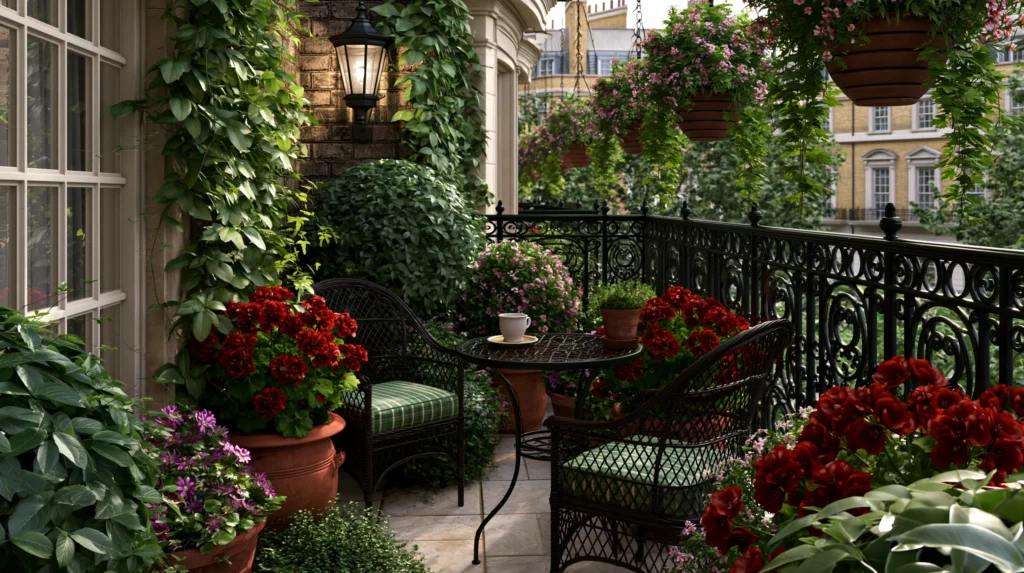
Can we talk about that sad slab of concrete attached to your place? Mine held one wobbly chair and a bag of soil I bought during a burst of ambition. Then I started a balcony garden, and that little ledge became my favorite “room” in the house.
I’m not exaggerating. Okay, maybe a little. But something shifts when you step outside with your coffee and see green things growing. Things you grew, on purpose, with your own two hands and a dollar store watering can.
Here in Orlando, my balcony gets sun that could roast a marshmallow. If my herbs can survive a Florida August, yours can survive anything. So no excuses about climate, okay? We’re all working with imperfect conditions, and the plants manage anyway.
The best part is that this costs almost nothing when you do it right. People assume gardening requires raised beds, fancy tools, and a truck full of mulch. Nope, you need a few pots, some seeds, and a small dose of stubbornness. Most of the supplies might be sitting in your recycling bin right now. Your wallet can stay closed for most of this.
I’ve found that the stubbornness matters most. (More on that later.) Because the real secret to a thriving little garden isn’t what you buy. It’s one weirdly simple habit that most beginners skip. Stick around, because I’m going to spill it before we’re done.
Some of the links on this page are affiliate links, which means I may earn a small commission if you purchase through them. It never costs you extra. You can always peek at my full disclosure if you’d like the details.
Why a Balcony Garden Beats a Backyard (Fight Me)
I know that sounds like cope from a woman without a yard. Hear me out anyway. A balcony garden sits maybe ten steps from your kitchen. That short distance changes everything about how you use it.
Think about it. When basil grows twenty feet from your stove, you snip it while the pasta boils. But when it grows across a muddy lawn, you “forget” it exists. Then you buy the sad plastic clamshell at the store. Distance kills good intentions faster than any pest ever could.
There’s also the weeding situation, or rather, the glorious lack of one. Containers don’t grow dandelions. My friend with the gorgeous backyard spends every Saturday yanking weeds and muttering. Meanwhile, I sip iced coffee and pinch dead leaves off my mint like some kind of leisure queen.
Small spaces force smart choices too. You can’t plant fourteen tomato varieties out there, so you plant the two you’ll eat. That constraint saves real money, which is the whole point for me. Every pot has to earn its spot, and that keeps the budget tight and the results useful.
Now for the part nobody expects: a small garden is easier to love, not harder. Big gardens overwhelm beginners and then guilt them into quitting by July. A tiny setup asks for ten minutes a day, tops. Ten minutes works even on days when everything else falls apart.
And here’s the sneaky bonus. Your plants live at eye level on railings and tables, so you notice trouble early. Yellow leaf? You spot it Tuesday, not three weeks later. Early catches mean fewer dead plants, and fewer dead plants mean less wasted money.
The math tilts in your favor at every turn. See? Fight me.
Containers You Already Own (Yes, Even That One)
Before you spend a dime, go shopping in your own kitchen. I mean that literally. Half the “planters” in my setup started life as something else entirely, and nobody can tell. Guests compliment them, and I just smile and accept the praise.
The trick is drainage. Any container works if water can escape from the bottom. Grab a nail or a drill, add a few holes, and suddenly your trash is treasure. Here’s what I’ve raided from around the house:
- Yogurt tubs and sour cream containers for starting seeds
- A colander that hangs like a planter and drains itself (genius, if I say so myself)
- Five-gallon buckets from hardware stores, often free from bakeries too
- Old mixing bowls with holes drilled in, perfect for shallow herbs
- Plastic storage bins that hold an entire salad garden each
- Coffee cans and large jars for single plants near the railing
Now, will a yogurt tub win any design awards? No. But paint fixes ugly, and spray paint costs three dollars. I give mine one coat in a single color, and the whole space looks intentional instead of scrappy. Nobody has ever asked where I bought my “planters,” which tells me the disguise works.
One warning, though. Skip anything that held chemicals, like detergent jugs or paint buckets. Reuse has limits, and this is the big one. Food containers only for anything you plan to eat. Your basil doesn’t need a side of mystery residue.
Here’s the reframe: matching pots are a marketing invention. A collection of odd containers in one paint color looks curated, like you planned it. The expensive garden aesthetic is mostly repetition and confidence. Who knew?
Balcony Garden Plants That Earn Their Keep
Let’s get picky, because your square footage is precious. Every plant in a balcony garden should give you food, beauty, or joy on repeat. Preferably two out of three. Anything that just sits there gets voted off my island.
Herbs top my list every single time. A basil plant costs three dollars and replaces those five-dollar grocery clamshells all summer long. Mint grows like it has a personal vendetta, so keep it in its own pot. Rosemary shrugs off heat and neglect, which makes it perfect for beginners and busy moms alike.
Cherry tomatoes come next, and I will die on this hill. One plant in a five-gallon bucket produces for months. Full-size tomatoes sulk in containers, but the little ones thrive. There’s a real thrill in eating something warm off the vine while standing in your pajamas.
Lettuce and spinach surprise people. They grow fast, tolerate shallow bins, and regrow after you cut them. Snip the outer leaves, leave the center, and the plant keeps producing. One bin of lettuce saved me around forty dollars last season. I ran the math twice because I didn’t believe it.
Green onions might be the biggest cheat code of all. Stick the white root ends from store-bought bunches into soil. Give them a week, and new green shoots appear. They regrow forever, and you never buy green onions again. Ever.
Here’s what I skip: corn, melons, and anything that needs sprawling room. Those plants belong to people with acreage and patience. My advice runs opposite to the pretty magazine spreads, but pretty doesn’t pay for itself. Useful does, and useful tastes better anyway.
Cheap Flowers That Pull Their Weight Too
Now, before the flower lovers come for me, let’s talk blooms. My plant list leans edible because food pays me back. But a balcony garden without any color can look a little like a produce aisle. A few cheap flowers fix that fast, and some even earn their keep.
Here are the budget bloomers I reach for every season:
- Marigolds, which cost pennies from seed and help deter certain pests
- Petunias, because one hanging basket spills color for months
- Zinnias, the easiest cut flower you’ll ever grow from a dollar packet
- Geraniums, which shrug off heat and bloom straight through summer
- Nasturtiums, with edible peppery flowers that double as salad toppers
See what I did with that last one? Even my flowers moonlight in the kitchen. Nasturtiums might be the best trick in this whole post. One seed packet hands you blooms and food at the same time.
Placement matters more than the number of pots here. One pot of marigolds tucked between your herbs adds instant charm. A single hanging basket at eye level pulls the eye away from bare corners. You don’t need a flower wall, just a few bright spots doing smart work.
The reframe worth holding onto: flowers aren’t a splurge when you grow them from seed. A nursery hanging basket runs twenty-five dollars, while a seed packet costs one. Same blooms, three months of patience, huge savings. Growing your own color is the budget move, not the treat.
So mix a few blooms into your setup and enjoy both worlds. Your tomatoes handle dinner, and your zinnias handle the vibes. That one-two punch is what makes a small garden worth stepping out for.

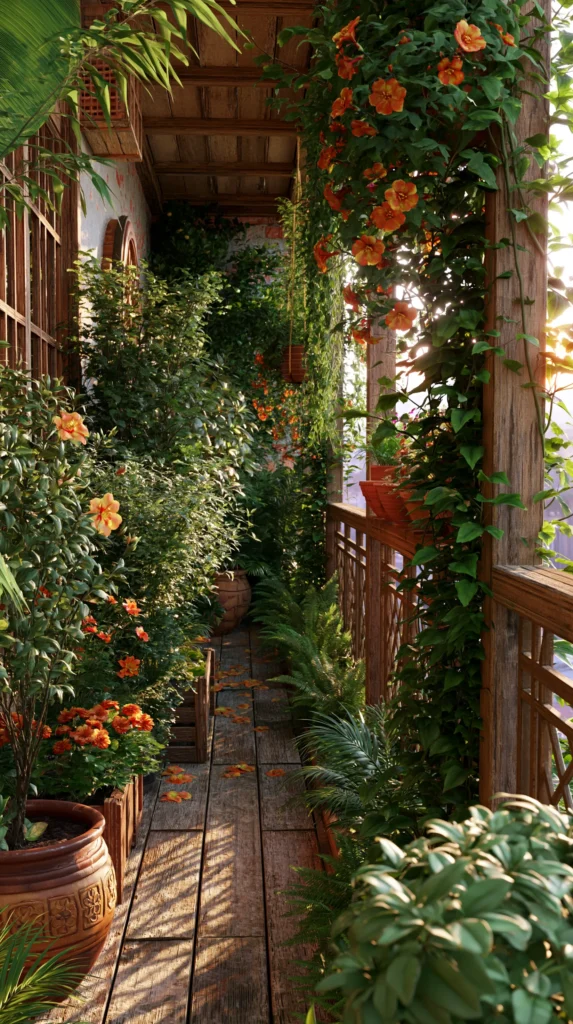
The Sunlight Math Nobody Warns You About
Here’s where most new container gardeners face-plant, and it’s not their fault. Plant tags say “full sun” like everyone knows what that means. Nobody does. So let me translate.
Full sun means six or more hours of direct light. Partial sun means four to six. Shade-tolerant means three or fewer. Your balcony has exactly one of these situations, and you can’t change it. You can only work with it, which is oddly freeing once you accept it.
Before buying a single plant, run this one-day experiment:
- Check your balcony at 9 a.m. and note where the sun lands
- Look again at noon, then at 3 p.m., then around 5 p.m.
- Count the hours of direct light on each spot
- Snap phone photos each time so you don’t have to remember
That’s it. Four check-ins, one day, zero dollars. Yet this tiny experiment saves more plant money than any gadget ever will.
South-facing balconies get the most light, and east-facing ones get gentle morning sun. West-facing spots get brutal afternoon heat, while north-facing balconies stay shady. None of these is bad. Each one just has a different menu.
Got shade? Grow lettuce, spinach, mint, and parsley. Blasted with sun? Tomatoes, peppers, basil, and rosemary will throw a party. The plants aren’t fussy when you match them to the light they want.
And here’s the assumption worth flipping: a shady balcony isn’t a gardening death sentence. Some of the easiest, cheapest crops prefer less sun. Leafy greens turn bitter and bolt in hot light. So the shade gardeners often eat better salads than the sun people. Funny how that works.

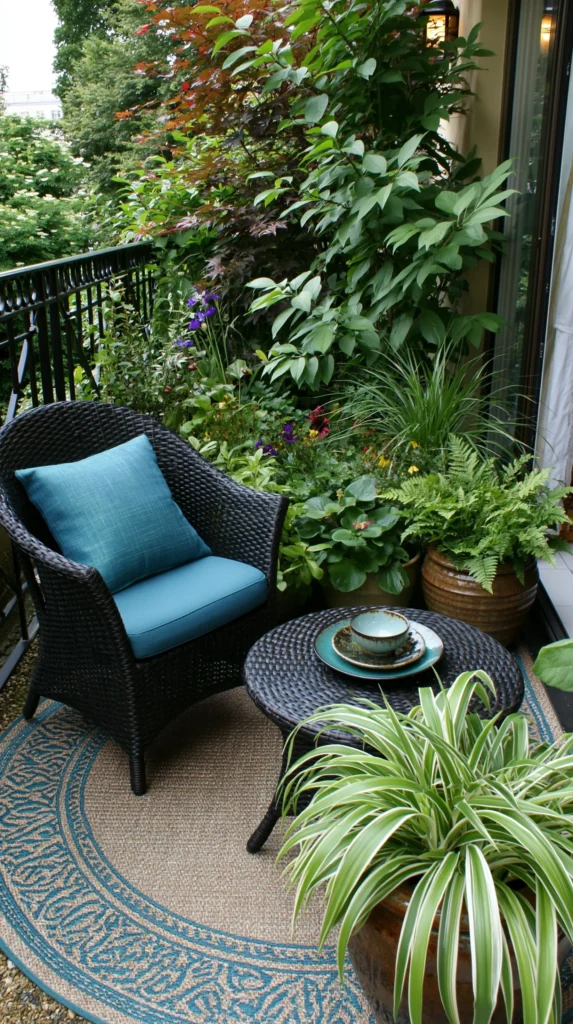
Watering a Balcony Garden Without Losing Your Mind
Remember that weirdly simple habit I teased in the intro? This is it. Touch your soil every morning. That’s the whole secret, and I’m a little annoyed nobody told me sooner.
Stick a finger one inch into the dirt. Dry means water. Damp means walk away. This thirty-second check beats every schedule, app, and moisture gadget on the market. Containers dry out faster than ground soil, so a balcony garden lives and dies by this tiny ritual.
Why does everyone overcomplicate this? Because overwatering and underwatering look identical. Both give you droopy, sad leaves. So panicked beginners see drooping and pour on more water, which drowns roots that were already gasping. The finger test ends the guessing game for good.
Timing matters more than people think. Morning watering wins because plants drink before the heat arrives. Evening watering leaves foliage damp overnight, and damp leaves invite fungus. My Florida summers get so hot that some pots want water twice a day. The finger test tells me which ones every single time.
Want a free upgrade? Save a plastic bottle and poke tiny holes in the cap. Fill it, then shove it neck-down into the soil. It drips slowly for a day or two, which covers you during weekend trips. People pay twenty dollars for gadgets that do the same job worse.
One more shift in thinking: water the soil, not the plant. Wet leaves do nothing except invite disease, and disease spreads fast in containers. Roots do the drinking anyway. Aim your can at the base, go slow, and stop when water runs from the drainage holes. Your plants want a drink, not a shower.
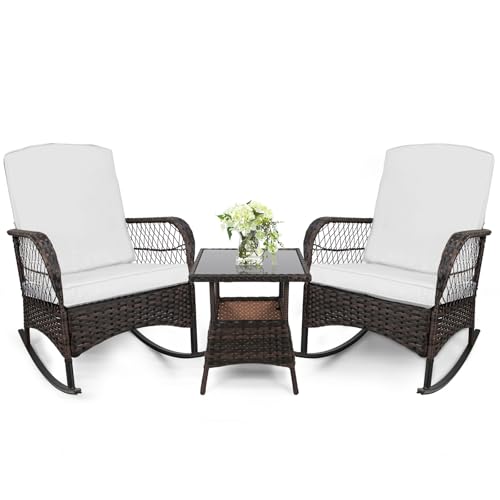
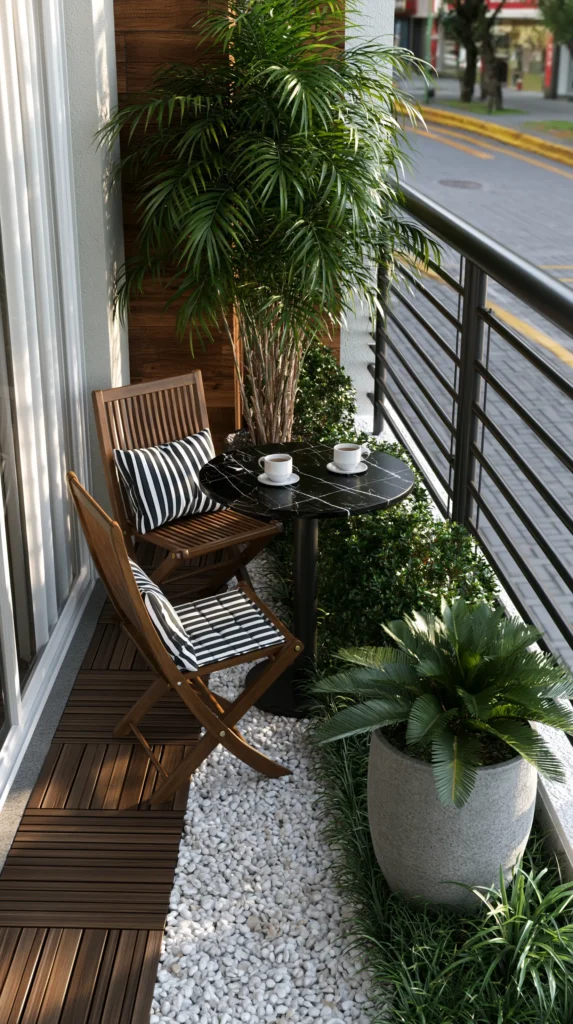
Dollar Store Finds That Look Weirdly Expensive
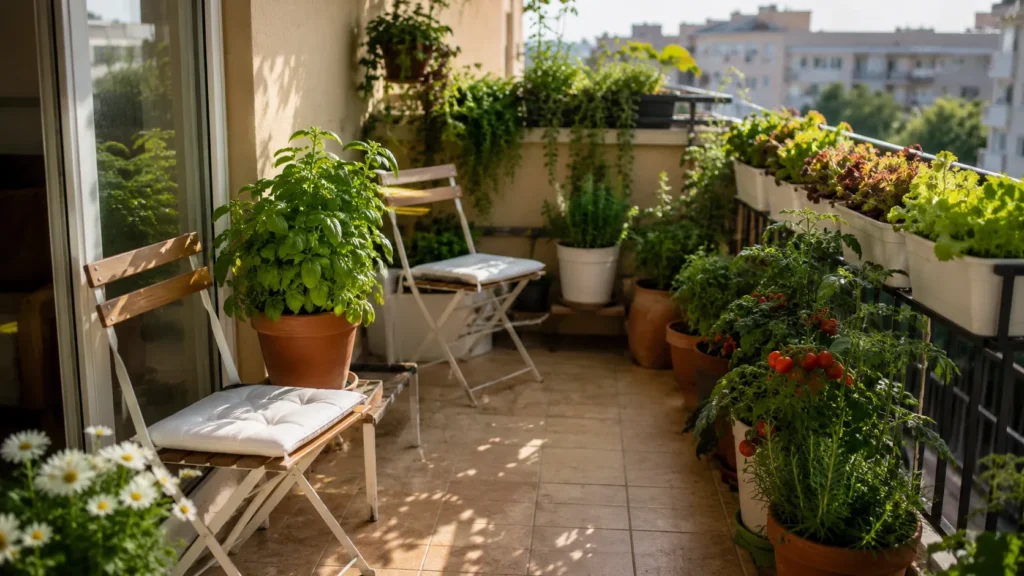
I love a dollar store with the passion some women reserve for designer handbags. The garden aisle gets overlooked, and that’s a mistake. Half of my setup came from there, and visitors assume I spent ten times more. I let them assume.
Some finds work better than others, though. After plenty of trial and error, here’s what earns a spot in my cart:
- Plastic pots and window boxes that look fine once they’re planted and overflowing
- Watering cans because the five-dollar version pours the same as the thirty-dollar one
- Gardening gloves which you’ll lose anyway, so why spend more?
- Seed packets in spring, often four for a dollar
- Command hooks and zip ties for hanging small pots on railings
- Plant markers or popsicle sticks, since dead plants stay a mystery without labels
Then there’s the skip list, and it’s short but firm. Dollar store potting soil disappoints almost every time. It compacts into concrete, drains poorly, and starves plants.
Soil is the one place I spend real money, because everything grows in it. A quality bag costs eight to twelve dollars and outperforms cheap soil by a mile. Think of it as the mattress of the plant world. Skimp everywhere else before you skimp here.
Tools follow the opposite rule. A cheap trowel bends, sure, but a sturdy spoon from a thrift store works even better. My favorite digging tool is an old serving spoon, and I refuse to apologize.
The flip worth remembering: expensive gear doesn’t grow better plants. Sunlight, decent soil, and consistent water do all the heavy lifting. Everything else is accessories, and accessories are where budgets go to die.
Small Balcony Garden Layouts That Trick the Eye
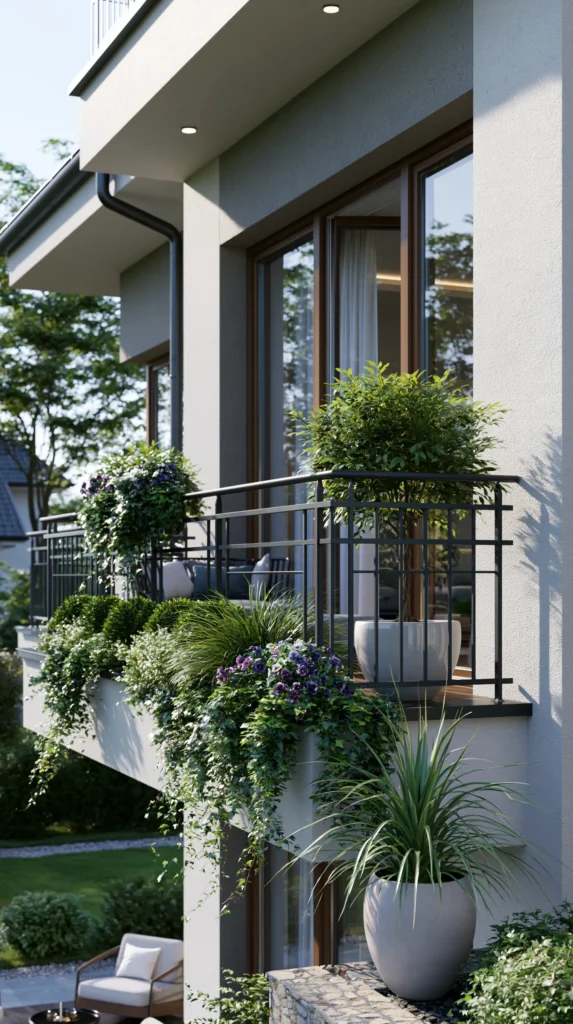
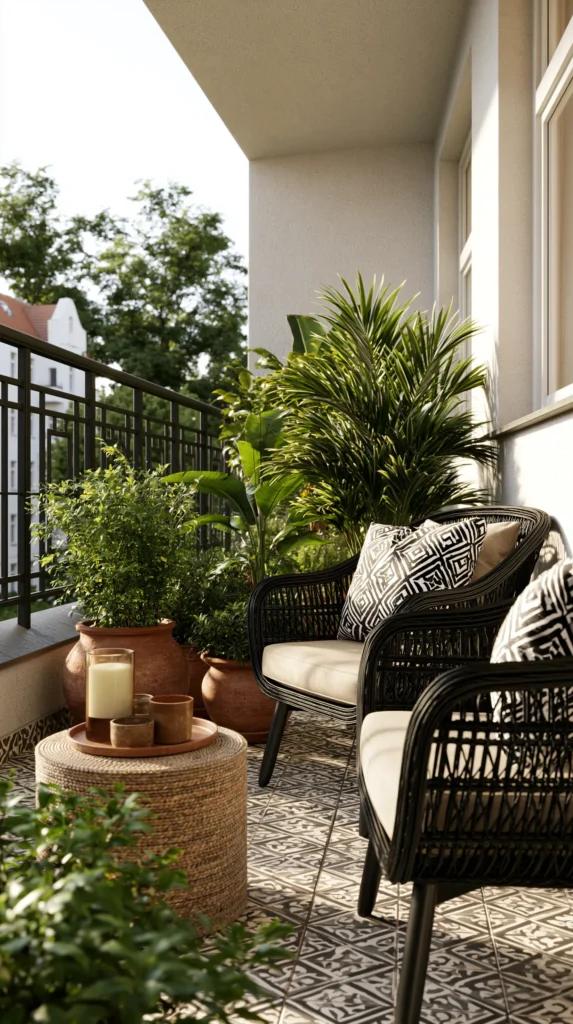
Here’s a fun truth: your floor space barely matters. The walls, the railing, and the air above your head hold most of your growing potential. Once I started thinking in layers, my small balcony garden basically doubled without gaining an inch.
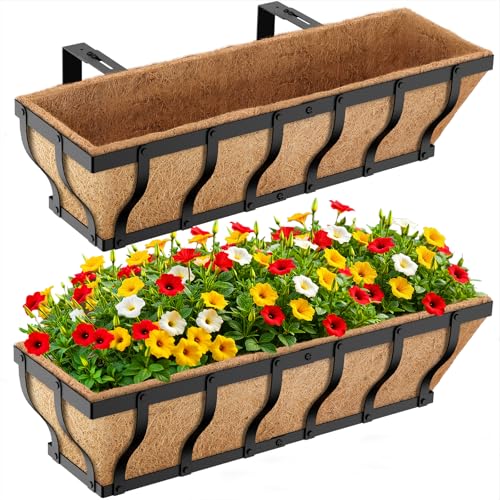
Go vertical first, always. A cheap fabric shoe organizer hangs on a wall and holds a dozen herb plants for pennies. Rail planters clip onto the balcony edge and use zero floor space. Even a thrifted bookshelf works as plant stadium seating, with tall plants up top and shade lovers below.
Corners deserve more credit too. One tall plant in a corner, like a staked tomato, draws the eye upward. That vertical line makes the whole space seem bigger, which is a decorator trick that costs nothing. Designers charge money for this insight, and I just gave it away.
Keep a path clear, though. You still need to stand out there, water things, and enjoy your tiny kingdom. A space crammed edge to edge stops being a garden and starts being a storage unit with leaves. Two chairs’ worth of open floor is my personal rule, and I guard it.
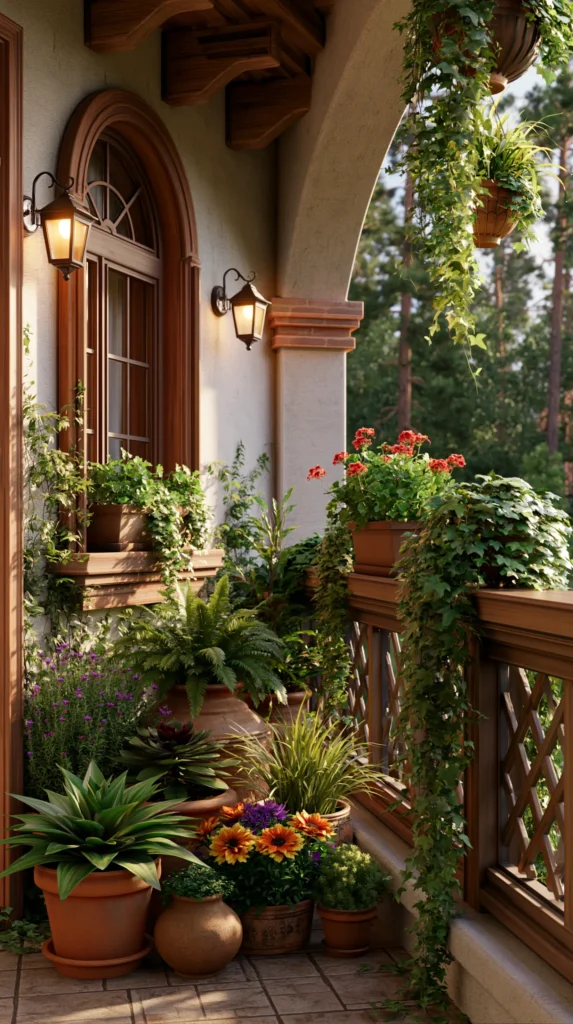
Group pots in odd numbers, threes and fives, because pairs read as stiff. Cluster them at different heights using overturned buckets or thrifted stools as risers. The staggered look reads lush and intentional, even with six total plants.
The assumption to toss: more plants equal a better garden. A few thriving pots beat twenty struggling ones every time. Crowding blocks air, invites pests, and splits your attention. Restraint, weirdly, is what makes a small space look abundant. Less really can read as more out there.
Keeping It Alive When Life Gets Loud
Let’s be real about the hard part. Starting a garden is fun. Keeping it going through busy weeks, school schedules, and sick days is the true challenge. I’ve killed plants during chaotic months, and I bet you will too.
So build a system that survives your worst week, not your best one. Mine rests on three habits, and none takes more than a few minutes:
- Morning finger test while the coffee brews (thirty seconds, tops)
- A Sunday walkthrough to pinch dead leaves and check for pests
- One phone reminder labeled “plants!” because memory is a liar
That’s the whole maintenance plan. No spreadsheets, no apps, no guilt.
Pests will show up eventually, and cheap fixes handle most of them. A spray bottle with water and a drop of dish soap knocks out aphids. One good spray in the evening usually does it. Repeat in a few days if the little freeloaders return.
Yellow sticky traps from the dollar store catch gnats. Squishing bugs with a paper towel remains free and oddly satisfying.
Now the mindset piece, because this matters more than any product. Dead plants are tuition, not failure. Every gardener kills things, including the smug ones on YouTube with perfect setups. My first summer took out two tomato plants and a whole pot of cilantro. Those little funerals taught me more than any success ever did.
Here’s the flip: quitting after a dead plant is like quitting cooking after one burnt dinner. Nobody does that. You adjust the heat and try again. Gardens forgive fast, seeds cost pennies, and next season always shows up. The gardeners with gorgeous balconies are simply the ones who kept replanting.
FAQs About Starting a Balcony Garden
How much does it cost to start a balcony garden?
You can start for under twenty dollars. Reuse containers from home, buy one bag of quality soil, and grab a few seed packets. Skip the matching pots and fancy tools, since neither grows better plants. Add more only after your first plants succeed.
What vegetables grow best in containers?
Cherry tomatoes, lettuce, spinach, peppers, and green onions lead the pack. Herbs like basil, mint, and rosemary practically grow themselves. Choose compact or “patio” varieties when you see them, because breeders designed those for small pots.
How often should I water my container plants?
Check the soil every morning with your finger. Water when the top inch is dry, and skip it when the soil is damp. Hot weather may demand daily watering, while mild weeks might need only two or three sessions. The soil tells you, so schedules can’t.
Do I need permission to garden on my balcony?
Sometimes, yes. Some landlords and HOAs limit railing planters or hanging items for safety reasons. A quick email protects you from removing everything later. Most rules target the railing itself, so floor pots usually stay safe.
Can I garden on a shady balcony?
Absolutely. Lettuce, spinach, kale, mint, parsley, and cilantro all handle lower light. Shade even improves leafy greens by keeping them tender and sweet. Match plants to your light instead of fighting it, and you’ll be fine.
The Ledge That Started It All
I keep thinking about that first sad month with the wobbly chair. That version of me had no idea what a few cheap pots could become. Now they anchor a daily ritual I protect fiercely. My kids fight over who picks the cherry tomatoes, and I referee with coffee in hand.
The balcony garden gave me more than herbs, though the herbs alone justify it. It handed me ten quiet minutes every morning before the noise starts. Growing things, I’ve learned, rewards attention instead of money. And a small space can hold a genuinely big amount of joy.
You don’t need to wait for a house with a yard. That mythical someday keeps too many women from starting. Your railing, your light, and your twenty dollars are enough right now. Start with one pot of basil and let the obsession build naturally, because it will. Basil is basically a gateway plant.
I’ve been saving layout ideas and container hacks on Pinterest, and my boards are slightly out of control. Come find them if you want a rabbit hole worth falling into. Fair warning, though. You’ll end up eyeing every yogurt tub in your fridge like it owes you flowers.
There are worse fates, if you ask me. Welcome to the club. We meet on the balcony.