I have a confession to make. My house is slowly turning into my grandmother’s house, and I couldn’t be happier about it. Vintage home decor grabbed me by the collar a few years ago and never let go. Now I twitch a little every time I drive past a thrift store.
Here’s what gets me, though. Everyone wants that warm, layered, “collected over decades” look. Then they go buy it brand new at a big box store for triple the price. The store literally sells fake patina. We’re out here paying extra for pretend age when real age costs five dollars at Goodwill. Someone should study this, because the irony is spectacular.
I live in Orlando, where retirement communities feed the estate sales that feed my living room. It’s the circle of life, and it’s beautiful. Half my living room came from someone’s very stylish grandmother. My best finds came from Saturday mornings with bad coffee and a folded twenty in my pocket.
But here’s the part most people miss. Scoring great vintage pieces on a budget isn’t about luck. It’s about knowing where to look, what to grab, and what to leave behind. There’s one rule I follow that has saved me hundreds of dollars and three decorating regrets. I’ll get to that, I promise.
First, let’s talk about why old stuff wins in the first place. Because once you see the math, you’ll never look at a new throw pillow the same way again.
Some of the links on this page are affiliate links, which means I may earn a small commission if you purchase through them. It never costs you extra. You can always peek at my full disclosure if you’d like the details.
Why Vintage Home Decor Beats Buying New
Let’s do some quick math together. A new “antique-style” mirror at a home goods store runs about eighty dollars. A real vintage mirror at an estate sale runs about twelve. Same look, same wall, sixty-eight dollars still in your pocket. That difference buys groceries for half a week, and I know which one I’m choosing.
Quality is the other piece people forget. Furniture from the 1960s and earlier was usually solid wood, not particleboard and hope. Older dressers survive moves, kids, and decades of drawer slamming. Meanwhile, my one flat-pack bookshelf lasted exactly two apartments before it wobbled into retirement.
Then there’s the character argument, which I’ll admit is my favorite. Vintage home decor comes with texture you can’t manufacture. A little wear on a wooden bowl tells a story. Machine-made distressing tells a marketing meeting. You can spot the difference from across the room, even if you can’t explain why.
Here’s the reframe that changed everything for me. New decor loses value the second you carry it out of the store. Vintage decor usually holds its value or even climbs. That brass lamp you bought for eight dollars? Someone will pay you twenty for it in five years if you get tired of it. Suddenly your decorating budget stops being an expense and becomes a rotating fund.
I tend to notice that vintage shoppers also decorate slower, and slower turns out better. You buy one great thing at a time instead of a whole matching set in one weekend. The room grows instead of arriving fully formed. That’s the entire secret behind homes that look expensive without being expensive, and nobody gatekeeps it on purpose.
My Thrift Store Strategy That Saves Real Money
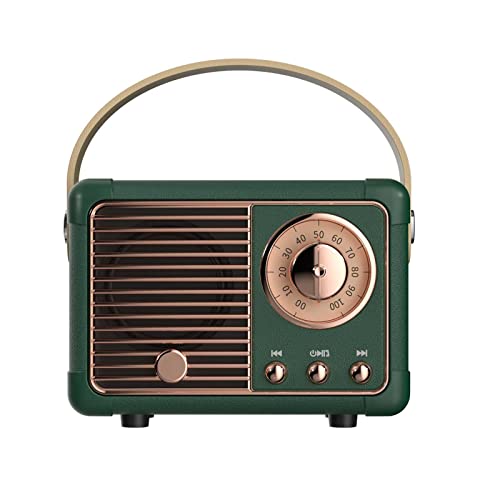
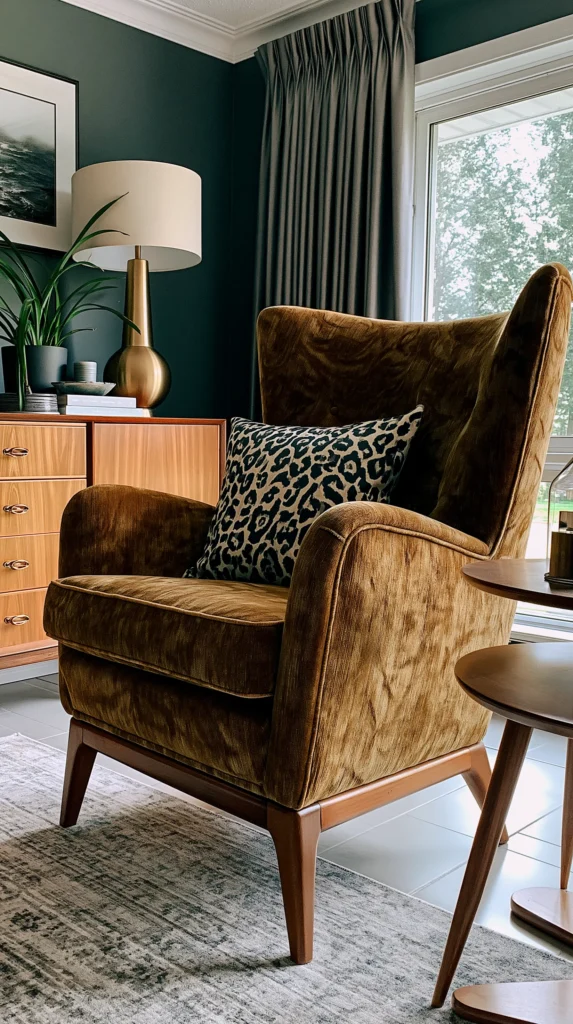
Thrifting without a plan is how you end up with seven mugs and no lamp. I learned that the hard way, and my mug cabinet can testify. These days I walk in with a loose game plan. That plan is how I fill my home with vintage decor for pocket change.
Here’s the routine that works for me:
- Go on weekday mornings. Fresh stock hits the floor early, before weekend crowds pick it over.
- Hit housewares first. Brass, ceramics, and glass move fast, so grab now and decide later.
- Carry a small tape measure. Guessing sizes is how “perfect” shelves end up living in the garage.
- Bring cash with a hard limit. I carry twenty dollars, and when it’s gone, I’m done.
- Learn the tag color system. Most thrift chains discount one tag color each week, often half off.
That cash rule is the one I teased in the intro, by the way. It sounds too simple to matter, but it rewired my whole shopping brain. When money is finite, you skip the “maybes” and only buy the “absolutely” pieces. My regret purchases dropped to almost zero the month I made my wallet the boss.
One more tip, because this one surprises people. The best thrift stores usually aren’t in trendy neighborhoods. Resellers sweep those racks before you’ve finished breakfast. Quieter stores near older suburbs hold the good stuff longer, and prices run lower too. So drive the extra fifteen minutes and watch your luck improve.
And if you strike out? Leave anyway. A forced purchase never becomes a favorite piece. The thrill lives in the hunt, and the empty-handed days keep the wins sweet.
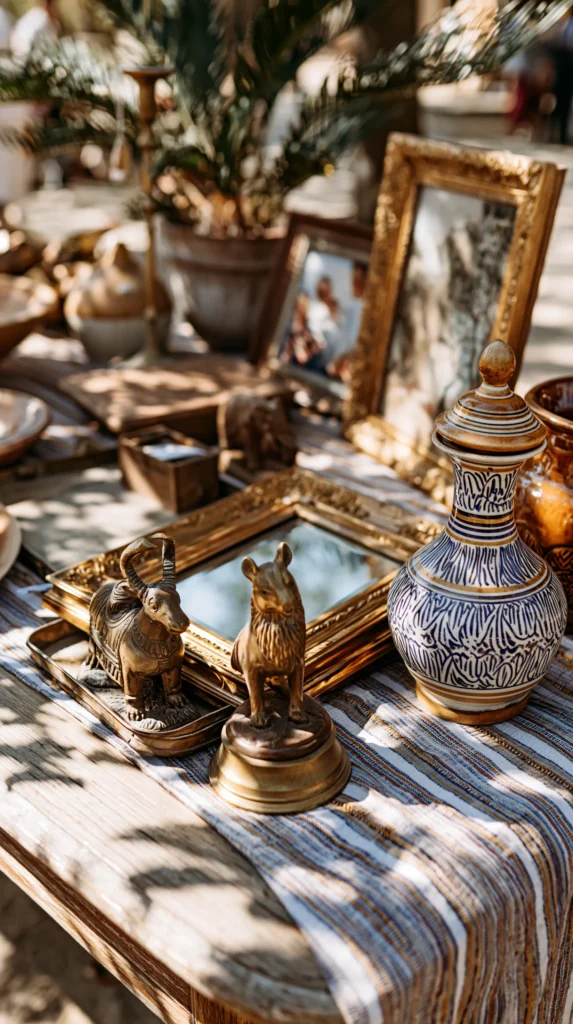
Where to Hunt for Vintage Home Decor Deals
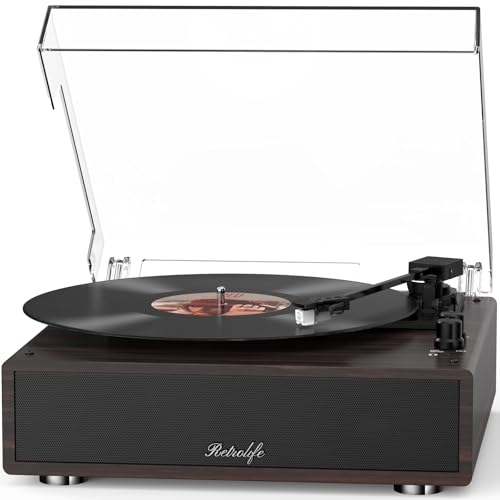
Thrift stores are just the warm-up act. Once you know all the hunting grounds, deals start finding you. Some of my favorite pieces cost nothing at all, and I mean zero dollars.
Let me walk you through the lineup:
- Estate sales. Whole houses of vintage goods, priced to leave. Go on the last day, when everything drops to half off.
- Garage sales. Older neighborhoods beat new subdivisions every single time. Those sellers just want it gone.
- Facebook Marketplace. Search “old,” “grandma,” or “brass” instead of “vintage.” Sellers who skip the buzzword price lower.
- Flea markets. Bring cash, go early or late, and never accept the first price.
- Buy Nothing groups. Free vintage decor for your home shows up here weekly during moves and cleanouts.
- The curb. Bulk trash week is a legitimate strategy. I said what I said.
The Marketplace trick deserves a second look. A “vintage brass lamp” might list at forty dollars. The same lamp listed as “old gold lamp” sits at eight. Keywords cost money, so search like somebody’s grandpa wrote the listing. I’ve saved more with spelling tricks than with haggling.
Estate sales scare some people, and I get it. Walking through a stranger’s home can seem strange at first. But these sales rescue beautiful things from the dumpster, and families appreciate buyers who care. Think of it as adoption, not shopping.
Timing beats everything else in this game, though. Show up early for the best selection or late for the best prices. You can’t have both, so pick your fighter and commit. Either way, keep your expectations loose and your trunk empty. The deals multiply once you stop relying on one source.

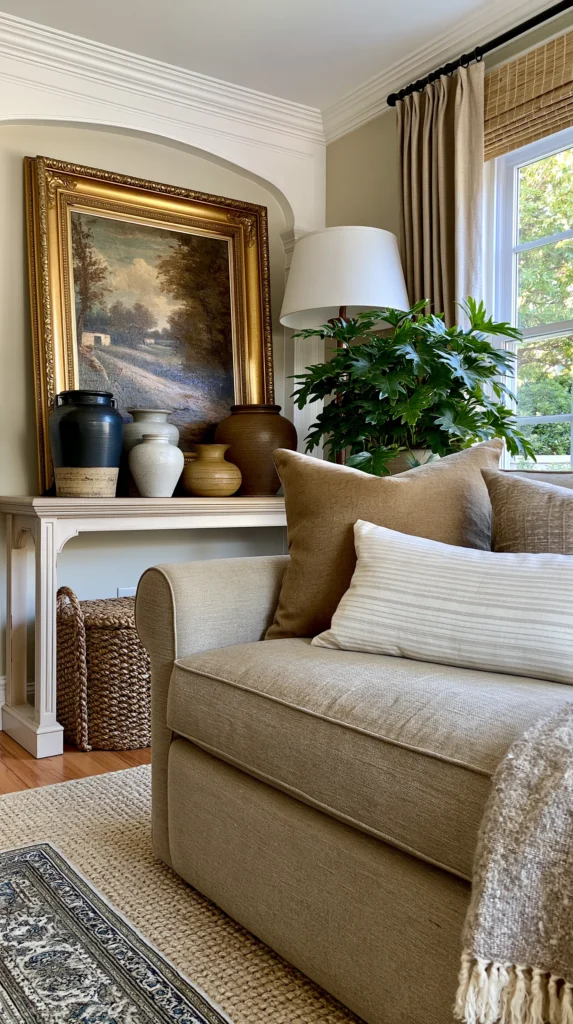
The Pieces Worth Grabbing Every Single Time
Some items are automatic yeses at thrift prices, no deliberation required. Brass sits at the top of my list. Candlesticks, animal figurines, bowls, trays — if they’re under ten dollars, they’re coming home. Real brass never goes out of style, and a magnet won’t stick to it. That little magnet test has saved me from plenty of brass-plated fakes.
Solid wood furniture comes next, even when it’s ugly. An oak dresser with dated hardware costs thirty dollars and cleans up beautifully. New knobs run fifteen dollars and take ten minutes to swap. Compare that to six hundred for something similar at a furniture store, and the choice makes itself.
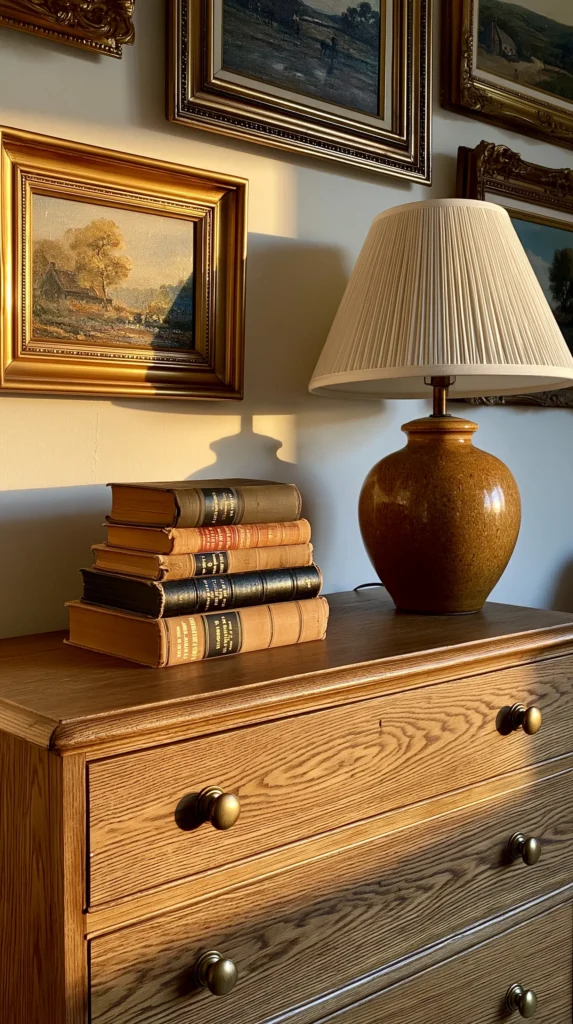
Original art in decent frames is my sneaky favorite category. Even mediocre paintings add more soul than mass-printed canvas art. Frames alone often justify the price, since custom framing costs a small fortune. I’ve bought five-dollar paintings just to steal the frame, zero shame. Landscapes and floral still lifes are the safest bets if you resell later.
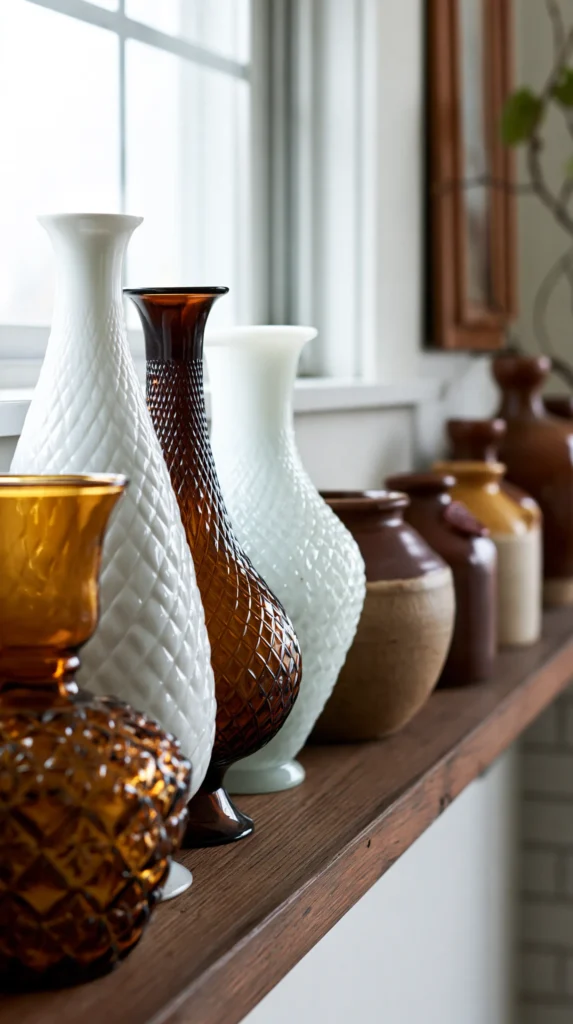
Glassware and ceramics deserve a spot on this list too. Heavy amber glass, milk glass, stoneware crocks, and hand-thrown pottery all read expensive on a shelf. Most pieces sell for a dollar or two. Stack a few together and suddenly your bookcase looks curated instead of decorated. Vary the heights and the whole shelf gets better.
Here’s my rule for everything else, and it’s served me well. If a piece is solid, under ten dollars, and makes you look twice, take it home. Vintage home decor rewards quick decisions because the good pieces vanish by noon. Hesitate today and you’ll think about that lamp for three years. Ask me how I know.

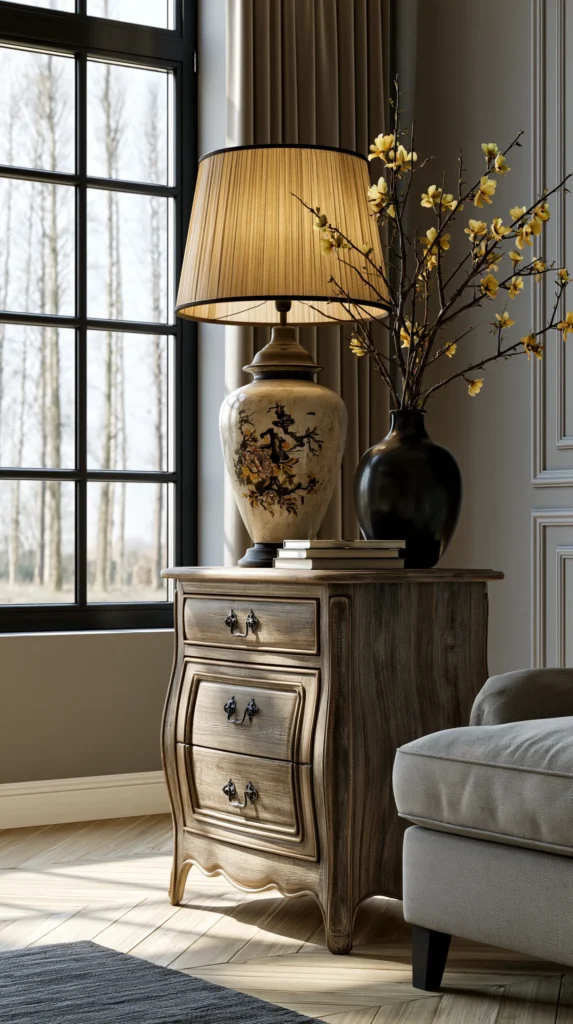
How to Mix Vintage Home Decor With Modern Pieces
A common fear stops people before they even start. They worry vintage pieces will make their house look like a museum or, worse, cluttered. The fix is easier than anyone expects, and it comes down to ratios.
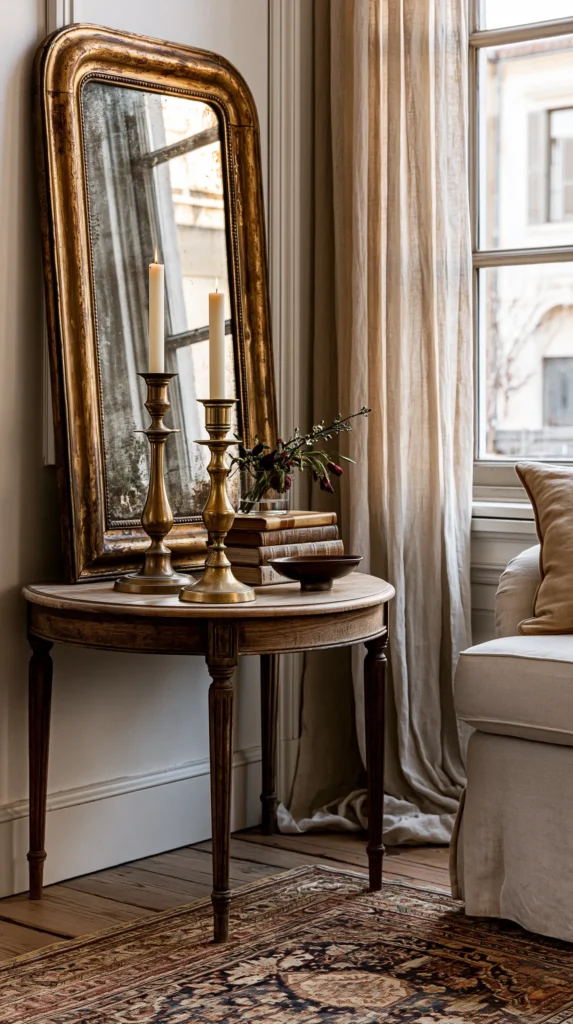
My sweet spot is roughly seventy percent current, thirty percent old. A modern sofa grounds the room, then a vintage side table adds the interest. Clean walls let an ornate gold mirror shine instead of shout. Contrast is the entire trick, and contrast costs nothing. Your existing furniture is already half of the formula.
Repetition helps too, and this took me years to figure out. One brass candlestick looks like an accident. Five brass pieces scattered through a room look like a point of view. Group your vintage finds by color or material, and the whole space suddenly reads intentional. Suddenly it looks planned rather than inherited by accident.
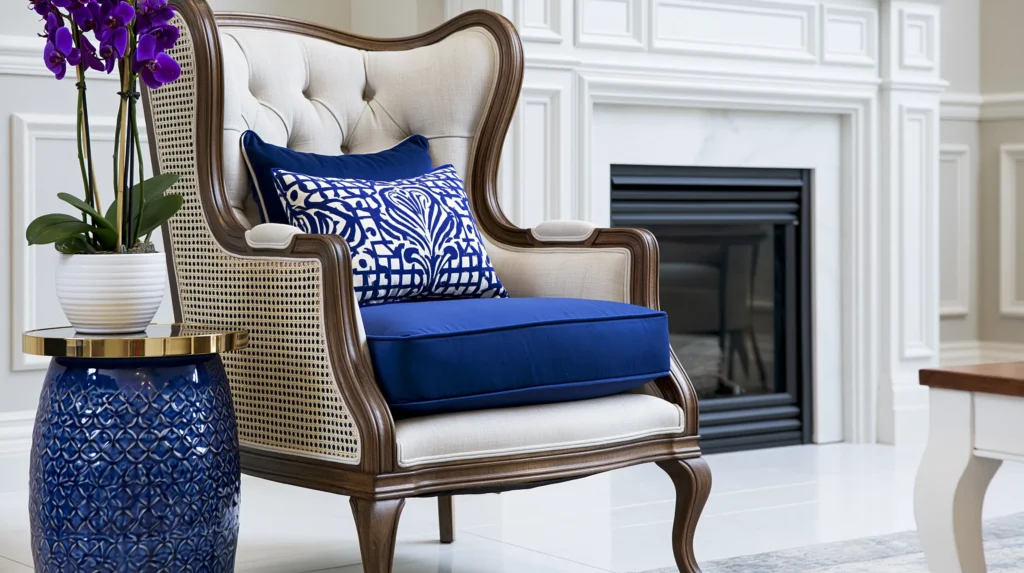
Now for the assumption I want to flatten. People think vintage home decor requires a farmhouse, cottage, or grandma aesthetic. Not even close. A 1970s chrome lamp looks stunning in a minimalist room. Mid-century pottery pairs beautifully with sleek modern furniture. Old and new are dance partners, not rivals.
Scale matters more than style, if we’re keeping it real. One large vintage piece beats ten small ones every time. A big landscape painting or a substantial dresser anchors a room instantly. Tiny trinkets scattered everywhere just read as clutter, no matter how charming each one is.
So start with one statement piece per room and build slowly from there. Your eye will tell you when a room is done. Mine usually says “one more candlestick,” but we’ve agreed to disagree. Trust yours more than mine.

Cheap DIY Tricks for an Expensive Vintage Look
Sometimes the thrift gods don’t deliver, and that’s fine. You can fake collected vintage home decor with a little effort and almost no money. These are the tricks I lean on when a room needs age in a hurry.
- Swap hardware on plain furniture. Aged brass knobs cost a few dollars and add instant history.
- Frame old paper. Botanical prints from damaged books, vintage sheet music, or old maps cost pennies. Thrifted frames finish the job.
- Wax new wood. Dark furniture wax rubbed into raw pine adds decades in twenty minutes.
- Sew pillow covers from old textiles. Thrifted tablecloths and grain-sack fabric make pillows that look inherited.
- Age terracotta pots. Rub them with plain yogurt and leave them outside. A mossy patina grows within weeks.
The yogurt thing sounds unhinged, and I accept that. It works anyway, and your porch will look like it belongs in the English countryside. Buttermilk works too, if your fridge happens to lean in that direction.
Books deserve their own mention here. Old hardcovers with worn spines cost fifty cents at library sales. Stack them under lamps, line them along mantels, and lean small art against them. Nothing warms up a shelf faster, and nobody needs to know you haven’t read them. Green and burgundy spines look the most classic on a shelf.
One warning before you DIY everything in sight, though. Never paint or “improve” a genuinely old piece before checking what it is. That dresser you’re about to chalk-paint might be worth three hundred dollars untouched. A quick photo search takes two minutes and can save you from a very expensive craft project. Slow down first, spray paint second.
Vintage Home Decor Mistakes That Waste Your Money
Let’s talk about the flops, because I’ve made most of them. Budget decorating only works when you skip the expensive lessons. Consider this your cheat sheet, written by someone with a garage full of receipts.
Mistake one: buying anything with an odor. Musty smells hide deep in upholstery and rarely leave, no matter what the internet promises. Wood and metal clean up fine, but fabric holds grudges. When in doubt, sniff before you buy, and don’t be shy about it.
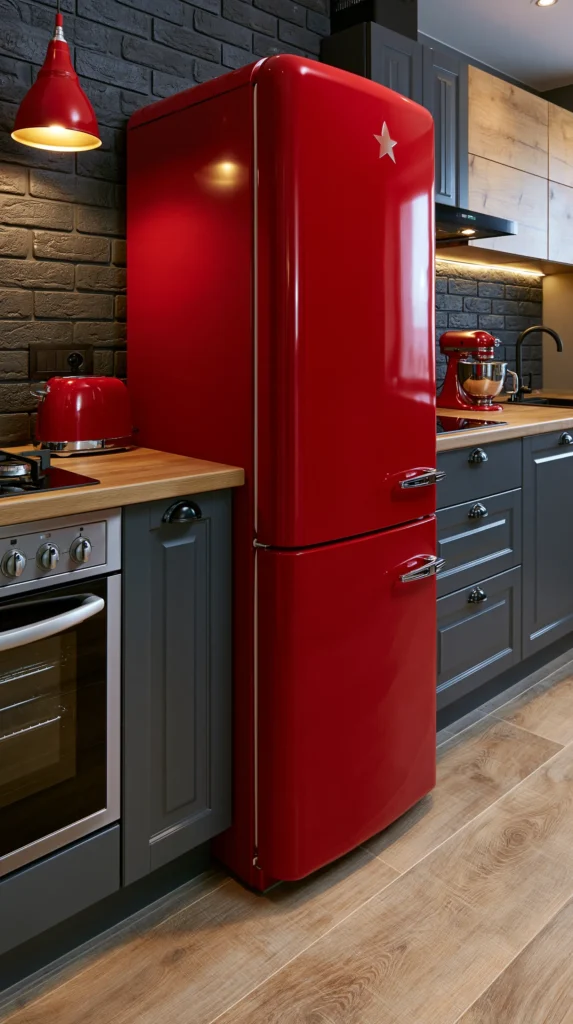
Mistake two: falling for “vintage style” at regular stores. That label means new, marked up, and mass-produced. Real vintage home decor costs less than the imitation, which still makes me laugh. Check the thrift store before you buy the tribute act.
Mistake three: buying broken things you plan to fix someday. We both know that chair will sit in the garage until your next garage sale. Buy pieces that work today unless repairs are genuinely your hobby.
Mistake four: ignoring size. A gorgeous armoire that doesn’t fit is just an expensive argument with your hallway. Measure your spaces before you shop, and keep the numbers saved in your phone.
Here’s the bigger mindset shift, though. The real mistake is buying things because they’re cheap instead of because you love them. A five-dollar item you never use costs five dollars too much. Cheap clutter is still clutter, and clutter is the enemy of every pretty room. Curation costs nothing but a little restraint.
So slow down at the checkout pile. Pick each piece up and ask whether you’d still want it at triple the price. If yes, it comes home. If you hesitate, back on the shelf it goes.
Your Vintage Decor Questions, Answered
These questions land in my inbox and group chats constantly. So let’s clear them up in one place, rapid-fire style.
Is thrifted decor clean and safe to use? Yes, with basic sense. Wash glassware and ceramics in hot, soapy water. Wipe wood down with a vinegar mix, and skip upholstered pieces if smells worry you.
What’s the difference between vintage and antique? Antique means one hundred years or older. Vintage generally means twenty to ninety-nine years old. Thrift stores rarely label either one correctly, which works in your favor.
How do I know if something is valuable? Check the bottom for maker’s marks, then run a quick photo search on your phone. Two minutes of looking has paid for entire carloads of my finds.
Can renters do this too? Absolutely, and maybe best of all. Lamps, mirrors, art, and textiles all move with you. No landlord approval required for a brass candlestick.
Where do I start if I’m overwhelmed? Pick one category and collect only that for a month. Brass, blue-and-white ceramics, or wooden bowls all work well. A small focused collection beats scattered random purchases.
Is this cheaper than decorating with new stuff? Dramatically, in my experience. Filling a home with vintage decor cost me a fraction of the catalog route. My living room gallery wall came in under forty dollars total. New versions of that same wall priced out near three hundred.
One last thing on the value question, because it matters. You’re not hunting hidden treasure to flip. You’re hunting things you love at prices that make you grin. The occasional valuable find is just the cherry on top.
Go Forth and Haggle
My house didn’t come together in a weekend, and that turned out to be the point. Every shelf holds a small victory now. The eight-dollar mirror, the free brass lamp, the estate sale painting that everyone asks about. Each piece has a story, and half of those stories start with “you won’t believe what this cost.”
Here in Orlando, I’ve turned Saturday sale-hopping into a personal sport. The heat is brutal, the coffee is questionable, and I wouldn’t trade it for anything. My car practically knows the way to my favorite estate sale neighborhoods by now.
Vintage home decor gave me something the big stores never could. My rooms look like me instead of a catalog page. Nobody else has my exact lamp, my exact painting, or my weird little brass duck. That kind of originality usually costs a fortune, but mine cost pocket change.
Start small if you’re new to this. Save a few inspiration boards on Pinterest, pick one category to hunt, and set your cash limit. Then hit one estate sale this weekend and see what happens. Fair warning: the first great find rewires your brain permanently.
The stores will keep selling fake old at real prices. Let them. You and I will be out here buying the genuine article for the cost of a fancy latte. Grandma’s house was the blueprint all along — we’re just smart enough to copy it.