A tomato trellis sounds like one of those garden things that should be simple, right? Then suddenly, stakes, cages, string, clips, and spacing rules enter the chat. One dramatic tomato plant refuses to behave. Gardening has a sneaky way of turning “I’ll just grow a few tomatoes” into a yard architecture question.
I’ve found that budget garden projects work best when they solve a real mess. Not a cute mess. A real one. Tomatoes can sprawl like they’re auditioning for a backyard takeover, and that gets old fast. Leaves hit the dirt, fruit hides under vines, and watering turns into a tiny obstacle course.
Living in Orlando, I notice how fast plants can grow when heat and rain start showing off. One week, everything looks sweet and manageable. The next week, the tomato bed has opinions. Big ones.
That’s why I like a setup that looks smart without costing a small fortune. I don’t need a designer garden moment. What I need is sturdy support, decent spacing, simple supplies, and tomatoes that don’t collapse. Also, I’d like to avoid buying something expensive that bends by July. Tiny request.
I also like garden fixes that don’t require a weekend meltdown. The best ones make sense before coffee.
So, if your tomato plants are already plotting, this gets good. Maybe you’re planning ahead like a person with excellent survival instincts. Because the best setup isn’t always the fanciest one.
Some of the links on this page are affiliate links, which means I may earn a small commission if you purchase through them. It never costs you extra. You can always peek at my full disclosure if you’d like the details.
Why A Tomato Trellis Makes Cheap Gardening Look Fancy
A tomato trellis does something very rude to garden clutter. It makes everything look planned. Even a simple bed starts looking cleaner when tomatoes climb instead of flop. That little visual upgrade matters, especially when the budget says, let’s not get wild.
I tend to notice that tomatoes get messy faster than people expect. They start cute, then suddenly they stretch sideways like they own property. However, the right support turns that chaos upward. That shift saves space, improves airflow, and makes picking fruit much less annoying.
Here’s the sneaky part. A tomato trellis can cost less than several flimsy cages. It can also last longer if you choose sturdy materials. So, instead of buying a new cage every season, you can build once and adjust later.
Cheap does not have to mean wobbly. That’s the whole plot twist.
Many gardeners assume tomatoes need traditional round cages. I get why. They’re everywhere. Still, cages can tip, bend, and crowd big plants. A trellis gives you more control, especially with tall or vining tomatoes.
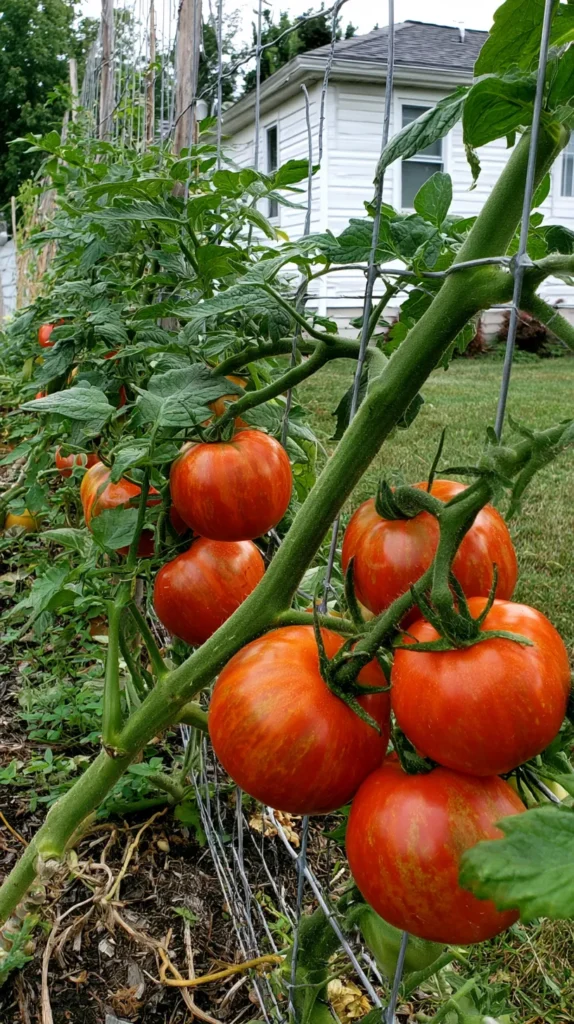
It also helps keep leaves off damp soil. That matters because wet leaves and splashing dirt can cause problems. Plus, fruit stays easier to spot. No more hunting under a green jungle like you’re searching for lost car keys.
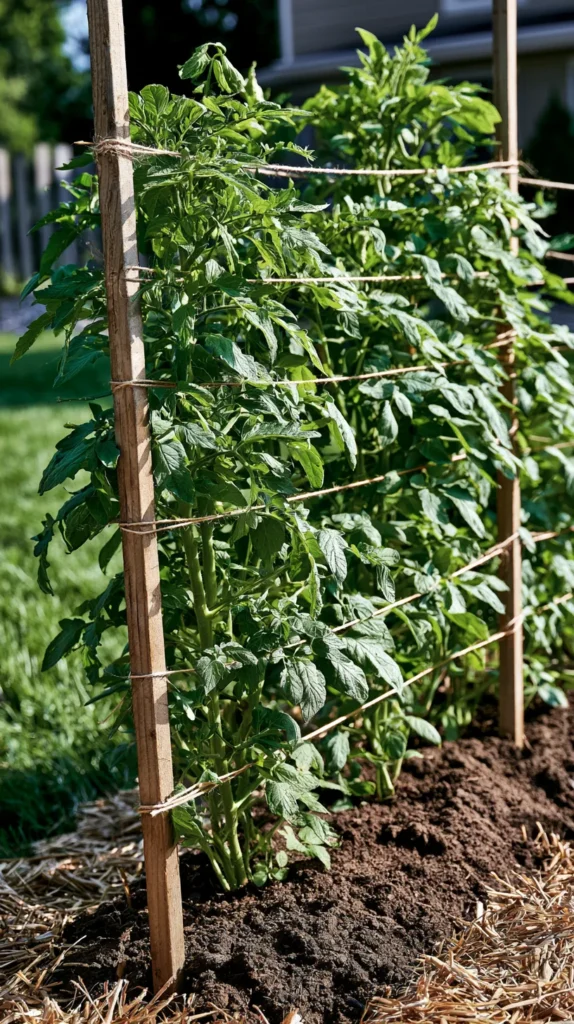
A basic tomato trellis works well in raised beds, rows, containers, and small yards. It can look tidy, rustic, or almost fancy, depending on what you use. Budget-friendly does not mean boring. Sometimes, it just means you’re clever with lumber, twine, and a little backyard attitude. Better yet, the money you save can go toward compost, mulch, or more plants later too.

What You Need For A Tomato Trellis Setup
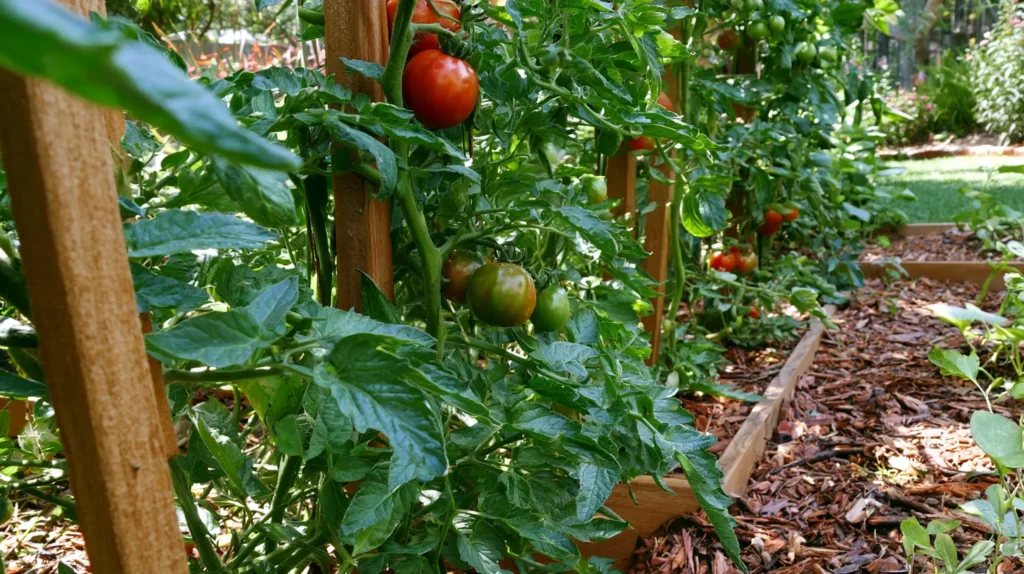
The nice thing about a tomato trellis is that you don’t need a royal garden budget. You need strong vertical support, something for the vines to grab, and a way to tie plants gently. That’s it. The rest is mostly garden drama wearing overalls.
I’d start with the materials that match your yard and budget. However, strength matters more than cuteness here. Tomato plants get heavy, especially after rain. Those vines may look innocent in spring, but summer fruit has zero chill.
Good budget-friendly supplies include:
- T-posts, wooden stakes, bamboo poles, or metal conduit
- Jute twine, garden string, soft plant ties, or tomato clips
- A rubber mallet or post driver for firm placement
- Pruners for trimming lower leaves and extra growth
- Measuring tape for spacing before planting
- Compost or mulch to support healthy roots
A tomato trellis also needs a sturdy anchor point. If the posts wobble, the whole setup gets bossy later. So, push or pound supports deep enough to handle wind, rain, and heavy vines. For most yards, deeper is better than “eh, good enough.”
Now, let’s talk money. You can buy a ready-made trellis, and that’s fine. Still, DIY usually wins for larger tomato beds. A few posts and twine can support several plants for less cash.
Another smart move is using what you already own. Old fence panels, cattle panels, scrap lumber, and sturdy branches can work. Just skip anything treated with unsafe chemicals near food plants. Also, avoid rusty pieces with sharp edges near busy paths.
The reframe here is simple. This is not garden decor. You’re building a budget support system that earns its keep. If it stands firm, saves space, and helps you harvest, it’s doing the job.

Yes, You Can DIY This Without Losing Your Mind
DIY garden projects can go sideways fast. One minute you’re saving money. Then you’re holding a drill, sweating, and questioning every life choice. Thankfully, a tomato trellis can stay very simple if you don’t overcomplicate it.
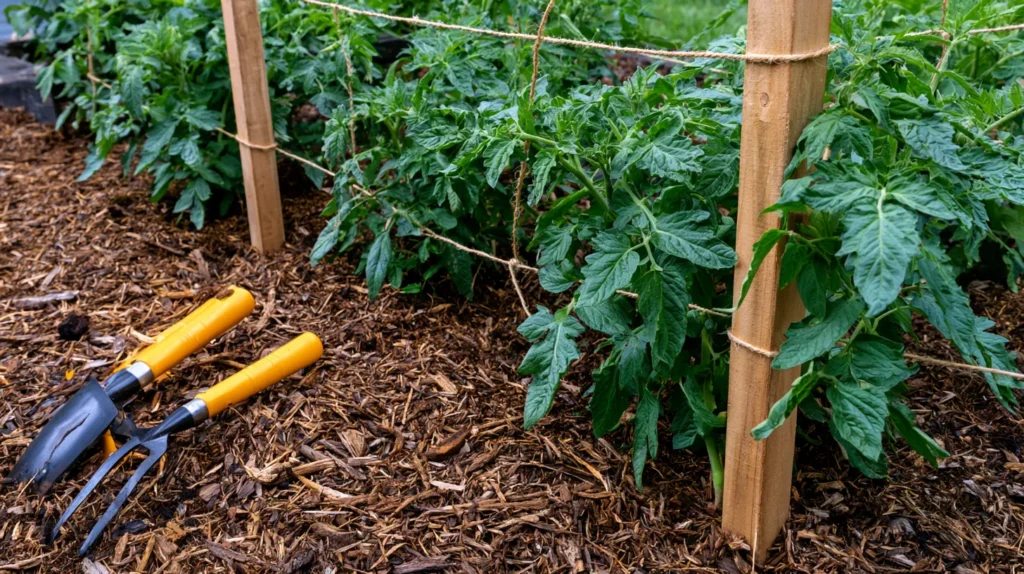
The easiest version uses two strong posts and garden twine. Put one post at each end of the row. Then run string between them as plants grow. You can add more string every eight to twelve inches. It’s not glamorous, but neither is a tomato plant face-down in mulch.
For a stronger setup, I like the idea of a cattle panel between posts. It costs more upfront, but it holds up well. Also, it gives plants lots of open squares for tying vines. That makes pruning and picking easier later.
Another budget option uses bamboo poles shaped like a teepee. This works best for smaller spaces or containers. However, heavy indeterminate tomatoes may need something sturdier. Cute only gets you so far.
A DIY tomato trellis should do three things well:
- Stand firmly without leaning
- Let air move through the plant
- Give you easy access for pruning and picking
- Hold fruit weight without snapping
- Fit your space without blocking paths
That last point matters more than people think. A huge setup can become a yard bully. Suddenly, you can’t walk, weed, or water without ducking like a cartoon burglar.
So, yes, DIY works. In fact, DIY often works better because you can size it to your space. The trick is avoiding tiny supports for giant plants. Tomato plants are not polite about outgrowing things. Measure first, build sturdy, and keep the design boring enough to survive summer outside.

Tomato Trellis Height And Yard Spacing That Works
A tomato trellis should match the tomato type, not your wishful thinking. That sounds dramatic, but tomatoes love proving people wrong. Some stay compact. Others climb like they heard there’s gossip upstairs.
Determinate tomatoes usually grow shorter. Many stay around three to five feet tall. They fruit over a shorter window, then slow down. So, a shorter support can work well for them. A sturdy cage, stake, or low trellis may be enough.
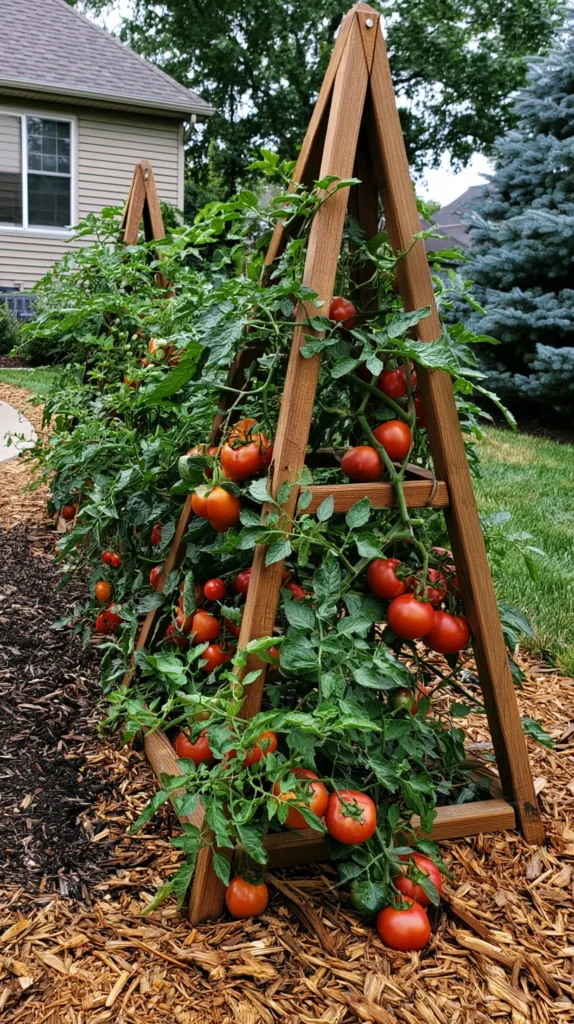
Indeterminate tomatoes keep growing through the season. These are the tall, vining types that need serious support. For them, I’d plan for at least six feet. In warm areas with long seasons, taller support can help even more.
Spacing matters too. Crowding tomatoes looks efficient at first. Then airflow drops, leaves stay damp, and pruning becomes a personal grudge. That is not the budget garden win we wanted.
For many trellised tomatoes, I’d allow about eighteen to twenty-four inches between plants. If you want easier pruning and stronger airflow, lean closer to twenty-four inches. Rows usually need at least three feet between them. More space helps if you need to walk, harvest, or drag a hose without becoming tangled.
Containers need their own little reality check. A tomato trellis in a pot must balance plant height with pot weight. Tall plants need large containers, steady watering, and firm support. Otherwise, one windy afternoon can turn your tomato plan into yard confetti.
The surprising opinion? More space can save money. Healthier plants waste less fruit, need fewer fixes, and cause less stress. Sometimes thrift looks like restraint, which seems very annoying but works. Your garden may look emptier at planting, but wait until July.

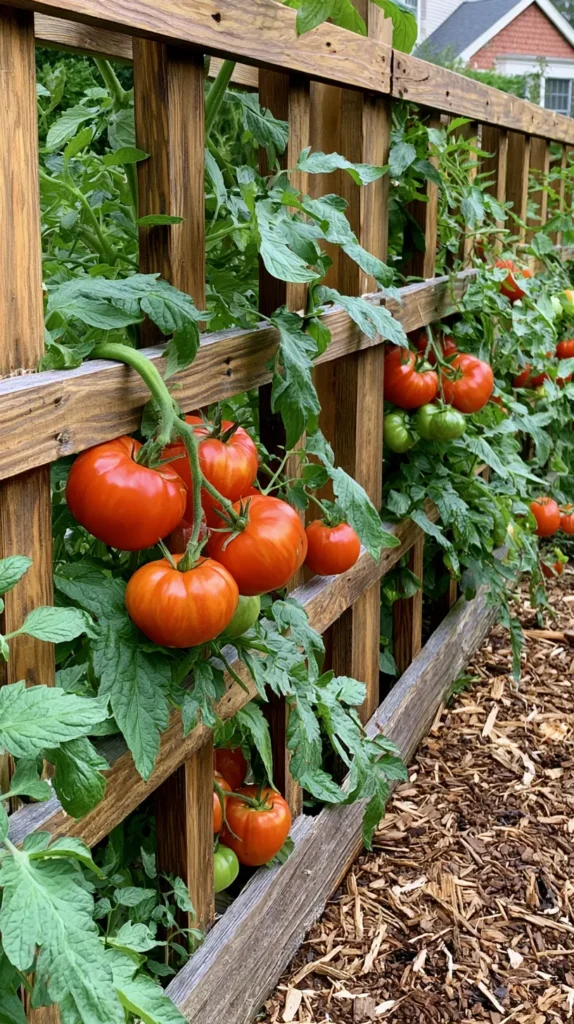
How To Set It Up Without Overthinking Every Inch
Setting up a tomato trellis should not require a clipboard and a nervous snack. A little planning helps, but perfection is not invited. Tomatoes need support, sunlight, room, and decent soil. They don’t need you spiraling over quarter inches.
Start before the plants get huge. That’s the part people skip. However, adding support early protects roots and saves your patience. Once vines grow wild, installing anything gets awkward fast. Leaves snap, stems bend, and suddenly you’re apologizing to a vegetable plant.
A simple setup can look like this:
- Pick a sunny spot with six or more hours of light.
- Place posts before or right after planting.
- Space plants about eighteen to twenty-four inches apart.
- Add mulch after watering the soil well.
- Tie the main stem loosely as it grows.
- Add ties every eight to twelve inches.
- Prune lower leaves that touch soil.
- Check ties weekly, since stems thicken fast.
Soft ties matter. Don’t use wire or tight string around stems. Tomato stems need room to grow. If a tie digs in, it can damage the plant. That’s a cheap mistake, but still a cranky one.
I’ve found that tying plants after watering works well. The stems seem less brittle, and the job seems calmer. Also, it’s easier to spot what needs support when leaves perk up.
Here’s the little reset. You are not forcing a plant into perfect posture. You’re guiding it. That makes the whole process less fussy.
As the plant grows, keep the tomato trellis clear enough for airflow. Remove crowded lower growth when needed. Then let the sturdy main stems climb with support. Simple beats complicated here, and your future self will be smugly grateful.

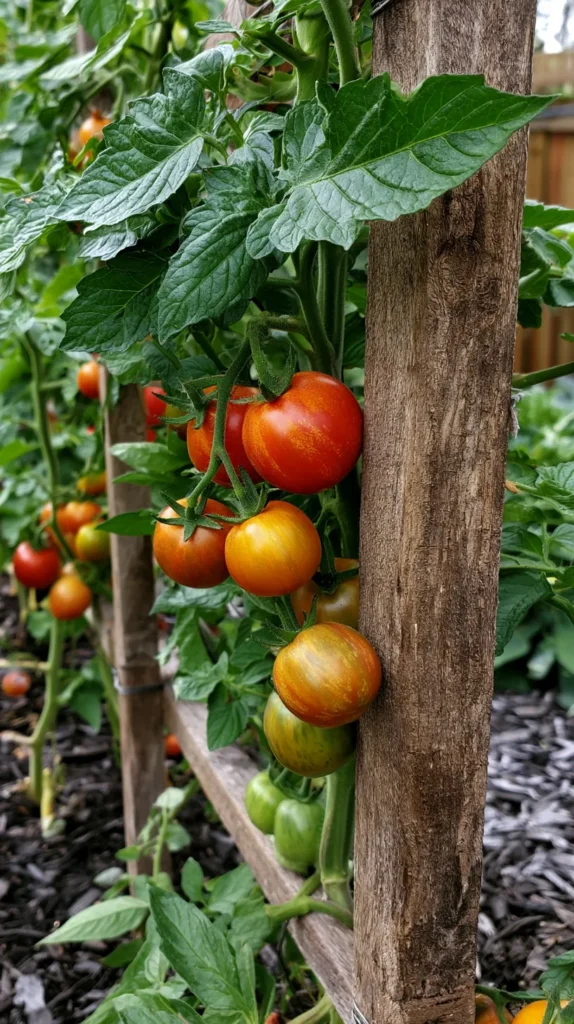
The Best Tomato Trellis Plants To Grow
The best tomato trellis plants are usually indeterminate tomatoes. These keep growing, stretching, and producing through the season. They benefit most from vertical support because they don’t stay neat. Not even close.
Cherry tomatoes often do beautifully on a trellis. They grow fast, fruit heavily, and can turn into a cheerful mess without support. Grape tomatoes also work well. Their clusters stay easier to pick when vines climb instead of sprawl.
Slicing tomatoes can also thrive with strong trellising. However, larger fruit needs firm ties and steady support. A weak setup may bend when heavy tomatoes start sizing up. That’s where cheap can betray you.
Paste tomatoes depend on the variety. Some are determinate, which means they may not need a tall trellis. Others grow taller and benefit from support. So, checking the plant tag helps more than guessing at the garden center.
Good choices for a tomato trellis often include:
- Cherry tomatoes for heavy, easy picking
- Grape tomatoes for compact clusters
- Beefsteak tomatoes with strong support
- Heirloom indeterminate tomatoes for tall growth
- Roma types only when the variety grows taller
- San Marzano types with sturdy vertical support
Here’s the reframe. The “best” tomato is not always the biggest one. It’s the one that matches your space, your support, and your patience. A smaller tomato that produces well can beat a giant variety that collapses by midsummer.
For budget gardens, I’d choose plants that give steady harvests and use space well. Cherry and grape tomatoes often win there. Still, one good slicer seems worth it if sandwiches matter in your house. Mine would, because tomato season has its own tiny fan club. Start with fewer plants, then learn which types behave best.
Common Questions Before The Yard Gets Bossy
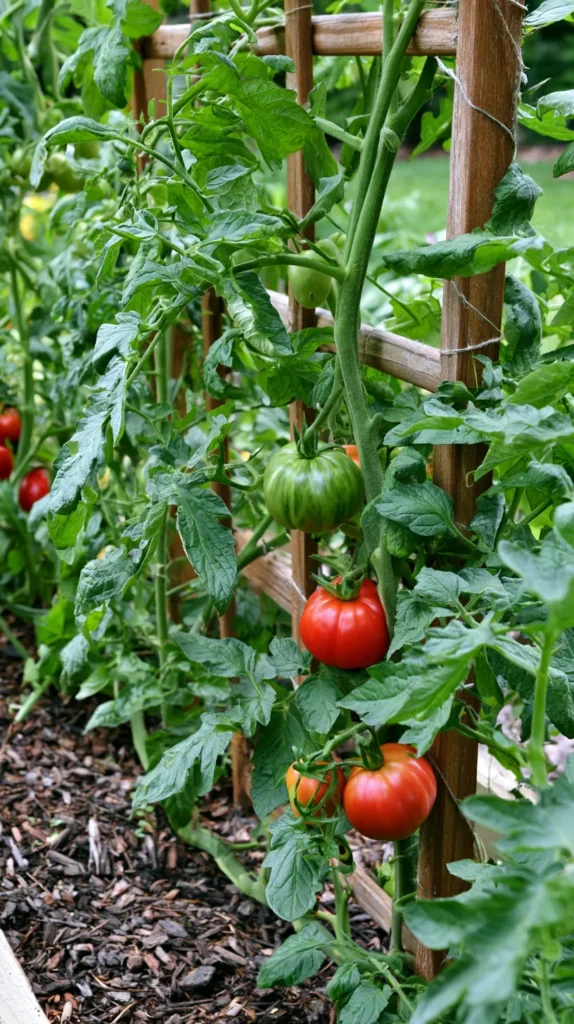
Tomatoes bring questions. So many questions. One plant starts leaning, and suddenly the yard seems ready for a committee meeting. A tomato trellis helps, but a few answers make the whole setup less twitchy.
Can I use a tomato trellis in a raised bed? Yes, and raised beds often make trellising easier. The soil stays contained, spacing looks cleaner, and posts can sit along the bed edge. However, tall trellises may need deeper anchors outside the bed.
Can I make one from cheap materials? Yes. Twine, bamboo, scrap wood, metal conduit, and old fencing can work well. Still, avoid flimsy materials if you’re growing large indeterminate tomatoes.
How tall should it be? For shorter determinate plants, three to five feet may work. For indeterminate plants, six feet or more gives better support. In long growing seasons, tall plants may still keep reaching.
How often should I tie the vines? Check once a week. Add support when the stem grows another eight to twelve inches. Loose ties matter because stems thicken quickly.
Do I need to prune tomatoes on a trellis? Usually, yes. Pruning improves airflow and keeps the plant easier to manage. Remove lower leaves touching soil first. Then thin crowded growth when the plant turns into a leafy situation.
Is a trellis better than a cage? Sometimes, yes. Cages work for compact plants. Trellises often work better for tall, vining tomatoes. That answer depends on plant size, budget, and space.
The big surprise? Most tomato problems start small. A loose tie, crowded spacing, or weak stake can snowball fast. So, quick weekly checks can save the whole garden mood. Small fixes are cheaper than replacing broken plants later.
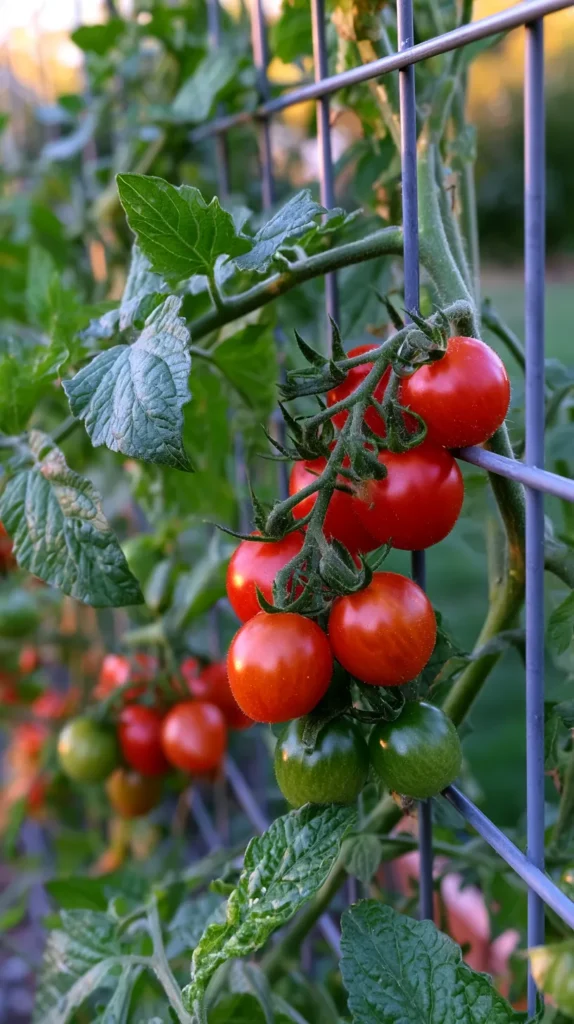
Mistakes That Make Tomatoes Turn Into Yard Chaos
The first mistake is waiting too long. A tomato plant can go from charming to tangled in one hot week. Once branches sprawl, adding a tomato trellis is like brushing curly hair after a beach day. Doable, but not peaceful.
Another mistake is buying support that’s too short. Tiny cages look fine in the store. Then the plant grows past them and starts flopping over the top. At that point, the cage becomes garden jewelry. Pretty useless garden jewelry.
Crowding causes trouble too. I understand the urge. More plants sounds like more tomatoes. However, crowded plants often give you less usable fruit. Poor airflow, damp leaves, and tangled vines can cost more than extra spacing.
Weak ties can also cause damage. Tight string cuts into stems, and rough wire can scrape them. Soft ties, clips, or loose twine work better. The plant needs support, not a corset. (No tomato needs shapewear.)
Then there’s the watering problem. Trellised tomatoes still need steady moisture. If the soil dries out, plants can struggle. Mulch helps keep moisture more even and saves you extra watering time.
One sneaky mistake is ignoring the harvest path. A trellis near a fence might look smart. Yet you still need room to reach both sides. Otherwise, ripe tomatoes hide where only squirrels can enjoy them.
The reframe is this. A strong setup is not about perfection. It’s about making the easy choice obvious every week. Tie a little. Prune a little. Pick before fruit gets overripe. Fix small problems before they become Saturday chores with emotional baggage.
A budget garden should save money and sanity. The trellis should help with both. If it makes the job harder, it’s not the bargain it pretended to be.
The Little Backyard Win That Means More Than Tomatoes
I like garden projects that make a space work harder without making it look stressed. That’s why a tomato trellis makes sense to me. It’s practical, but it also gives the yard a tidy little backbone. And yes, I enjoy that phrase more than I should.
There’s something satisfying about using simple materials and getting a cleaner garden bed. Not perfect. Just better. A few posts, some twine, and smart spacing can change the whole mood of a tomato patch.
As a mom, I also appreciate anything that makes outdoor chores less chaotic. I don’t need one more mystery tangle waiting outside. Give me clear paths, easy picking, and fewer plants lying dramatically in the mulch.
I also love that this project belongs on Pinterest without needing a luxury budget. It can look charming, rustic, neat, or wonderfully practical. However, the real win is how it works. The plants get support, and the fruit stays easier to reach. Meanwhile, the yard looks less like a leafy ambush.
A tomato trellis is not the fanciest garden upgrade. That’s exactly why it earns its spot. It solves real problems without demanding fancy tools or a giant receipt. Plus, it makes the whole garden look more intentional, which is sneaky satisfying.
So, if the tomatoes are coming, I’d give them somewhere to go. Up is usually better than everywhere. And that, my friend, is the kind of backyard wisdom that deserves a smug little nod.