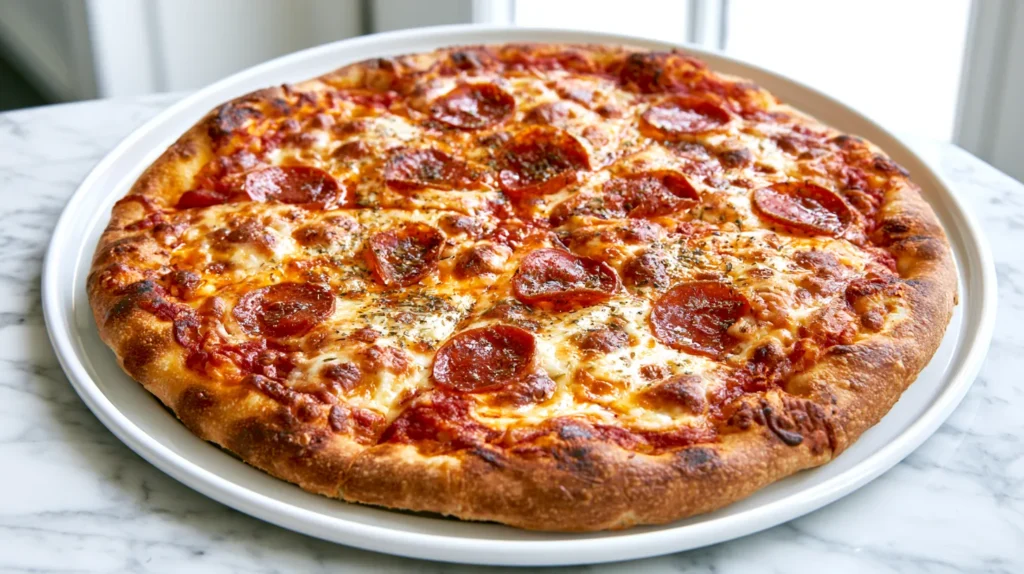
Some dinners look cheap until everyone eats and the receipt starts acting bold. Homemade pizza is different, because the same few basics can stretch into a whole night. Flour, yeast, tomatoes, cheese, and toppings do a lot more work than takeout ever will.
I’ve found that pizza night sounds like a splurge, but it can behave like a pantry meal. That tiny detail makes my budget-loving brain very pleased. Also, I tend to trust dinners people can customize without turning the kitchen into a negotiation table. As a mom, that alone counts as a small domestic victory.
There’s something fun about making the dough, spreading the sauce, and pretending toppings need strategy. They do, by the way. Too much cheese sounds right until the crust gives up. Then everyone learns a lesson none of us requested. Somehow, pizza can be simple and dramatic at the same time.
So, this is not fancy pizza with imported flour and a tiny dramatic basil leaf. This is homemade pizza made from scratch with normal groceries, normal measuring cups, and a real-life grocery budget. It still tastes fresh, cozy, chewy, crisp-edged, and very worth the flour on the counter.
And the best part sneaks in slowly. Once the dough starts making sense, dinner starts getting cheaper without tasting cheaper. That is the tiny kitchen plot twist waiting here. It starts with dough, but it ends with takeout losing its little crown.
Some of the links on this page are affiliate links, which means I may earn a small commission if you purchase through them. It never costs you extra. You can always peek at my full disclosure if you’d like the details.

Why Homemade Pizza Is A Budget Dinner Win
The best budget meals do one sneaky thing well. They make cheap ingredients taste bigger than their price tag. Homemade pizza does that because the dough costs very little, yet it turns into dinner that seems special.
I tend to notice that takeout pizza costs more when everyone wants different toppings. One person wants pepperoni. Another wants plain cheese. Someone else suddenly has opinions about olives. Fine. Charming chaos.
At home, that same chaos gets cheaper fast. That is where the math gets nosy:
- Flour, yeast, oil, and salt make the crust.
- A small can of tomatoes makes the sauce.
- A modest amount of cheese covers more than expected.
- Leftover bits can become toppings.
- One dough recipe can make two medium pizzas.
- Extra sauce can freeze for another night.
Here’s the budget twist people overlook. Pizza does not need a mountain of toppings. In fact, too many toppings make it soggy and weird. Not everything needs to become a casserole with ambition.
The better plan uses small amounts with purpose. A little sausage, thin onion, chopped peppers, or leftover chicken can stretch beautifully. Meanwhile, cheese goes farther when you shred it yourself. Pre-shredded cheese costs more and often melts less smoothly.
However, homemade pizza also saves money because it turns dinner into an event. That matters. When dinner seems fun, nobody acts like the budget meal is punishment. A scratch-made crust can make basic sauce and cheese taste special.
So yes, this is frugal. But it does not have sad little dinner energy. It lands like the dinner version of finding cash in a coat pocket. That is the whole point. Budget food can still have a little sparkle, minus the restaurant bill.
Homemade Pizza Dough From Scratch Without The Drama
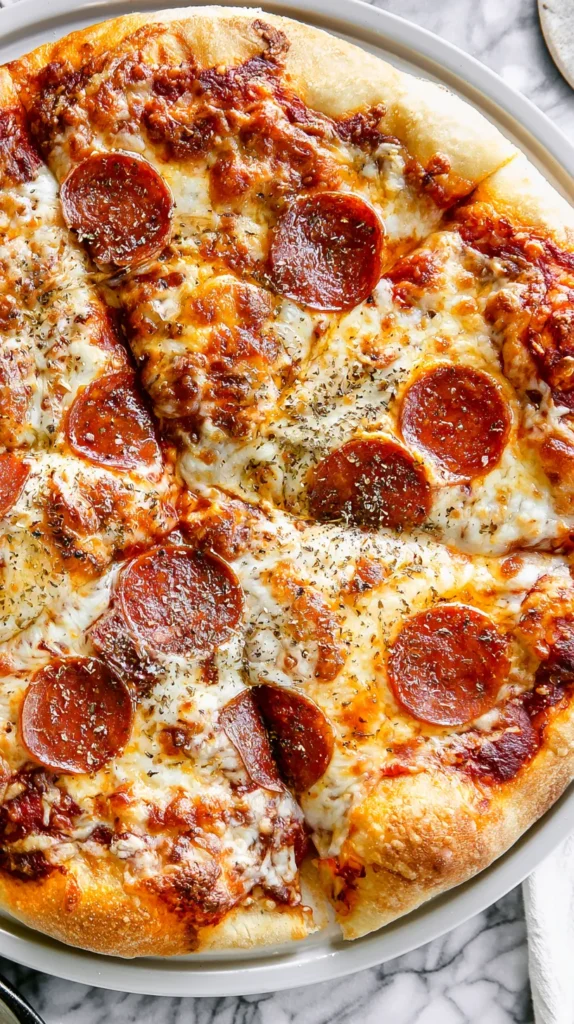
Homemade pizza dough sounds like something that requires confidence, silence, and maybe an apron with authority. It does not. Dough is mostly flour, yeast, warm water, oil, sugar, and salt. That’s it. Tiny ingredient list, big payoff.
I’ve found that the biggest dough mistake is overthinking the water. Warm water should feel like bath water, not lava. If it feels too hot for your hand, it is too hot for yeast. That one check saves a lot of sad dough moments.
For two medium pizzas, use 3 cups all-purpose flour. Add 2 1/4 teaspoons active dry yeast. Use 1 cup warm water, 1 tablespoon sugar, 2 tablespoons olive oil, and 1 teaspoon salt. Bread flour works too, but all-purpose keeps the budget friendlier. I like that for real-life kitchens.
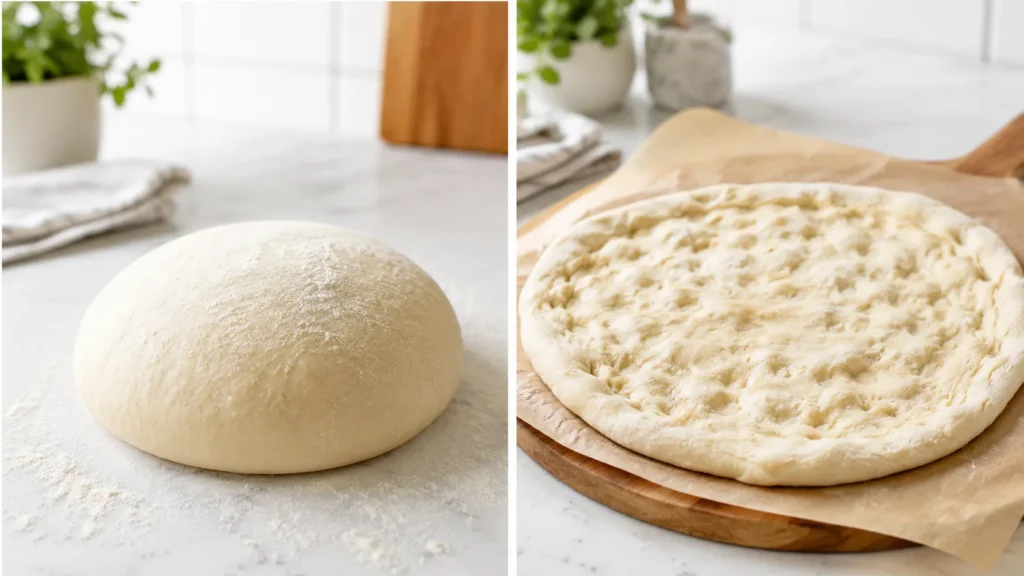
First, stir the warm water, sugar, and yeast together. Let it sit until foamy, about 5 minutes. Then mix in the oil, salt, and flour. Stir until the dough looks shaggy and a little rough. Glamour is not required here.
Next, knead it for 5 to 7 minutes on a lightly floured counter. The dough should turn smooth and stretchy. If it sticks badly, add flour one tablespoon at a time. However, avoid dumping in too much flour, because dry dough bakes tough.
After that, place it in an oiled bowl and cover it. Let it rise for about 60 minutes, until doubled. The wait does most of the work, which seems slightly suspicious, but I’ll allow it. Homemade pizza starts looking possible right there. Better yet, the dough does not ask for expensive ingredients or special kitchen gadgets. That alone makes scratch dough less intimidating.
The Budget Pantry Ingredients That Pull Their Weight
A from-scratch recipe should not require a grocery list that looks like a scavenger hunt. Homemade pizza works best when the ingredients stay simple and useful. That keeps the cost low and the recipe easy to repeat.
Here is the full ingredient list for two medium pizzas. Everything here earns its keep:
- 3 cups all-purpose flour, plus more for dusting
- 2 1/4 teaspoons active dry yeast
- 1 cup warm water
- 1 tablespoon sugar
- 2 tablespoons olive oil, plus more for the bowl
- 1 teaspoon salt
- 1 can crushed tomatoes, 15 ounces
- 1 tablespoon tomato paste
- 1 teaspoon dried oregano
- 1/2 teaspoon garlic powder
- 1/2 teaspoon onion powder
- 1/2 teaspoon sugar
- 1/2 teaspoon salt
- 1/4 teaspoon black pepper
- 2 cups shredded mozzarella
- 1/4 cup grated parmesan, optional
- 1 to 1 1/2 cups total toppings
That topping amount may look too small. I know. It seems rude at first. However, thin layers bake better and taste more balanced. Pizza should not need a support group.
For budget toppings, try pepperoni, mushrooms, onions, bell peppers, black olives, cooked sausage, or leftover chicken. Canned pineapple works too, if your household allows that debate. I will not referee.
Also, use what you already have first. Half a pepper, a few mushrooms, or extra cooked meat can help. Small fridge leftovers suddenly look useful on pizza. That is a tiny kitchen victory.
For the cheese, shred a block when possible. It usually costs less per ounce. Plus, it melts into a smoother layer, which is exactly what we want. Store-brand mozzarella works beautifully here too, so no fancy dairy moment is required. The humble stuff can handle dinner just fine.
Homemade Pizza Sauce That Keeps Things Cheap
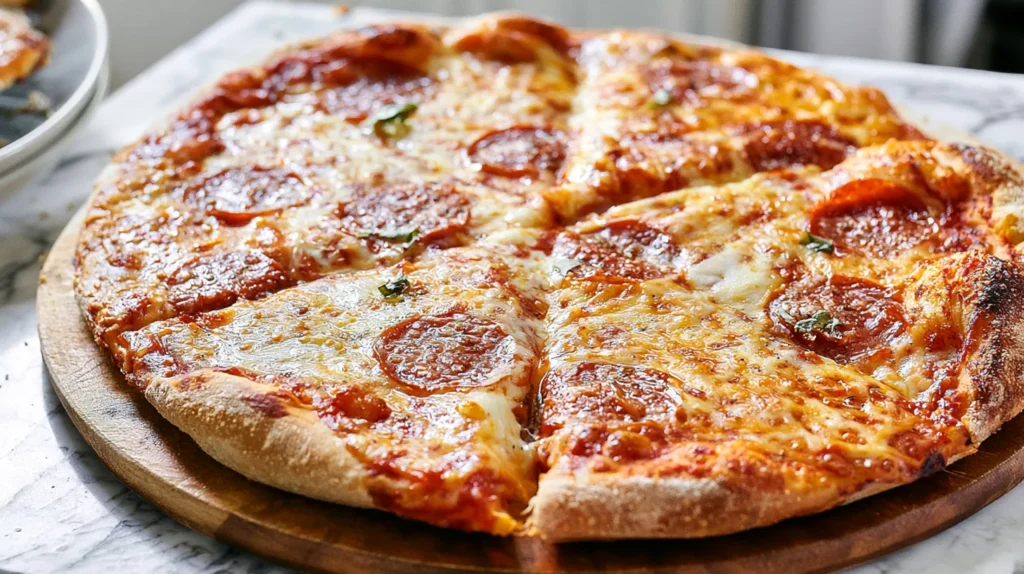
Sauce can make homemade pizza taste bright and fresh without costing much. That is why I like using canned crushed tomatoes. They are cheaper than many jarred sauces, and they already have the right texture.
Start with one 15-ounce can of crushed tomatoes. Add 1 tablespoon tomato paste. Then stir in dried oregano, garlic powder, onion powder, sugar, salt, and black pepper. Use 1 teaspoon oregano, 1/2 teaspoon sugar, and 1/2 teaspoon salt. Add 1/2 teaspoon each garlic powder and onion powder. Finish with 1/4 teaspoon black pepper.
Here’s the part that surprises people. Raw pizza sauce often tastes better after baking than cooked sauce. The oven deepens the tomato flavor while the crust cooks. So, skipping the saucepan is not lazy. It is smart and wonderfully low-dish.
However, tomato paste matters. It thickens the sauce, so the crust stays crisp. Thin sauce spreads fast and can make the middle soft. Nobody wants a floppy center after all that dough effort.
Use about 1/2 cup sauce per medium pizza. More sauce sounds generous, but it can weigh everything down. This is pizza, not tomato soup wearing cheese.
If you like a sweeter sauce, add another pinch of sugar. For a little heat, add crushed red pepper. Still, keep the base simple. Simple sauce leaves room for toppings without making each bite taste crowded.
Also, this sauce freezes well. Spoon extra into a small freezer bag and press it flat. Later, it thaws fast and saves another dinner. That is the kind of budget trick I respect deeply. It is small, but it keeps future dinner me very pleased. Very handy.
Toppings That Stretch A Little Farther
Toppings can turn homemade pizza from cheap dinner into “wait, this tastes like Friday” dinner. Still, they can also wreck the budget if every topping comes in its own package. Sneaky little grocery gremlins.
The easiest fix is choosing toppings that stretch. This is where tiny cuts matter:
- Slice vegetables thin so they cover more surface.
- Crumble cooked sausage instead of using chunks.
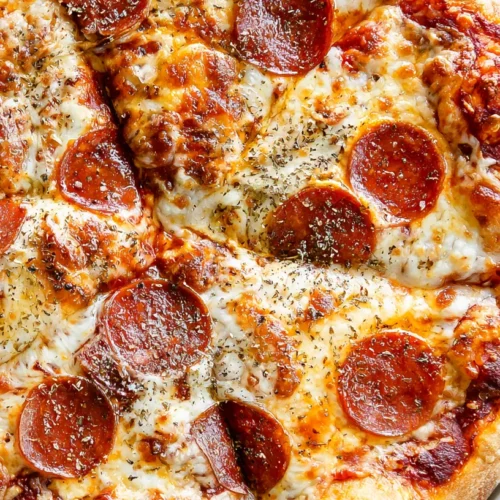
- Cut pepperoni in halves or quarters for better spread.
- Use leftover grilled chicken in small pieces.
- Add parmesan for flavor instead of extra mozzarella.
- Pat wet toppings dry before adding them.
- Keep strong flavors small, not heavy.
That last tip matters more than it should. Mushrooms, olives, pineapple, and peppers can carry moisture. Extra moisture can soften the crust, and then dinner gets awkward. A paper towel helps. Simple, bossy, and useful.
I’ve found that a strong flavor goes farther than a big pile. A little pepperoni adds more punch than a thick layer of bland toppings. Likewise, a few thin onions can make the whole pizza taste more finished.
Here’s another budget reframe. Toppings do not need to match takeout menus. They need to match your fridge. Half a jar of roasted peppers, a few cooked bacon pieces, or leftover taco meat can work.
However, avoid raw thick vegetables unless you like crunchy surprises. Pre-cook dense toppings like broccoli, zucchini, or sausage. Since this site loves a budget angle, I will add this too. Never buy a topping for one pizza only. Choose ingredients you can use again that week.
That one habit keeps pizza night cheap instead of accidentally expensive. Homemade pizza gets easier when your fridge joins the plan. Tiny topping choices add up fast.
The Step-By-Step Pizza Process From Dough To Table
Once the dough has risen, homemade pizza gets fun fast. This is where the floury counter moment happens. It looks charming for about six minutes, then someone needs to wipe the cabinet handles.
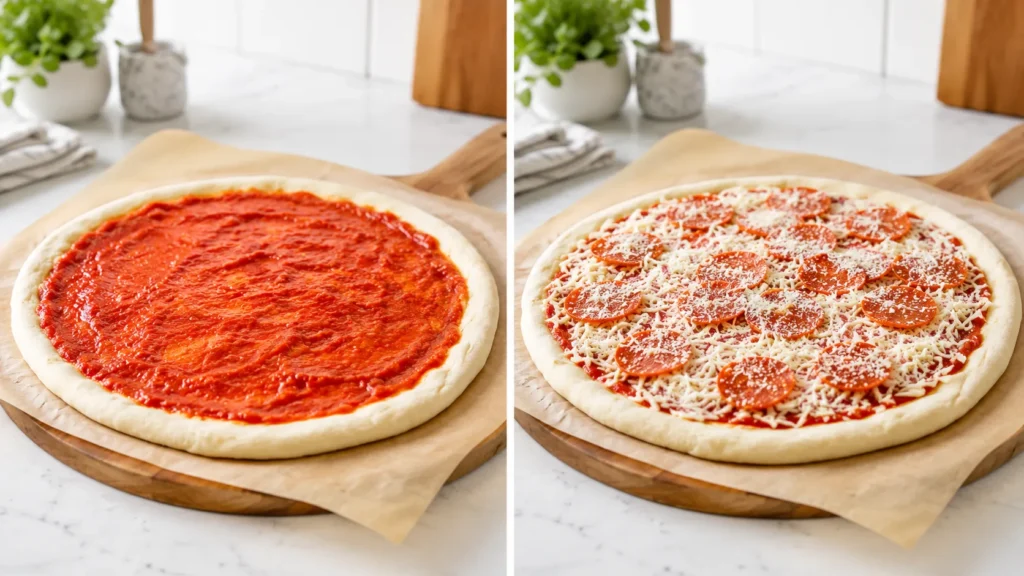
Use this process for two medium pizzas. The steps stay simple on purpose:
- Preheat the oven to 475 degrees F.
- Place a pizza stone or baking sheet inside while it heats.
- Divide the risen dough into two equal pieces.
- Stretch each piece into a 10 to 12-inch circle.
- Place dough on parchment paper.
- Spread about 1/2 cup sauce over each crust.
- Add 1 cup mozzarella to each pizza.
- Layer toppings in a thin, even layer.
- Sprinkle parmesan on top, if using.
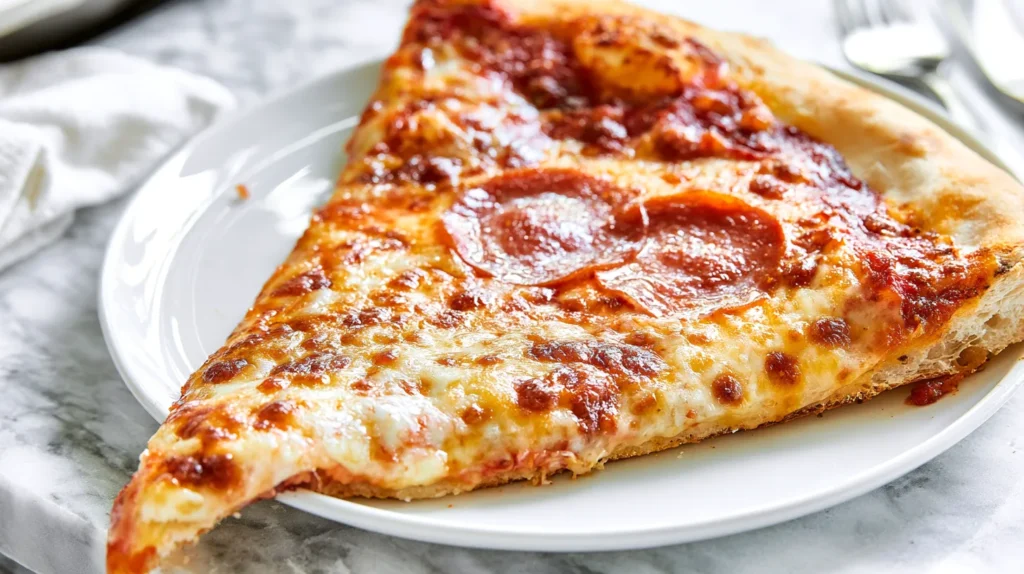
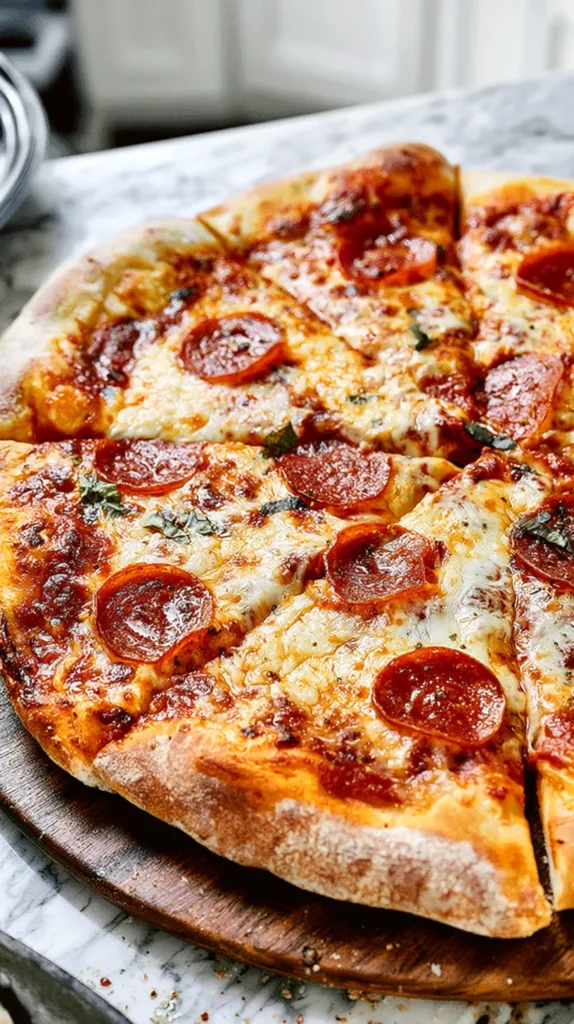
- Bake 10 to 14 minutes, until crisp and golden.
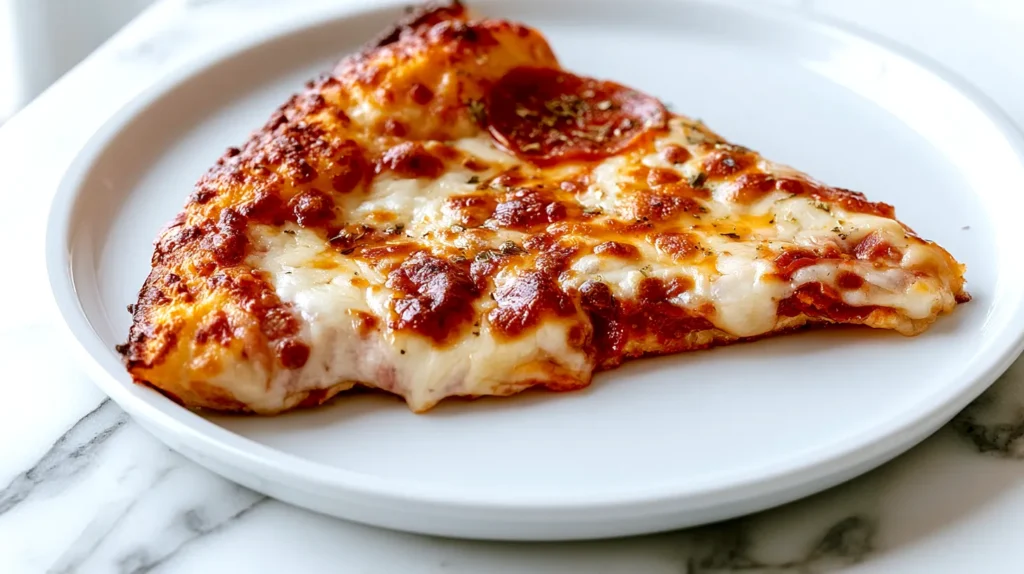
- Cool 3 to 5 minutes before slicing.
The hot pan matters. It helps the bottom crust cook faster. That gives you better texture without a fancy pizza oven. Budget dinner, still showing range.
If the dough resists stretching, let it rest for 5 minutes. Then try again. Dough gets easier when it relaxes, which is annoyingly relatable.
Also, parchment paper makes moving the pizza much easier. I like anything that lowers the chance of launching sauce onto the oven door. That’s not rustic; it’s a cleanup crime.
For a softer crust, bake closer to 10 minutes. Crispier crust needs closer to 14 minutes. However, watch the cheese and edges near the end. Ovens have moods, and they do not consult us first.
Serve hot, with salad, fruit, roasted vegetables, or carrot sticks. Simple sides keep the meal cheap and balanced. Garlic butter for dipping also works, if the budget allows a little flourish.

Smart Tips For Better Crust, Better Flavor, And Less Waste
A good crust comes from small choices, not fancy gear. That is good news for any budget kitchen. Homemade pizza should not require equipment that costs more than dinner for the week.
First, measure flour with a light hand. Scoop it into the measuring cup, then level it. If you pack it down, the dough can turn dry. Dry dough still bakes, but it loses that chewy, tender bite.
Second, give the oven time to heat. A hot oven helps the crust brown before the toppings overcook. This one step makes homemade crust taste much better. It also costs nothing, which is my favorite price.
Third, keep the topping layer thin. I know that sounds suspiciously restrained. However, thin toppings cook faster and keep the crust from getting soggy. More is not always more. Sometimes more is just wet pizza.
For less waste, plan toppings around another meal. Use bell peppers for pizza and tacos. Save mozzarella for pizza and baked pasta. Turn extra sauce into a quick pasta lunch. Suddenly, pizza night supports the week instead of stealing the grocery budget.
Serving can stay simple too. I like pizza with a crunchy salad, sliced apples, grapes, or raw veggies. If you want it cozier, serve it with soup. Tomato soup makes sense, but vegetable soup works too.
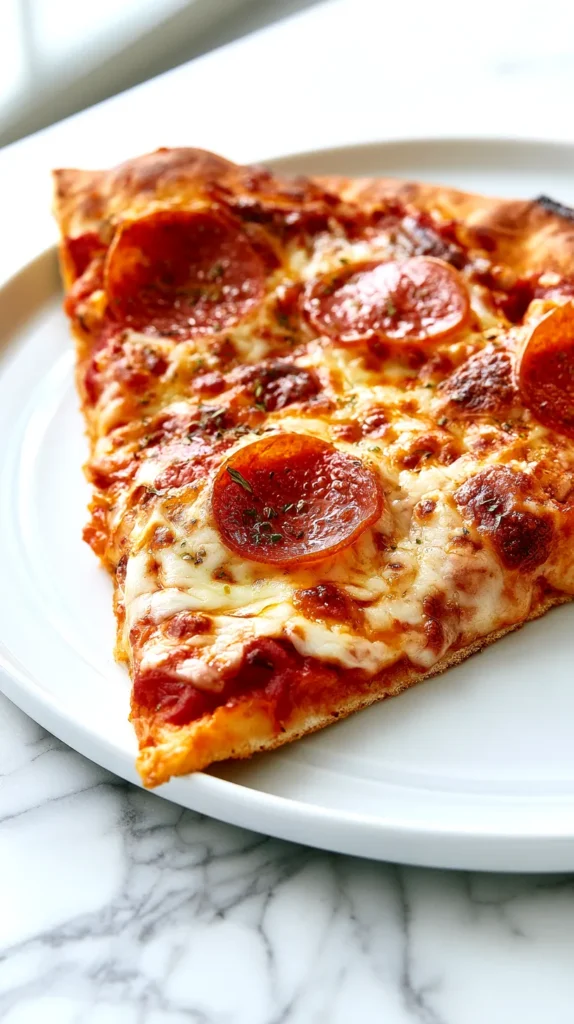
Leftover slices reheat best in a skillet over medium-low heat. Cover the pan for a minute or two. The bottom gets crisp, and the cheese warms without turning rubbery. Microwave pizza has its place, but the skillet wins. That small choice makes leftovers taste planned, not punished. Even budget leftovers deserve better texture. No sad slices allowed.
Homemade Pizza FAQs For Real Kitchen Questions
Can I make the dough ahead of time? Yes, and homemade pizza may taste even better that way. After mixing and kneading, place the dough in an oiled bowl. Cover it tightly and refrigerate it for up to 24 hours. Let it sit at room temperature for 30 minutes before stretching.
Can I freeze homemade pizza dough? Yes. After the first rise, divide the dough into two balls. Rub each with a little oil, then place them in freezer bags. Freeze for up to three months. Thaw overnight in the fridge before using.
What if I do not have a pizza stone? Use a baking sheet instead. Place it in the oven while the oven heats. Then slide the parchment and pizza onto the hot pan. You still get a better bottom crust.
Why did my crust turn soggy? Too much sauce, too many toppings, or wet vegetables usually cause that. Use less sauce next time. Also, pat toppings dry and slice them thin. Small changes fix most soggy crust problems.
Can I use instant yeast instead? Yes. Use the same amount. You can mix it right into the flour, sugar, and salt. Then add warm water and oil. The rise time should stay close to the same.
What is the cheapest topping plan? Use one main topping and one vegetable. Pepperoni with onion works well. Sausage with peppers tastes hearty. Cheese pizza with parmesan also keeps costs low. Simple does not mean boring, especially here. It means dinner knows its lane.
Can I make the crust thicker? Yes, but keep the pizzas smaller. Thicker crust needs more time to bake through. Lower the oven to 450 degrees F if the edges brown too fast.

Homemade Pizza From Scratch
Ingredients
Dough
- 3 cups all-purpose flour plus more for dusting
- 2 1/4 teaspoons active dry yeast
- 1 cup warm water
- 1 tablespoon sugar
- 2 tablespoons olive oil plus more for the bowl
- 1 teaspoon salt
Sauce
- 1 can crushed tomatoes 15 ounces
- 1 tablespoon tomato paste
- 1 teaspoon dried oregano
- 1/2 teaspoon garlic powder
- 1/2 teaspoon onion powder
- 1/2 teaspoon sugar
- 1/2 teaspoon salt
- 1/4 teaspoon black pepper
Toppings
- 2 cups shredded mozzarella
- 1/4 cup grated parmesan optional
- 1 to 1 1/2 cups total toppings
Instructions
- Stir the warm water, sugar, and yeast together.
- Let the yeast mixture sit until foamy, about 5 minutes.
- Mix in the olive oil, salt, and flour.
- Stir until the dough looks shaggy and a little rough.
- Knead the dough for 5 to 7 minutes on a lightly floured counter.
- Add more flour one tablespoon at a time if the dough sticks badly.
- Place the dough in an oiled bowl.
- Cover the bowl.
- Let the dough rise for about 60 minutes, until doubled.
- Stir the crushed tomatoes, tomato paste, dried oregano, garlic powder, onion powder, sugar, salt, and black pepper together.
- Preheat the oven to 475 degrees F.
- Place a pizza stone or baking sheet inside the oven while it heats.
- Divide the risen dough into two equal pieces.
- Stretch each piece into a 10 to 12-inch circle.
- Place each dough circle on parchment paper.
- Spread about 1/2 cup sauce over each crust.
- Add 1 cup mozzarella to each pizza.
- Layer toppings in a thin, even layer.
- Sprinkle parmesan on top, if using.
- Bake for 10 to 14 minutes, until crisp and golden.
- Cool for 3 to 5 minutes before slicing.
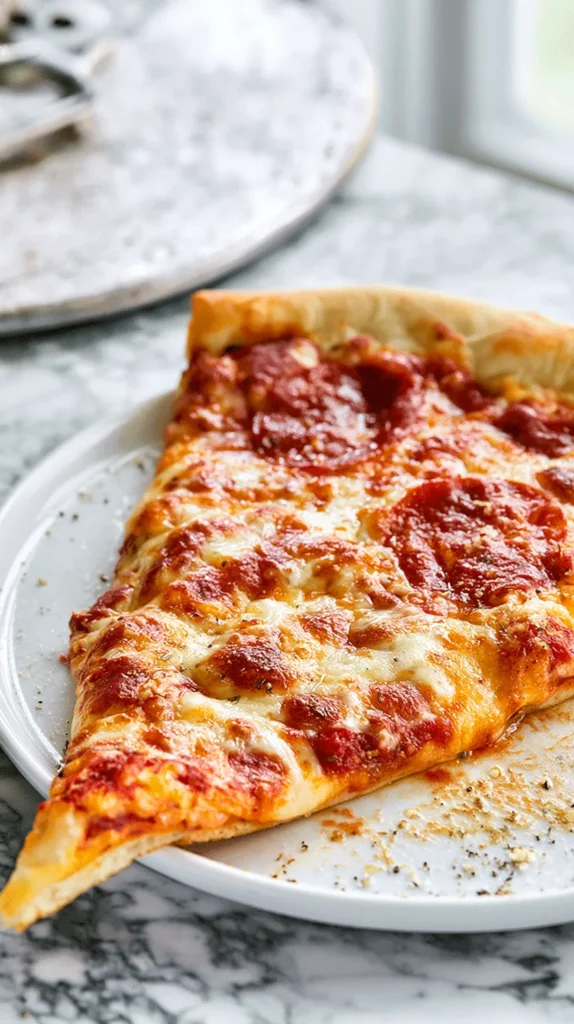
A Pizza Night Worth Keeping On Repeat
I like dinners that make a regular night feel a little more planned, without demanding too much. That is where homemade pizza earns its spot. It uses basic groceries, but the final meal still lands cheerful and a tiny bit festive.
There’s also something satisfying about knowing exactly what went into dinner. Flour became crust. Tomatoes became sauce. A few toppings became something everyone can point at and claim. That part matters when food prices keep doing rude little gymnastics.
As a mom, I also appreciate meals with room for opinions. One person can keep things plain. Another can add peppers. Someone can pretend black olives are controversial. Fine. We all need hobbies.
Pinterest loves pretty pizza boards and dramatic cheese pulls, and I get it. Those pictures are fun. Still, the best version is the one that fits your budget and your real kitchen. No imported flour, tiny chef hat, or panic required.
I’ve found that scratch cooking works best when it feels useful, not precious. This recipe gives you dough, sauce, toppings, tips, and a plan. More importantly, it gives you a dinner that can return next week without turning stale.
Also, there is a quiet confidence in making the whole thing yourself. Not fancy confidence. More like, “Look at me, beating takeout with flour.” That little win counts. That is my kind of kitchen math.
And once you realize pizza night can cost less than takeout, the cardboard box starts looking very smug.