Wedding color schemes can go wrong in two seconds, which seems unfair but also very wedding. One minute, the palette looks dreamy. Then someone adds neon coral, burgundy napkins, and gold chargers with the confidence of a casino carpet. Suddenly, the whole reception has opinions.
I’ve found that budget weddings need color even more than luxury weddings do. Color can make simple flowers, rented linens, thrifted frames, and plain candles look planned instead of patched together. That’s the little trick hiding in plain sight. You don’t always need more decor. Sometimes, you need fewer colors bossing the room around.
Living in Orlando has made me respect color in a whole new way. Bright sun exposes everything, including undertones, cheap fabric shine, and flowers that looked softer online. So, yes, I get dramatic about beige. Beige can betray a woman before lunch.
The good news is that wedding color schemes don’t need to be fancy, trendy, or expensive. They need to look intentional. That sounds simple, but it’s where most palettes get sneaky. Usually, the prettiest ones have one calm base and one clear mood. Then one tiny surprise keeps everything from looking flat.
So I’m not here to hand you a stiff color chart and vanish. I’m talking through real colors, budget moves, and the little choices that make a wedding look pulled together. Because somewhere between dusty rose and terracotta, there’s a palette that looks rich without acting rich.
Some of the links on this page are affiliate links, which means I may earn a small commission if you purchase through them. It never costs you extra. You can always peek at my full disclosure if you’d like the details.
Wedding Color Schemes That Look Rich Without Behaving Rich
The best wedding color schemes don’t shout about money. They whisper, “I made choices.” That difference matters, especially when the budget has boundaries and opinions. A tight palette can make affordable decor look edited, not cheap.
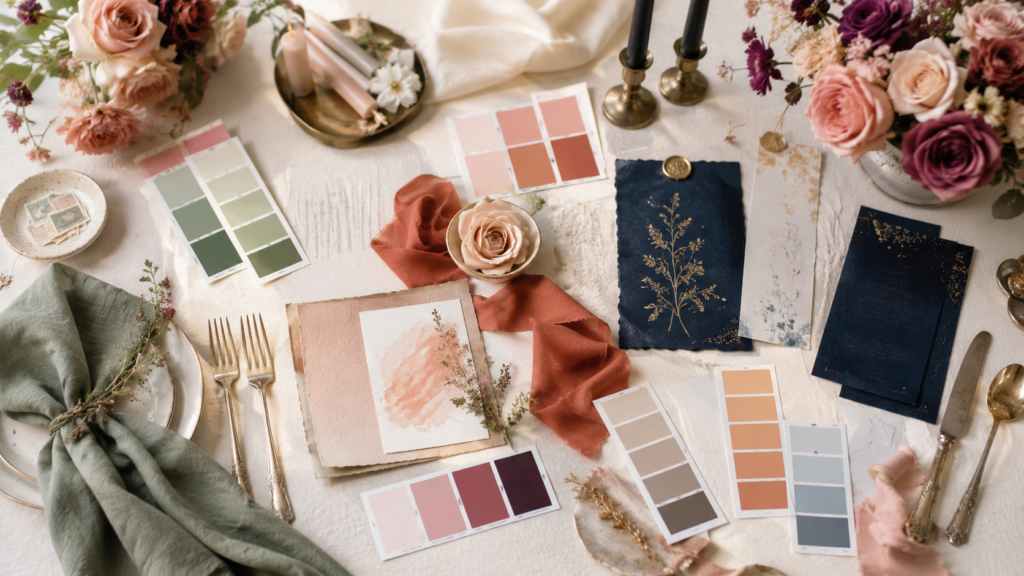
I tend to notice that expensive-looking weddings usually avoid color chaos. They pick a base shade, a soft support color, and one accent with a little nerve. That formula works because the eye knows where to land. Meanwhile, random color collecting makes even pretty pieces look disconnected.
Try these easy pairings when you want that polished look without renting the moon:
- Ivory, champagne, and soft sage green
- Dusty rose, warm taupe, and antique gold
- Slate blue, cream, and deep navy
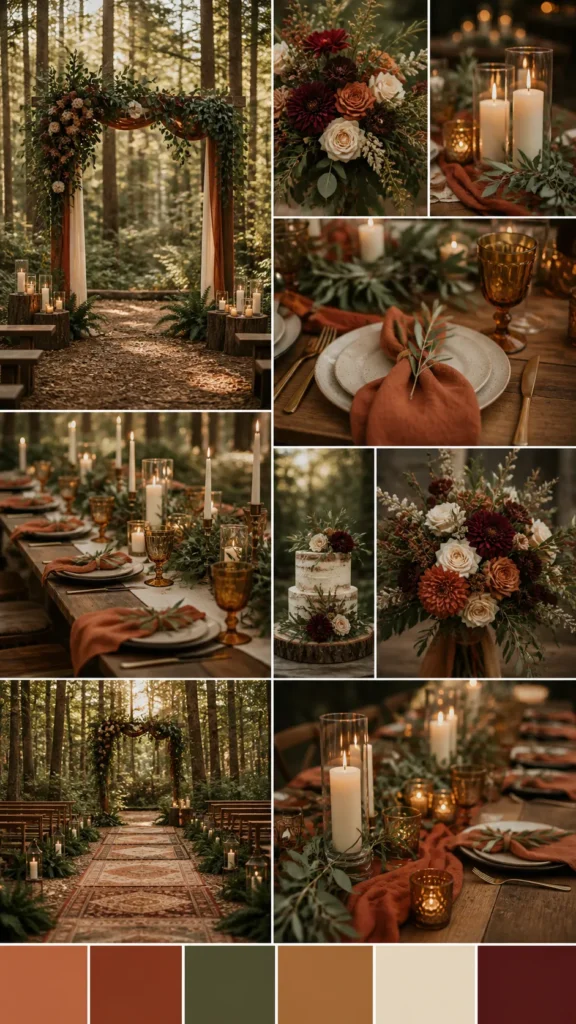
- Terracotta, sand, and muted olive
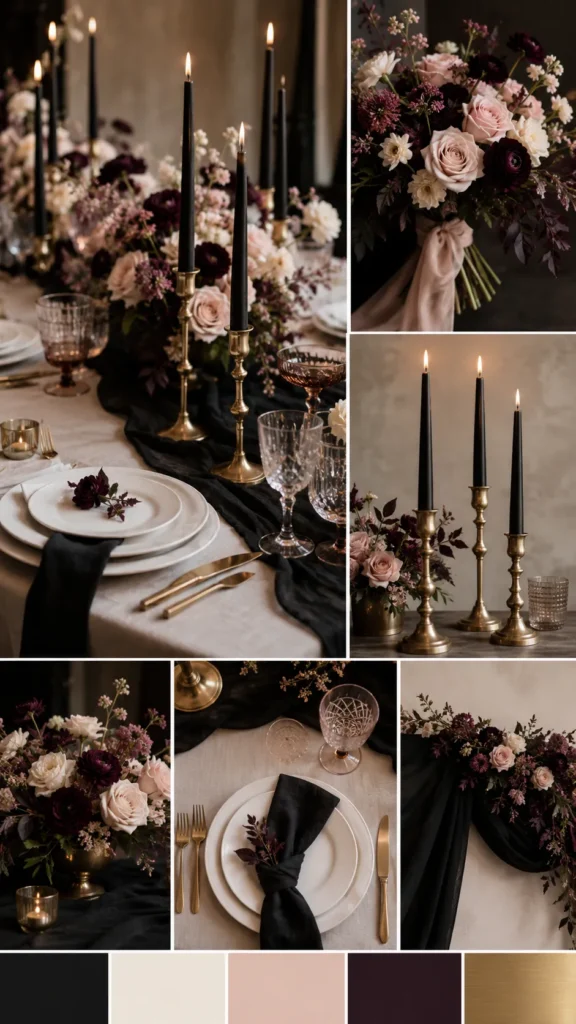
- Black, white, and brushed brass
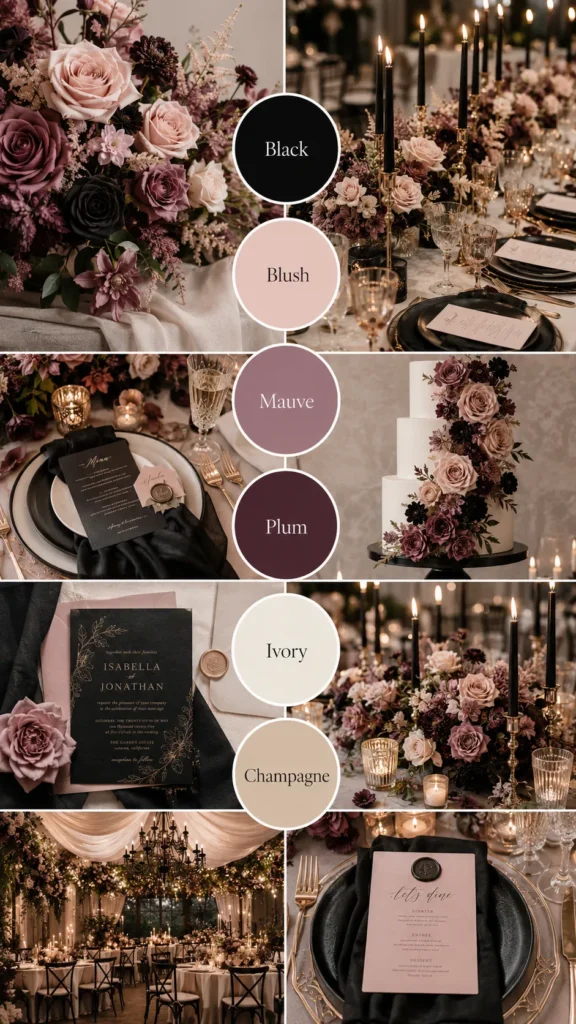
- Mauve, mushroom beige, and plum
Here’s the tiny reframe. “Simple” doesn’t mean plain. Instead, simple means your colors agree before your decor enters the room. That’s why ivory and champagne can look expensive with grocery store flowers. However, ivory, champagne, blush, coral, mint, navy, silver, and fuchsia can look frantic.
Budget-friendly color also loves repetition. Use the same sage ribbon on bouquets, menus, favors, and welcome signs. Suddenly, those small pieces look connected. Even better, ribbon costs less than adding another centerpiece layer. That matters when every table needs a little polish and charm.
Color restraint feels a little boring during planning. I get it. Pinterest keeps waving sixteen pretty shades at you like a tiny chaos machine. Still, the wedding day rewards the tighter palette. Your photos look calmer, your tables look cleaner, and your wallet stops side-eyeing you from across the room.
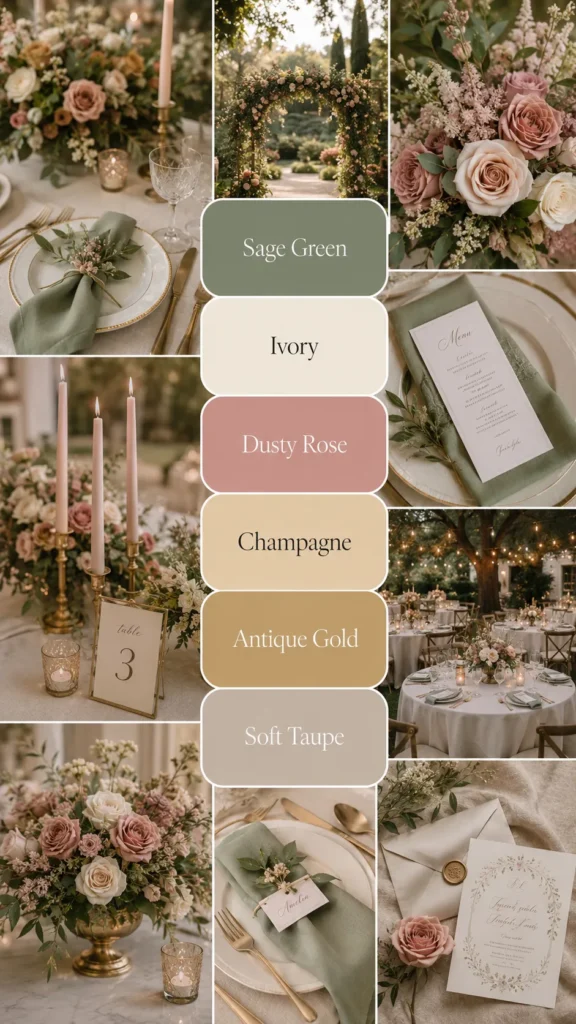
The Sneaky Power Of One Bossy Color
Every palette needs one color that makes the decisions. I call it the bossy color because it keeps everything else from wandering off. It doesn’t need to be loud. Really, it just needs enough presence to guide the whole wedding.
For example, sage green can lead a soft garden wedding. Navy can anchor a classic reception. Terracotta can warm up a plain community hall. Burgundy can make grocery store roses look moody and intentional. Even black can behave beautifully when paired with cream and brass.
This is where many wedding color schemes start to wobble. People pick three pretty colors, but none of them leads. Blush, lavender, and light blue can turn sweet, yes. However, without a deeper shade, they can also drift into baby shower territory. Cute? Sure. Wedding? Maybe not.
A bossy color solves that fast. Add plum to blush and lavender. Bring navy into light blue and ivory. Use olive with peach and cream. Suddenly, the palette has a spine. That sounds dramatic, but weddings are dramatic. They literally involve cake knives and assigned seating.
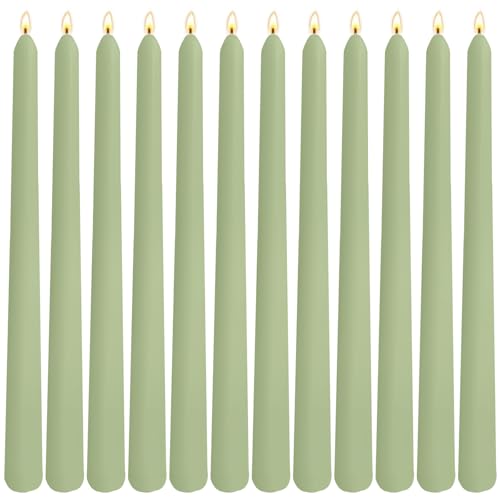
The best part is that your bossy color can appear in cheap places. Think napkins, taper candles, printed menus, table numbers, or bridesmaid accessories. You don’t need every flower in that shade. In fact, that can get pricey fast. Small repeats do enough work for less.
Let the bossy color show up just enough. Then use softer colors around it. That keeps the wedding from looking flat. Yet it also avoids the “I bought every burgundy item online” look. Nobody needs burgundy chair sashes, burgundy favors, burgundy lights, and burgundy candy. Let one color lead, not sprint.
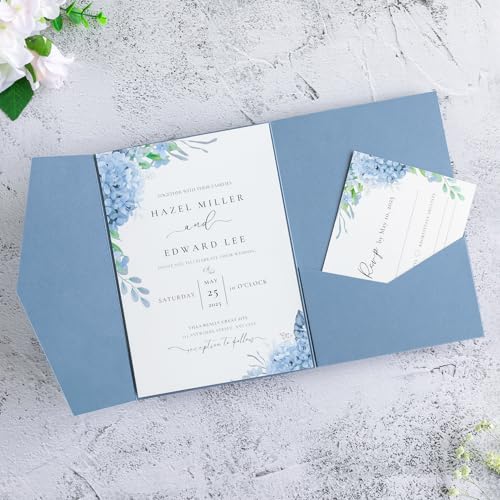
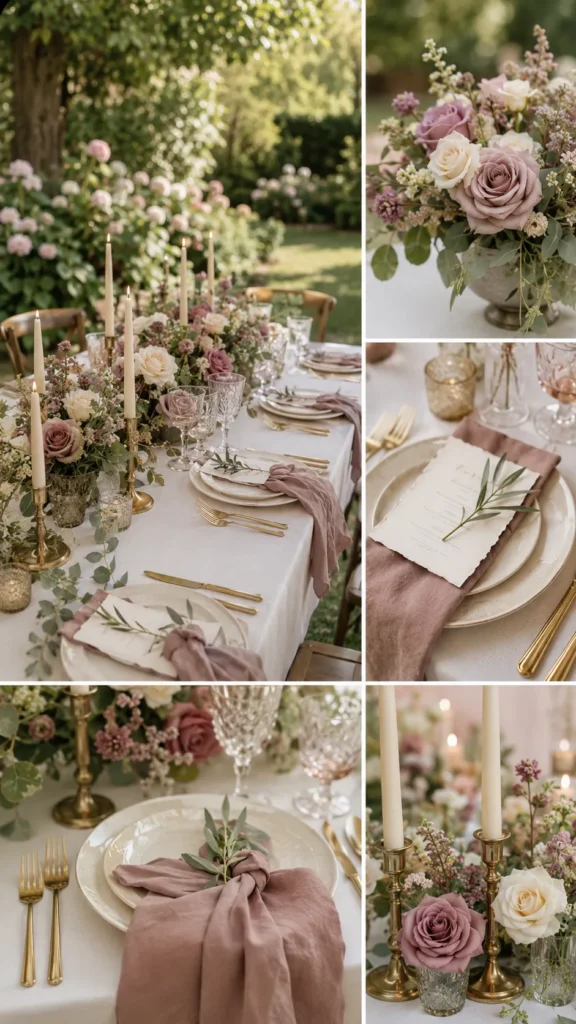
Wedding Color Schemes For Soft Romantic Tables
Soft wedding color schemes are popular for a reason. They flatter flowers, linens, candles, dresses, and photos without fighting for attention. However, soft does not mean weak. A romantic palette still needs contrast, or the whole table can melt into one beige puddle.
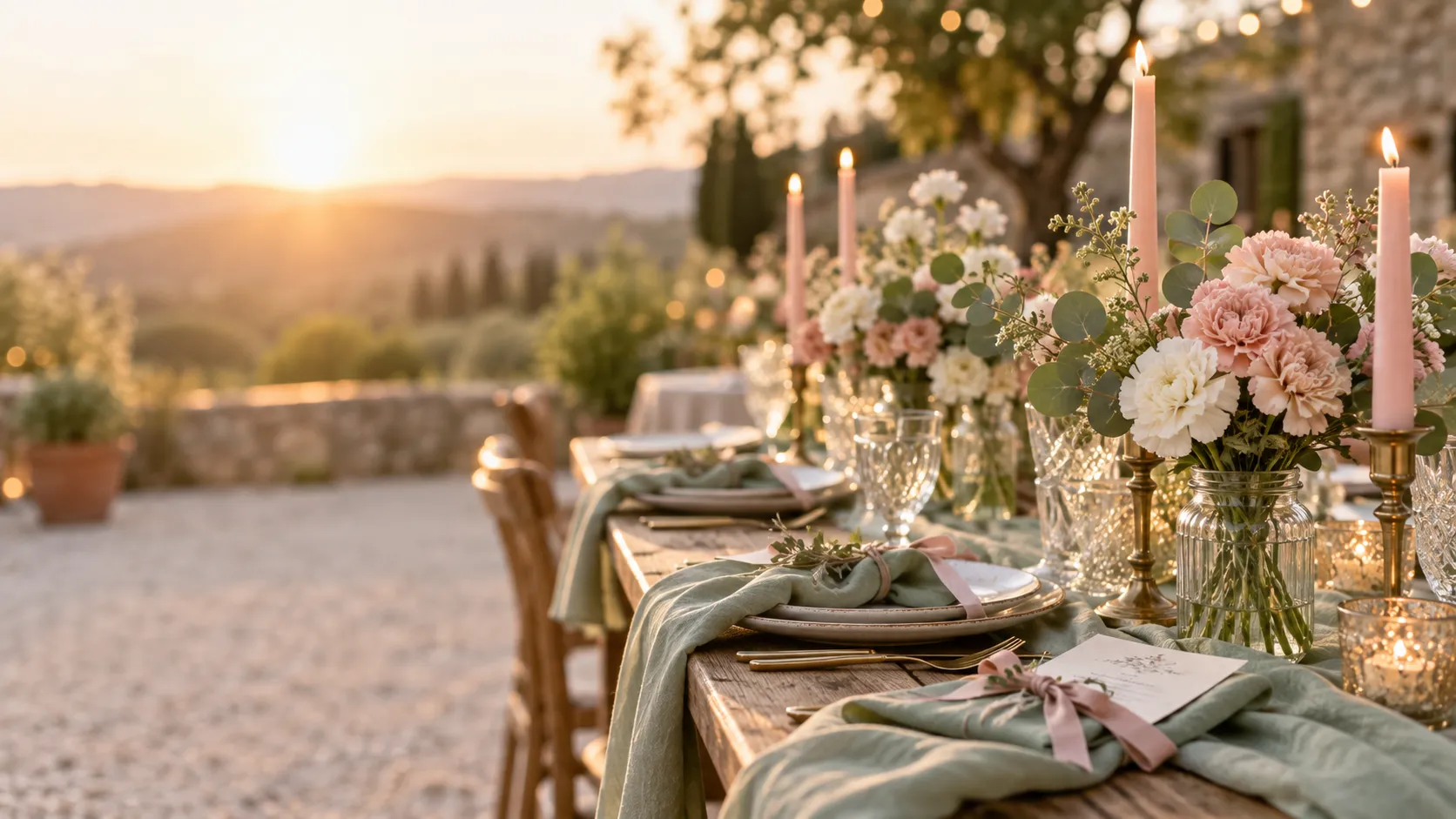
I like gentle colors that have a little dustiness to them. Dusty rose, mauve, dove gray, warm ivory, cream, champagne, and sage green all look calm without looking sleepy. They also play nicely with budget decor because they don’t demand rare flowers or specialty linens.
For soft tables that still look finished, try these combinations:
- Dusty rose, cream, sage green, and champagne
- Mauve, dove gray, ivory, and silver
- Blush pink, mushroom beige, white, and antique gold
- Lavender gray, soft blue, cream, and pewter
- Peach, oatmeal beige, ivory, and muted eucalyptus green
The trick is adding texture, not adding more colors. Linen-look napkins, ribbed glass votives, matte cardstock, and satin ribbon can carry the look. Therefore, even basic centerpieces look layered. Nobody has to know the “fancy” part came from smart repetition.
Here’s the twist I wish more people considered. Soft palettes often need one tiny dark note. A charcoal menu, plum ribbon, or bronze frame can stop the table from looking washed out. That one deeper detail gives the eye somewhere to rest.
Budget-wise, soft romantic colors also work well with in-season flowers. White carnations, pale roses, baby’s breath, mums, and eucalyptus can look lovely together. Still, the palette needs editing. Ten soft colors can still look messy. Four chosen shades look romantic, calm, and very clearly planned. That is the whole mood. No extra chaos required there.
Moody Wedding Color Schemes That Still Look Pretty
Moody weddings can go elegant or vampire mansion very quickly. I support drama, but I also support guests seeing their salad. The goal is rich and romantic, not “why is everyone afraid of the centerpiece?”
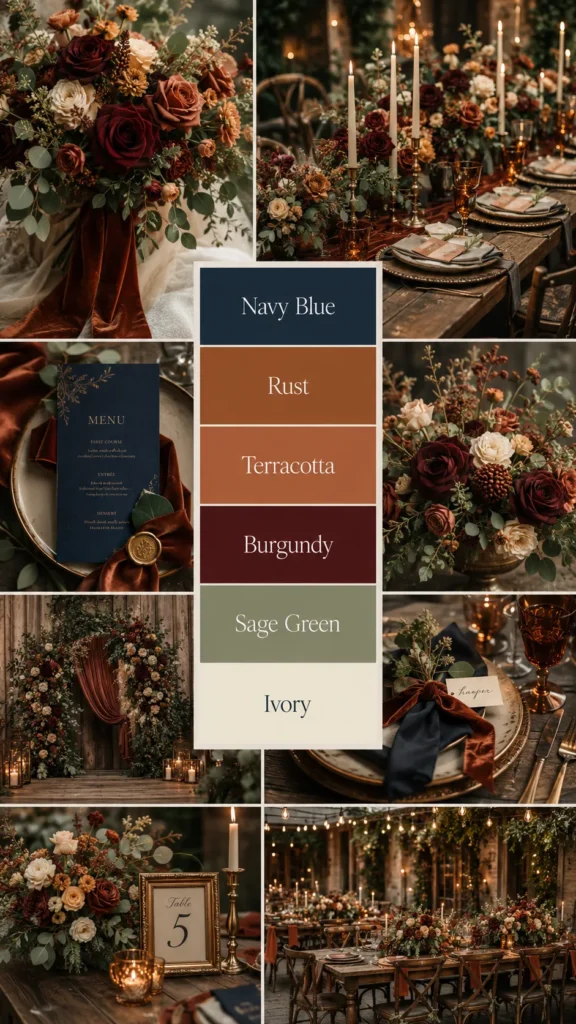
Moody wedding color schemes work best when dark shades meet something softer. Burgundy, plum, forest green, espresso brown, midnight blue, and charcoal need breathing room. Pair them with cream, taupe, champagne, dusty rose, or pale peach. That balance keeps the palette pretty instead of heavy.
I’ve found that dark colors look more expensive when they show up in controlled places. Use forest green napkins with cream plates. Try burgundy taper candles with ivory flowers. Add midnight blue menus to white linens. These moves create depth without turning every surface dark.
Here’s the budget-friendly part. Dark accents often stretch farther than dark flowers. Burgundy dahlias, black calla lilies, and deep purple orchids can cost real money. Meanwhile, dark paper goods, candles, ribbons, and thrifted frames can bring the same mood for less. That’s not settling. Really, that’s being clever with the parts people notice.
Another quiet win is choosing metal carefully. Antique gold warms burgundy and plum. Brass looks gorgeous with forest green. Pewter softens midnight blue. Silver can work, but it may make some moody palettes look colder. Nobody invited “corporate gala in February,” unless that’s the theme.
The common assumption says moody colors belong only in fall or winter. I disagree. A summer night wedding with cream linens, olive greenery, and deep berry accents can look stunning. The secret is keeping the base lighter, then letting the dark shades add just enough trouble. A little edge goes a long way.
Bright Wedding Color Schemes Without The Circus Energy
Bright wedding color schemes can be joyful, but they need manners. Otherwise, the reception starts looking like a preschool art closet with a sweetheart table. Fun colors deserve a plan, especially when money runs tight.
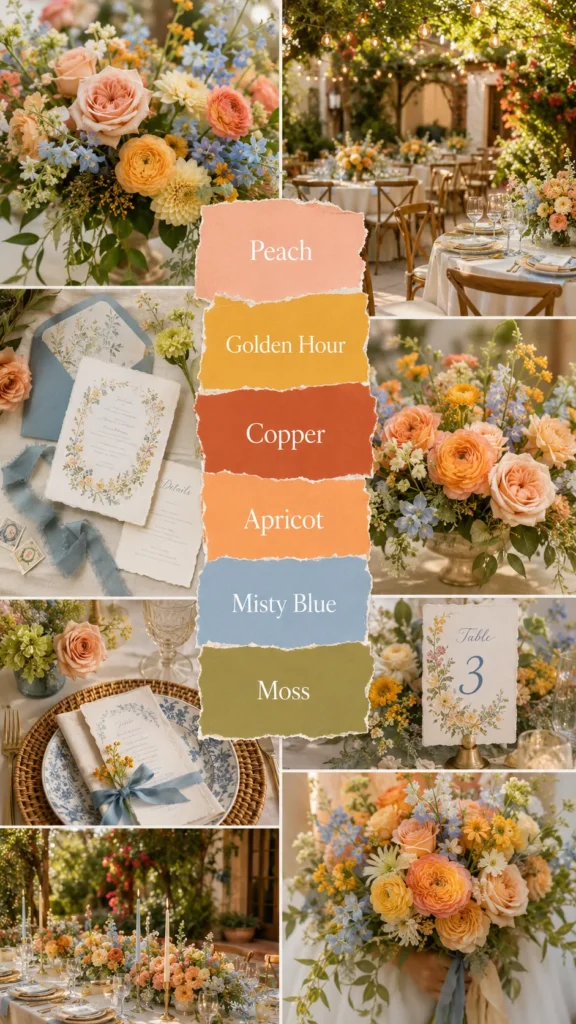
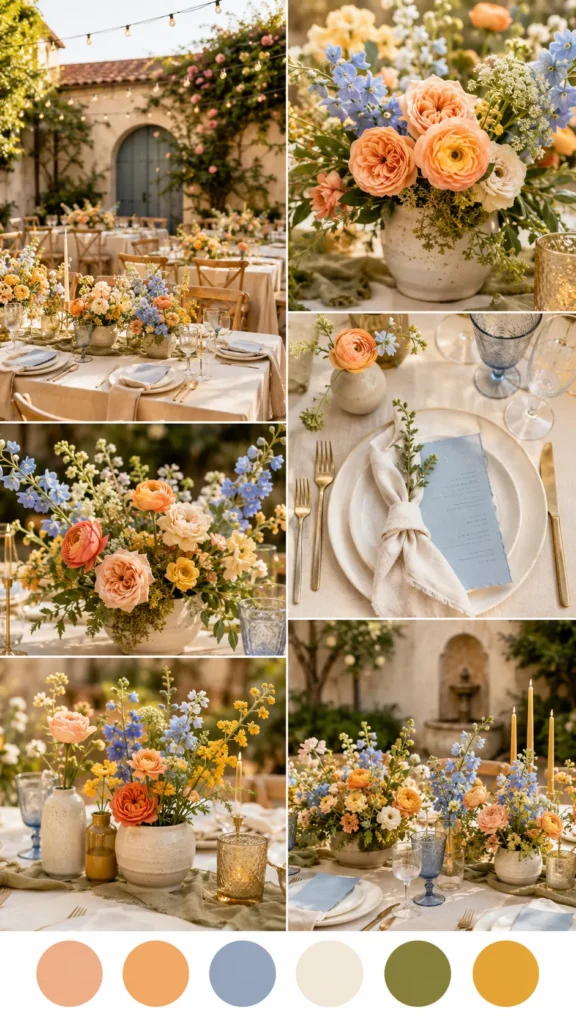
The easiest way to handle bright color is to choose one main pop. Then give it calmer friends. Coral looks happier with peach, ivory, and soft green. Hot pink behaves better with blush, white, and champagne. Cobalt blue shines with pale blue, cream, and warm wood. Yellow looks less loud with buttercream, sage, and tan.
Try these bright-but-grown pairings:
- Coral, peach, ivory, and eucalyptus green
- Hot pink, blush, white, and champagne
- Cobalt blue, pale blue, cream, and natural wood
- Marigold, buttercream, sage green, and warm tan
- Raspberry, soft pink, ivory, and brushed gold
However, bright colors get expensive when they require matching everything. Don’t chase exact coral across napkins, roses, signs, ribbons, and shoes. That road leads to shipping fees and mild rage. Instead, choose color families. Peachy coral, warm coral, and soft orange can live together beautifully.
This also makes DIY decor easier. Printed signs, painted thrift frames, candles, and grocery flowers don’t need perfect matches. They need the same mood. That’s a huge budget relief.
Here’s the surprising part. Bright palettes often look more stylish with more white space. White linens, white plates, clear glass, and simple greenery let the color pop. If every inch gets covered, the eye gets tired. A little restraint makes bright colors look fun, not frantic.
So, yes, bring the hot pink if you love it. Just don’t make every guest wrestle it visually from ceremony to cake.

Seasonal Colors That Don’t Trap You In Theme Jail
Seasonal wedding colors can get bossy fast. Fall suddenly wants pumpkins everywhere. Winter starts whispering about red velvet bows. Spring brings pastels by the armful. Summer walks in wearing coral and asking for a frozen drink. Cute, yes. Subtle? Not always.
I like seasonal color when it nods instead of shouts. For fall, terracotta, rust, olive, cream, and caramel look warm without turning the wedding into a harvest festival. Winter can use evergreen, ivory, champagne, and espresso brown without becoming Christmas morning. Spring looks fresh with lilac, butter yellow, soft blue, and white. Summer can sparkle with turquoise, coral, sand, and crisp white.
The reframe matters here. Seasonal does not mean themed. A season gives you a mood, not a costume. That’s why wedding color schemes should borrow from the season, then leave the props alone. Unless you want pumpkins, of course. I’m not the pumpkin police.
Budget-wise, seasonal palettes can help because stores already stock those colors. Fall ribbon, winter greenery, spring flowers, and summer linens can cost less when they’re easy to find. However, buying every seasonal decor item can blow the budget quickly. The aisle gets charming, then dangerous, very fast.
I’d rather pick two seasonal colors and pair them with one year-round neutral. Terracotta plus cream. Evergreen plus ivory. Lilac plus white. Coral plus sand. Then add one small accent like gold, copper, navy, or blush.
That tiny limit keeps the wedding from looking like a retail display. It also makes the photos age better. A seasonal wedding should remind people when it happened. It shouldn’t look sponsored by the holiday aisle. That is the line worth guarding with both hands.
Color FAQs That Save Money And Regret
Wedding colors sound simple until you start pricing napkins. Then everyone suddenly has questions. Good. Questions save money when they stop you from buying twelve shades of almost-blue.
- How many colors should a wedding palette have? I’d use three to five colors. Choose one base, one main color, one accent, and maybe two softer support shades. More than that can work, but it needs a very steady hand.
- What colors make a wedding look expensive? Often, ivory, champagne, black, navy, sage green, taupe, plum, and antique gold look polished. However, the expensive look comes from repetition, not price. Repeat the colors across paper, candles, linens, and flowers.
- Do bridesmaid dresses need to match the wedding color schemes? They don’t need perfect matching. In fact, close shades can look more natural. Try dusty rose, mauve, and blush together. Or use sage, olive, and eucalyptus green.
- What color should I avoid for a budget wedding? Avoid colors that require exact matching. Neon coral, certain purples, and unusual blues can be tricky. They can also look different across fabric, flowers, and printing.
- Can I use black in a wedding palette? Yes, and I love it in small doses. Black menus, frames, bows, taper candles, or napkins can look chic. Pair black with white, cream, champagne, blush, or greenery.
- What is the safest wedding color choice? Cream, sage green, dusty rose, champagne, and warm taupe rarely cause trouble. They work with many venues and flower types.
Here’s my little warning. Safe colors still need personality. Add one interesting accent, like plum, copper, slate blue, or terracotta. That small twist keeps the palette from looking copied and pasted from every wedding board alive.

The Cheap Detail That Makes Colors Look Chosen
The cheapest color detail might be paper. I know, paper sounds boring. Menus, place cards, table numbers, favor tags, programs, and signs do big work. They can make wedding color schemes look complete faster than many pricey decor upgrades.
Think about it. Guests see paper pieces up close. They hold menus. People read signs. Guests notice place cards, especially when finding their table without looking confused. So if your colors show up there, the whole event starts making sense.
A cream menu with sage green text can support garden colors. Dusty rose place cards can warm a neutral table. Navy table numbers can tie into blue bridesmaid dresses. Terracotta favor tags can connect simple flowers to fall decor. Small paper pieces work like breadcrumbs for the eye. They guide people through the palette without yelling.
This is where budget weddings can look very sharp. You can print simple designs at home, use affordable templates, or choose colored cardstock. Then repeat one font, one accent shade, and one small graphic. Suddenly, your signs don’t look random. They look like part of the plan.
The common assumption says centerpieces carry the color story. Sometimes, yes. But centerpieces can cost a lot, and guests don’t study them all night. Paper can spread color across the room for much less. That matters when every dollar has a job.
I also love ribbon for the same reason. Tie it around bouquets, menus, favors, or chair markers. Use satin, velvet, or gauze in one chosen shade. A little ribbon can make borrowed decor look intentional, which is basically the budget wedding dream. Tiny details can be loud in the best way.
The Color Moment I’d Happily Overthink Again
I tend to overthink color because color changes everything quietly. It can make a plain room look thoughtful. Even simple flowers can look chosen. Also, it can save you from buying three more bins of decor you never needed. That last part deserves its own standing ovation.
Wedding color schemes are not about being trendy enough, fancy enough, or perfectly matched enough. They’re about making your choices look like they belong together. I love that because it gives budget weddings more room to breathe. You can use cheaper flowers, basic linens, thrifted frames, and simple candles. Then the right palette pulls them into the same conversation.
As a mom in Orlando, I’ve learned to respect anything that lowers chaos before an event. Color can do that when it has a plan. It gives you a filter for every “should I buy this?” moment. If it doesn’t match the palette, it can stay in the store and mind its business.
Pinterest will always offer more ideas than one wedding can hold. That’s both delightful and dangerous. So, I’d save the pretty inspiration, then look for the common colors repeating across the pins. Those repeats usually reveal what you really like.
In the end, a beautiful wedding palette doesn’t need to impress every stranger online. It needs to help your day look warm, joyful, and pulled together. Pick the colors that make the room exhale, then let the rest of the noise leave quietly.