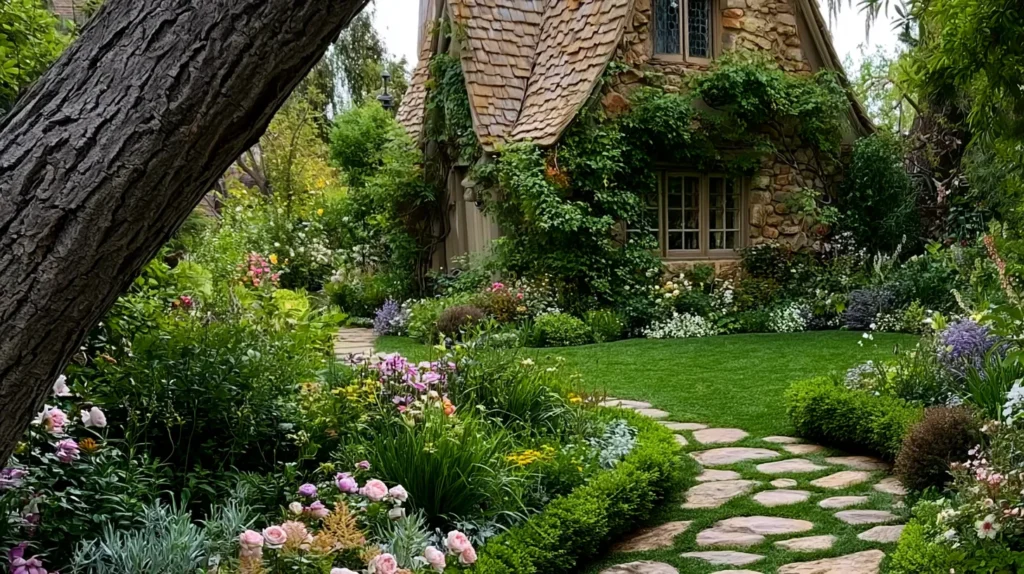
I’m convinced a cottage garden can make a yard look expensive while staying nosy about the budget. It has charm, layers, flowers, herbs, and that slightly romantic “maybe a novelist lives here” mood. Yet it can start with seeds, cuttings, old pots, and one stubborn little path.
I tend to notice that polished gardens can make people tense. Everything looks measured, trimmed, and ready for judgment. Meanwhile, a cottage style garden gets to be fuller, softer, and more forgiving. That matters when the goal is pretty, not precious.
Better yet, this is good news for a budget-friendly site, because perfection is pricey and exhausting. A whimsical garden lets you mix what you have with what you can slowly add. The trick is making it look gathered, not random. Nobody wants “forgotten clearance shelf” when they were aiming for charming.
Living in Orlando makes me think harder about garden charm that can handle heat, rain, and reality. I want cozy, pretty, and doable, not a fragile flower fantasy that faints by Tuesday. So, this is about building a cottage garden aesthetic with thrift, patience, and a little nerve. Some ideas will look tiny at first, but that is where the payoff gets sneaky.
Because the best part is not the first bloom. It is the moment the whole space starts looking like it has a secret. That little shift is why I think this style works so well for real homes.
Some of the links on this page are affiliate links, which means I may earn a small commission if you purchase through them. It never costs you extra. You can always peek at my full disclosure if you’d like the details.
Why A Cottage Garden Works So Hard On A Small Budget
A cottage garden has one big advantage over sleek, modern landscaping. It does not need everything to match. In fact, matching too hard can drain the charm right out of it. That is excellent news for anyone shopping with a cart and a conscience.
This matters when you are decorating a yard with real-life money. New planters, fresh edging, fancy arbors, and mature plants can get wild fast. Suddenly, your “little garden refresh” costs like a small appliance. Rude.
However, cottage style rewards the things budget gardeners already use. Seed packets, divided perennials, thrifted pots, old bricks, and hand-me-down tools all fit the mood. The style looks collected because it should look collected. It almost gives your leftovers a design degree.
I’ve found that fullness can fake luxury better than almost anything. Bare beds show every shortcut. Layered beds soften them. That cracked pot looks charming beside lavender. Even the uneven brick border looks intentional under spilling flowers.
Better yet, the sneaky reframe is simple. A cottage garden is not cheaper because it is plain. It is cheaper because its beauty comes from layers, repetition, and texture. Those can grow slowly, which keeps the spending from getting dramatic. Even better, they look richer as they fill in.
Also, the garden does not have to look finished in one weekend. That is a relief, because weekend warrior energy has limits. You can start with one bed, one path, or one container group. Then the look builds without demanding one giant makeover.
A cottage garden aesthetic gives you breathing room. It lets the yard evolve without looking half-done. That is rare, delightful, and very friendly to a wallet with boundaries. Slow charm still counts as charm.
Start With The Cottage Garden Shape Before You Shop
Before buying plants, I’d look at the shape of the space. I know. That sounds less exciting than flowers with ruffled edges. Still, the shape decides whether a cottage garden looks charming or chaotic.
A small yard needs this even more. Without structure, every cute idea starts talking at once. Then the garden feels busy, and not in that dreamy English country gardens way. The bones matter before the blooms get loud.
Start by choosing where the eye should go. Maybe it follows a curved bed. Perhaps it lands on a bench, birdbath, trellis, or pot cluster. One simple focal point can make cheap pieces look styled. That is the little trick nobody brags about enough.
Try these budget-friendly shape moves before shopping:
- Curve a bed edge with a hose before digging.
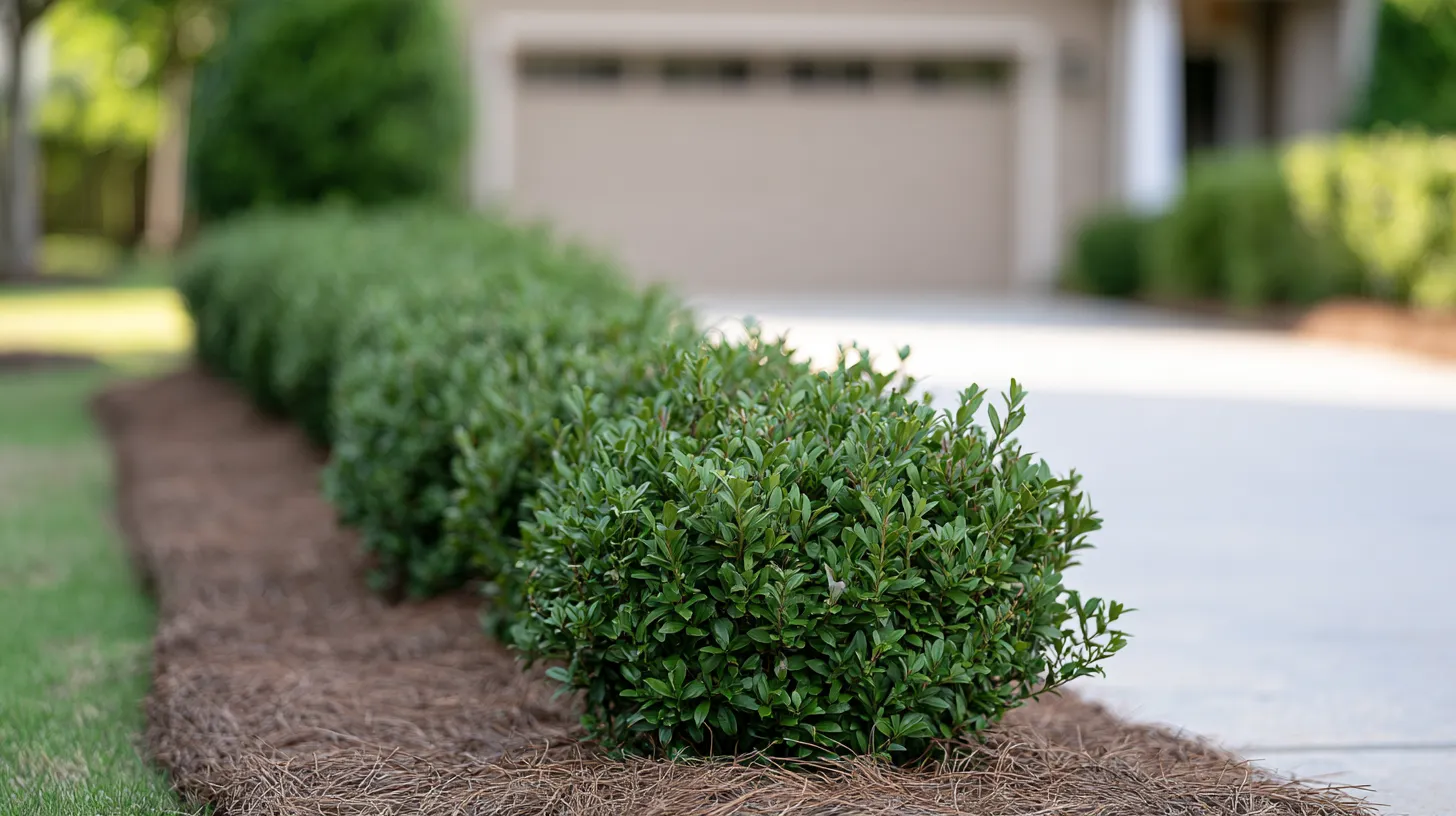
- Spread mulch to make bare spots look finished.
- Repeat one edging material across the space.
- Place taller plants in the back or center.
- Add one focal point, not seven.
- Keep paths simple with gravel, bark, or stepping stones.
- Leave room near gates, hoses, and doors.
The surprising part is that empty space helps. Every inch does not need flowers. A little breathing room makes the full spots look fuller and more intentional. It also keeps the garden from looking like it ate the walkway.
Also, curves can soften tight spaces. A straight strip can become a small English garden with one curved edge and repeated plants. That little bend tells the eye to keep moving. It gives the space a tiny sense of adventure.
So, let the layout boss the shopping list. Future you will avoid buying six plants that solve nothing. And yes, that is a very specific kind of garden heartbreak.
Build A Whimsical Fairycore Garden Without Going Full Storybook
A whimsical garden can turn strange fast. One minute, it looks sweet. Next minute, mushroom stools, tiny doors, sparkle stones, and three owls are judging the mulch. I support joy, but I also support restraint.
The best fairycore garden ideas whisper instead of shout. They do not need a full miniature village. Softness, hidden corners, layered plants, and one tiny surprise do enough. That surprise works best when people notice it late.
A cottage garden already gives you the right bones for that look. Flowers spill. Herbs blur edges. Paths curve. Pots age. The whole space can seem slightly enchanted without buying every fairy item online.
However, the trick is balance. Real plants should carry the scene. Small decor can play backup. When decorations take over, the garden starts looking themed instead of charming. That is a hard line, but a helpful one.
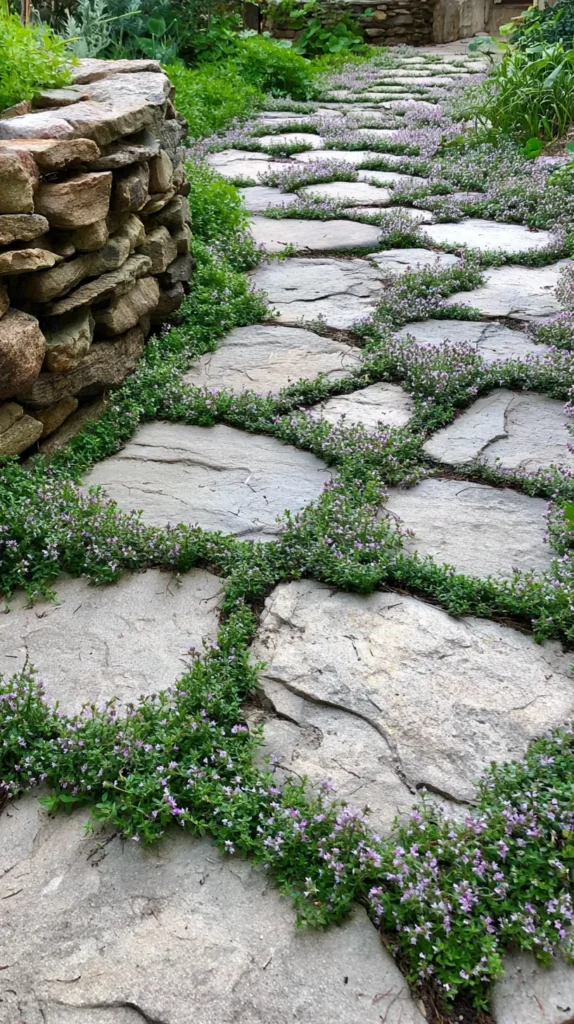
I’d use texture first. Creeping thyme, alyssum, ferns, mossy pots, and trailing flowers create softness. Then one lantern, mirror, or teacup planter seems discovered. That delayed little detail is what makes people lean closer.
Here is my tiny opinion, served with a wink. Fairycore works best when adults would still want to sit there. If it only delights a six-year-old, edit one piece out. Maybe two, if the tiny mushrooms formed a committee.
A cottage garden aesthetic can hold whimsy beautifully because it is already relaxed. Still, every relaxed space needs a backbone. Repeat colors, repeat materials, and keep the decor small. Charm should unfold, not announce itself with a tiny trumpet.
The goal is not “I bought fairy decor.” Better aim for, “this corner feels hidden and lovely.” That difference saves money and taste. A rare little two-for-one.
Cottage Garden Plants That Stretch Your Budget
Plants can eat a garden budget faster than anyone expects. One pretty bloom catches your eye, and suddenly the cart looks guilty. That is why a cottage garden needs hardworking plants, not just beautiful ones.
The best choices do more than bloom once. They reseed, spread gently, divide easily, attract pollinators, or fill gaps fast. That way, one purchase can turn into more garden later. I love that kind of quiet multiplication.
For a cottage style garden, I’d look for loose shapes and soft movement. Stiff plants can work, but too many make the bed look formal. Cottage charm wants a little sway. It should not look like the plants attended a corporate retreat.
Budget-friendly plants to consider include:
- Zinnias for bright color and easy seeds.
- Cosmos for airy height and long blooms.
- Marigolds for cheerful edges.
- Salvia for pollinators and repeat color.
- Lavender for scent and structure.
- Rosemary for evergreen texture.
- Yarrow for toughness and flat blooms.
- Coneflowers for summer color.
- Catmint for soft borders.
- Nasturtiums for trailing pots.
- Sweet alyssum for frothy edges.
- Hollyhocks where height makes sense.
Of course, choose plants that suit your climate and sun. A French cottage garden may look dreamy online, but your yard gets the vote. Plants that hate your conditions become expensive compost with leaves. Nobody needs that plot twist.
Seeds are the budget hero here. They can fill a cottage garden quickly while slower perennials grow. Also, plant swaps can help you get established plants without paying nursery prices. Those shared clumps can become the start of a whole bed.
Here is the reframe I love. Annuals are not “less than” perennials. They are fast color while the rest of the garden matures. Sometimes, the temporary things create the best first impression.
How To Get An English Garden Aesthetic Without A Manor
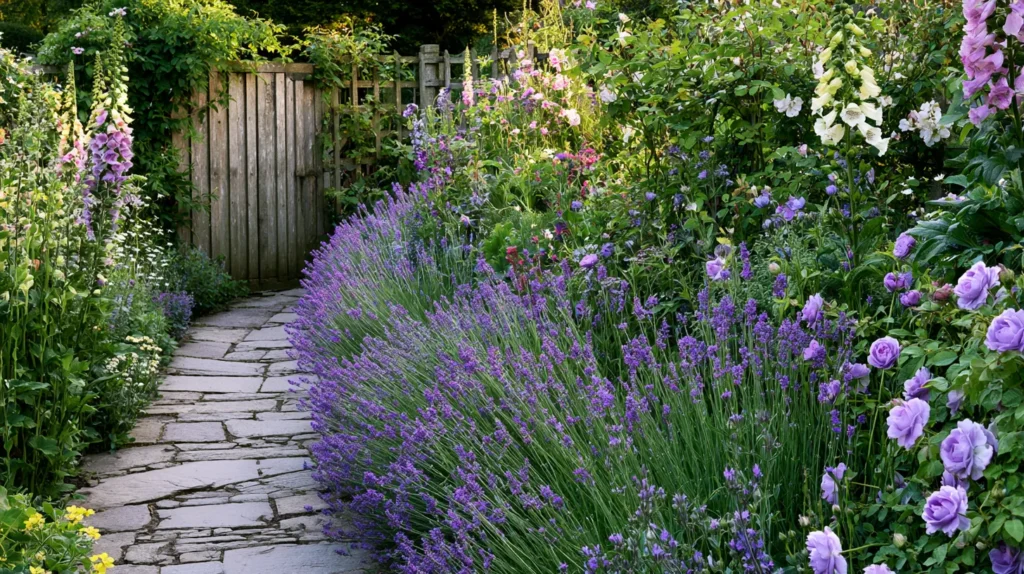
The English garden aesthetic often looks inherited, which is both rude and gorgeous. Stone walls, climbing roses, weathered paths, and deep borders create that “Oh, this old thing?” energy. Meanwhile, the rest of us are pricing mulch and pretending not to gasp.
Thankfully, you can borrow the mood without needing a manor. Start with softness. That is the part people skip when they chase the look with expensive pieces first. A cottage garden needs movement before it needs a fancy arch.
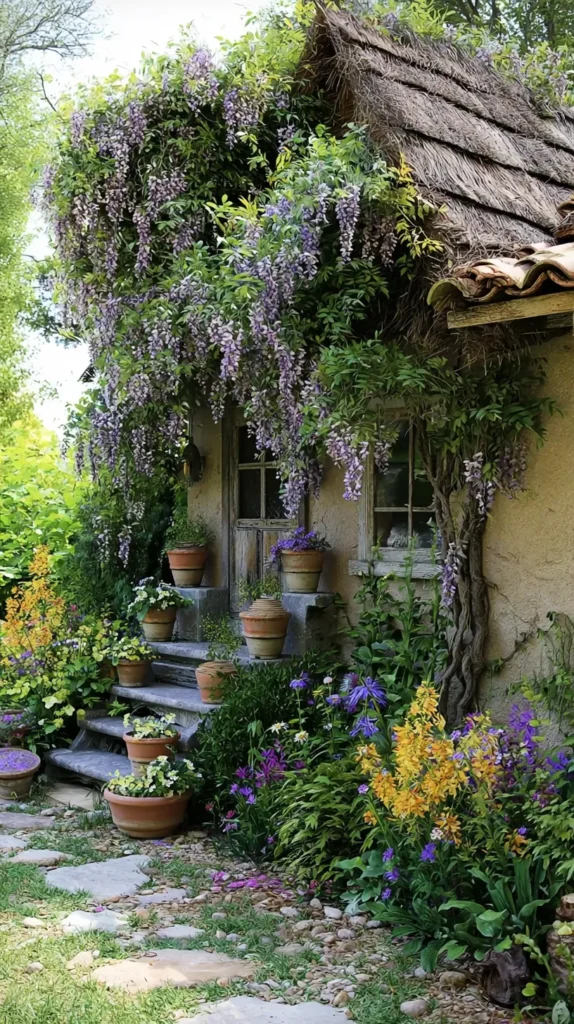
Let flowers lean over borders. Allow herbs to brush a walkway. Add a climbing plant to soften a fence. Cottage romance comes from blurred edges, not perfect rows. That little messiness is doing more work than it admits.
Texture does the quiet work. Fine leaves, round leaves, tall stems, and low mounds keep the bed interesting. Then the garden still looks good when certain flowers stop blooming. This is important, because blooms have schedules and attitudes.
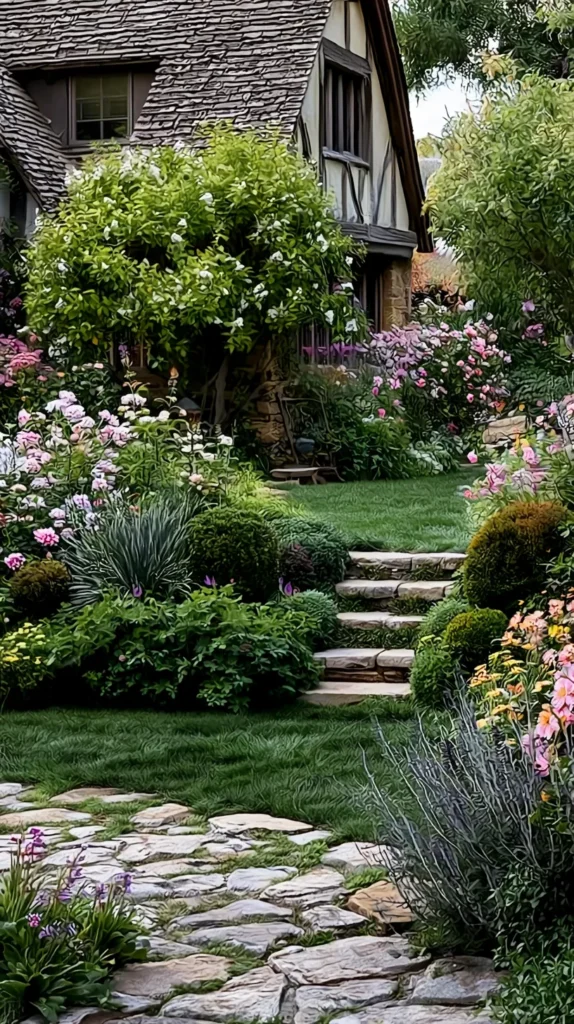
Old materials help, too. Weathered brick, chipped terracotta, reclaimed stone, and aged wood look right at home. New shiny pieces can work, but they need plants around them fast. Otherwise, they look like they just walked into the wrong party.
I tend to notice that English country gardens look best when they seem gathered over time. That is excellent news if you shop thrift stores, yard sales, and marketplace listings. Budget finds can look more convincing than brand-new sets.
Still, abundance needs restraint. Use plenty of plants, but connect the colors. Choose old materials, then repeat them. A cottage garden does not need a perfect pedigree. It needs rhythm, softness, and one good anchor. That anchor keeps the romance from turning into clutter.
Give French Cottage Style Cozy Charm For Less
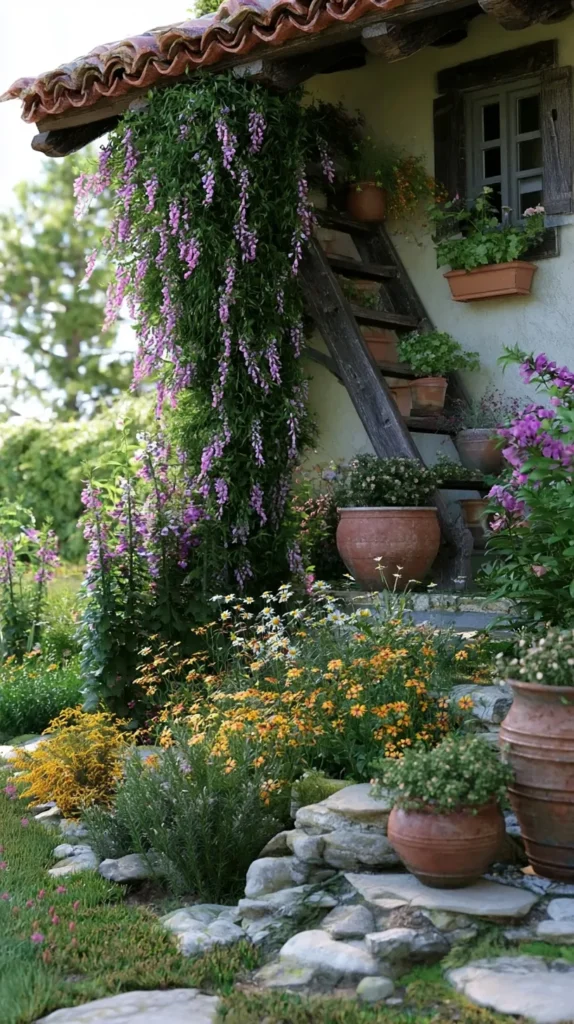
A French cottage garden has a slightly different mood. It feels rustic, useful, sun-washed, and relaxed. Think herbs, gravel, terracotta, climbing plants, and one table that begs for lemonade. The whole look feels casual, but not careless.
Better yet, this style likes wear. Polished pieces can look too stiff. A little age makes the garden feel lived-in, which helps a budget stretch further. Chipped terracotta is basically doing community service here.
Herbs are a smart place to start. Rosemary, thyme, basil, oregano, mint in pots, and lavender add scent and texture. They also make a cozy garden feel useful, not just pretty. That is important when every pot needs to earn its keep.
Try these low-cost French cottage touches:
- Use gravel for a path or sitting area.
- Group terracotta pots near a door.
- Add lavender, rosemary, or thyme along edges.
- Train a climber on a simple trellis.
- Use a small bistro table if space allows.
- Choose cream, blush, sage, and dusty purple.
- Add one rustic basket for tools.
- Mix edible plants with flowers.
Now, I have one tiny disagreement with the internet. A French cottage garden does not need to be beige. Soft colors are lovely, but warmth keeps the space alive. Apricot, coral, red, or deep pink can bring just enough spark.
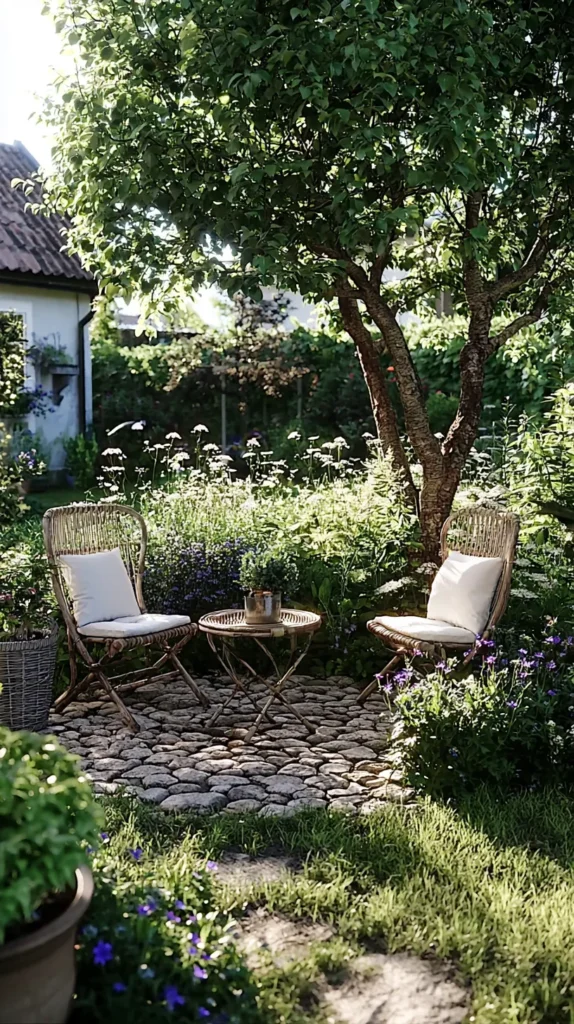
Also, think about where you would sit. A garden should invite a person in, not just pose from the sidewalk. Even a small chair can change the mood. Add a cup spot, and suddenly the garden has manners.
A cottage garden becomes more charming when it offers a reason to linger. Add scent, shade, seating, or a path. Then the garden stops being scenery and starts becoming a place.
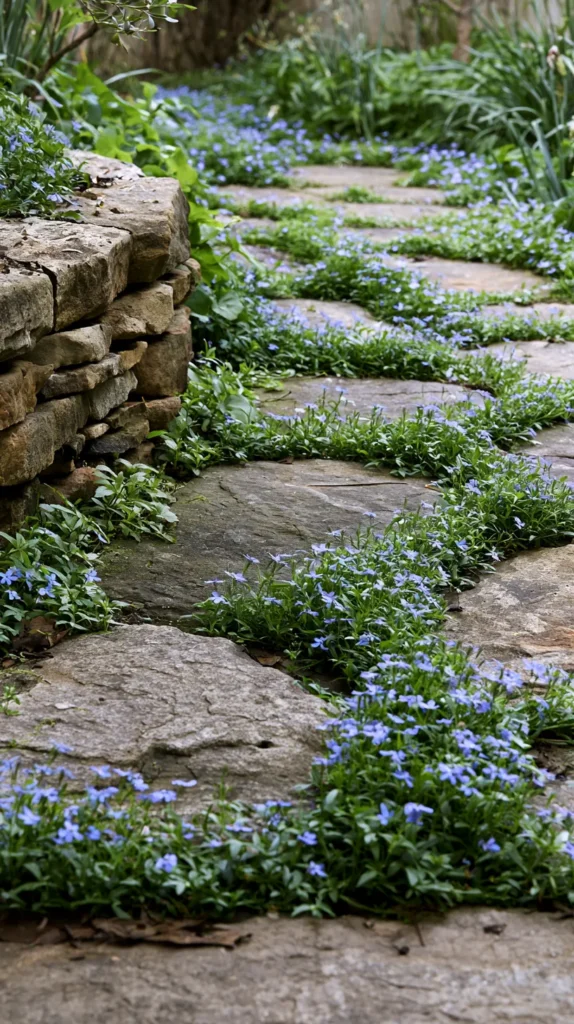
Small Cottage Garden Ideas That Make Tiny Spaces Feel Big
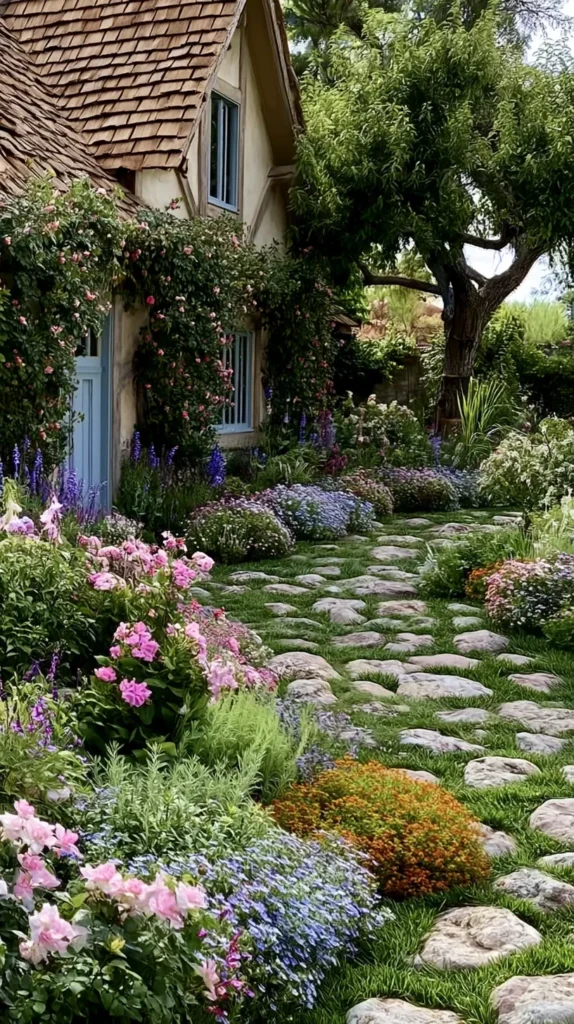
A small cottage garden can carry a surprising amount of drama. Tiny spaces do not need timid choices. In fact, a small space often looks better with one bold move and fewer little distractions. That is a relief for tight yards and smaller budgets.
The common mistake is buying one of everything. I understand the temptation. The plant aisle has range, and self-control can leave the chat. Still, repeated plants make a small garden look larger and calmer.
Layer the space from tall to low. Use climbers, taller flowers, or slim shrubs for height. Then fill the middle with blooming plants. Finally, soften the edges with low spillers. That simple stack creates fullness without adding chaos.
These small-space ideas help the mood feel bigger:
- Grow climbers instead of widening beds.
- Repeat two or three flower colors.
- Use containers where beds do not fit.
- Choose compact plants with long bloom times.
- Add one narrow path for movement.
- Use one bench or chair as a focal point.
- Tuck herbs near sunny edges.
- Keep tiny decor pieces limited.
A small English garden also benefits from vertical charm. One trellis can make a plain fence feel intentional. Tall flowers can pull the eye up. That makes the whole area seem deeper. Sneaky? Yes. Useful? Also yes.
However, edit hard. A fairycore garden corner can be adorable, but too many mini pieces shrink the space. Let the plants do most of the talking. Decor should feel like a wink, not a speech.
Here is the budget blessing. Smaller gardens need less stuff. So, spend carefully on pieces that work hard. One strong container, one climbing plant, or one curved edge can change everything. A cottage garden in a small yard should feel cozy, not crowded.
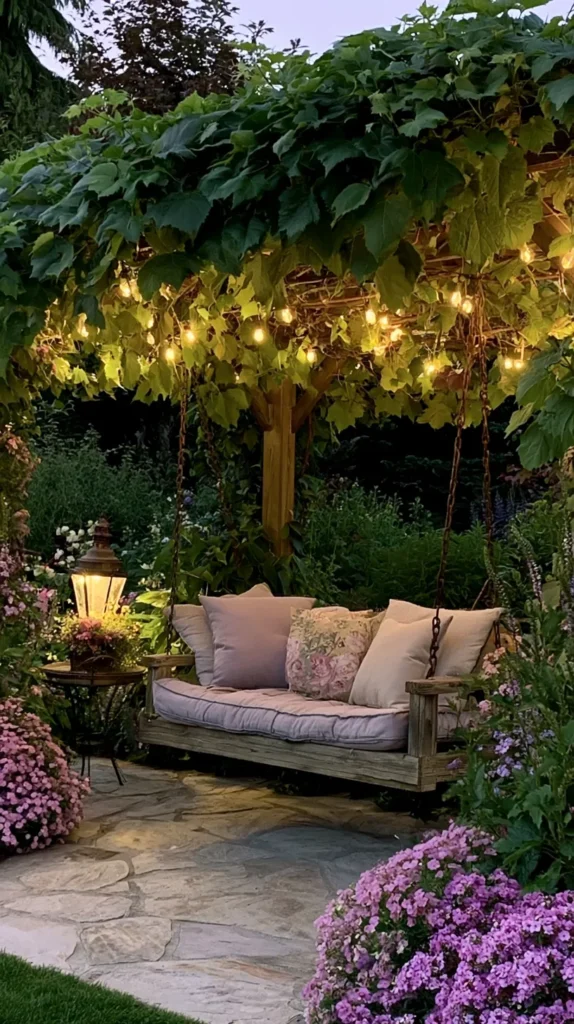
Cozy Garden FAQs For Cottage Style Charm
What makes this style different from a regular flower garden? A cottage garden feels layered, relaxed, and gathered over time. A regular flower garden can follow any style. However, cottage style usually mixes flowers, herbs, paths, texture, and soft edges.
Can I create this look on a small budget? Yes, and that is one reason I love it. Seeds, plant swaps, divided perennials, thrifted pots, and reused materials fit the look. You do not need fancy hardscaping first. Start where you can, then let the garden grow into itself.
What colors work best for this aesthetic? Soft colors work well, especially cream, blush, lavender, sage, blue, and dusty pink. However, cheerful colors can work too. Zinnias, marigolds, and coral blooms add energy without ruining the mood.
How do I make a small space look full? Use layers instead of lots of random plants. Add tall plants, medium flowers, and low spillers. Then repeat colors or textures so the space looks planned. Full does not have to mean stuffed.
Is this kind of garden high maintenance? It can be, but it does not need to be fussy. Choose tough plants for your climate. Also, mulch helps with weeds, moisture, and that finished look everyone wants. Smart plant choices beat constant fussing.
What is the easiest way to start? Start with one bed, one path edge, or one container group. A tiny beginning still counts. Better yet, it helps you learn what works before you spend more. That is how a cottage garden stays charming and affordable. Small starts also make mistakes cheaper, which I deeply respect. That matters when every plant has to earn its spot.
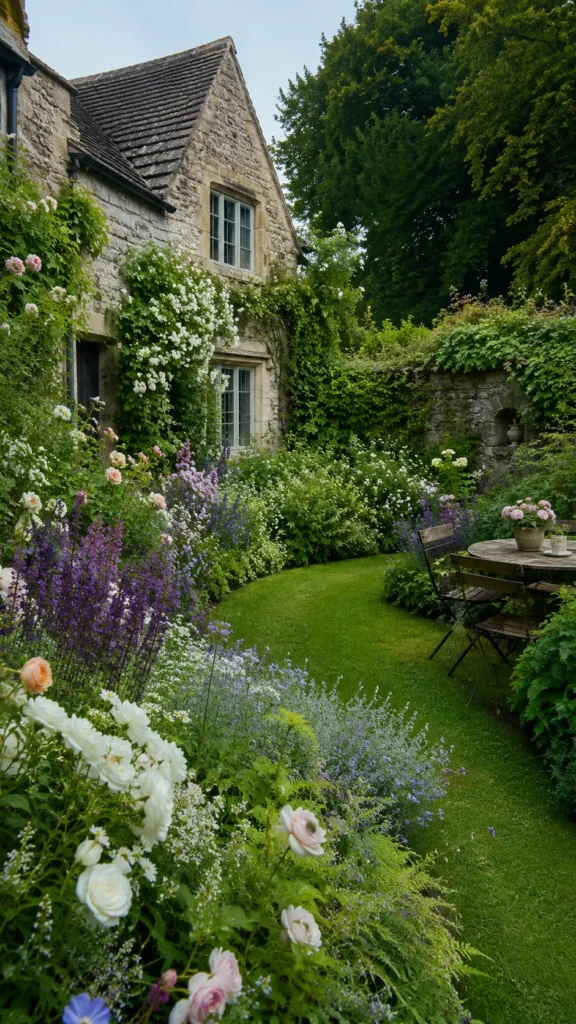
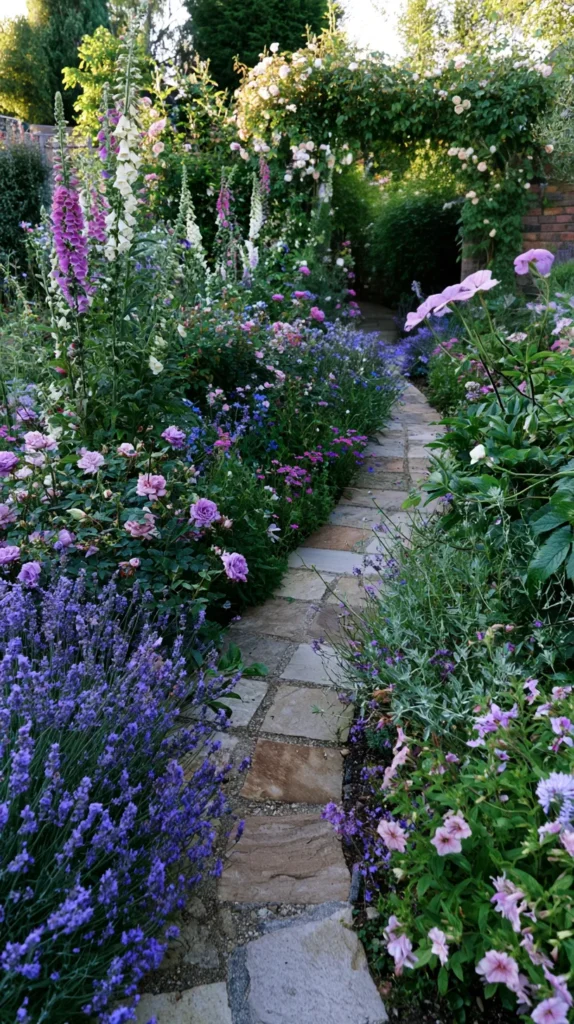
The Garden That Looks Like It Knows A Secret
I think the sweetest gardens have a little mystery. Not spooky mystery. More like, “What’s around that bend?” Maybe, “Why does that corner look so good?” That is where a cottage garden earns its charm.
It is not just flowers. The space slowly reveals itself. A pot near the steps leads to a path. Then the path leads to herbs, blooms, and maybe a chair tucked nearby. That small journey makes the yard feel bigger than it is.
I’ve found that budget-friendly gardens work best when they invite small upgrades. You do not need the whole yard finished by Friday. Add one layer, then another. Let the garden become interesting over time. The waiting can be part of the look.
Living in Orlando keeps me practical about this. The sun, rain, and heat will humble any pretty plan fast. So, I love garden ideas that can bend, adapt, and still look charming. Pretty is better when it has stamina.
A cottage garden also photographs beautifully, which matters in the Pinterest world. More than that, it gives a home a softer edge. It makes a yard look cared for without looking too polished.
That is the whole wink. You can build romance from seed packets, chipped pots, mulch, and patience. A tiny space can become a story. That plain fence can become a backdrop. Even a tired corner can get a second act.
The best cottage garden does not need to look rich. It needs texture, repetition, and one good reason to wander closer. That’s the secret: charm is cheaper when you know where to put it.