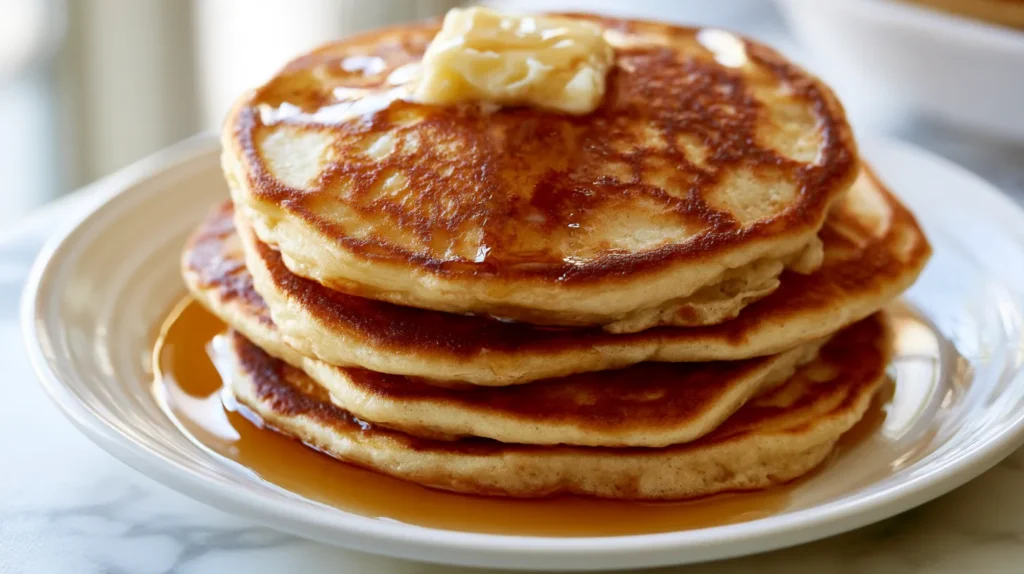
I’ve found that homemade pancakes hit that funny breakfast spot between cozy and suspiciously easy. They look like something that should require a mix, a griddle, and possibly emotional support. Then you realize the main ingredients are flour, milk, eggs, and baking powder. Suddenly, the boxed mix starts looking a little bossy.
That’s why I love this recipe for a budget-friendly site. Pancakes stretch pantry staples into a meal that looks cheerful, filling, and planned. As a mom, I notice which meals feed people without making the grocery budget twitch. Pancakes do that with very little drama. They also make mornings look more put together than they probably are. I also love that they can look special without extra shopping.
However, pancakes can also turn weird in tiny ways. The outside browns too fast. Meanwhile, the middle stays gummy. Batter looks harmless, then cooks into a spongey little problem. We’re fixing that, because breakfast should not require courtroom evidence. A few small moves make the whole batch calmer.
This post covers the whole pancake situation. You’ll get the recipe, U.S. measurements, steps, tips, add-ins, serving ideas, freezer notes, and FAQs. I’m keeping it practical, but not boring. Nobody needs a pancake lecture before coffee.
Better yet, this is the kind of recipe that can work on sleepy weekdays too. You can cook once, freeze extras, and thank yourself later. The real win comes from one simple habit most people skip. Once you know it, pancakes get much easier.
Some of the links on this page are affiliate links, which means I may earn a small commission if you purchase through them. It never costs you extra. You can always peek at my full disclosure if you’d like the details.
Why Homemade Pancakes Make Budget Breakfast Easier
Homemade pancakes make budget breakfast easier because they turn basic staples into something that looks like a treat. That matters when the grocery bill keeps acting like it studied drama. Flour, milk, eggs, sugar, and baking powder can do a lot of work for very little money.
I tend to notice which meals look generous without costing much. Pancakes land high on that list. They stack beautifully, freeze well, and feed more people than a box of cereal. Cereal disappears like it owes somebody money.
However, the biggest budget win comes from control. You choose the size, sweetness, toppings, and add-ins. A batch can go plain, fruity, cinnamon-heavy, or chocolate-chip happy. That flexibility helps when the fridge looks random.
A common assumption says homemade means more expensive. Not here. Pancake mix mostly sells measured dry ingredients in a confident box. From scratch gives you the same comfort with more room to adjust. It also keeps extra packaging out of the cart.
Also, homemade pancakes help use small leftovers. A soft banana can become topping. Berries can go straight into the pan. Even a splash of buttermilk can replace part of the milk. Suddenly, odd bits become breakfast instead of fridge guilt. That kind of use-it-up cooking saves more than people notice.
That’s the sneaky part. Pancakes look weekend-fun, but they fit smart budget cooking. They also work for dinner, which I fully support. Breakfast-for-dinner has saved many nights from becoming “everyone stare into the fridge” night. Add fruit, and the plate looks intentional. With eggs, dinner suddenly has a plan.
So yes, pancakes are cozy. Still, they’re also practical, cheap, and oddly dependable. That combination deserves a tiny crown.
The Pantry Ingredients This Recipe Needs
The best homemade pancakes start with basic ingredients, not specialty items. I like recipes that don’t send me hunting through three stores. This one keeps things simple, which is exactly the point.
For one batch, gather these ingredients. Nothing here requires a specialty store:
- 2 cups all-purpose flour
- 2 tablespoons granulated sugar
- 1 tablespoon baking powder
- 1/2 teaspoon salt
- 2 large eggs
- 1 3/4 cups milk
- 1/4 cup melted butter, slightly cooled
- 2 teaspoons vanilla extract
- Butter or oil for the skillet
One batch makes about 12 medium pancakes. Of course, pancake size changes everything. Small pancakes make more servings. Huge pancakes make fewer servings and bigger breakfast opinions.
Each ingredient has a simple job. Flour gives structure. Baking powder gives lift. Sugar adds light sweetness and browning. Salt keeps the flavor from tasting flat. Eggs help the batter hold together.
Milk loosens the batter and keeps the texture tender. Butter adds richer flavor, while vanilla adds warmth. Nothing fancy happens here, but the mix works. That is the part I appreciate most before breakfast.
Now, let’s talk swaps, because budgets rarely care about perfect ingredient lists. Use whole milk, 2 percent milk, or buttermilk. If you use buttermilk, the pancakes may taste tangier and rise nicely.
You can use oil instead of butter in the batter. Use 3 tablespoons oil for 1/4 cup butter. Butter tastes better, though, and I will stand by that tiny opinion. If you use salted butter, reduce the salt slightly.
Measure flour gently for better pancakes. Spoon it into the cup, then level it. Packed flour makes thick batter and heavy pancakes. Nobody needs breakfast that eats like a doorstop.
How To Mix The Batter Without Fuss
Making homemade pancakes should stay simple, not turn into a science fair with syrup. The batter needs gentle mixing, steady heat, and a little patience. That’s it. The hard part is resisting the urge to fix things too much.
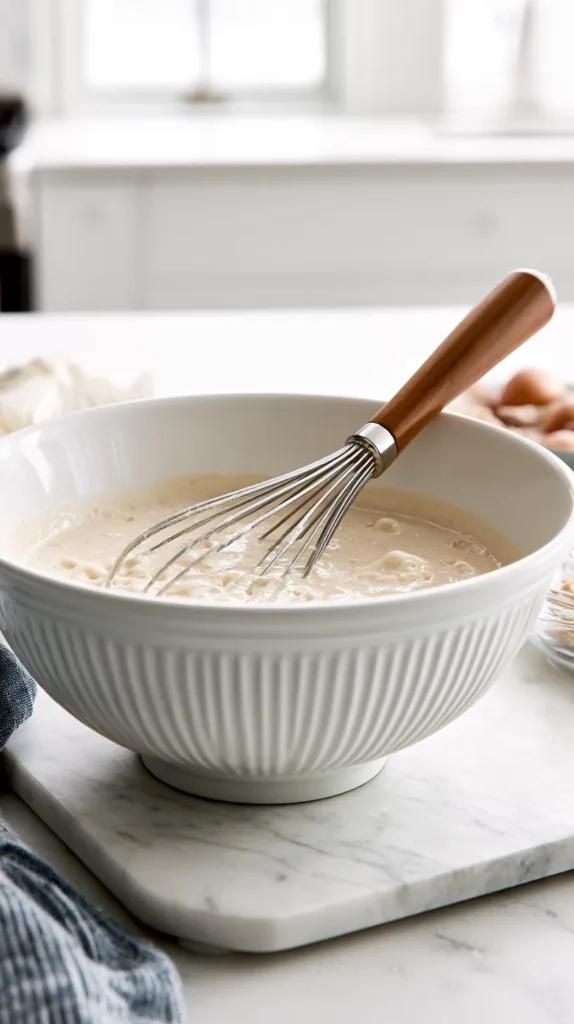
Start by whisking the dry ingredients in a large bowl. Use another bowl for the eggs, milk, melted butter, and vanilla. Then pour the wet mixture into the dry mixture. Stir until the batter comes together.
Here’s where people get bossy with the spoon. Smooth batter looks nice, but it often makes tough pancakes. Small lumps are fine. Overmixing wakes up too much gluten, and chewy pancakes are nobody’s breakfast dream.
After mixing, let the batter rest for 5 to 10 minutes. That tiny rest helps the flour absorb liquid. It also gives the baking powder time to start lifting the batter. This step looks boring, but it matters.
Meanwhile, heat a skillet over medium heat. Add a thin swipe of butter or oil. Too much grease makes uneven browning. Meanwhile, too little can make the pancakes stick and cause dramatic spatula scraping. Medium heat gives you the best chance at golden edges.
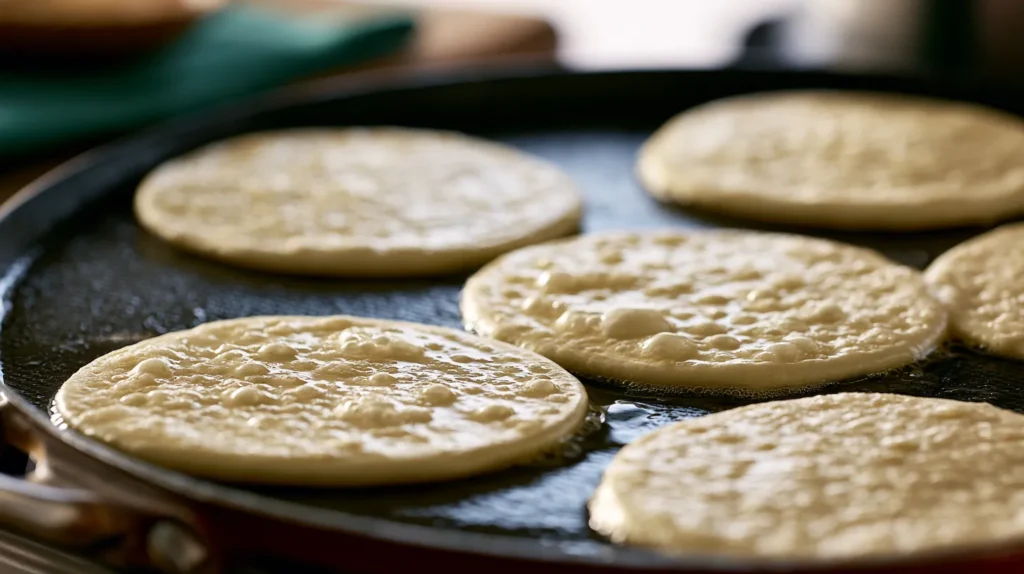
Pour 1/4 cup batter for each pancake. Cook until bubbles form on top and the edges look set. Then flip once and cook the second side until golden. If bubbles pop and leave tiny holes, you’re close.
That’s the whole rhythm. Wait, flip, finish. Pancakes do better with less meddling. Pressing them with a spatula removes softness, even though it seems useful.
I know. The spatula temptation is real. This method rewards restraint, which seems rude before coffee. Still, that restraint gives you softer centers.
The Full Recipe For Homemade Pancakes
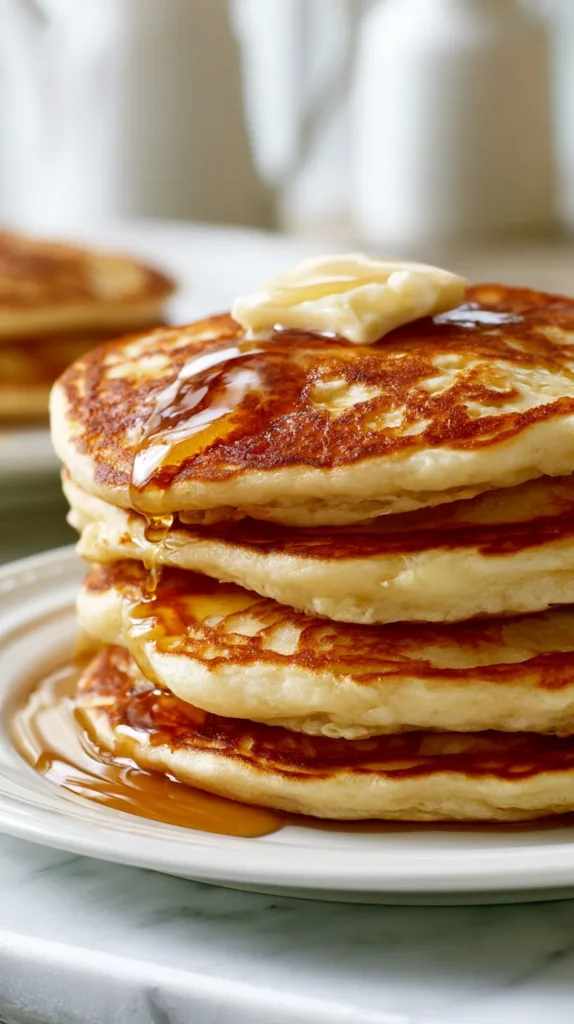
This full recipe for homemade pancakes gives you a dependable batch without weird extras. It’s simple enough for busy mornings and cozy enough for weekends. Also, it costs less than most breakfast runs, which helps.
For the batter, use the ingredients below. Then follow the simple steps after that:
- 2 cups all-purpose flour
- 2 tablespoons granulated sugar
- 1 tablespoon baking powder
- 1/2 teaspoon salt
- 2 large eggs
- 1 3/4 cups milk
- 1/4 cup melted butter, slightly cooled
- 2 teaspoons vanilla extract
- Butter or oil for cooking
Follow this process from bowl to plate. Keep the stirring gentle:
- Whisk flour, sugar, baking powder, and salt in a large bowl.
- Whisk eggs, milk, melted butter, and vanilla in another bowl.
- Pour the wet ingredients into the dry ingredients.
- Stir gently until combined, leaving small lumps.
- Rest the batter for 5 to 10 minutes.
- Heat a skillet or griddle over medium heat.
- Grease the pan lightly with butter or oil.
- Pour 1/4 cup batter for each pancake.
- Cook until bubbles appear and edges look set.
- Flip once, then cook until golden underneath.
- Move cooked pancakes to a plate or warm oven.
- Repeat with the remaining batter.
Keep cooked pancakes warm in a 200-degree oven. Place them on a baking sheet, not stacked too high. Stacking traps steam and can soften the edges.
The first pancake may look odd, and that’s normal. I call it the test pancake. It tells you if the pan runs too hot or too cool. Adjust the heat, then keep going.
This recipe serves about four people. For bigger appetites, double it. Nobody complains about extra pancakes waiting in the freezer. Future you may even get smug.
Fluffy Homemade Pancakes Tips That Help
Fluffy homemade pancakes come from small choices, not fancy tools. That’s good news, because nobody needs another appliance taking up cabinet space. A bowl, whisk, spoon, and skillet can handle breakfast beautifully.
Fresh baking powder makes the biggest difference. If yours has lived in the pantry since a forgotten holiday, test it. Stir a little into warm water. It should fizz fast. If it sits there quietly, replace it.
The batter texture also matters. Thick batter makes taller pancakes, while thin batter spreads more. If the batter looks too thick, add milk one tablespoon at a time. Runny batter needs flour one tablespoon at a time. Small adjustments beat dramatic fixes.
However, don’t chase perfect batter. Pancake batter should look a little lumpy. A few lumps mean you stopped mixing before the texture got tough. That’s a good thing, even if it looks unfinished.
Heat can also make or break the batch. Medium heat gives the center time to cook before the outside gets too dark. If the pancake browns in under a minute, lower the heat. Pale pancakes need a slight heat bump.
Another common mistake is flipping too early. Wait until bubbles appear and the edges look set. Then slide the spatula underneath with confidence. A nervous flip creates folding, smearing, and language unsuitable for breakfast. Nobody needs that kind of morning.
Also, use a light hand with pan grease. A thin layer browns better than a puddle. Too much butter can burn and leave dark spots. The small stuff matters, but it’s manageable. Once you know the signs, the batch gets easier.
That’s why pancakes remain so wonderfully unfussy. They reward attention without demanding perfection.
Cheap Add-Ins For Homemade Pancakes
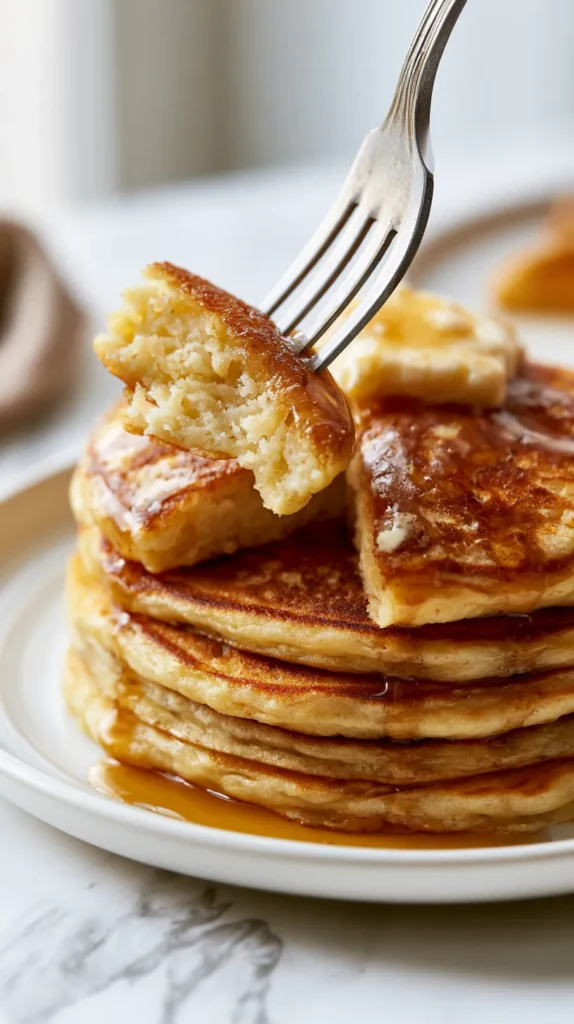
Cheap add-ins can make homemade pancakes taste different every time without changing the whole recipe. That helps when one basic batter needs to serve many moods. It also helps when the grocery budget requests calm.
Add mix-ins after pouring the batter into the pan. This keeps the bowl of batter clean and flexible. It also stops fruit from bleeding color everywhere. Purple batter can be fun, but sometimes we want calm.
Try these budget-friendly add-ins when the fridge looks random. Keep the amounts small at first:
- Banana slices
- Frozen blueberries
- Mini chocolate chips
- Chopped apples
- Cinnamon
- Lemon zest
- A few oats
- Chopped nuts
- Peanut butter drizzle
Frozen fruit works well because it costs less and lasts longer. Add berries straight from the freezer to each pancake. They cook as the pancake cooks, which keeps things easy.
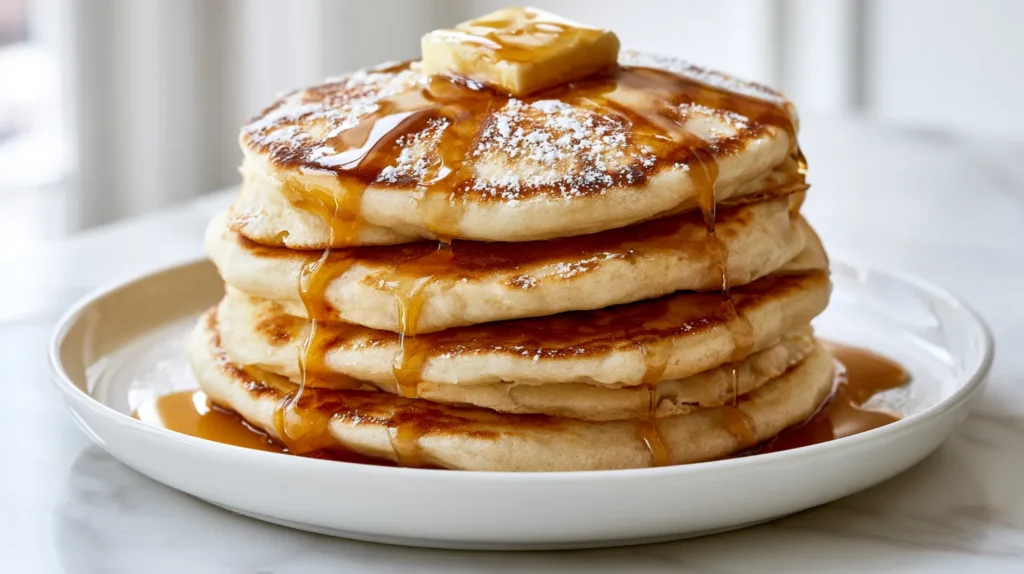
Toppings can stretch the meal too. Sliced bananas, powdered sugar, jam, peanut butter, and homemade fruit sauce all work. A little whipped cream can make pancakes look like a brunch plate. The kitchen may say Tuesday, but the plate says effort.
For quick fruit sauce, simmer 1 cup frozen berries with 1 tablespoon sugar and 1 tablespoon water. Cook until the berries soften and the sauce thickens. That small pan does big work.
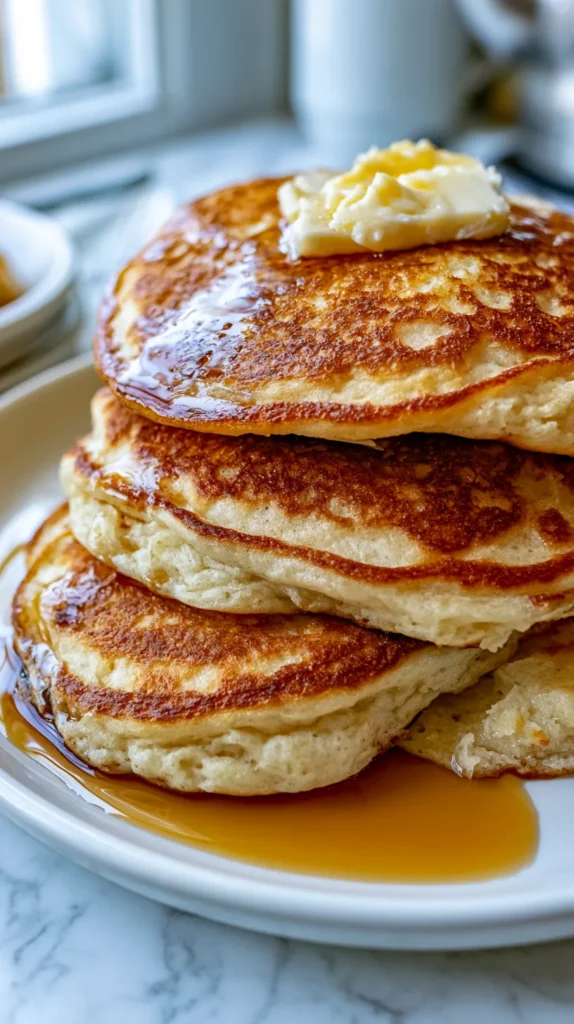
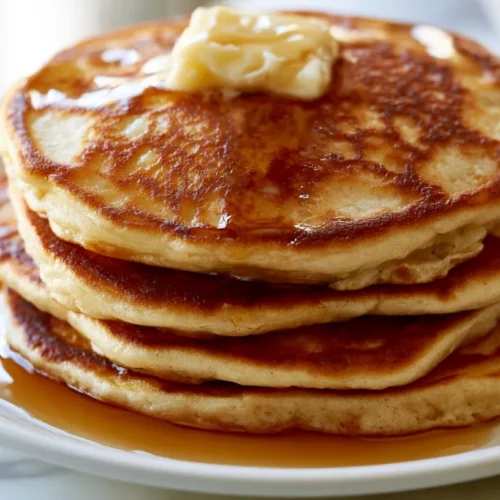
Still, not every pancake needs extras. Plain pancakes with butter and syrup can be perfect. Sometimes simple wins because nobody has energy for a topping bar. Besides, butter and syrup earned their classic status.
The reframe here is simple. Budget food does not need to look bare. Small toppings add color, flavor, and variety without turning breakfast into a receipt with regrets. That is the whole budget-friendly charm.
Serving Ideas That Make Breakfast More Fun
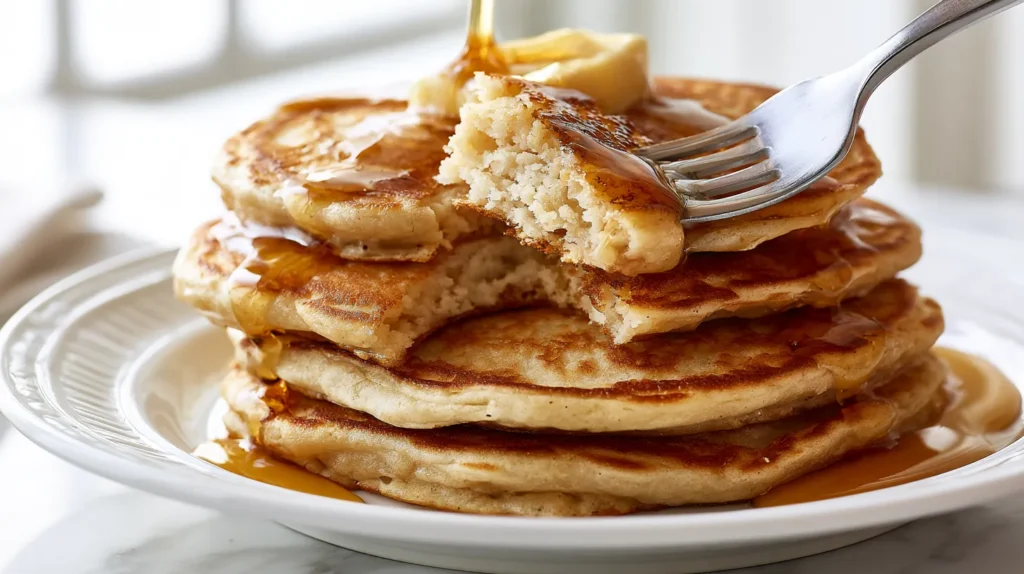
Serving pancakes can be simple, but a few choices make breakfast look more special. I like the kind of meal that seems thoughtful without requiring a floral centerpiece. Pancakes already have the cozy shape. The plate just needs a little help.
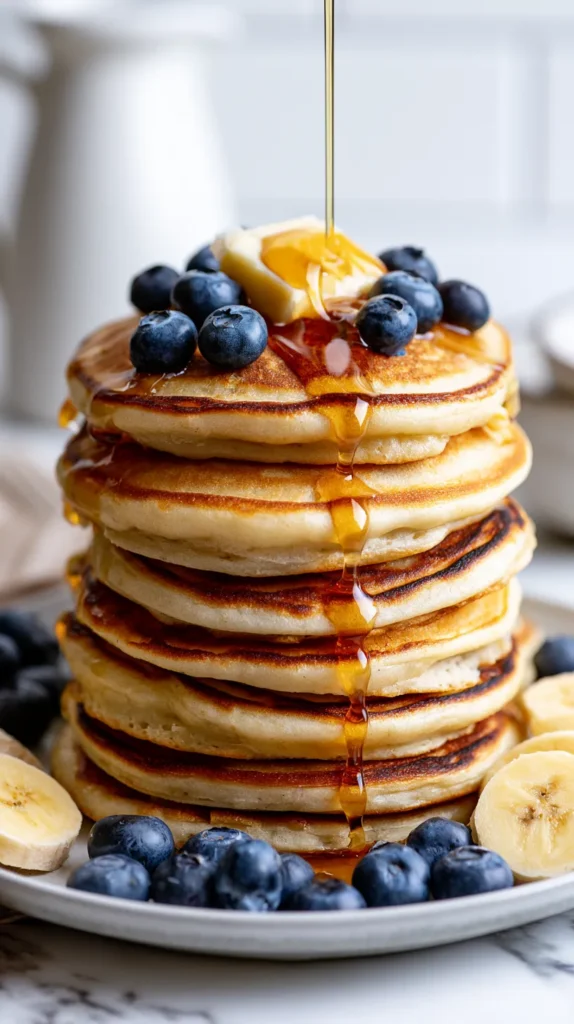
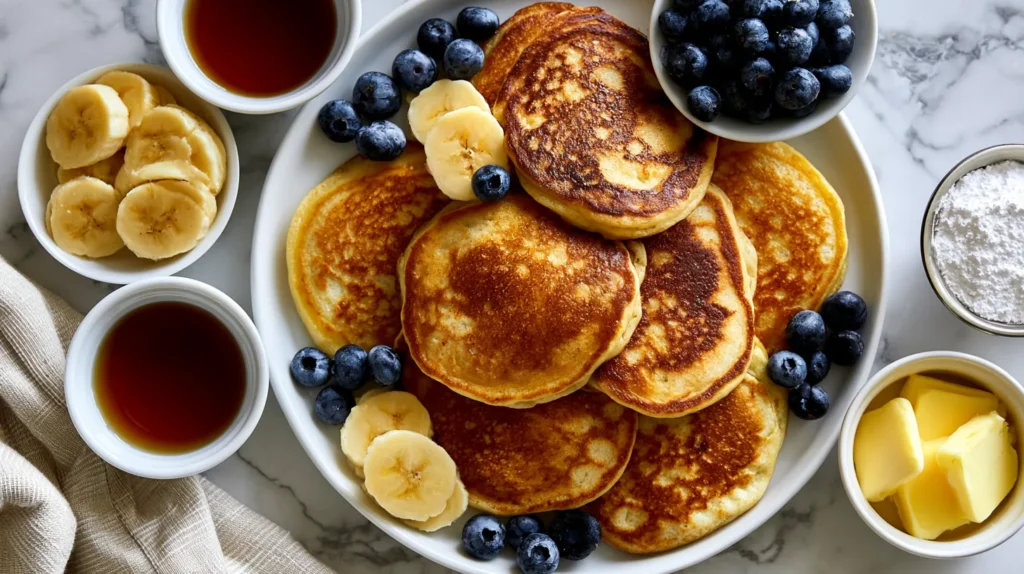
Start with the classic setup. Add butter, syrup, and fresh fruit if you have it. Bananas are usually the cheapest option, and they pair well with almost everything. Strawberries and blueberries add color, but frozen berries work when fresh prices get rude.
For a filling plate, serve pancakes with eggs, sausage, bacon, or yogurt. Peanut butter also works well when you want extra protein without cooking another pan. Spread it thinly, then add bananas or a small drizzle of syrup.
A pancake board can also make a regular morning look fun. Stack the pancakes in the middle of a board or platter. Add toppings in small bowls around the stack. Keep the options simple and affordable.
Try these serving ideas when breakfast needs a little flourish. Keep the options easy:
- Butter and maple syrup
- Berry sauce and powdered sugar
- Peanut butter and banana slices
- Cinnamon sugar and apples
- Chocolate chips and strawberries
- Yogurt and honey
- Sausage and scrambled eggs
- Jam and whipped cream
Breakfast-for-dinner deserves attention too. Pancakes make a cheap dinner that still looks cheerful. Add fruit and eggs, and the meal seems planned. I love that kind of low-effort win.
For parties or sleepovers, set up a pancake bar. Let everyone choose toppings. This saves arguing and keeps the meal flexible. Kids and grown-ups both enjoy building their own plates, which is helpful.
And yes, syrup will still land somewhere sticky. That’s just pancake law.
FAQs That Save The Batch
Homemade pancakes come with tiny questions that somehow seem urgent. The batter looks too thick. Maybe the first pancake looks strange. Edges can brown faster than expected. Most issues have simple fixes, which is very convenient. Good news, none require fancy tools.
Why are my pancakes flat? Old baking powder causes flat pancakes. Overmixed batter can also remove lift. Use fresh baking powder, stir gently, and rest the batter before cooking.
Why are my pancakes raw in the middle? The heat is probably too high. The outside browns before the inside cooks through. Lower the heat and cook each pancake longer.
Can I make the batter ahead of time? I prefer mixing the dry ingredients ahead instead. Full batter loses lift as it sits. Add the wet ingredients right before cooking.
Can I freeze pancakes? Yes, and they freeze well. Cool them fully first. Then stack them with parchment paper between layers. Store them in a freezer bag for up to 2 months.
How do I reheat frozen pancakes? Use a toaster, toaster oven, microwave, or skillet. The toaster gives better edges. Microwaves work faster, but the texture turns softer.
Can I make these without vanilla? Yes, just skip it. Add cinnamon if you want extra flavor. The recipe still works without vanilla. Vanilla is lovely, but breakfast survives.
Can I double the recipe? Yes, double every ingredient. Use a large bowl and cook in batches. Keep finished pancakes warm in a 200-degree oven.
Why does the first pancake look bad? The pan is adjusting. That first pancake helps you check the heat. Consider it useful, then move on proudly. Breakfast does not need perfection paperwork.
Homemade Pancakes
Ingredients
- 2 cups all-purpose flour
- 2 tablespoons granulated sugar
- 1 tablespoon baking powder
- 1/2 teaspoon salt
- 2 large eggs
- 1 3/4 cups milk
- 1/4 cup melted butter slightly cooled
- 2 teaspoons vanilla extract
- Butter or oil for cooking
Instructions
- Whisk flour, sugar, baking powder, and salt in a large bowl.
- Whisk eggs, milk, melted butter, and vanilla in another bowl.
- Pour the wet ingredients into the dry ingredients.
- Stir gently until combined, leaving small lumps.
- Rest the batter for 5 to 10 minutes.
- Heat a skillet or griddle over medium heat.
- Grease the pan lightly with butter or oil.
- Pour 1/4 cup batter for each pancake.
- Cook until bubbles appear and edges look set.
- Flip once, then cook until golden underneath.
- Move cooked pancakes to a plate or warm oven.
- Repeat with the remaining batter.
- Keep cooked pancakes warm in a 200-degree oven.
The Pancake Math I’ll Always Support
I love when a recipe makes regular life easier without pretending to be fancy. Homemade pancakes do that in the best way. They use cheap staples, cook fast, freeze well, and still seem like a breakfast treat.
As a mom, I’m always drawn to meals that stretch without announcing it. This recipe does that quietly. It can feed a table, rescue a slow morning, or become dinner when the day goes sideways. That matters when everyone wants food and nobody wants math.
I also like how pancakes leave room for whatever mood the kitchen has. Some days need syrup and butter. Other days need berries, bananas, or chocolate chips. Pinterest may love perfect brunch stacks, but real life often needs warm plates and easy cleanup. I’ll take that trade every single time.
That’s why this recipe earns a permanent spot in the budget breakfast rotation. It doesn’t ask for pricey ingredients or a special mix. A good batch just needs a bowl, a pan, and a little restraint with the spoon. That kind of recipe earns trust fast.
Even better, the leftovers help tomorrow. Freeze a few, toast them later, and breakfast becomes one less thing to negotiate. That alone deserves applause from anyone managing a busy morning.
So yes, boxed mix can exist peacefully. I’m not starting a breakfast feud. However, from-scratch pancakes are easier than they look and cheaper than they seem.
That’s my favorite kind of recipe math: simple ingredients, full plates, happy faces, no financial nonsense.